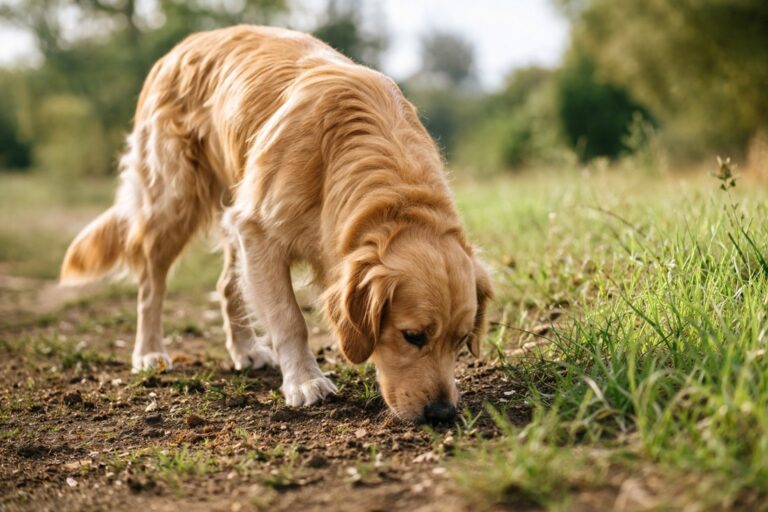

Can Dogs Eat Yogurt? Safety & Health Benefits
Yogurt is a staple in many households, and it’s natural to wonder whether your dog can share a spoonful. The short answer is yes — but with important conditions attached.
Not all yogurts are created equal, and some varieties can be genuinely harmful to dogs. Knowing what to look for makes all the difference between a healthy treat and a trip to the vet.
Safe Yogurt Options for Dogs: What to Choose
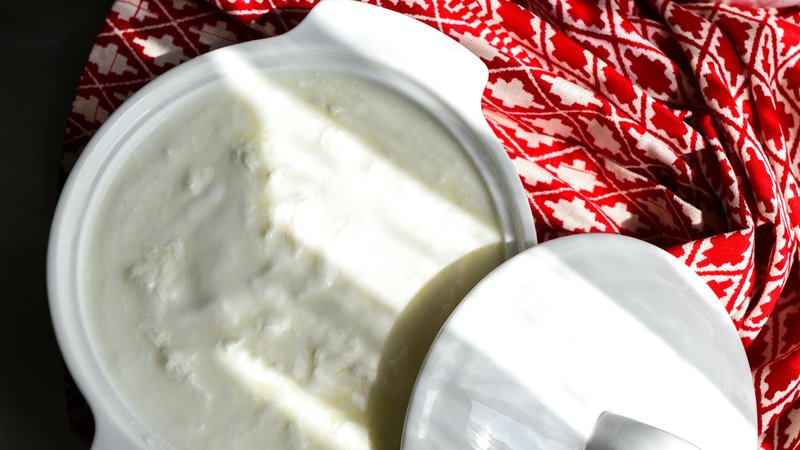
Plain, unsweetened yogurt is the safest choice for dogs. It should contain no added sugars, artificial sweeteners, or flavoring agents of any kind.
Greek yogurt is a popular option because it is strained, which removes much of the whey and reduces the lactose content. Lower lactose levels make it easier for many dogs to digest.
Always check the label before serving. If the ingredient list includes anything beyond milk and live cultures, set it aside and choose a simpler product.
Toxic Ingredients and Dangerous Additives to Avoid
Xylitol is the most dangerous ingredient that can appear in flavored or “diet” yogurt. Even small amounts of this artificial sweetener can cause xylitol poisoning in dogs, leading to a rapid drop in blood sugar and potentially fatal liver damage.
Fruit-flavored yogurts often contain high amounts of sugar or artificial preservatives. These can contribute to obesity, dental problems, and digestive upset over time.
Chocolate-flavored yogurt is an absolute no. Chocolate is toxic to dogs regardless of the form it appears in.
Probiotics in Yogurt vs. Specialized Supplements for Dogs
One of the most cited reasons for feeding dogs yogurt is its probiotic content. Live bacterial cultures in yogurt can support gut health and improve digestion.
However, yogurt may not be the most efficient delivery method. According to research on probiotic supplements vs. yogurt, dedicated supplements often contain billions of colony-forming units (CFUs) per dose — far more than what a typical serving of yogurt provides.
If your primary goal is improving your dog’s gut health, a veterinarian-approved probiotic supplement may deliver more consistent and measurable results than yogurt alone.
Age-Specific Guidelines: Puppies, Adults, and Senior Dogs
A dog’s digestive system changes significantly across its lifetime. Understanding dog life stages — from puppyhood through senior years — helps you make smarter feeding decisions at every age.
Puppies have more sensitive digestive systems and are still developing their gut microbiome. Introduce yogurt only in very small amounts and watch closely for any signs of stomach upset.
Senior dogs may have slower metabolisms and are more prone to weight gain. Stick to low-fat plain yogurt and keep portions minimal to avoid unnecessary caloric intake.
Proper Serving Sizes and the 10% Treat Rule
Treats and supplemental foods — including yogurt — should make up no more than 10% of your dog’s total daily caloric intake. This is a widely recommended guideline supported by AKC nutrition experts.
For small dogs, one teaspoon of plain yogurt is typically sufficient. Medium and large breeds can handle up to a tablespoon, but more is rarely necessary.
Consistency matters more than quantity. A small amount given regularly is far more beneficial than a large portion served occasionally.

Lactose Intolerance and Digestive Considerations
Many dogs are lactose intolerant to varying degrees. Their bodies produce limited amounts of lactase, the enzyme needed to break down lactose found in dairy products.
Signs of lactose intolerance include bloating, gas, diarrhea, and vomiting after consuming dairy. If you notice any of these symptoms, discontinue yogurt immediately and consult your vet.
It’s worth noting that bovine milk fat typically ranges from 3.2% to 4.2%, which means even plain yogurt carries a meaningful fat load. Dogs prone to pancreatitis should avoid dairy-based treats entirely.
If you enjoy exploring nutritious food options for your dog, chia seeds for dogs offer another well-researched alternative worth considering alongside yogurt.
For dogs who tolerate yogurt well, it can be a simple, enjoyable treat that supports digestion without disrupting their balanced diet. Always prioritize plain varieties, keep portions small, and let your dog’s individual response guide your choices.