

Can Dogs Eat Bone Broth? Safety & Benefits
Bone broth has become one of the most talked-about additions to a dog’s diet, and for good reason. It’s warm, deeply nourishing, and most dogs absolutely love the smell and taste of it.
But before you ladle some into your dog’s bowl, it’s worth understanding exactly what you’re feeding them. Not all bone broth is created equal, and a few key details can make the difference between a helpful supplement and a harmful one.
Nutritional Components and Health Benefits
Bone broth is rich in collagen, gelatin, amino acids like glycine and proline, and trace minerals. These compounds work together to support multiple systems in a dog’s body.
One of the most compelling areas of research focuses on gut health. According to published research on gut health, the bioactive components in bone broth can enhance gut health, alleviate inflammation in the intestinal barrier, and improve intestinal barrier function — particularly in inflammatory bowel disease states.
Beyond digestion, bone broth supports joint health through its natural collagen content. It can also improve coat quality, boost hydration, and provide a gentle source of nutrition for dogs recovering from illness or surgery.
For dogs already enjoying a varied diet, pairing bone broth with options like homemade rabbit for dogs can create a well-rounded, nutrient-dense meal plan.
Safety Considerations and Health Contraindications
Plain, unseasoned bone broth is generally safe for most dogs. The primary safety concern is what gets added during preparation — onions, garlic, leeks, and excessive salt are all toxic or harmful to dogs.
Dogs with kidney disease, heart conditions, or sodium sensitivities need special attention. High-sodium broths can worsen fluid retention and put unnecessary strain on already compromised organs.
Heavy metal contamination is another concern dog owners sometimes raise. However, peer-reviewed mineral analysis found that calcium and magnesium levels in both homemade and commercial broths did not exceed low tenths of a milligram per serving, and the risks associated with heavy metals like lead and cadmium were minimal.

Homemade vs. Commercial Bone Broth Products
Homemade bone broth gives you full control over ingredients. You can choose high-quality bones, avoid harmful additives, and simmer the broth long enough to extract maximum nutrients.
Commercial options offer convenience, but label reading is essential. Look for products specifically formulated for dogs, with no added onion, garlic, or artificial flavoring. Low-sodium versions are always preferable.
If you’re interested in making your own, this bone broth recipe for dogs from The Bark is a reliable starting point with clear instructions.
Proper Preparation, Storage, and Serving Guidelines
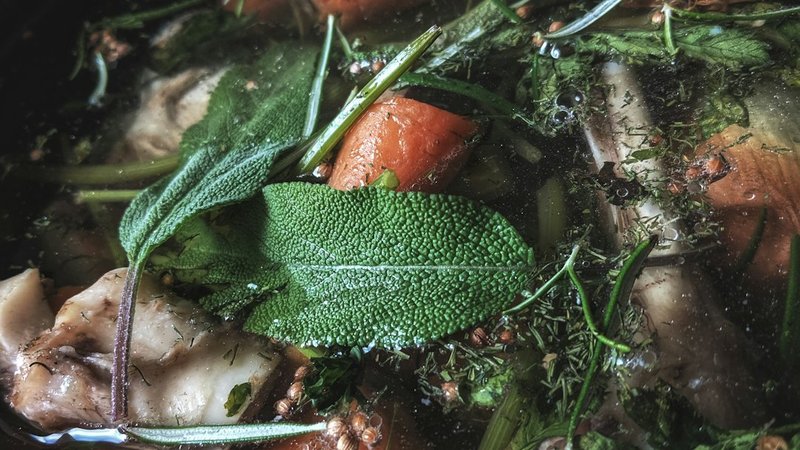
To make a safe batch at home, use raw or roasted bones from beef, chicken, or turkey. Simmer them in water for 12 to 24 hours, then strain out all solids, bones, and fragments before serving.
Never give your dog the cooked bones themselves. Cooked bones splinter easily and can cause serious internal injuries.
Once cooled, bone broth can be refrigerated for up to five days or frozen in ice cube trays for up to three months. Frozen cubes are especially popular as a summer treat or a food topper for picky eaters.
Dosage Recommendations Based on Dog Weight and Condition
There’s no one-size-fits-all serving size for bone broth. The right amount depends on your dog’s weight, overall health, and what you’re using the broth for.
A general guideline is to offer one ounce of broth per ten pounds of body weight per day. This can be served as a food topper, mixed into kibble, or offered separately as a hydration boost.
For dogs with digestive issues or recovering from illness, starting with a smaller amount and gradually increasing is the safest approach. Always introduce any new food slowly to monitor for sensitivities.
Dogs on medications or managing chronic conditions should have any dietary additions cleared by a veterinarian first. This is especially true for dogs on anti-inflammatory treatments, where diet can directly interact with medication effectiveness.
If you’re building a broader nutrition plan for your dog, exploring options like homemade raw dog food for large breeds alongside bone broth can offer a more complete dietary foundation.
Bone broth is one of the simplest, most accessible ways to add real nutritional value to your dog’s daily routine. When prepared correctly and served in appropriate amounts, it’s a supplement most dogs will genuinely benefit from — and enthusiastically enjoy.