How to Prepare a Dog for a Long Flight
Flying with a dog is not something you can wing at the last minute. A long flight puts real physical and emotional demands on your pet, and the difference between a smooth journey and a stressful disaster often comes down to how well you prepared weeks in advance.
Whether your dog is traveling in-cabin or as checked cargo, the fundamentals are the same. Preparation, consistency, and the right documentation can make this experience far less overwhelming for both of you.
Veterinary Clearance and Health Documentation
Your first step is always a visit to your veterinarian. You will need a health certificate issued within a specific window before departure, typically 10 days, though requirements vary by airline and destination country.
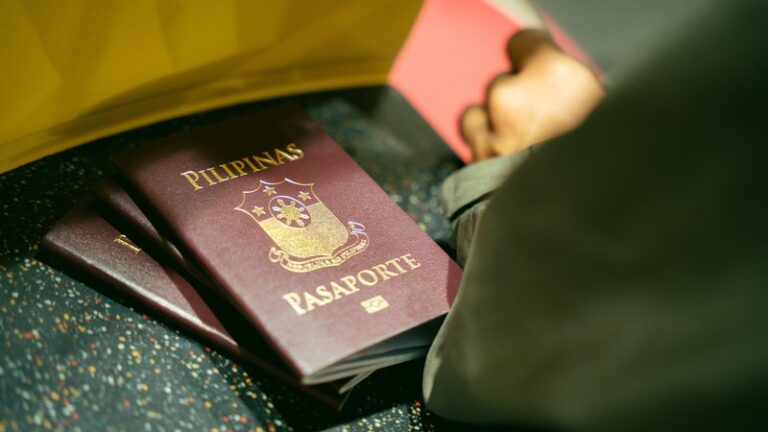
Be aware that documentation requirements go deeper than most owners expect. A vet-signed certificate may still be rejected at the border if it lacks specific language or stamps — a problem worth researching before you travel.
If your dog is a flat-faced breed — such as a Bulldog, Pug, or French Bulldog — your vet conversation becomes even more critical. Brachycephalic breeds face significantly higher risks during air travel due to their compromised airways, and some airlines will not accept them at all.
Selecting the Right Travel Carrier and Airline Options
Not all carriers are created equal, and not all airlines treat pets the same way. Choosing the right combination of carrier and airline is one of the most important decisions you will make.
The carrier must meet IATA size and ventilation standards if your dog is traveling in cargo. For in-cabin pet policies, each airline sets its own weight limits and approved carrier dimensions, so always verify directly with the carrier before booking.
Your dog should be able to stand, turn around, and lie down comfortably. A crate that is too large can cause sliding and injury during turbulence, while one that is too small creates unnecessary physical stress.
Pre-Flight Training and Acclimation Strategies
Crate training before a flight is non-negotiable. Start introducing the carrier at least four to six weeks before your travel date so your dog associates it with safety rather than confinement.
Begin by placing meals and favorite toys inside the carrier with the door open. Gradually close the door for short periods, then extend the duration over several weeks until your dog can rest calmly inside for several hours.
If your dog has never traveled by car for extended periods, that is a useful starting point. Building comfort with long car journeys can translate well to air travel, especially when it comes to settling into a confined space and managing motion.
Managing Anxiety and Stress Without Sedation
Most veterinarians and major airlines advise against sedating dogs for flights. Sedation can impair a dog’s ability to balance and regulate body temperature, which becomes dangerous in cargo holds.
Natural calming support is a more practical route for many dogs. Research published on OTC anxiety relief shows that omega-3 fatty acids at around 2,000 mg daily can reduce anxiety symptoms by calming the nervous system and reducing inflammation — a finding that applies to dogs as well as humans when used under veterinary guidance.
Calming wraps, pheromone sprays, and a worn t-shirt placed inside the crate can also reduce stress. These low-intervention tools work best when combined with solid crate training rather than used as a last-minute fix.
Recovery and Adjustment at Your Destination
Arriving at the destination is not the end of the process. Dogs can experience jet lag just like humans, and their internal clocks need time to reset after crossing multiple time zones.
One of the most effective recovery tools is natural light exposure. Exposing your dog to natural light after arrival plays a significant role in resetting their circadian rhythm and helping them adapt to the new schedule more quickly.
Keep the first 24 to 48 hours low-key. Stick to familiar feeding times, offer extra hydration, and allow plenty of rest. Avoid high-energy activities until your dog shows clear signs of having settled back into a normal sleep and appetite pattern.
Travel is one of the greatest gifts you can share with your dog — but it asks a lot of them. The more thoughtfully you prepare, the more confidently they will handle whatever the journey brings.