

13 Dog Friendly Beaches in Spain: Best Spots for Your Canine Companion
Spain is one of Europe’s most rewarding destinations for dog owners, offering a stunning variety of coastlines where your four-legged companion is genuinely welcome. From the urban shores of Barcelona to the volcanic landscapes of the Canary Islands, the options are far more plentiful than most travelers realize.
Navigating the rules, however, takes a little preparation. Spanish beach regulations vary significantly by region, municipality, and season, so knowing what to expect before you arrive makes the entire experience smoother for both you and your dog.
This guide covers the 13 best dog friendly beaches in Spain, along with everything you need to know about access rules, safety, etiquette, and facilities to make your coastal adventure a success.
1. Playa de Llevant, Barcelona – Urban Beach with Designated Dog Zone

Playa de Llevant sits at the northeastern end of Barcelona’s famous beachfront and is one of the few city beaches with a clearly marked, officially designated dog zone. It is the most accessible dog-friendly beach within Barcelona city limits, making it ideal for travelers staying in the city without a car.
- Key Specs: Located in the Poblenou district; designated dog area marked with signage; accessible via metro and bus
- Pros: Excellent public transport links; nearby cafés and services; convenient for city-based visitors
- Cons: Can be crowded in peak summer months; dog zone is relatively compact; leash rules strictly enforced outside the designated area
2. Playa de Pinedo, Valencia – Spacious Sandy Beach with Off-Leash Areas
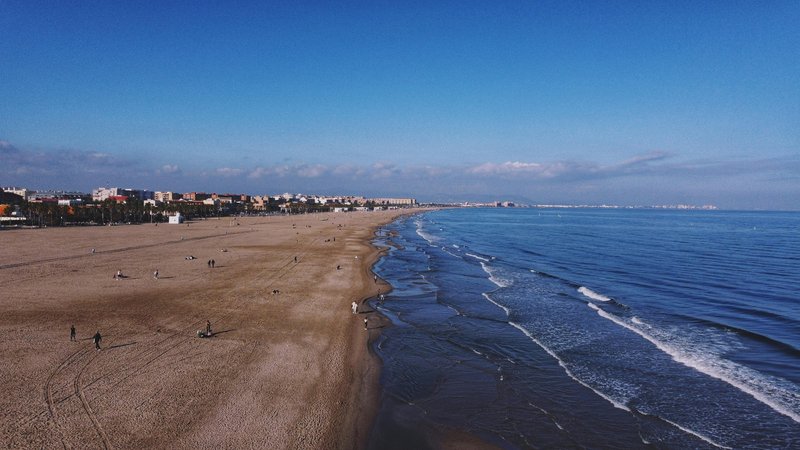
Located south of Valencia city, Playa de Pinedo is a long, wide stretch of sand that offers considerably more space than many urban alternatives. The beach has designated off-leash zones where dogs can run freely, making it a favorite among local dog owners throughout the year.
- Key Specs: Located approx. 10 km south of Valencia; off-leash zones available; accessible by tram
- Pros: Spacious and less crowded than city beaches; good facilities including showers and parking; family-friendly atmosphere
- Cons: Seasonal restrictions apply in July and August; area can get busy on weekends; limited shade
3. Playa de Zahara de los Atunes, Cádiz – Scenic Andalusian Coastal Gem
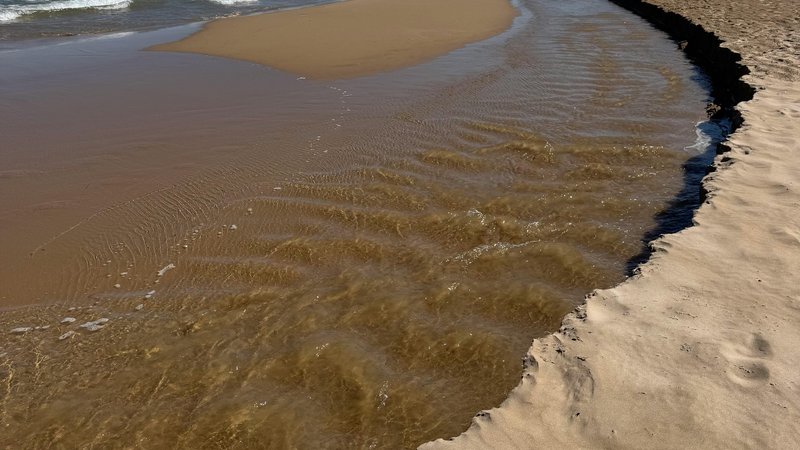
This breathtaking beach on the Atlantic coast of Cádiz province is one of Andalusia’s best-kept secrets. Zahara de los Atunes offers miles of unspoiled sand backed by low dunes, and dogs are welcomed outside the peak summer season with relatively relaxed access rules.
- Key Specs: Located in the municipality of Barbate; approx. 70 km from Cádiz city; best visited in spring and autumn
- Pros: Stunning natural scenery; uncrowded outside summer; excellent for long walks along the shoreline
- Cons: Dog access restricted in high summer; limited facilities out of season; requires a car to reach
4. Playa de Monsul, Almería – Dramatic Cliffs and Dog-Friendly Access

Playa de Monsul is one of Spain’s most visually striking beaches, sitting within the Cabo de Gata-Níjar Natural Park in Almería. Its dramatic volcanic rock formations and crystal-clear water make it a truly memorable destination, and dogs are generally permitted outside the busiest summer weeks.
- Key Specs: Located within Cabo de Gata-Níjar Natural Park; no permanent facilities on the beach; access by car or foot
- Pros: Spectacular scenery; low visitor numbers outside summer; excellent snorkeling water clarity
- Cons: Very limited facilities; park rules apply; access road can be rough; carry all supplies including fresh water for your dog
5. Playa de Matalascañas, Huelva – Wide Beach with Seasonal Dog Restrictions
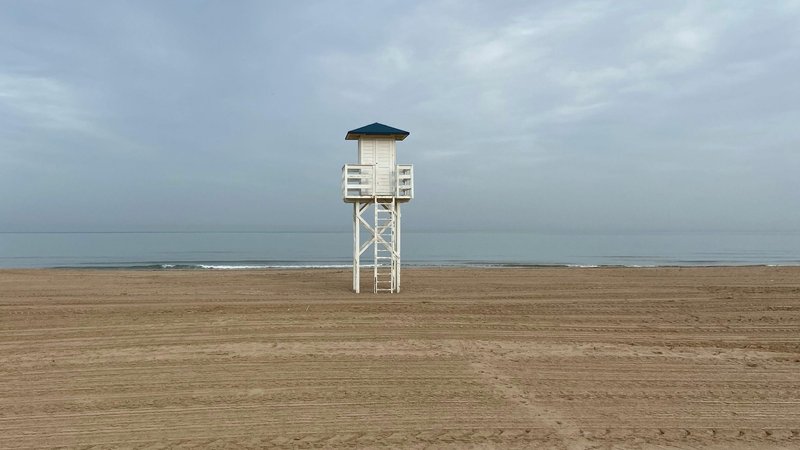
Playa de Matalascañas is one of the longest beaches in southern Spain, stretching for kilometers along the Huelva coastline near Doñana National Park. The sheer scale of the beach means there is always room for dogs during permitted hours, even when the resort town itself is busy.
- Key Specs: Located approx. 80 km from Seville; adjacent to Doñana National Park; seasonal dog access applies
- Pros: Enormous beach with plenty of space; good resort amenities nearby; scenic natural surroundings
- Cons: Dogs restricted to specific zones and hours in summer; can be very hot in July and August; limited shade on the sand
6. Playa de Meloneras, Gran Canaria – Year-Round Dog-Friendly Destination
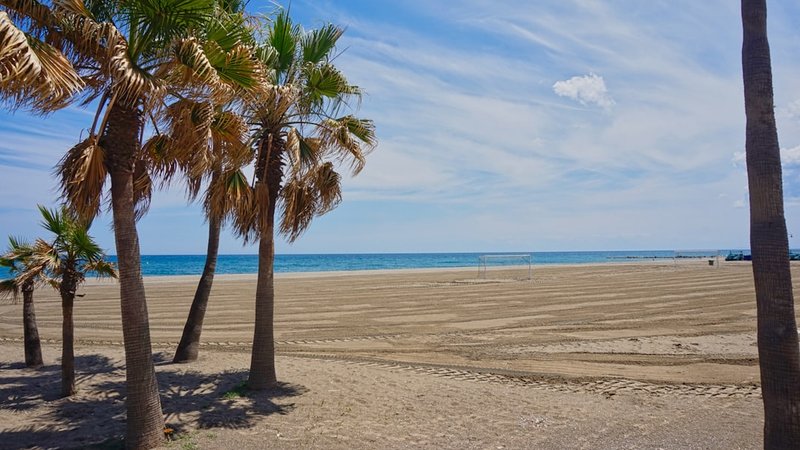
Gran Canaria’s mild climate makes it one of the best year-round destinations for dogs in all of Spain. Playa de Meloneras, located in the upscale resort area of Maspalomas, offers calm, sheltered waters that are particularly gentle for dogs entering the sea.
- Key Specs: Located in the south of Gran Canaria; year-round access; close to Maspalomas resort facilities
- Pros: Excellent year-round weather; calm sea conditions; high standard of nearby amenities including pet-friendly hotels
- Cons: Can be busy with tourists throughout the year; some sections of the promenade have leash requirements; parking can be limited
7. Playa de Maspalomas, Gran Canaria – Desert Dunes and Pet-Welcoming Facilities

Playa de Maspalomas is famous for its extraordinary sand dune reserve, creating a landscape that feels more like the Sahara than a European beach resort. Dogs are permitted in designated sections of this iconic beach, and the surrounding resort infrastructure offers some of the best pet-friendly services on the island.
- Key Specs: Located at the southern tip of Gran Canaria; adjacent to protected dune reserve; year-round destination
- Pros: Unique landscape; excellent resort facilities nearby; warm weather all year; good veterinary services in the area
- Cons: Dune reserve is a protected natural area where dogs are not permitted; sand can get very hot underfoot; busy with tourists year-round
8. Playa de Canyamel, Mallorca – Balearic Island Beach with Dog Amenities

Tucked into a pine-backed cove on Mallorca’s northeastern coast, Playa de Canyamel is one of the island’s most picturesque beaches. The beach has dedicated dog-friendly facilities including water stations, making it one of the better-equipped spots for pet owners in the Balearic Islands.
- Key Specs: Located near Capdepera in northeast Mallorca; seasonal dog access rules apply; car park available
- Pros: Beautiful natural setting; pine shade nearby; relatively uncrowded compared to southern Mallorca beaches
- Cons: Dog access restricted in peak summer months; limited public transport; smaller beach means less space during busy periods
9. Playa de Ses Covetes, Mallorca – Quiet Spot Perfect for Relaxed Dog Walks
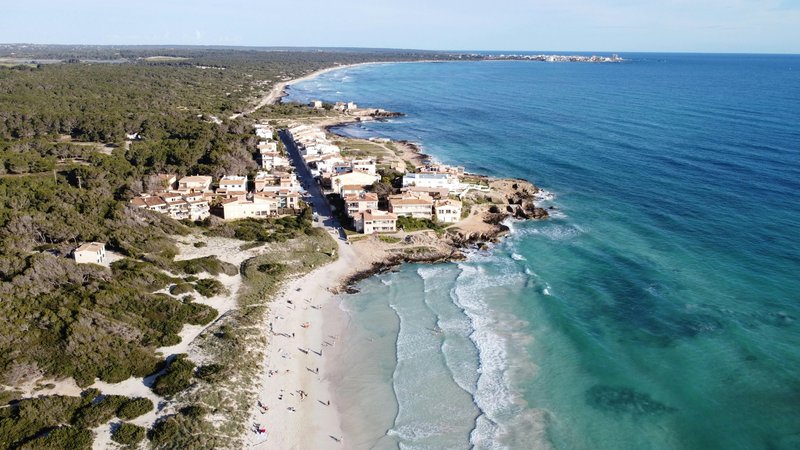
Playa de Ses Covetes lies at the northern end of the long Es Trenc beach system in southern Mallorca, offering a quieter and more natural alternative to the busier resort beaches. Its remote character and low visitor density make it especially pleasant for dogs who prefer a calm environment.
- Key Specs: Located near Campos in southern Mallorca; natural, undeveloped shoreline; limited facilities on site
- Pros: Very quiet and natural; excellent for long beach walks; shallow entry into the sea suitable for most dogs
- Cons: Minimal facilities; bring all supplies including fresh water; access requires a car; seasonal restrictions may apply
10. Playa de Fañabe, Tenerife – Canary Islands Beach with Pet Services

Playa de Fañabe is a well-maintained beach in the Costa Adeje resort area of Tenerife, offering a high standard of facilities alongside a welcoming attitude toward pets. The beach benefits from Tenerife’s year-round mild climate, meaning dog visits are feasible in every month of the year.
- Key Specs: Located in Costa Adeje, southern Tenerife; year-round destination; close to pet-friendly hotels and veterinary clinics
- Pros: Excellent resort infrastructure; calm sea conditions; good veterinary services nearby; year-round accessibility
- Cons: Popular tourist area can feel crowded; some beach sections have strict leash rules; parking can be challenging in high season
11. Playa de Muro, Mallorca – Family-Friendly Beach with Dog Zones
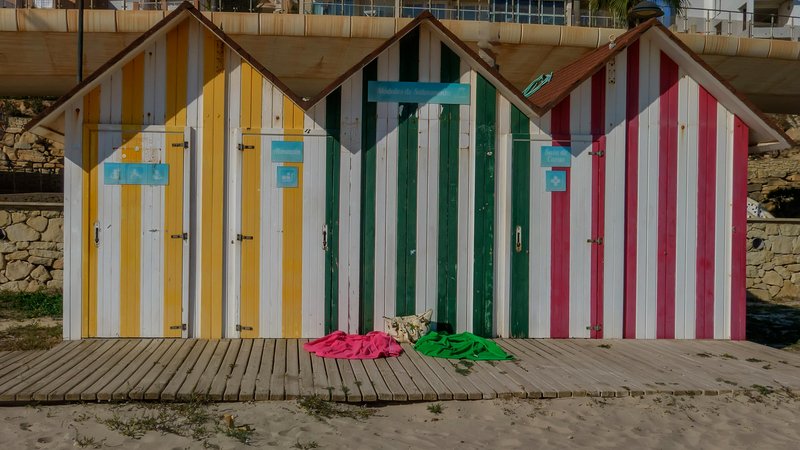
Playa de Muro is part of the vast Bay of Alcúdia in northern Mallorca and is one of the island’s most family-oriented beaches. Designated dog zones allow pets to enjoy the fine white sand and shallow turquoise water while keeping the main family swimming areas clear.
- Key Specs: Located in the Bay of Alcúdia, northern Mallorca; designated dog zones marked; good road access and parking
- Pros: Shallow, calm water ideal for dogs; excellent facilities including showers and parking; wide beach with plenty of space
- Cons: Dog zones are restricted to specific sections; very busy in July and August; access to dog zones may require a walk from main car parks
12. Playa de Pals, Girona – Costa Brava Beach with Excellent Facilities
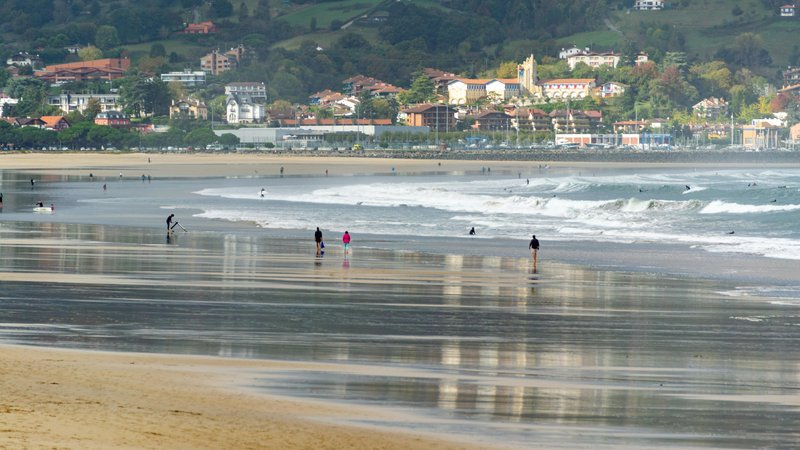
Playa de Pals is one of the Costa Brava’s most popular beaches, backed by pine forests and offering a long stretch of fine sand. The beach has well-established dog-friendly zones with clear signage and good supporting facilities, making it one of the more organized dog beach experiences on the Catalan coast.
- Key Specs: Located near the medieval village of Pals, Girona; designated dog zone; good parking and shower facilities
- Pros: Beautiful pine-backed setting; well-organized dog area; charming nearby village for post-beach exploration
- Cons: Dog zone limited to a specific section; busy in summer; can be windy due to the Tramontane wind in autumn and spring
13. Playa de Aiguablava, Girona – Sheltered Cove Ideal for Smaller Dogs
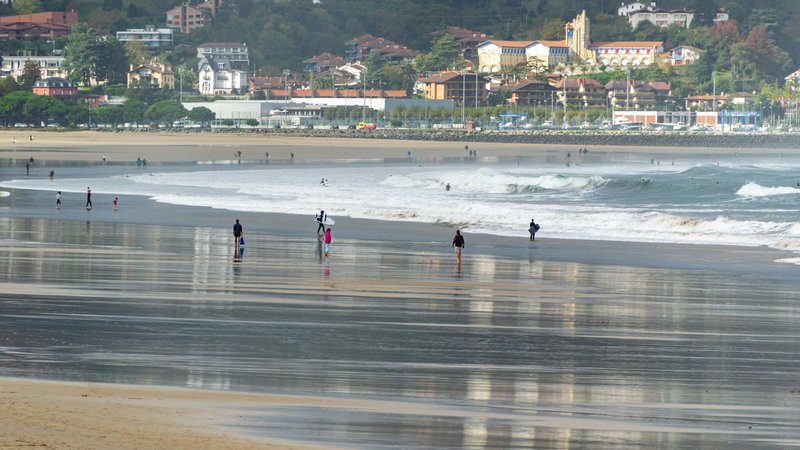
Playa de Aiguablava is a small, sheltered cove near Begur on the Costa Brava, renowned for its incredibly clear turquoise water and intimate scale. Its naturally calm and protected character makes it one of the most suitable spots for smaller or less confident dogs who may find larger, more exposed beaches overwhelming.
- Key Specs: Located near Begur, Girona; small sheltered cove; parador hotel nearby with pet-friendly options
- Pros: Exceptionally clear water; calm and sheltered; beautiful scenery; excellent for nervous or small dogs
- Cons: Very small beach gets crowded quickly; limited parking; dog access rules vary by season; arrive early in summer
Understanding Spanish Beach Dog Regulations and Access Rules
Spain does not have a single national law governing dogs on beaches. Instead, each municipality sets its own rules, which means regulations can differ dramatically even between two beaches in the same province.
Most Spanish beaches that permit dogs require them to be kept on a leash outside of designated off-leash zones. Some municipalities also require dogs to wear a muzzle in public spaces, though this is less commonly enforced on beaches with dedicated pet areas.
Fines for violating beach dog rules can be substantial. Always check the local council’s website or look for official signage at the beach entrance before letting your dog off the leash.
Seasonal Timing: When Dogs Can Access Spanish Beaches
The most important factor to understand about dog friendly beaches in Spain is that access is almost always seasonal. The majority of Spanish beaches restrict or ban dogs entirely during the peak summer season, typically running from June 1st through September 30th.
Outside of this window, from October through May, many more beaches open up to dogs, often with extended hours and fewer restrictions. This mirrors the pattern seen at other popular beach destinations around the world — as US News Travel notes in its coverage of dog-friendly beaches, even highly welcoming beaches often shift to limited morning and evening access during the busy summer season.
Spring and autumn are the sweet spots for dog owners visiting Spain. The weather is still warm and pleasant, the beaches are far less crowded, and access rules are considerably more relaxed.
Beach Safety Tips and Health Considerations for Dogs
Taking your dog to the beach requires more preparation than a standard walk in the park. The combination of heat, saltwater, and physical exertion creates specific health risks that every owner should be aware of before heading to the coast.
Saltwater ingestion is one of the most common beach hazards for dogs. Priory Vet Group advises that saltwater can cause a range of issues from stomach upsets to serious health conditions, and recommends ensuring your dog always has access to plenty of fresh water and avoiding ball games that encourage repeated swimming in the sea.
Hot sand is another significant risk, particularly in southern Spain during summer. A dog’s paw pads can burn quickly on sand that has been baking in the sun for hours. Test the sand with the back of your hand before allowing your dog to walk on it freely.
Overheating is a serious concern for all dogs at the beach, but especially for brachycephalic breeds like Bulldogs and Pugs. Always bring shade, fresh water, and a cooling mat, and limit beach time to the cooler morning and evening hours during warm months.
If your dog enjoys eating seafood scraps found on the beach, it is worth knowing which marine foods are safe. For instance, understanding whether dogs can safely eat crab meat is useful context for any beach trip where your dog might encounter discarded seafood.
Regional Breakdown: Dog-Friendly Beaches by Spanish Coast
Spain’s coastline stretches across several distinct regions, each with its own climate, character, and approach to dog access. Understanding these regional differences helps you choose the right destination for your trip.
Costa Brava (Catalonia): Generally well-organized dog zones with clear signage. Cooler and windier than southern Spain, making it comfortable for dogs even in summer. Best visited in May, June, and September.
Costa Valenciana: A mix of urban and natural beaches with varying rules. Playa de Pinedo is the standout option. Good public transport links make this region accessible without a car.
Andalusia (Costa de la Luz and Costa del Sol): Wide, dramatic Atlantic beaches on the Costa de la Luz are excellent for dogs outside summer. The Costa del Sol is more restrictive but has some designated zones in larger resorts.
Canary Islands: The best region for year-round dog beach access due to the mild climate. Gran Canaria and Tenerife both offer multiple options with good facilities throughout the year.
Balearic Islands: Mallorca has invested in dog-friendly beach infrastructure more than most Spanish regions, with clearly marked zones and supporting amenities on several beaches.
Dog Beach Etiquette, Cleanup Responsibilities, and Breed Suitability
Responsible behavior on dog-friendly beaches is essential to preserving access for everyone. The continued availability of dog zones on Spanish beaches depends entirely on owners demonstrating that they can be trusted to keep the areas clean and their dogs under control.
Always carry more waste bags than you think you need. Dispose of waste in the dedicated bins provided at most dog beach zones, not in general litter bins or on the sand. Leaving waste on the beach is one of the fastest ways for municipalities to revoke dog access entirely.
Not every breed is equally suited to beach environments. Large, energetic breeds like Labradors and Border Collies thrive on open beaches with room to run. Smaller breeds and older dogs often do better on sheltered, quieter beaches like Playa de Aiguablava where the conditions are gentler.
Always be mindful of other beach users, including children, elderly visitors, and other dogs. Even in designated off-leash zones, a dog that is reactive or overly boisterous should be kept on a leash for everyone’s comfort and safety.
Amenities and Facilities: Parking, Showers, and Nearby Veterinary Services
The quality of facilities at dog-friendly beaches in Spain varies enormously. Resort beaches in the Canary Islands and Balearics tend to have the best infrastructure, including dedicated dog water stations, waste bag dispensers, and nearby veterinary clinics.
More remote beaches like Playa de Monsul in Almería offer spectacular scenery but minimal facilities. For these destinations, you need to be entirely self-sufficient, bringing everything your dog needs including food, water, a first aid kit, and any medications.
When choosing a beach, consider how far you are from veterinary care. In popular resort areas, emergency veterinary clinics are usually within a short drive. In rural or natural park settings, the nearest vet may be 30 to 60 minutes away, which matters significantly in a health emergency.
Public Transportation Options for Reaching Dog-Friendly Beaches
Traveling to Spanish beaches by public transport with a dog is entirely possible in urban areas but more challenging in rural ones. Barcelona’s Playa de Llevant is the standout example of a dog-friendly beach that is genuinely accessible by metro and bus.
In Valencia, the tram network connects the city center to Playa de Pinedo, making it one of the few dog-accessible beaches outside Barcelona that can be reached without a car. Dogs are generally permitted on Spanish public transport when kept in a carrier or on a short leash, but rules vary by operator.
For the Canary Islands and Balearics, hiring a car is strongly recommended. The best dog-friendly beaches are often spread across the islands and public transport connections to specific beach locations can be infrequent or nonexistent.
Peak Versus Off-Season Crowd Levels and Best Times to Visit
For dog owners, the calculus around timing a Spanish beach visit is simple: the quieter the beach, the better the experience for your dog. Peak season in Spain runs from late June through August, when beaches are at their most crowded, hottest, and most restrictive for dogs.
May and early June offer warm weather, open beaches, and far smaller crowds. September is arguably the best month of all — the sea is at its warmest from the summer heat, crowds have thinned dramatically, and dog access rules begin to relax in many municipalities.
October through April is the optimal window for the Canary Islands, where the climate remains genuinely pleasant and dog-friendly beaches are at their most accessible. For mainland Spain and the Balearics, March through May and September through November represent the ideal visiting windows.
Dog-Friendly Accommodations Near Spanish Beaches
Finding pet-friendly accommodation near Spanish beaches has become considerably easier in recent years. The growth of platforms that specialize in pet-friendly rentals means that self-catering apartments and villas with garden access are now widely available near most of the beaches on this list.
Hotels in resort areas like Costa Adeje in Tenerife and Maspalomas in Gran Canaria increasingly offer dedicated pet policies, including dog beds, food bowls, and information packs about local dog-friendly facilities. Always confirm the specific pet policy directly with the property before booking.
Rural accommodation such as fincas and country houses near coastal areas often provide the most dog-friendly environments of all, with private outdoor space and easy access to quieter, less-regulated stretches of coast. These options are particularly worth exploring along the Costa de la Luz in Huelva and Cádiz.
Before any beach trip, it is also worth thinking carefully about what you are feeding your dog while traveling. Keeping nutrition consistent reduces digestive stress, and options like homemade raw dog food for large breeds can be a practical way to maintain your dog’s regular diet even when away from home.
With the right preparation, a beach holiday in Spain with your dog can be one of the most rewarding travel experiences imaginable. Choose your beach carefully, respect the local rules, keep your dog safe and hydrated, and you will find that Spain’s coastline is every bit as welcoming to four-legged visitors as it is to their owners.