How Often Should You Bathe a Dog: Complete Guide
Bathing your dog sounds simple enough, but the right schedule depends on far more than just when they start to smell. Breed, coat type, skin health, and daily activity all play a role in determining the ideal bathing routine. Getting it wrong — either too often or not enough — can lead to dry, irritated skin or a coat that traps bacteria and odor. Understanding the factors involved helps you make smarter decisions for your dog’s comfort and long-term health.
Most dogs do well with a bath roughly once every four to six weeks. That said, this is a general guideline, not a universal rule. Some dogs need more frequent washing, while others thrive with far less. The key is learning what works for your specific dog rather than following a one-size-fits-all approach.
Bathing Frequency Based on Coat Type and Breed
Coat type is one of the biggest factors in how often a dog needs a bath. Dogs with short, smooth coats — like Beagles or Boxers — tend to stay cleaner longer and typically only need bathing every six to eight weeks. Dogs with thick double coats, such as Huskies or Golden Retrievers, can trap dirt and debris and may need more frequent attention, though over-bathing can strip the natural oils that protect those dense layers.
Curly or wavy-coated breeds like Poodles and Labradoodles are more prone to matting and may benefit from bathing every three to four weeks when paired with regular brushing. Hairless breeds, on the other hand, require more frequent skin cleansing — sometimes weekly — since they lack the protective barrier that fur provides.
Health Conditions and Skin Considerations
Dogs with skin conditions such as allergies, seborrhea, or fungal infections often need medicated baths more frequently — sometimes as often as once or twice a week — as directed by a veterinarian. In these cases, bathing becomes part of the treatment plan rather than routine hygiene. Conversely, dogs with very dry or sensitive skin may need baths spaced further apart to prevent stripping the skin’s natural moisture barrier.
If your dog scratches excessively after baths or develops red, flaky patches, that’s a sign the current schedule or shampoo isn’t working. Always consult your vet before adjusting a medicated bathing routine. Knowing what dog groomers secretly notice about a dog’s skin and coat can also give you useful insight into whether your current routine is falling short.
Lifestyle, Activity Level, and Environmental Factors
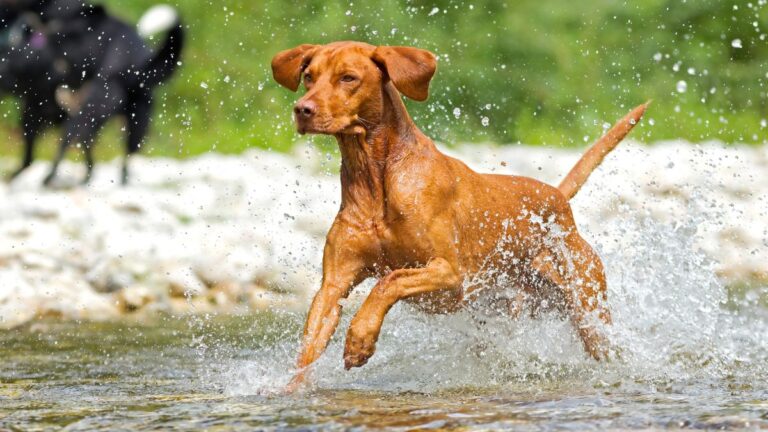
An active dog who swims, rolls in mud, or spends hours outdoors will obviously need more frequent baths than a dog who mostly lounges indoors. Dogs that spend a lot of time in wooded areas may also pick up pollen, sap, or parasites that warrant more regular washing during certain seasons.
Climate matters too. Just as hot and humid climates drive more frequent bathing in humans for hygiene and comfort, dogs in warmer, muggier environments may accumulate sweat and bacteria on their skin more quickly, making more regular baths a practical choice for their wellbeing.
Water Temperature and Post-Bath Care Essentials
The mechanics of the bath itself matter just as much as the schedule. Using water that’s too hot can scald sensitive skin, while cold water causes unnecessary stress. According to water temperature guidance for dog coats, the ideal range sits between 95°F and 105°F — warm enough to be comfortable and effective at loosening dirt without damaging the skin or coat.
After the bath, thorough drying is essential. Leaving moisture trapped in a thick coat can lead to hot spots or fungal growth. Use a towel to remove excess water, then a low-heat dryer if your dog tolerates it. Brushing while drying helps prevent matting and keeps the coat looking its best between grooming sessions. Watching for signs your dog feels safe and comfortable during and after bath time can also help you refine your approach over time.
Professional Grooming Versus Home Bathing
Professional groomers offer more than just a bath — they check ears, trim nails, and spot skin issues you might miss at home. For breeds with complex coats or dogs who resist home bathing, scheduling a professional grooming session every four to eight weeks makes sense. Home baths in between can help maintain freshness without the cost of frequent professional visits.
Whether you bathe your dog at home or rely on a groomer, consistency is what matters most. Establishing a routine that matches your dog’s coat, skin, and lifestyle keeps them clean, comfortable, and healthy without the guesswork. Pay attention to how your dog’s coat looks and smells between baths — that feedback is the most reliable guide you have.