20 Dog Breeds That Can Be Left Alone All Day
Finding the right dog when you work long hours is one of the most important decisions a pet owner can make. Not every breed spirals into anxiety the moment you grab your keys — some dogs are naturally independent, calm, and perfectly content to nap the day away while you’re at the office.
According to Woman’s Day, these dogs don’t stop needing proper training and love, but they can handle a few hours at home without destroying your belongings or having accidents — as long as you watch for signs they’re being left alone too long. Before committing, it’s also worth considering that some breeds require a longer commitment due to their lifespan, so choose thoughtfully. Here are 20 of the best options for busy households.
Understanding Independent Dog Breeds and Their Temperament
Independent dog breeds tend to have lower separation anxiety because they were historically bred to work alone or make their own decisions in the field. This doesn’t mean they are cold or unloving — it simply means their emotional wiring doesn’t require constant human reassurance. Understanding this distinction helps owners set realistic expectations and build healthier routines for their pets.
Energy Levels and Exercise Requirements for Solo Dogs
A dog’s energy level directly impacts how well it tolerates being home alone. High-energy breeds that don’t receive adequate exercise before being left will often develop destructive behaviors out of frustration. Lower-energy or moderate-energy breeds are generally better suited to solo time. A solid morning walk or play session can dramatically improve how calmly any dog handles an empty house throughout the day.
Training and Mental Stimulation Strategies for Dogs Left Alone
Even the most independent breed benefits from structured alone-time training. Crate training, puzzle feeders, and Kong toys stuffed with treats are proven tools for keeping a dog mentally occupied. Gradually increasing the duration you leave your dog alone — a process called desensitization — builds confidence and reduces stress. If you’re curious about which toys to avoid, vets have some strong opinions worth reading before you shop.
Health Considerations and Lifespan Commitments by Breed
Every breed on this list comes with its own set of health considerations. Brachycephalic breeds like Pugs and French Bulldogs are prone to breathing issues, while larger breeds may face joint problems as they age. Some breeds, like toy poodles, have longer lifespans, requiring a longer commitment, while larger breeds may have shorter ones. Researching breed-specific health risks before adopting ensures you’re financially and emotionally prepared for the long haul.
Enrichment Solutions: Toys, Crate Training, and Daycare Alternatives
When a dog must spend significant time alone, enrichment becomes essential. Snuffle mats, lick mats, frozen treats, and interactive cameras that dispense rewards are all popular solutions. Doggy daycare or a trusted dog walker can supplement solo time on longer workdays. Creating a safe, stimulating environment means your dog isn’t just surviving the day — it’s actually thriving while you’re away.
1. Basenji
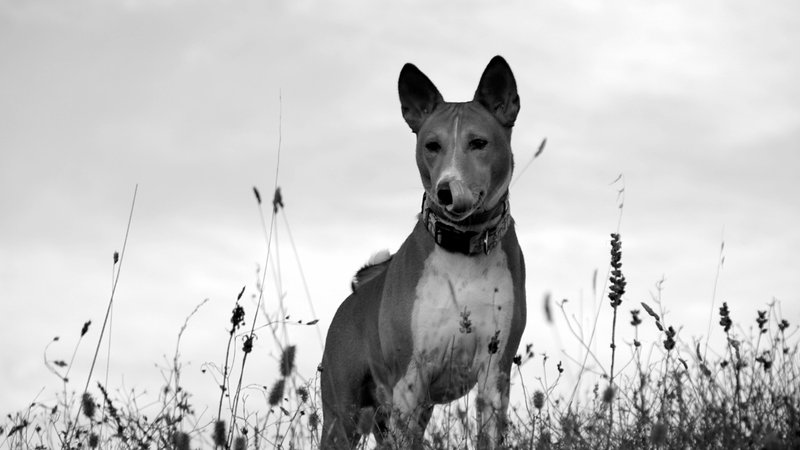
The Basenji is often called the “barkless dog” due to its unique yodel-like vocalization. This ancient African breed is highly independent and cat-like in its self-sufficiency. It grooms itself, rarely seeks constant attention, and handles quiet alone time well. However, it does need solid exercise before being left, as boredom can lead to mischief in an under-stimulated Basenji.
- Key Specs: Small to medium size, 22–24 lbs, lifespan 13–14 years
- Pros: Quiet, clean, independent, low shedding
- Cons: Escape artist, stubborn, high prey drive
2. Chow Chow
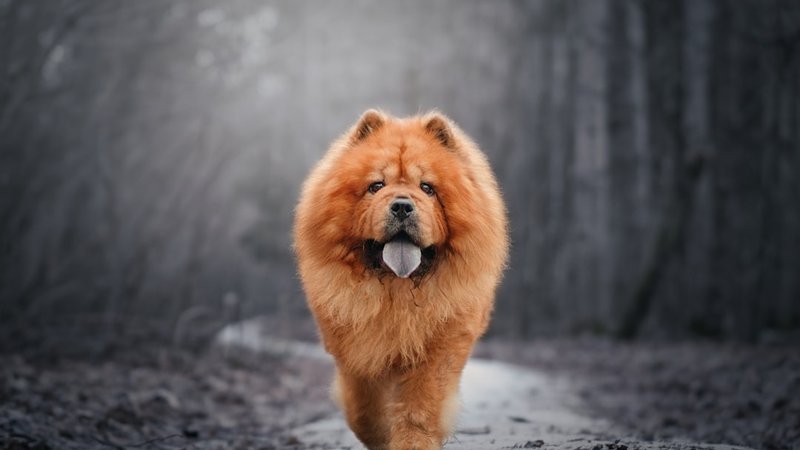
The Chow Chow is famously aloof and self-contained — traits that make it surprisingly well-suited to spending time alone. This breed bonds deeply with its family but doesn’t demand constant interaction. It tends to be calm indoors and is not prone to excessive barking. Early socialization is critical to prevent territorial behavior from developing into a problem.
- Key Specs: Medium to large, 45–70 lbs, lifespan 8–12 years
- Pros: Calm indoors, loyal, low exercise needs
- Cons: Requires early socialization, heavy shedding, can be stubborn
3. Bullmastiff
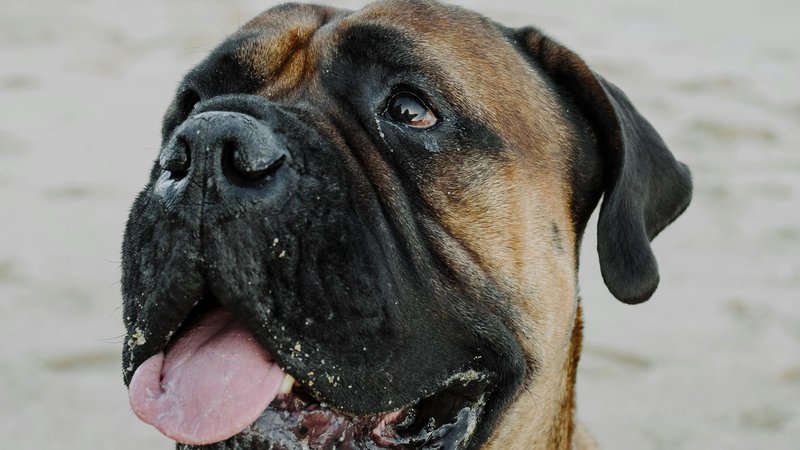
The Bullmastiff is a gentle giant with a surprisingly laid-back personality for such an imposing breed. Originally bred as a guard dog, it is confident and self-assured — meaning it doesn’t panic when left alone. It spends much of its day resting and is content in a quiet home. Its shorter lifespan of 7–9 years is something owners should factor into their long-term commitment.
- Key Specs: Large, 100–130 lbs, lifespan 7–9 years
- Pros: Calm, confident, low energy indoors
- Cons: Drools heavily, shorter lifespan, needs space
4. Chihuahua
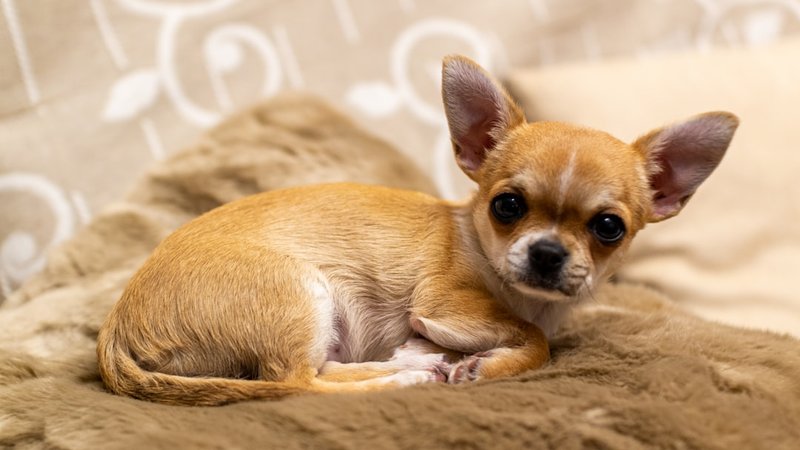
Chihuahuas have a reputation for being feisty, but they are also remarkably adaptable to apartment living and solo time when properly trained. They form strong bonds with one person and can become anxious if not socialized early, but a well-adjusted Chihuahua is perfectly happy curled up in a warm spot all day. It’s worth understanding why small dogs can seem aggressive — it’s often a training issue, not a breed flaw.
- Key Specs: Toy size, under 6 lbs, lifespan 14–16 years
- Pros: Small, low exercise needs, long-lived
- Cons: Prone to anxiety if unsocialized, can be yappy
5. Basset Hound
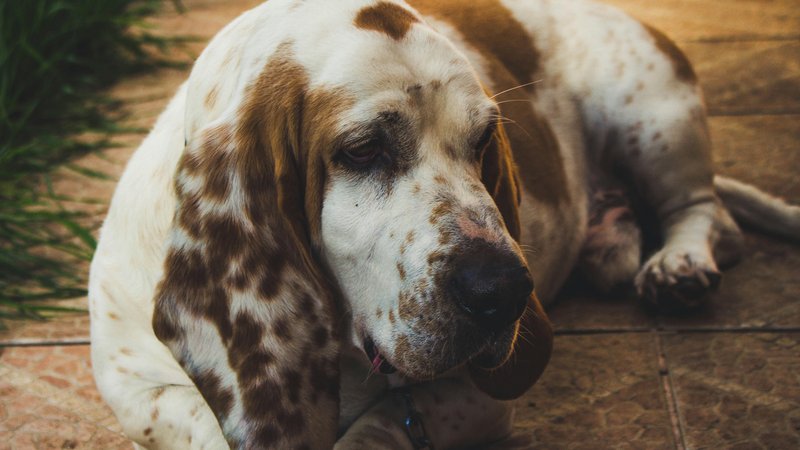
The Basset Hound is one of the most easygoing dogs you’ll ever meet. Built for slow, methodical tracking rather than speed, this breed is content to lounge for hours on end. It has a mellow temperament and rarely becomes destructive when left alone, provided it gets a decent walk beforehand. Its droopy eyes and low-key attitude make it a favorite for calm households.
- Key Specs: Medium, 40–65 lbs, lifespan 12–13 years
- Pros: Calm, gentle, low energy, great with families
- Cons: Can howl, prone to obesity, stubborn on leash
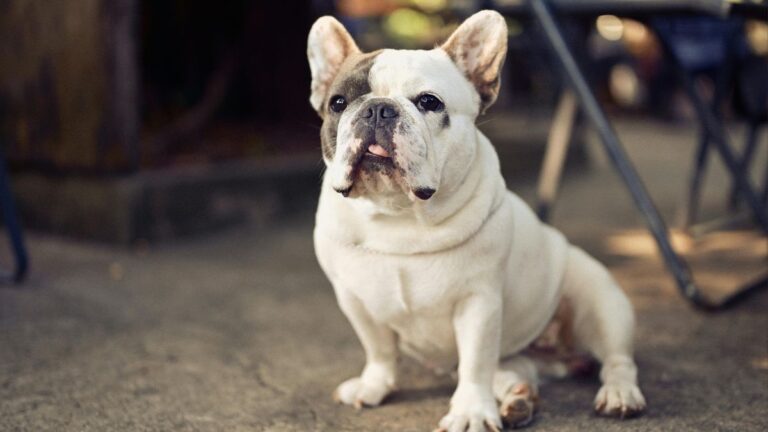
6. French Bulldog
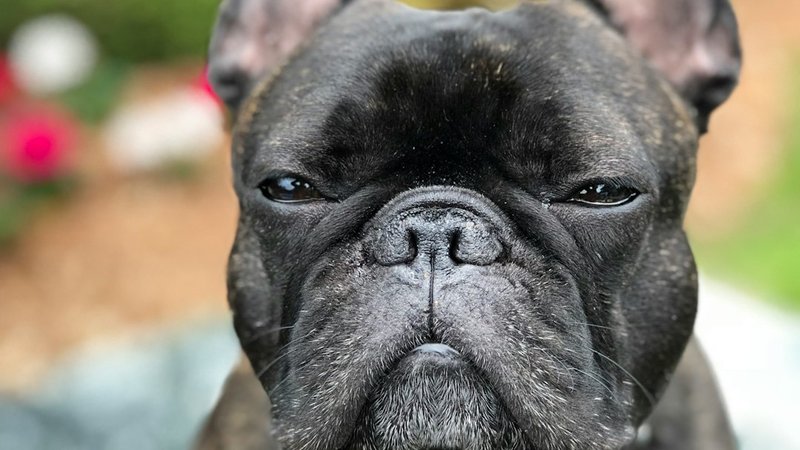
The French Bulldog has become a top pick for urban professionals precisely because of its adaptable, low-maintenance nature. It doesn’t require intense exercise and is generally content to relax while you’re at work. As detailed in this breakdown of why the French Bulldog suits busy professionals, its temperament is uniquely suited to modern working schedules. Watch for breathing issues in hot weather.
- Key Specs: Small, 20–28 lbs, lifespan 10–12 years
- Pros: Adaptable, quiet, affectionate, apartment-friendly
- Cons: Brachycephalic health risks, can be gassy, expensive vet bills
7. Maltese
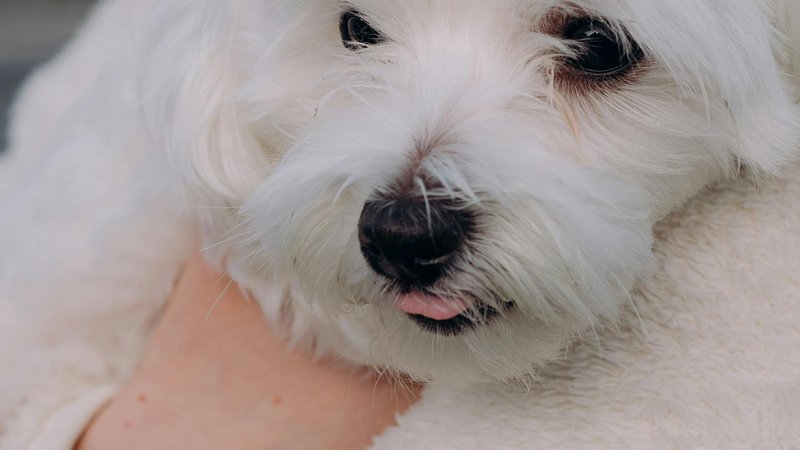
The Maltese is a small, silky-coated breed that adapts well to being home alone when given proper training and enrichment. While it loves attention, a well-socialized Maltese can self-entertain with toys and is not prone to destructive behavior. Its low-shedding coat is a bonus for clean households. Regular grooming is essential to prevent matting in that beautiful white coat.
- Key Specs: Toy size, under 7 lbs, lifespan 12–15 years
- Pros: Low shedding, gentle, compact size
- Cons: High grooming needs, can develop separation anxiety without training
8. Greyhound
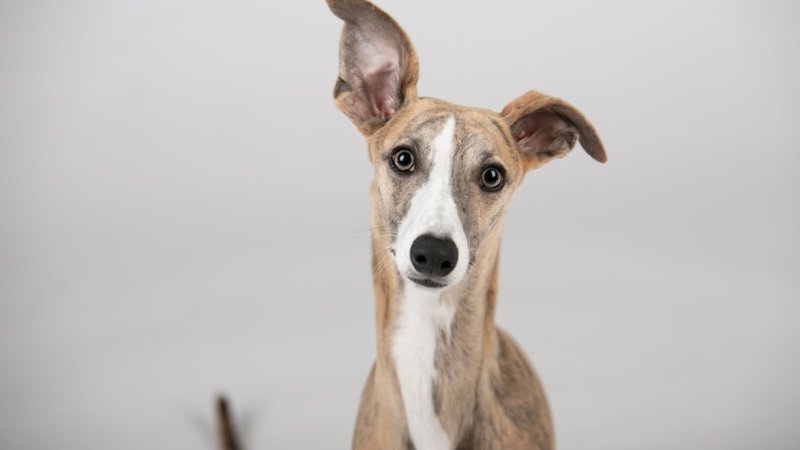
Greyhounds are the world’s fastest dogs, yet they are also world-class nappers. Despite their athletic build, they are surprisingly low-energy indoors and spend the majority of their day sleeping. Retired racing Greyhounds make especially calm companions and adapt well to quiet homes. A fenced yard is important since their prey drive can kick in suddenly outdoors.
- Key Specs: Large, 60–70 lbs, lifespan 10–13 years
- Pros: Calm indoors, low maintenance coat, gentle temperament
- Cons: High prey drive, needs secure fencing, sensitive to cold
9. Chinese Shar-Pei
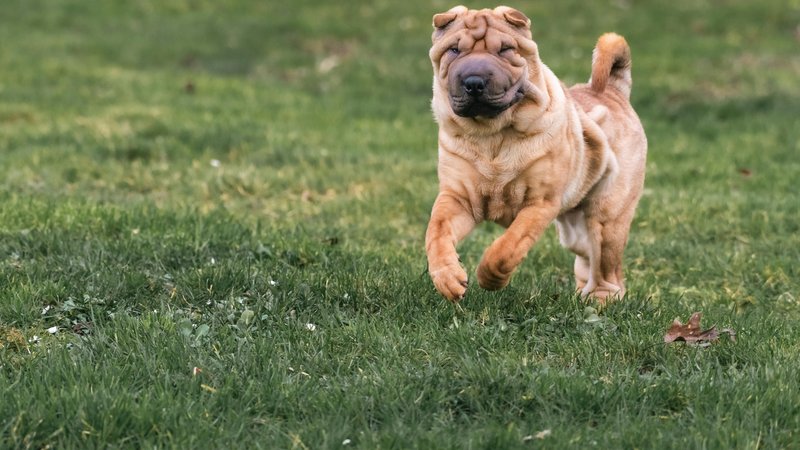
The Chinese Shar-Pei is a deeply loyal but independent breed that handles solitude with dignity. It was bred as a guard and hunting dog in China, giving it a self-sufficient confidence that doesn’t crumble when left alone. It is not overly demonstrative with affection, which means it won’t pine for you all day. Early training is essential to manage its natural stubbornness.
- Key Specs: Medium, 45–60 lbs, lifespan 8–12 years
- Pros: Independent, calm, devoted to family
- Cons: Prone to skin and eye issues, can be stubborn, needs early socialization
10. Dachshund

Dachshunds are curious and spirited little dogs that can do well alone when given enough mental stimulation before you leave. Their hunting instincts mean they love sniffing out hidden treats, making puzzle toys an ideal enrichment tool. They can be stubborn during training, but their moderate size and adaptability make them a popular choice for working owners in smaller homes or apartments.
- Key Specs: Small, 8–32 lbs depending on variety, lifespan 12–16 years
- Pros: Adaptable, long-lived, entertaining personality
- Cons: Prone to back problems, can be vocal, stubborn
11. Scottish Terrier
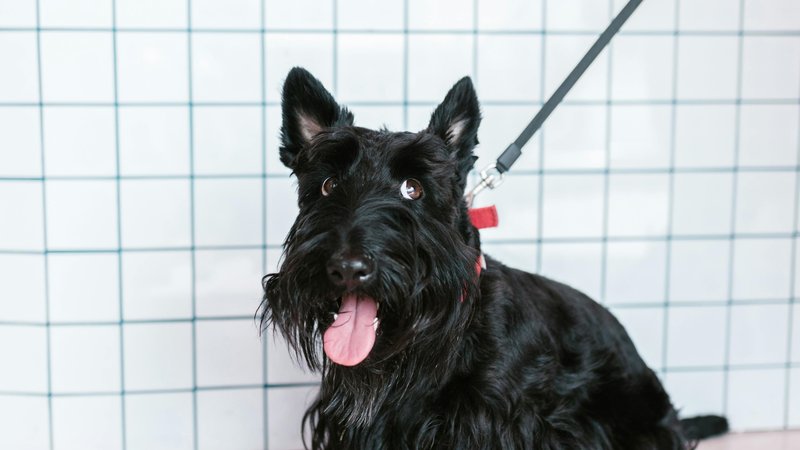
The Scottish Terrier, or “Scottie,” is famously independent and dignified. It doesn’t need constant reassurance and is comfortable spending time on its own. Its bold personality means it won’t wilt under pressure, but it does require firm, consistent training from an early age. The Scottie’s compact size makes it ideal for apartment dwellers who work full-time schedules.
- Key Specs: Small, 18–22 lbs, lifespan 11–13 years
- Pros: Independent, sturdy, low shedding
- Cons: Stubborn, can be territorial, requires regular grooming
12. English Foxhound
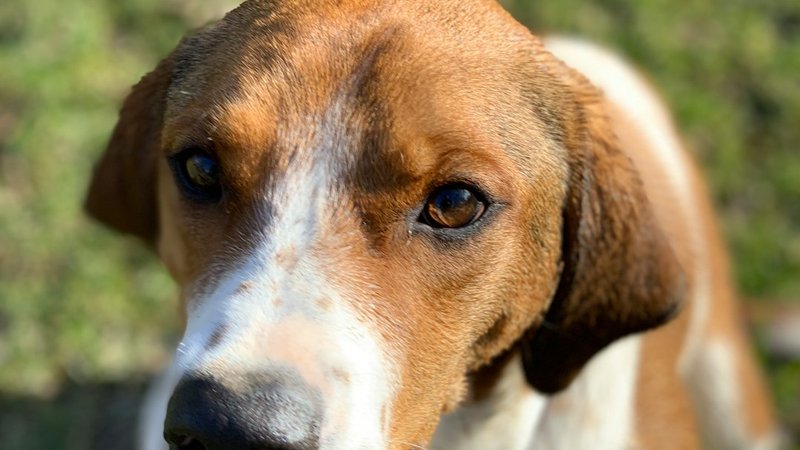
The English Foxhound is a pack dog by nature, which means it is socially adaptable and doesn’t tend toward the anxious, clingy behavior seen in more people-dependent breeds. It is even-tempered and sturdy, capable of entertaining itself during quiet periods. That said, it does have significant stamina and needs vigorous exercise to avoid restlessness. A tired Foxhound is a well-behaved Foxhound.
- Key Specs: Medium to large, 60–75 lbs, lifespan 10–13 years
- Pros: Even-tempered, social, hardy constitution
- Cons: High exercise needs, loud bay, needs secure fencing
13. Shiba Inu
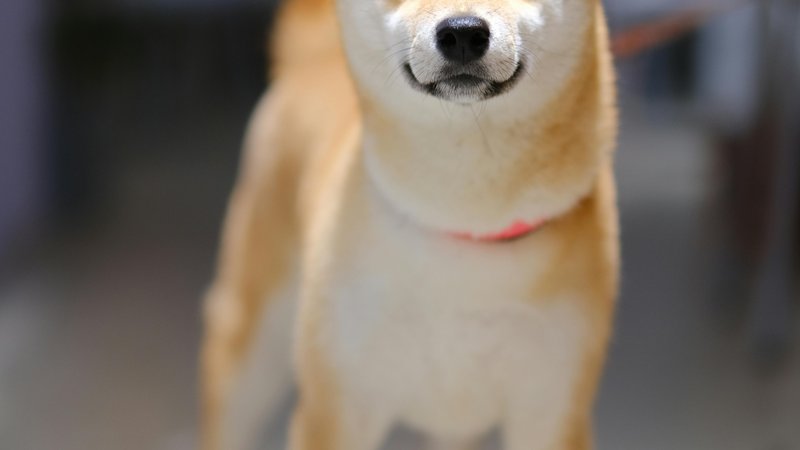
The Shiba Inu is a Japanese breed with a cat-like independence that makes it one of the better choices for owners who are away during the day. It is clean, quiet, and self-sufficient, rarely seeking constant affirmation from its owners. While it forms strong bonds, it doesn’t dissolve into anxiety when left alone. It does require a securely fenced yard due to its strong prey drive and escape tendencies.
- Key Specs: Small to medium, 17–23 lbs, lifespan 13–16 years
- Pros: Clean, independent, low odor, long-lived
- Cons: Escape artist, high prey drive, can be stubborn
14. Akita
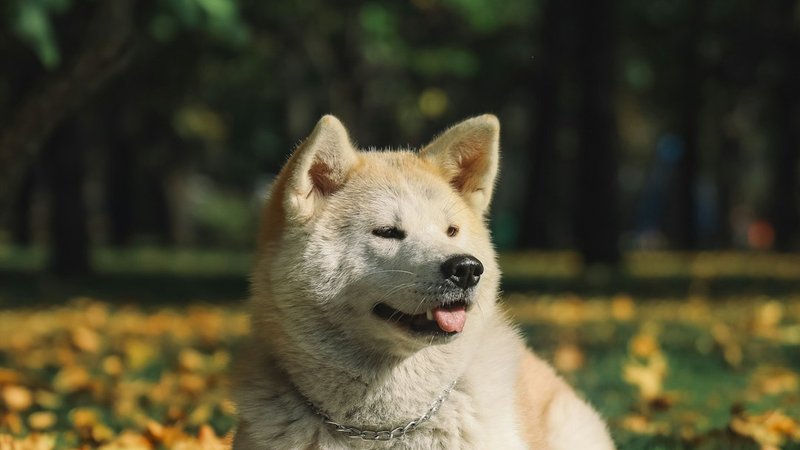
The Akita is a powerful, dignified breed with deep roots in Japanese culture. It is fiercely loyal to its family but is also notably independent — traits that allow it to handle alone time without significant distress. It is naturally quiet and reserved, which is ideal for neighbors in shared living spaces. Proper socialization from puppyhood is non-negotiable for this breed’s safe development.
- Key Specs: Large, 70–130 lbs, lifespan 10–13 years
- Pros: Calm, loyal, naturally clean, quiet
- Cons: Can be dog-aggressive, requires firm handling, heavy shedding seasons
15. Alaskan Malamute
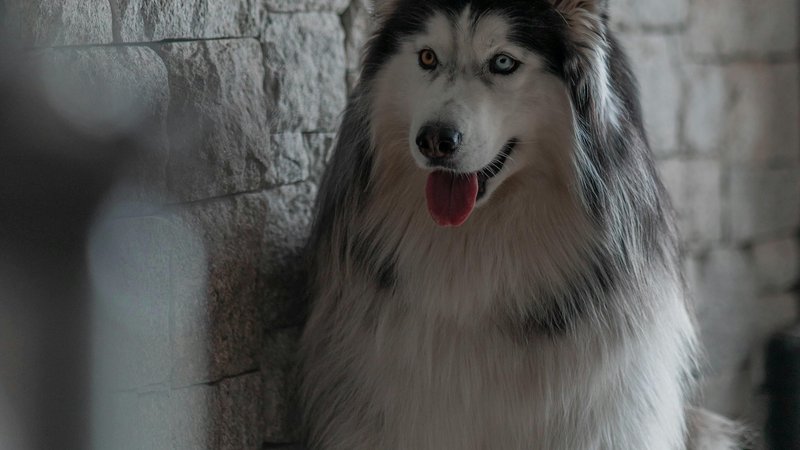
The Alaskan Malamute is a working sled dog with impressive endurance and an independent streak. While it is affectionate with family, it doesn’t have the velcro-dog neediness of some other large breeds. It can handle alone time reasonably well as long as it receives substantial exercise. Note that a bored, under-exercised Malamute is a different story entirely — destructive behavior can follow quickly without proper outlets.
- Key Specs: Large, 75–85 lbs, lifespan 10–14 years
- Pros: Independent, resilient, loyal
- Cons: Heavy shedder, needs intense exercise, can be destructive if bored
16. Whippet
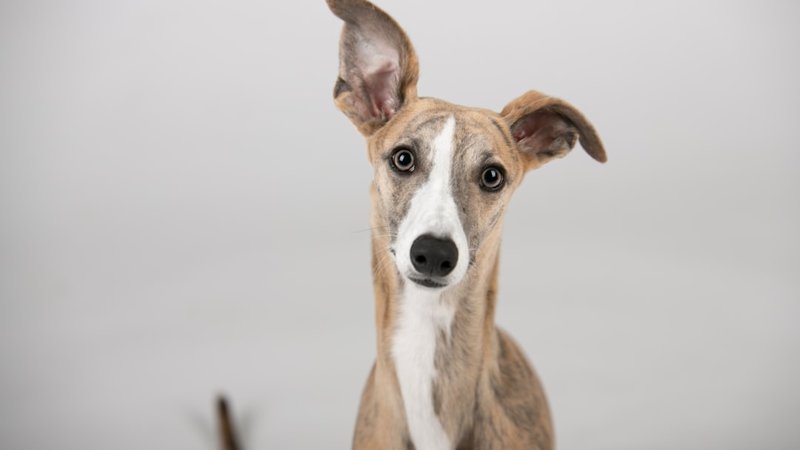
The Whippet shares the Greyhound’s love of sprinting and sleeping in equal measure. After a good morning run or play session, a Whippet will happily spend the rest of the day curled up on the sofa. It is gentle, quiet, and rarely destructive indoors. Its short coat requires minimal grooming, and its moderate size makes it suitable for a range of living situations, including apartments with nearby parks.
- Key Specs: Medium, 25–40 lbs, lifespan 12–15 years
- Pros: Quiet, gentle, low grooming needs, calm indoors
- Cons: Sensitive to cold, high prey drive, needs a fenced area to run
17. Pug
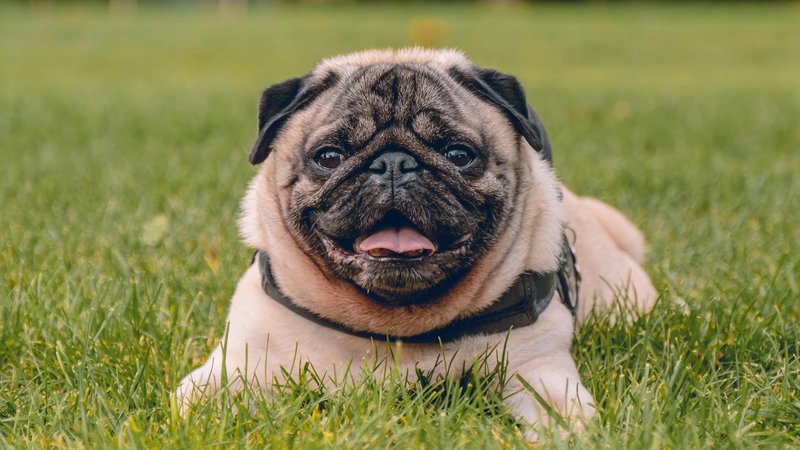
Pugs are sociable little dogs that adapt well to a range of living situations, including homes where owners work during the day. They are not high-energy and are perfectly content to sleep on a comfortable dog bed until you return. Their charming, clownish personality makes them a joy to come home to. Always ensure your home is cool, as Pugs are sensitive to heat due to their flat faces.
- Key Specs: Small, 14–18 lbs, lifespan 13–15 years
- Pros: Low energy, adaptable, affectionate, apartment-friendly
- Cons: Breathing issues, heat sensitivity, prone to obesity
18. Boston Terrier
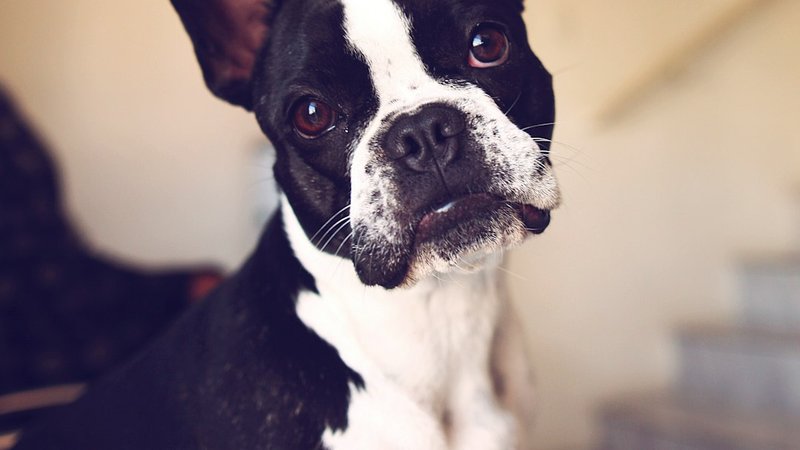
The Boston Terrier is a compact, intelligent breed that handles alone time better than many small dogs. It is not overly demanding and can entertain itself with toys when properly enriched. Its moderate energy level means a morning walk is usually enough to keep it settled during the day. Knowing how often to bathe your dog is especially relevant for this breed, as its short coat is easy to maintain with minimal effort.
- Key Specs: Small, 12–25 lbs, lifespan 11–13 years
- Pros: Intelligent, low shedding, adaptable, friendly
- Cons: Brachycephalic issues, can be gassy, sensitive to temperature extremes
19. Miniature Schnauzer
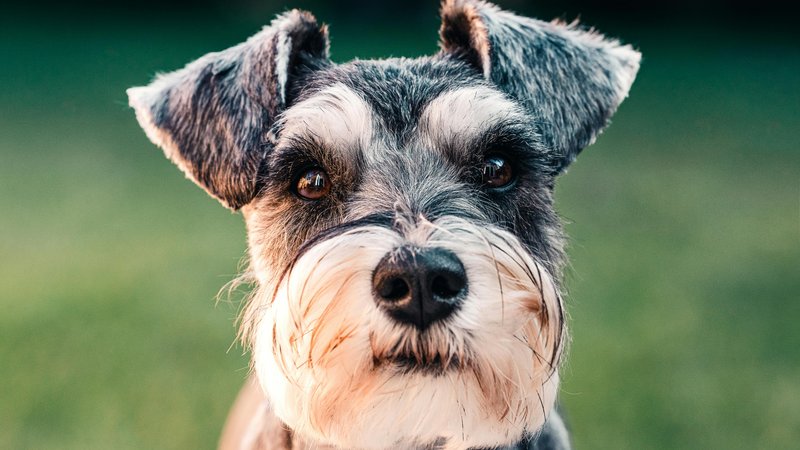
The Miniature Schnauzer is a spirited, intelligent terrier-type dog that handles solitude well when given enough mental stimulation. It is alert without being hyperactive and tends to settle once its morning exercise needs are met. Its low-shedding coat is a practical bonus for busy owners. This breed thrives with puzzle toys and treat-dispensing games that keep its sharp mind engaged during quiet hours at home.
- Key Specs: Small, 11–20 lbs, lifespan 12–15 years
- Pros: Low shedding, intelligent, adaptable, good watchdog
- Cons: Can be vocal, requires regular grooming, strong prey drive
20. Afghan Hound
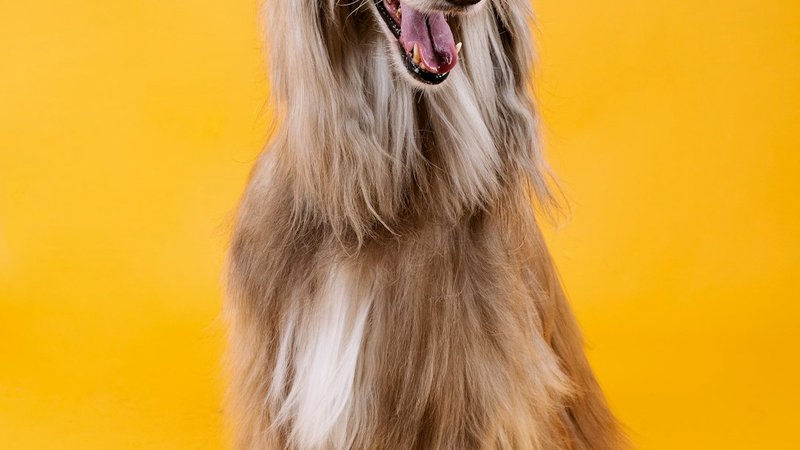
The Afghan Hound is one of the most ancient and aristocratic breeds in the world, known for its aloof, independent temperament. Much like the Labradoodle, which is celebrated for its adaptable personality, the Afghan’s calm self-sufficiency makes it a surprisingly manageable solo-time dog. It is not needy or clingy and will spend your absence in quiet, regal repose. Its luxurious coat, however, demands significant grooming commitment.
- Key Specs: Large, 50–60 lbs, lifespan 12–14 years
- Pros: Independent, calm, elegant, quiet
- Cons: Extremely high grooming needs, high prey drive, stubborn to train
Whether you’re a single professional or part of a busy household, the right breed can make dog ownership genuinely joyful even with a demanding schedule. If you’re also weighing which breeds work best for specific living situations, the guide on top dog breeds for single living is a worthwhile read before making your final decision.