17 Airlines That Allow Cats in Cabin: Complete 2026 Guide
Planning to bring your feline companion on your next flight? You are not alone. More travelers than ever are choosing to keep their cats close rather than checking them as cargo, and the good news is that dozens of carriers now accommodate in-cabin pet travel. Whether you are booking a quick domestic hop or a longer international journey, knowing exactly which airlines allow cats in the cabin — and what each one requires — can save you serious stress at the gate.
Before you book, it is worth understanding that not every cat is a natural traveler. As veterinary research notes, some cats prefer being close to their owners at all times, while others may struggle with the sensory overload of a busy passenger terminal or an in-flight environment. Taking time to assess your individual cat’s temperament — and choosing a carrier with strong animal-handling standards — makes a meaningful difference. For travelers comparing costs across carriers, a helpful breakdown of airline fees and policies can guide your decision. Read on for the full breakdown of all 17 airlines that allow cats in cabin.
1. Alaska Airlines
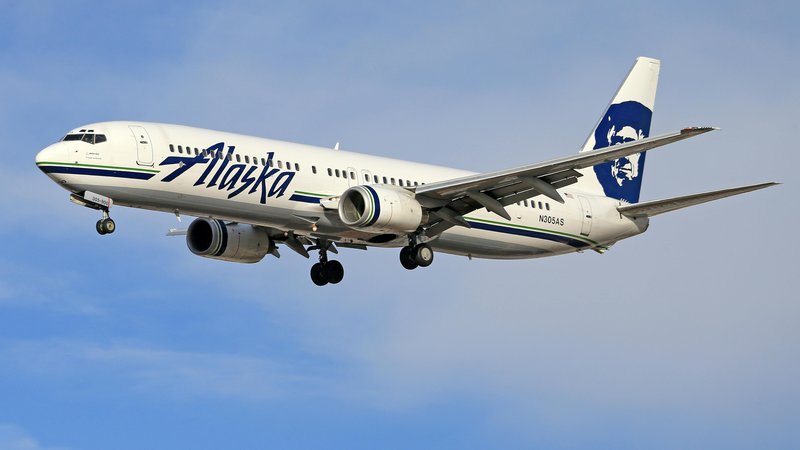
Alaska Airlines is one of the most consistently pet-friendly domestic carriers, welcoming cats in the cabin on most flights within the United States, Canada, and Mexico. The airline has a straightforward booking process and accepts soft-sided carriers that fit under the seat in front of you.
- Key Specs: In-cabin pet fee around $100 each way; carrier must fit under the seat; one pet per passenger
- Pros: Broad domestic route network; clear pet policy; allows travel to Canada and Mexico
- Cons: Not available on all flights; advance reservation required; no international routes beyond North America
2. American Airlines
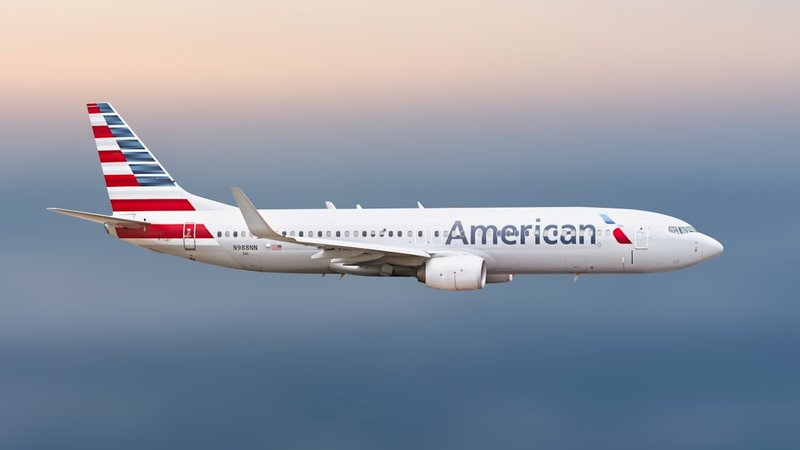
American Airlines permits cats to travel in the cabin on domestic flights and select short-haul international routes. As one of the six major full-service carriers analyzed for fee structures, American offers a relatively predictable pet fee policy compared to budget alternatives.
- Key Specs: In-cabin fee approximately $125 each way; soft-sided carrier required; combined pet and carrier weight limit applies
- Pros: Extensive domestic network; well-established pet policy; allows travel to select Caribbean and Latin American destinations
- Cons: Not permitted on transatlantic or transpacific flights; limited cabin spots per flight
3. Delta Air Lines
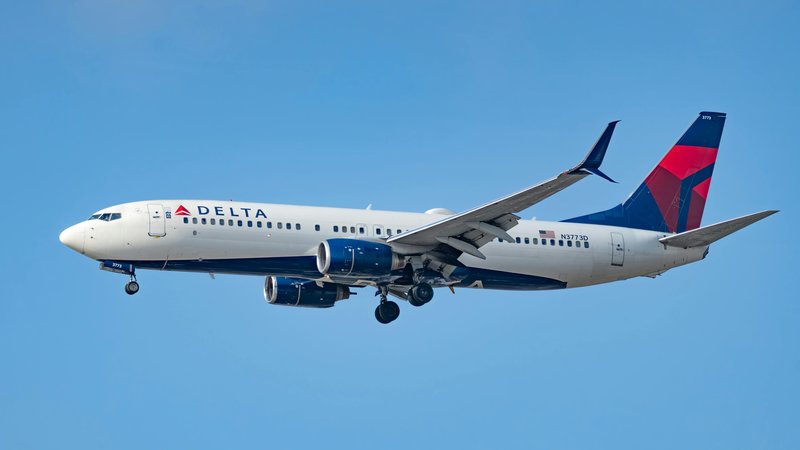
Delta Air Lines allows cats to travel in-cabin on domestic U.S. flights and select international routes. Delta is known for clear communication around its pet program and has a dedicated section of its website outlining carrier dimensions and health requirements for traveling cats.
- Key Specs: In-cabin pet fee around $95–$125 each way; soft-sided carrier must fit under the seat; maximum of one pet per passenger
- Pros: Large domestic network; transparent pet guidelines; allows travel to some international destinations
- Cons: Not permitted on all international routes; spots are limited and fill quickly
4. United Airlines
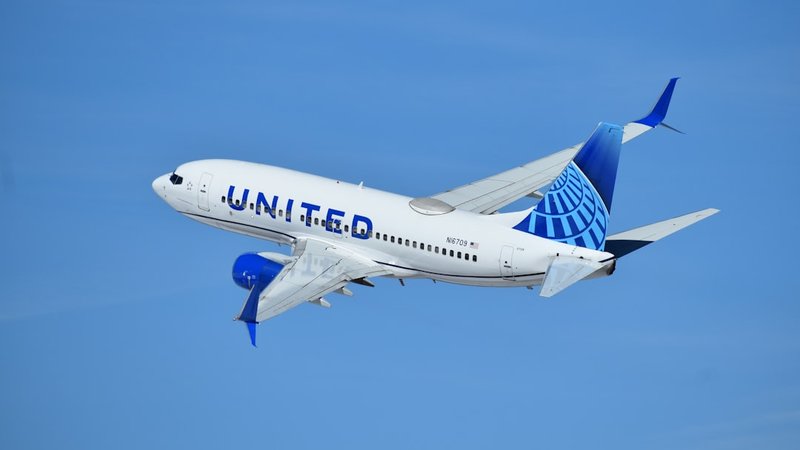
United Airlines accepts cats in the cabin through its PetSafe program on eligible domestic and select international routes. United is among the carriers where comparing checked bag and seat fees alongside pet fees gives the clearest picture of total travel costs.
- Key Specs: In-cabin fee approximately $125 each way; soft-sided carrier required; carrier must fit under the seat
- Pros: Extensive hub network; established pet program; allows pets on select international routes
- Cons: Not available on all flights; advance reservation essential; some routes exclude pets entirely
5. JetBlue Airways
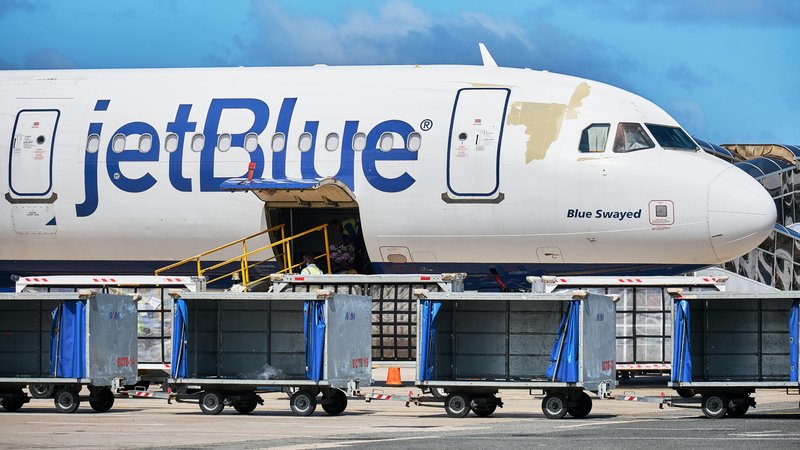
JetBlue’s JetPaws program is one of the more traveler-friendly in-cabin pet options among U.S. carriers. Cats are welcome in the cabin on most JetBlue flights, and the airline provides clear guidance on carrier requirements and health documentation needed before travel.
- Key Specs: In-cabin pet fee around $125 each way; soft-sided carrier required; one pet per passenger permitted
- Pros: Dedicated JetPaws program; friendly cabin crew policies; good route coverage along the East Coast and Caribbean
- Cons: Limited international pet routes; cabin spots are capped per flight
6. Southwest Airlines

Southwest Airlines allows cats to travel in the cabin on domestic flights only. Southwest’s pet policy is straightforward, and the airline is frequently praised by pet owners for its no-frills but reliable approach to in-cabin animal travel. Booking your pet’s spot early is strongly advised.
- Key Specs: In-cabin pet fee around $95–$125 each way; soft-sided carrier required; domestic routes only
- Pros: Competitive pet fee; simple booking process; no international pet route complexity
- Cons: Domestic U.S. only; limited cabin spots per flight; no international travel with pets in cabin
7. Frontier Airlines
Frontier Airlines is a budget carrier that still makes room for cats in the cabin on domestic routes. While Frontier’s base fares are low, travelers should factor in the pet fee when calculating total costs. The airline requires a soft-sided carrier that fits comfortably under the seat.
- Key Specs: In-cabin pet fee around $99 each way; soft-sided carrier required; domestic routes only
- Pros: Affordable base fares; accepts cats on most domestic routes; straightforward pet policy
- Cons: Domestic only; limited cabin spots; no frills customer service experience
8. Spirit Airlines
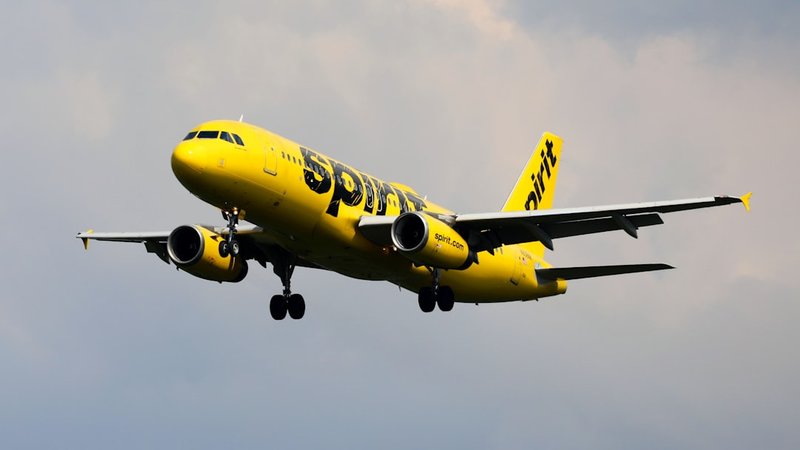
Spirit Airlines permits cats in the cabin on domestic and select international routes, including flights to Latin America and the Caribbean. Spirit’s ultra-low-cost model means the pet fee can represent a significant portion of your total ticket cost, so budgeting carefully is important.
- Key Specs: In-cabin pet fee around $110 each way; soft-sided carrier required; carrier must fit under the seat
- Pros: Covers some international routes; accepts cats in cabin; budget-friendly base fares
- Cons: Pet fee adds up quickly on a budget carrier; limited cabin spots; minimal customer service support
9. Air Canada
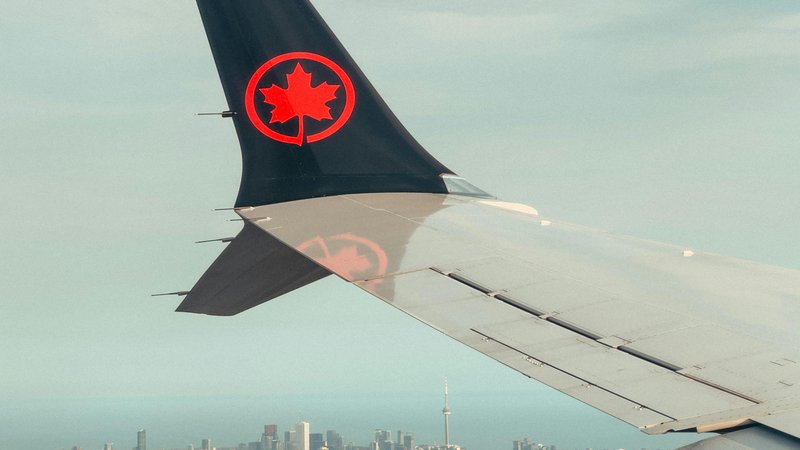
Air Canada is the top choice for travelers flying between the U.S. and Canada with a cat in tow. The airline accepts cats in the cabin on most domestic Canadian and transborder routes. For international travel documentation requirements, always check with USDA APHIS pet travel guidelines before departure.
- Key Specs: In-cabin pet fee varies by route; soft-sided carrier required; combined weight limit typically 10 kg (22 lbs)
- Pros: Excellent for U.S.-Canada travel; well-structured pet policy; broad Canadian domestic network
- Cons: Not available on all international routes; fees vary significantly by route; health certificate required
10. WestJet
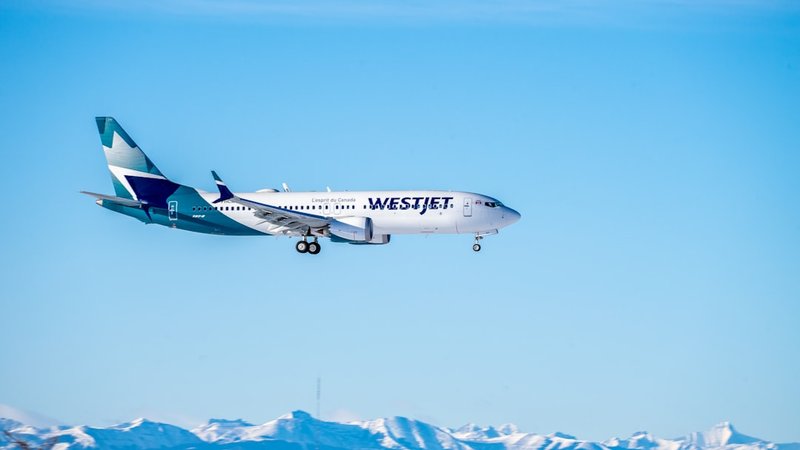
WestJet is a strong option for Canadian domestic travel and select transborder routes with a cat. The airline has a clearly defined in-cabin pet program and is a popular choice among Canadian pet owners who want to keep their cats close during shorter flights. Check USDA APHIS for cross-border health documentation needs.
- Key Specs: In-cabin pet fee around CAD $50–$100 each way; soft-sided carrier required; weight limits apply
- Pros: Good Canadian domestic coverage; competitive pet fees; friendly in-cabin pet experience
- Cons: Limited international pet routes; advance booking required; health certificate may be needed
11. Hawaiian Airlines
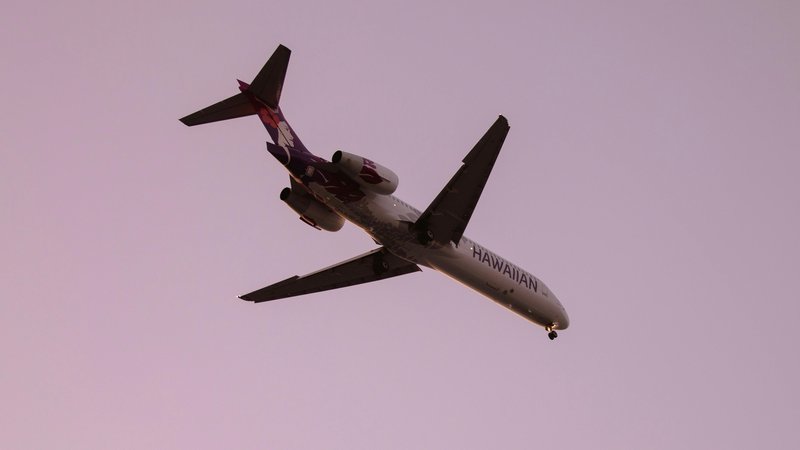
Hawaiian Airlines allows cats to travel in the cabin on interisland flights within Hawaii. However, traveling to or from the U.S. mainland with a cat involves Hawaii’s strict quarantine regulations, which can be a significant logistical hurdle. Always verify current state requirements well in advance of booking. For more on navigating new pet airline regulations, our detailed guide covers the fine print.
- Key Specs: In-cabin pet fee applies on interisland routes; soft-sided carrier required; Hawaii quarantine rules apply for mainland travel
- Pros: Convenient for interisland cat travel; clear in-cabin pet policy for eligible routes
- Cons: Hawaii’s quarantine rules make mainland-to-Hawaii cat travel very complex; limited route applicability
12. Allegiant Air
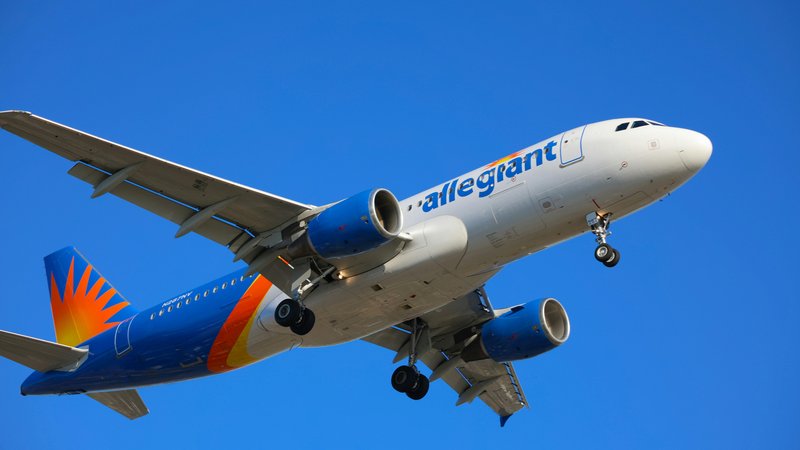
Allegiant Air accepts cats in the cabin on its domestic leisure routes. As an ultra-low-cost carrier focused on vacation destinations, Allegiant’s pet policy is functional but no-frills. The airline’s limited route network means it works best for travelers whose destination happens to be served by Allegiant.
- Key Specs: In-cabin pet fee around $100 each way; soft-sided carrier required; domestic routes only
- Pros: Accepts cats in cabin; budget-friendly base fares; good for leisure destination travel
- Cons: Limited route network; domestic only; minimal pet-specific support at airports
13. Sun Country Airlines
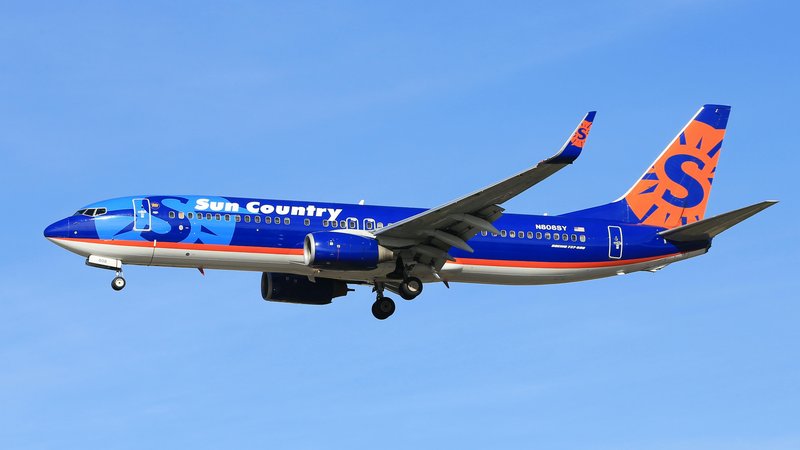
Sun Country Airlines is a Minnesota-based leisure carrier that permits cats in the cabin on its domestic routes. While smaller than the major carriers, Sun Country offers a straightforward pet policy and is a solid option for Midwest travelers who want to bring their cats along on shorter domestic trips.
- Key Specs: In-cabin pet fee around $100 each way; soft-sided carrier required; domestic routes only
- Pros: Clear pet policy; good for Midwest travelers; accepts cats in cabin on eligible routes
- Cons: Limited national route network; domestic only; fewer flight frequency options
14. Breeze Airways
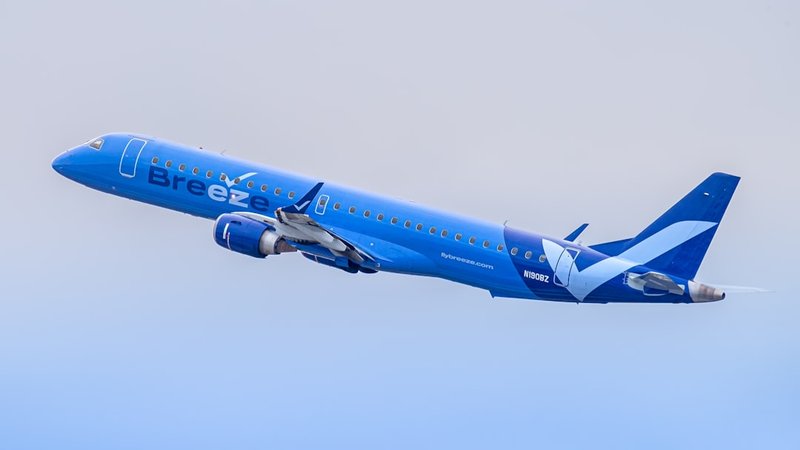
Breeze Airways, one of the newer U.S. carriers, allows cats in the cabin on domestic routes. Breeze has positioned itself as a traveler-friendly airline and its pet policy reflects that approach. The airline serves a growing number of secondary markets, making it a useful option for cat owners in underserved cities.
- Key Specs: In-cabin pet fee applies; soft-sided carrier required; domestic routes only
- Pros: Growing route network; traveler-friendly policies; good for secondary market destinations
- Cons: Newer carrier with evolving policies; domestic only; fewer flights per route than major carriers
15. Air France
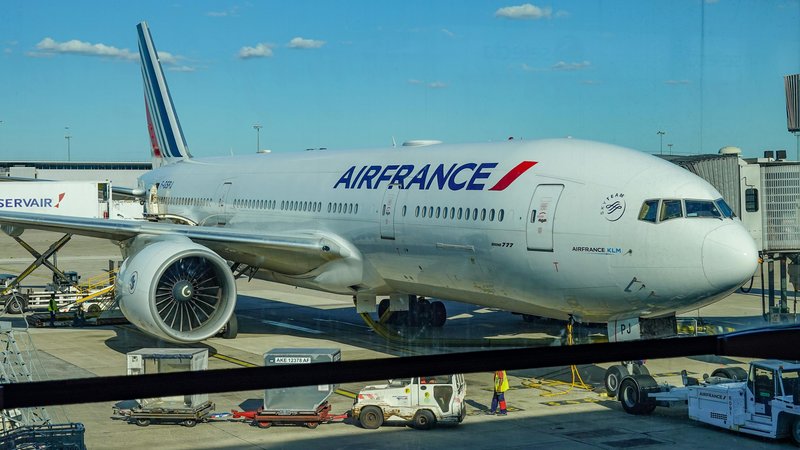
Air France is one of the few major international carriers that allows cats to travel in the cabin on both European and select long-haul routes, provided the combined weight of cat and carrier does not exceed 8 kg (about 17.6 lbs). International travelers should consult CDC importation guidelines and confirm EU entry requirements well ahead of travel.
- Key Specs: In-cabin pet fee varies; combined cat and carrier weight limit of 8 kg; soft-sided carrier required
- Pros: Allows in-cabin cats on international routes; extensive European and global network; established pet travel program
- Cons: Strict weight limits; complex international documentation required; fees can be higher than domestic carriers
16. British Airways
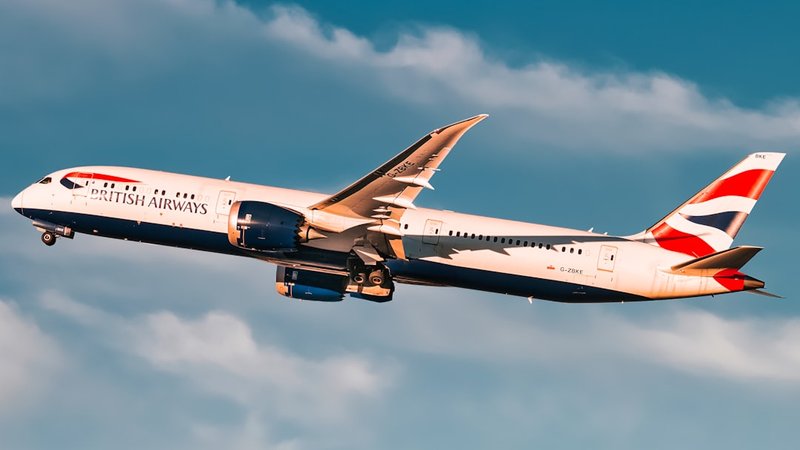
British Airways does not currently allow pets in the passenger cabin on most routes, with the exception of recognized assistance animals. However, cats can travel as accompanied baggage or cargo on eligible routes. Travelers planning international journeys should also review CDC import form instructions for any connecting U.S. legs.
- Key Specs: In-cabin travel not available for cats; cargo and accompanied baggage options exist; UK and EU entry rules apply
- Pros: Extensive global network; reliable cargo pet program; strong safety standards
- Cons: No in-cabin cat travel; cargo travel carries additional stress risks for cats; complex international documentation
17. Lufthansa
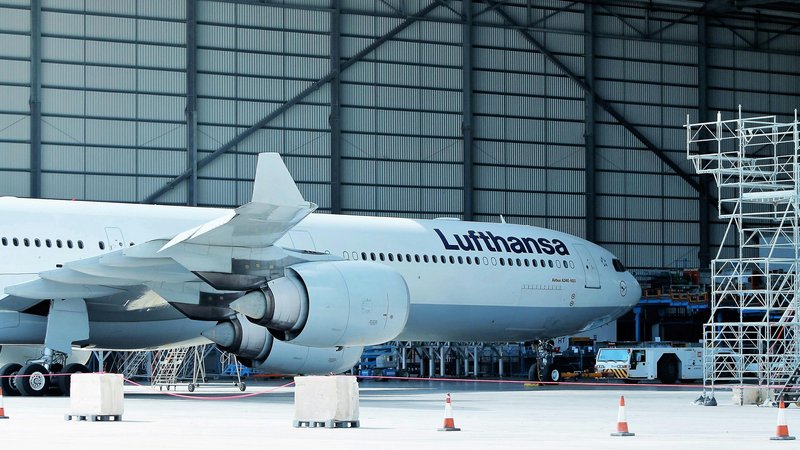
Lufthansa allows small cats to travel in the cabin on flights within Europe, with a combined weight limit of 8 kg (approximately 17.6 lbs) for cat and carrier together. On long-haul intercontinental routes, cats typically travel in the hold. For those also traveling with other species, our guide on flying with reptiles or birds covers what to expect beyond standard pet policies.
- Key Specs: In-cabin pet allowed on European routes; combined weight limit 8 kg; fee varies by route
- Pros: In-cabin option available within Europe; reputable carrier with strong safety record; broad European network
- Cons: Long-haul routes require hold travel; strict weight limits; thorough documentation required for international entry
In-Cabin Pet Travel Fees and Pricing Comparison
Pet travel fees vary considerably across carriers. Among the six major full-service U.S. airlines — Alaska, American, Delta, JetBlue, Southwest, and United — in-cabin pet fees typically range from $95 to $125 each way. Budget carriers like Frontier and Spirit tend to price pet fees in a similar range, though the fee represents a larger proportion of the total ticket cost on a low base fare. Always confirm the current fee directly with the airline before booking, as pricing can change.
Carrier Size and Weight Restrictions by Airline
Every airline sets its own carrier dimension and weight limits. Most domestic U.S. carriers require a soft-sided carrier that fits under the seat in front of you, typically within dimensions of around 17–18 inches long, 11 inches wide, and 9–11 inches tall. International carriers like Air France and Lufthansa impose a combined cat-and-carrier weight cap of 8 kg (17.6 lbs). Always measure your carrier and weigh your cat before travel to avoid surprises at check-in.
Health Certificates and Vaccination Requirements
Most airlines require a health certificate issued by a licensed veterinarian within 10 days of travel. Some international destinations have additional vaccination requirements, including rabies vaccination records. For travel involving the United States, the USDA APHIS pet travel portal is the authoritative source for current health documentation requirements by country. Always schedule your vet visit well in advance of your departure date.
Pet Anxiety Management and Stress Reduction During Flight
Not every cat handles air travel well. Veterinary guidance emphasizes the importance of assessing each cat individually, as some may experience significant stress from the noise, vibration, and unfamiliar smells of an airport and aircraft. Strategies to reduce anxiety include acclimating your cat to the carrier weeks before travel, using pheromone sprays, and consulting your vet about whether a mild calming supplement is appropriate. Never administer sedatives without veterinary approval.
Booking Procedures and Reservation Guidelines for Cat Travel
Most airlines limit the number of in-cabin pets per flight, typically to four to six total across all passengers. This means reserving your cat’s spot as early as possible — ideally at the same time you book your own ticket — is essential. Reservations are usually made by phone or through the airline’s website pet travel section. Confirm your pet reservation 24–48 hours before departure and arrive at the airport with extra time to complete check-in formalities.
Airport Check-In Process and Pet Relief Areas
When traveling with a cat, plan to check in at the ticket counter rather than using a self-service kiosk, as most airlines require staff to verify your carrier dimensions and documentation. Many major airports now feature designated pet relief areas both before and after security. Allowing your cat a brief opportunity to use a travel litter pad before boarding can reduce discomfort during the flight. Keep your cat inside the carrier at all times in the terminal unless in a designated relief area.
International Pet Travel Documentation and Requirements
International travel with a cat involves significantly more paperwork than domestic trips. Requirements vary by destination country and can include health certificates, rabies titer tests, microchip verification, and import permits. The USDA APHIS website provides country-specific guidance for travel from the U.S. Travelers entering or returning to the United States should also review CDC importation requirements, particularly if your itinerary includes a layover in a country with active disease concerns. For context on screwworm-related travel restrictions affecting some routes, the USDA APHIS screwworm page provides current updates.
CEIV-Accredited Airlines for Safe Animal Transportation
The Centre of Excellence for Independent Validators (CEIV) Live Animals Logistics accreditation establishes baseline standards for the competency, infrastructure, and quality management involved in transporting live animals. As veterinary experts recommend, choosing a CEIV-accredited airline where possible provides an additional layer of assurance that your cat will be handled according to established welfare standards. An increasing number of airlines are pursuing this accreditation, so it is worth checking a carrier’s current status before booking, especially for cargo or hold travel.
Microchipping and Identification Standards Across Carriers
While microchipping is not universally mandated for domestic U.S. cat travel, it is strongly recommended and required by many international destinations. The ISO 11784/11785 standard 15-digit microchip is the internationally recognized format. In addition to microchipping, attach a secure ID tag to your cat’s collar and place a label with your contact information inside and outside the carrier. Some airlines may ask to verify your cat’s identification as part of the check-in process. If you are curious about broader travel trends for pets, our piece on how people are traveling with animals in 2026 offers additional perspective.
Soft-Sided vs. Hard-Sided Carrier Specifications by Airline
The vast majority of airlines that allow cats in the cabin require a soft-sided carrier, as these conform more easily to the under-seat space available on most aircraft. Hard-sided carriers are generally not permitted in the cabin but may be acceptable for cargo travel. When selecting a soft-sided carrier, look for one with mesh ventilation panels on at least two sides, a waterproof base, and secure zipper closures. Always verify your specific carrier’s dimensions against the airline’s published requirements before your travel date. For a broader look at how real cat and dog owners rank their in-cabin experiences, our pet-friendly airline rankings provide firsthand insight.