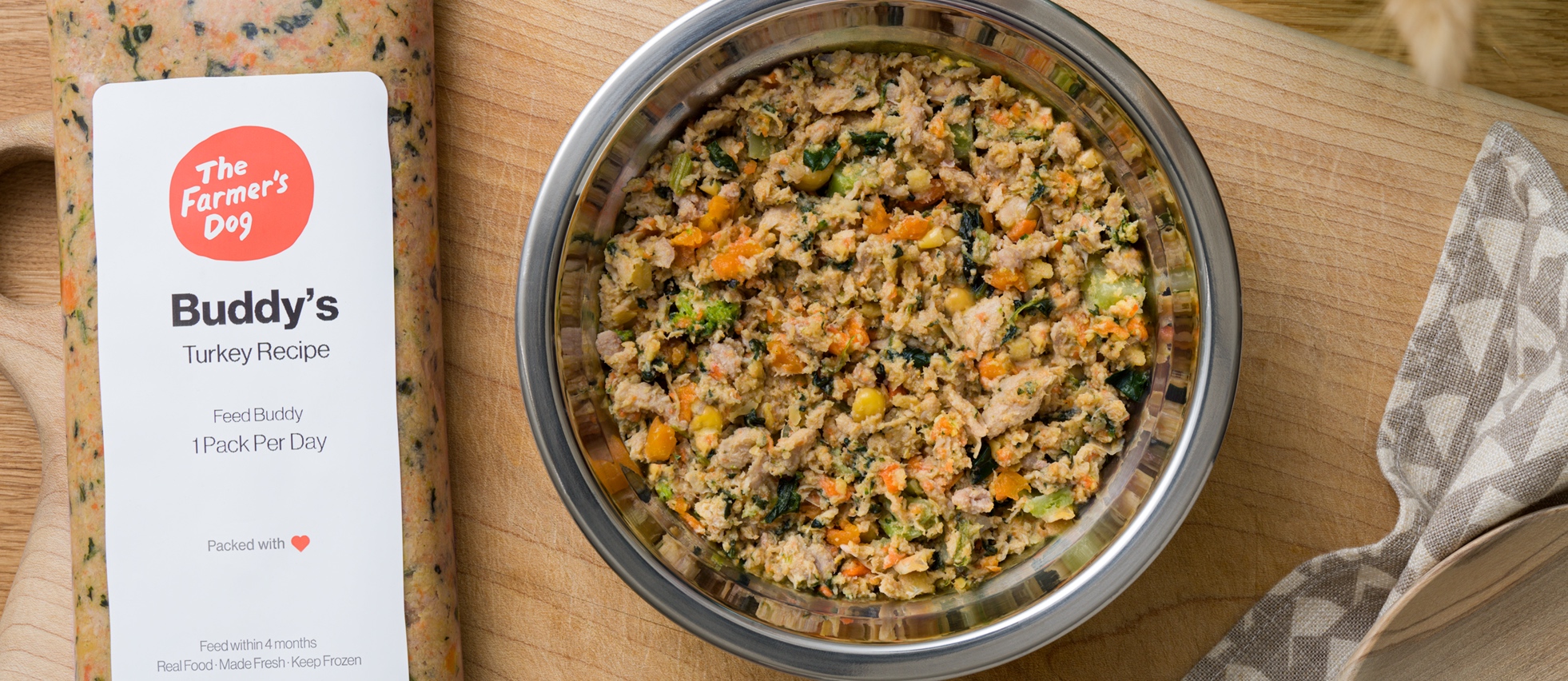
The Farmer’s Dog Food Review
The pet food industry has shifted in a major way over recent years, and The Farmer’s Dog has become one of the most recognizable names in the fresh dog food space. Pet owners everywhere are asking harder questions about what goes into their dog’s bowl, and this brand has placed itself right at the center of that growing conversation.
What sets this service apart from standard kibble brands is its commitment to real, human-grade ingredients prepared in USDA-regulated kitchens. For dog owners who want transparency and quality without spending hours in the kitchen, this review covers everything worth knowing before you commit to a subscription.
Fresh Dog Food Delivery That Actually Fits Your Life
One of the biggest selling points of The Farmer’s Dog is the convenience built into its model. Meals are pre-portioned, labeled with your dog’s name, and shipped directly to your door on a schedule you control. There is no measuring, no guessing, and no last-minute trips to the pet store.
The packaging is designed to keep food fresh without relying on heavy preservatives. Each meal arrives frozen or chilled, and the portions are calculated based on your dog’s specific weight, age, and activity level.
Setting up your plan takes only a few minutes through the brand’s online quiz. You answer questions about your dog’s health history and goals, and the service builds a tailored meal plan from there.
Many pet owners report that the transition from dry food to fresh meals is smoother than expected. The brand provides a gradual introduction guide to help dogs adjust without digestive upset.
Ingredient Quality and What Goes Into Every Meal
The Farmer’s Dog uses a short list of whole-food ingredients in each recipe, which is a sharp contrast to the lengthy, unrecognizable ingredient lists on many commercial dog foods. Proteins like turkey, beef, chicken, and pork are paired with vegetables and starches such as sweet potato, lentils, and broccoli.
Every recipe is formulated to meet the nutritional standards set by the Association of American Feed Control Officials. This means the meals are not just fresh but also nutritionally complete and balanced for long-term feeding.
There are no artificial preservatives, fillers, or rendered byproducts used in any of the formulas. The brand leans hard into the idea that dogs deserve the same ingredient standards that people expect from their own food.
For dogs with specific dietary sensitivities, the limited ingredient approach can make it easier to identify and avoid problem foods. The recipes are straightforward enough that most owners can quickly spot anything that might not agree with their pet.
Subscription Meal Plan Pricing and What to Expect
The cost of The Farmer’s Dog is higher than buying a bag of kibble, and that is something every potential customer needs to weigh carefully. Pricing varies based on your dog’s size, and larger breeds will see a noticeably higher monthly cost than small dogs.
Most pet owners with small to medium dogs report spending somewhere between fifty and one hundred dollars per month on the service. For giant breeds, that number can climb significantly, which makes the budget conversation important before signing up.
The brand frequently offers a discount on the first order, which gives new customers a lower-risk way to test whether their dog enjoys the food. After that introductory period, the full subscription rate kicks in.
You can pause, adjust, or cancel your subscription at any time through the online account portal. This flexibility is appreciated, especially for households where schedules and budgets can shift month to month.
Dog Health and Nutrition Benefits Pet Owners Notice
One of the most consistent things reported by long-term customers is an improvement in their dog’s coat quality after switching to this fresh feeding approach. Shinier fur and less shedding are among the first changes many owners notice within the first few weeks.
Digestive improvements are also frequently mentioned, with many dogs producing smaller and more consistent stools after transitioning away from heavily processed kibble. This is often linked to the higher digestibility of whole-food ingredients compared to rendered meat meals and corn-heavy formulas.
Weight management is another area where some owners have seen positive results. Because portions are calculated specifically for each dog, there is less room for overfeeding, which is a common issue with free-fed kibble diets.
Energy levels and mobility improvements in senior dogs are also brought up regularly in customer feedback. While individual results will always vary, the nutritional density of fresh food appears to make a measurable difference for many dogs across different life stages.
Is The Farmer’s Dog Worth It for Your Pet
The honest answer is that this service is not the right fit for every household. If budget is a primary concern and your dog is currently thriving on a high-quality dry food, the value proposition may not justify the switch.
For owners whose dogs struggle with allergies, digestive issues, weight problems, or picky eating habits, the fresh food model offers a compelling alternative worth trying. The short ingredient lists and custom portioning remove a lot of the guesswork that comes with traditional pet feeding.
The brand has built a strong reputation for customer service, and the onboarding process is smooth enough that even first-time fresh food buyers feel guided rather than overwhelmed. That level of support goes a long way when you are making a meaningful change to your dog’s daily routine.
Ultimately, The Farmer’s Dog delivers on its core promise of fresh, thoughtfully made dog food with real transparency. Whether it earns a permanent spot in your pet care budget comes down to your dog’s individual needs and what you are willing to invest in their long-term health.