
The Philippine Archipelago Known as the Last Ecological Frontier That Might Just Be Earth’s Last True Paradise
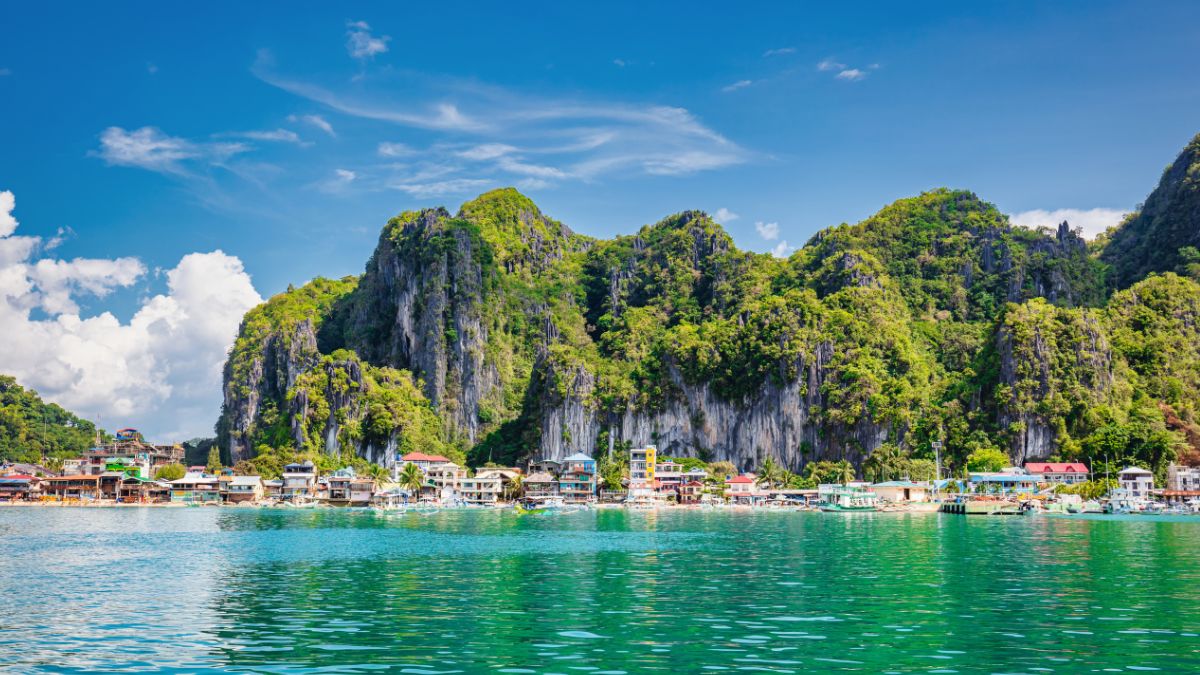
If you have ever dreamed of a destination that feels like it was pulled straight from a fantasy, Palawan in the Philippines is about as close as it gets. This sprawling collection of nearly 1,800 islands sits tucked between the South China Sea and the Sulu Sea, west of the Visayas archipelago. It functions as its own province while remaining administratively tied to the island of Luzon. What makes it truly special, though, is the combination of dramatic limestone cliffs, hidden lagoons, and endless stretches of powdery white sand that have earned it the nickname the last ecological frontier.
Nature lovers and diving enthusiasts in particular will find themselves completely overwhelmed by what Palawan has to offer. The landscape feels ancient and untouched in a way that very few places in the world still manage to pull off. It is the kind of destination where you find yourself genuinely speechless at what is right in front of you. Whether you are slipping through emerald-green waters by kayak or watching the sun melt into the horizon from a clifftop, every moment feels deliberate and extraordinary.
El Nido serves as the main jumping-off point for exploring the stunning Bacuit archipelago, and it does not disappoint. Visitors can hop on one of several organized boat tours, each one designed to reveal a different slice of this aquatic wonderland. Tour A is arguably the most famous, taking you through a maze of waterways to the Big Lagoon, Small Lagoon, and Secret Lagoon, all of which are perfect for exploring by kayak. Tour C leans into the romance a bit more, leading guests to the Secret Beach and Hidden Beach tucked behind towering rock formations, while the seemingly endless Nacpan Beach offers the ideal spot to simply lay back and do absolutely nothing for a while.
Head a little further north and you will find Coron, a place with a completely different but equally compelling character. The town is world-renowned among divers for its collection of Japanese World War II shipwrecks resting on the ocean floor, which have over the decades transformed into thriving artificial reefs bursting with marine life. Even if you are not a serious diver, Coron has a way of pulling you in. Kayangan Lake, widely considered the cleanest lake in the entire Philippines, greets visitors with a now-iconic view of jagged karst peaks reflected perfectly in still, crystal water.
For those who want to dive even deeper into what Coron has to offer, Barracuda Lake is a fascinating stop that draws divers specifically because of a rare thermocline phenomenon, where warm and cold layers of water meet in a single body. It is the kind of quirky natural wonder that reminds you how endlessly creative the planet can be. After a full day of exploring, climbing Mount Tapyas rewards the effort with a sweeping panoramic view just in time for sunset. And if your legs are tired from the climb, the Maquinit thermal springs offer a soothing, natural soak that feels like the perfect reward for a day well spent.
Palawan manages to strike a balance that is genuinely hard to find anywhere else in the world. It is adventurous enough to satisfy thrill-seekers but relaxed enough that you never feel rushed or overwhelmed. The ecosystems here are fragile and precious, which means visiting with a sense of respect and mindfulness goes a long way. Local guides, boat tours, and community-led experiences make it easy to engage with the destination in a way that feels authentic and responsible. This is not just a pretty backdrop for photos, it is a living, breathing environment that deserves to be taken seriously and appreciated deeply.
If Palawan is on your travel bucket list or if this is the first time you are hearing about it, share your thoughts and questions in the comments.