TikTok

Talented Bird Becomes Viral Sensation Among Harry Potter Fans

The Wizarding World has seen many magical creatures, from hippogriffs to phoenixes, but a real-life bird is currently stealing the spotlight. Even though the first Harry Potter film debuted over two decades ago, the global obsession with Hogwarts remains as strong as ever.

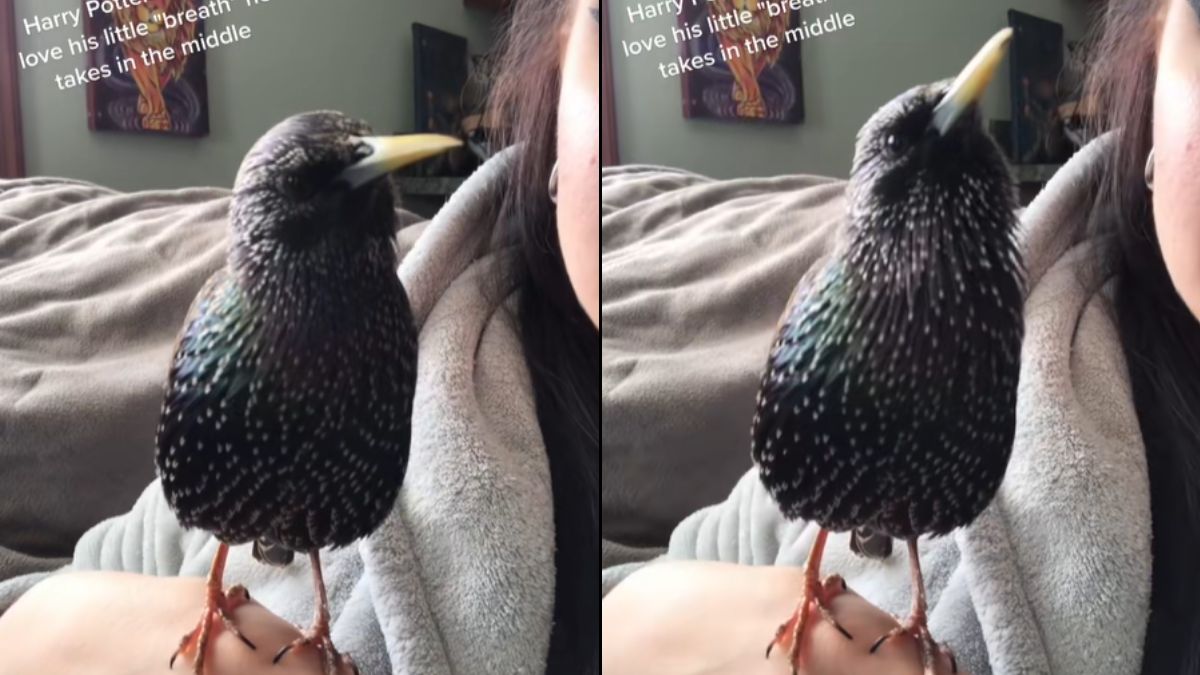
A European starling named Zephyr has recently enchanted the internet with a truly magical performance. This talented bird has mastered the iconic musical theme from the Harry Potter films, and the results are stunning.

Zephyr is not your average songbird, as he is known for his ability to beatbox and mimic complex sounds. A video of his latest musical feat quickly went viral on TikTok, capturing the hearts of Potterheads worldwide.

In the clip, the bird whistles the hauntingly beautiful melody originally composed by John Williams. The precision of the performance is so high that many listeners were left questioning if it was truly a bird making the sounds.

@farijuana_ I love how he even mimics the breath I take in the middle of whistling😅 #fypă‚· #europeanstarling #talkingbird #harrypotter #InstaxChallenge #OscarsAtHome #BridgertonScandal #HaloSilverTeam ♬ original sound – farijuanađŸș

Social media users, or “muggles” as the fans call them, have flooded the comments with praise for the avian performer. Some fans joked that the bird sounds like it belongs in the corridors of Hogwarts or inside the Owlery.

Starlings are famous for their incredible mimicry skills, often imitating car alarms, other birds, and even human speech. However, Zephyr’s choice of the Hedwig’s Theme has resonated deeply with a generation that grew up with the boy wizard.

The performance serves as a reminder of the enduring legacy of the franchise and how it continues to inspire creativity. Whether you are a Gryffindor or a Slytherin, it is hard not to be impressed by this tiny musical genius.

The footage continues to circulate online, proving that the magic of Harry Potter can be found in the most unexpected places. It is a whimsical moment of nature meeting pop culture in the best possible way.

Tell us which other magical movie themes you would love to hear a bird like Zephyr whistle in the comments.
Similar Posts

  • A Senior Dog Who Could No Longer Climb Stairs Inspired His Family to Take Turns Sleeping Downstairs with Him

    There are pet owners who love their animals, and then there are people like the Morris family, who quietly rearranged their entire nightly routine without a second thought. Spike, a 14-year-old English springer spaniel, had spent years as the undisputed center of his family’s world. When age and illness stripped away his ability to climb…

  • 5 ways Vacation Routines Stress your Pet: Psychology Science most owners Miss

    Vacations are exciting for humans, but for pets, they can feel confusing, stressful, and even scary. Many animals rely on routine to feel safe, so small travel changes can trigger anxiety in ways owners do not expect. The science is simple: pets read patterns, smells, and body language, not calendars. These five overlooked vacation habits can raise stress fast, even in calm pets, and knowing them helps you prevent problems before they start. A few small adjustments can make travel days easier for everyone.
    1. Packing Early Signals “Something Is Wrong” to Your Pet
    When you start pulling out suitcases, your pet often notices before you do. Many animals link luggage with separation, which can trigger anticipatory anxiety. Dogs and cats are experts at pattern recognition, so even quiet packing can create stress because it predicts a major change. Some pets respond by pacing, whining, hiding, or becoming clingy. Others may stop eating or start acting unusually alert. Psychology research on animal behavior shows that uncertainty is often more stressful than the event itself. Packing in smaller steps, keeping normal routines, and adding calm activities can reduce the buildup of anxiety.
    2. Your Mood and Body Language Change More Than You Realize
    Vacation prep usually comes with stress, rushing, and distraction. Pets notice that shift immediately because they rely heavily on your tone, facial expression, and energy. Even if you are excited, the fast movement, shorter patience, and unusual household noise can signal danger to an animal’s brain. This is especially true for anxious dogs and sensitive cats. Behavioral science shows that animals can mirror human stress through increased vigilance and restlessness. A pet may start shadowing you, refusing naps, or becoming reactive. Slowing down, using a calm voice, and keeping playtime normal can make a big difference.
    3. Skipped Walks, Late Meals, and Broken Timing Disrupt Safety Signals
    Many owners think pets will adjust easily to vacation timing changes, but routine is a major source of security for most animals. Meals, walks, and bedtime create predictable anchors that tell a pet their world is stable. When those anchors shift, stress rises, especially in dogs who depend on consistent potty breaks and activity. Cats can also become unsettled when feeding schedules change, which may lead to hiding, vocalizing, or litter box issues. Studies on animal stress show that predictable patterns lower cortisol over time. Even on travel days, keeping timing as close as possible helps pets stay calmer.
    4. New Smells and Spaces Can Trigger Overload, Not Curiosity
    People often assume pets will be excited by a new place, but unfamiliar environments can overwhelm them. Animals process the world through scent and sound, so hotels, rentals, or relatives’ homes can feel like sensory overload. New cleaning products, unfamiliar pets, strange floors, and different noises can raise stress quickly. Dogs may become hyper-alert, bark more, or refuse to settle. Cats may hide for hours or stop eating. Animal behavior research shows that novelty is not always enriching, especially when the pet has no control. Bringing familiar bedding, toys, and maintaining a quiet corner helps reduce that overload.
    5. Handing Them Off to a Sitter Without a Transition Creates Separation Shock
    Even if you trust your sitter, your pet may not. A sudden handoff can feel like abandonment to an animal that does not understand travel plans. Dogs may respond with barking, destructive behavior, or loss of appetite. Cats may become withdrawn, refuse interaction, or show stress through litter changes. Psychology studies on attachment show that animals form strong bonds and feel distress when those bonds are disrupted without a predictable transition. A short meet-and-greet, a trial visit, or a practice overnight can reduce stress dramatically. Familiar scents, written routines, and consistent feeding also help the sitter maintain stability.