
Pet road trips go wrong more often than owners expect: 7 reasons why
Pet road trips sound simple: pack the car, grab some snacks, and hit the highway. However, travel changes everything for animals—from their routines to the smells and noises they encounter. Many trips go wrong not because owners don’t care, but because small details are overlooked in the rush. Stress, nausea, overheating, and the risk of escape are more common than people expect. These seven issues are the ones most likely to derail a trip; yet, with a few smarter habits, most problems are preventable before the first mile.
1. Skipping a short “test drive” before the real trip
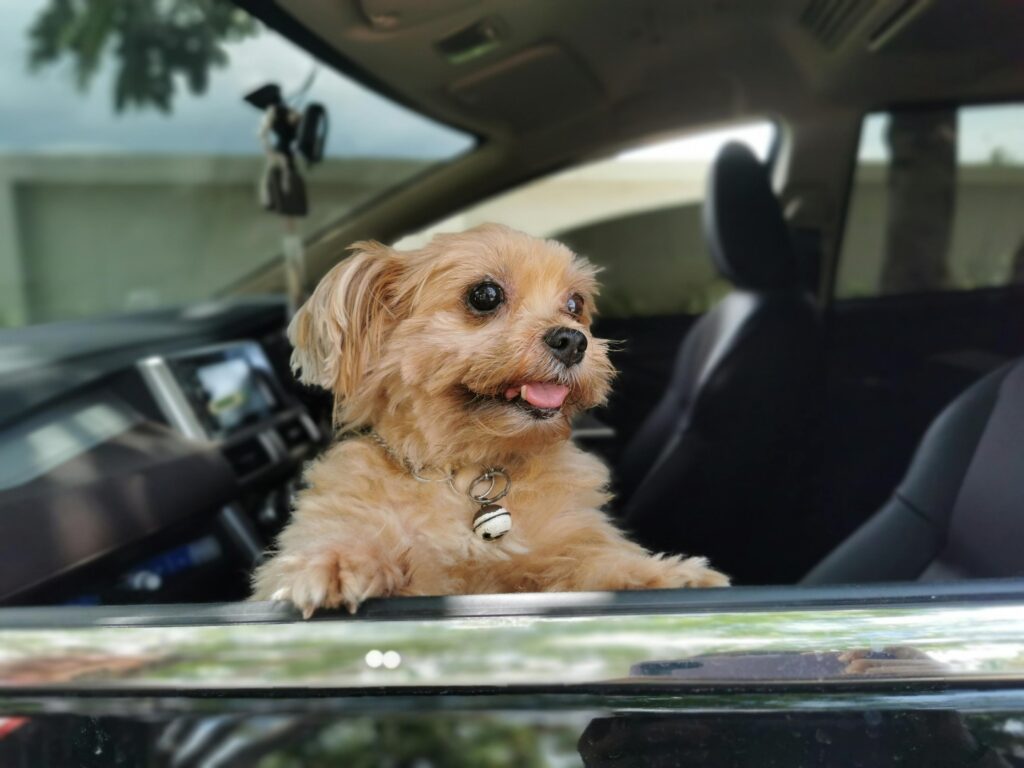
Many owners plan a long drive without checking how their pet handles the car first. Some animals panic, shake, or vomit within minutes, and the problem only worsens over hours. A test drive helps you spot motion sickness, anxiety, and safety issues early. It also lets your pet build comfort with the car in short, positive sessions. Even two or three practice rides can reduce stress and help you adjust your plan before travel day. This is especially important for rescues, puppies, and pets who rarely ride in cars. A calm start can shape the whole trip. It also gives you time to test carriers, harness fit, and where your pet feels safest in the car.
2. Using the wrong restraint, or no restraint at all
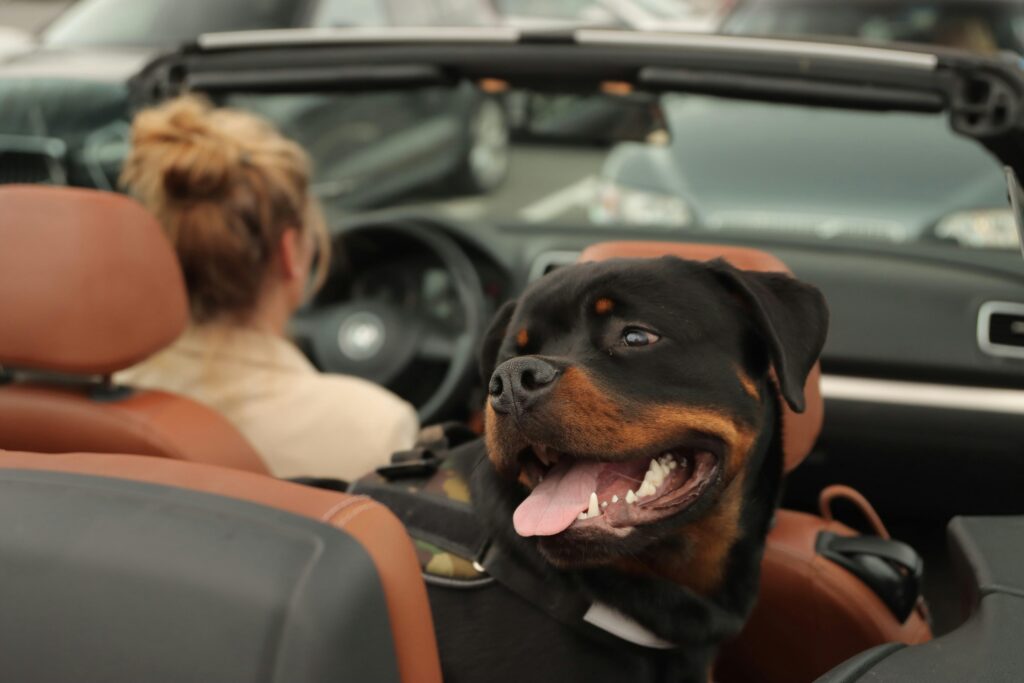
Loose pets in a moving car are a major safety risk for everyone. In a sudden stop, an unrestrained animal can be injured, become a projectile, or distract the driver at the worst moment. Many owners assume a pet will “just sit still,” but fear and excitement can change behavior fast. Crash-tested harnesses, secured carriers, or travel crates are safer options. Proper restraint also prevents escape when doors open at gas stations or rest stops. It also protects your pet from jumping into the front seat or under your feet while driving. The right setup makes the trip calmer for both the pet and the driver.
3. Feeding too close to departure time
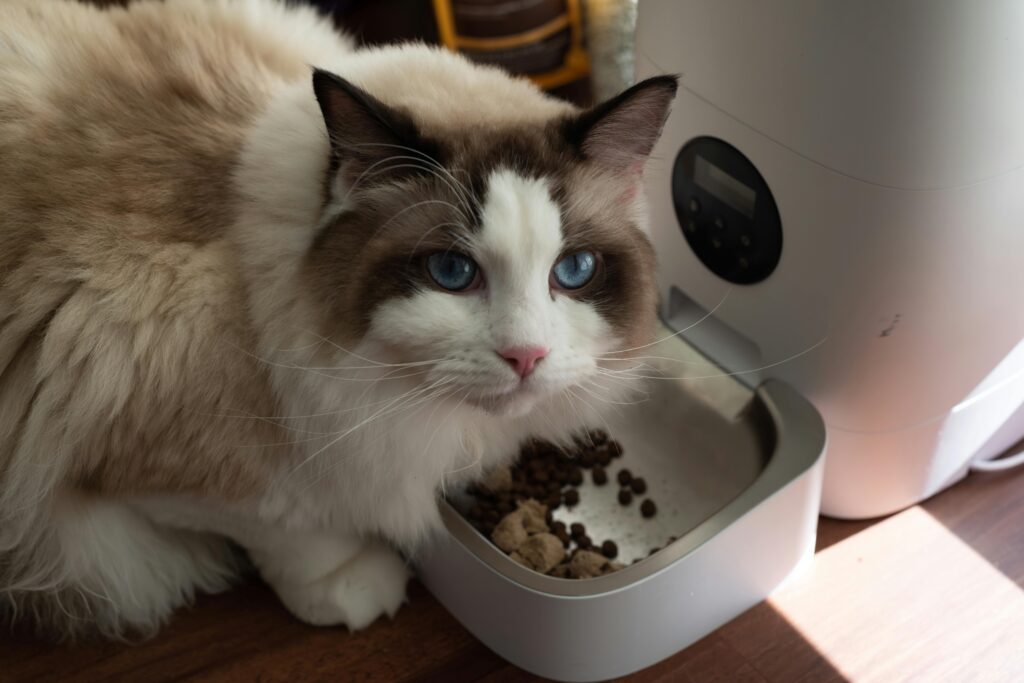
A full stomach plus car motion is a common recipe for vomiting. Many owners feed normally, then wonder why their pet gets sick an hour into the trip. Feeding a smaller meal several hours before leaving can help, and some pets do better with a light snack instead. Water should still be available, but it helps to offer small amounts more often rather than a big bowl at once. If motion sickness is frequent, ask a vet about safe options. Some pets also do better when they ride facing forward and can see outside. Clean-up is easier, too, if you pack towels and a backup blanket. For sensitive pets, keeping the car cool can also reduce nausea.
4. Underestimating heat, even in mild weather
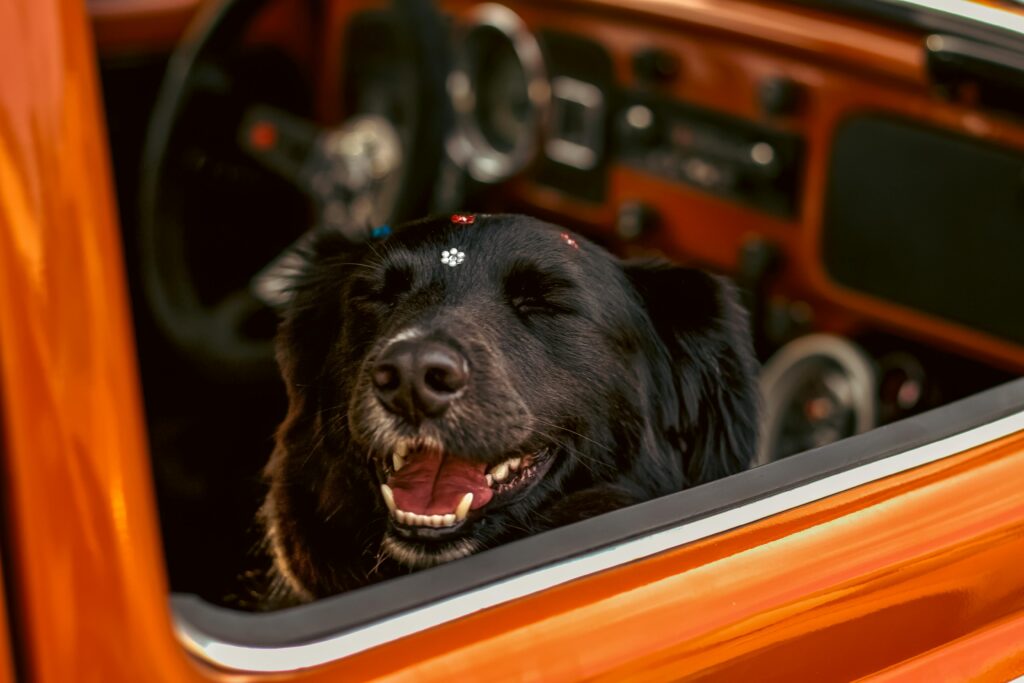
Cars heat up faster than people realize, even on days that feel comfortable. A pet can overheat quickly, especially in traffic or during quick stops where the AC is off. Dogs with short noses, thick coats, and overweight animals are at higher risk. Window cracking is not enough, and “just five minutes” can become dangerous. Plan cooling breaks, keep air flowing, and never leave a pet unattended in a parked car. Even at 70 degrees, the inside of a car can become unsafe faster than most owners expect. If you feel warm, your pet is likely hotter. Bringing a travel water bottle and offering small sips during stops can also help prevent overheating.
5. Planning rest stops for humans, not for pets
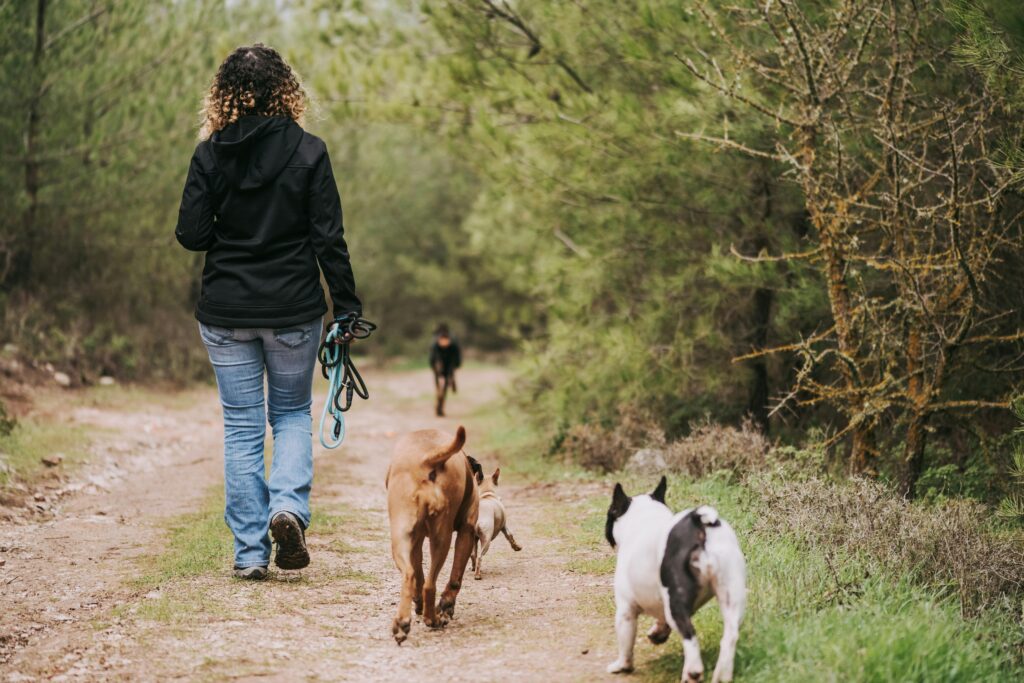
Many road trip plans focus on food, bathrooms, and coffee, but pets need their own rhythm. Long stretches without breaks can lead to accidents, stress, and restlessness. Some pets also become overstimulated at busy rest stops, which can trigger barking, pulling, or fear. Quiet stops, short leashed walks, and time to sniff can help pets reset. For most animals, breaks every two to three hours are more realistic than owners expect. Sniffing is not just “extra,” it’s calming mental enrichment for dogs. Even cats in carriers benefit from quiet, low-stimulation breaks. Choosing a less crowded spot can make those breaks safer and much more relaxing.
6. Packing the wrong essentials, or forgetting comfort items

Owners often pack treats and toys but forget the basics that reduce stress. A familiar blanket, a favorite chew, and a collapsible water bowl can make a big difference. Waste bags, paper towels, an enzyme cleaner, and a small first-aid kit are also easy to overlook. Some pets feel safer in a covered carrier, while others prefer being able to see out. Having the right gear prevents small problems from turning into trip-ending messes. It also saves money, as emergency purchases at gas stations are often limited and overpriced. Finally, packing a recent photo of your pet and their veterinary information can be invaluable if anything unexpected happens.
7. Assuming every pet-friendly stop is actually safe

Hotels, parks, and “pet-friendly” patios can still be stressful or risky. Loud hallways, slippery floors, unfamiliar dogs, and new smells can overwhelm even calm pets. Some animals bolt when startled, and a new environment makes escape more likely. Always double-check doors, keep tags updated, and consider a GPS tracker for extra security. A pet-friendly label means allowed, not automatically comfortable, so it helps to plan quieter options whenever possible. Many pets struggle most at night, when a hotel room feels unfamiliar and noisy. A familiar bed and a predictable bedtime routine can reduce stress quickly.