6 common pet care habits that may be secretly stressing your animal
Most pet owners are doing their best, but some everyday habits can quietly stress animals over time. The tricky part is that many of these behaviors look harmless, or even loving, from a human point of view. Stress can show up as hiding, restlessness, changes in appetite, or unusual aggression. These six common routines may be adding pressure without you realizing it. The good news is that small changes often create fast improvement. In many cases, adjusting your routine is enough to help your pet feel safer, calmer, and more secure at home.
1. Leaving the TV or loud music on “for company.”

Many owners leave noise on because they think silence feels lonely, but constant sound can overwhelm pets, especially dogs, cats, and birds. Loud TVs, action movies, and nonstop music can disrupt sleep, raise anxiety, and make it harder for animals to relax during the day. Some pets cope by pacing, barking, or hiding, while others shut down quietly. If you want background noise, choose low-volume, calm audio and give your pet a quiet room to escape to. You can also test what your pet prefers by turning the sound off for a few days and watching their behavior. For noise-sensitive pets, even small changes, like lowering the volume, can reduce stress.
2. Hugging, kissing, or holding them when they want space
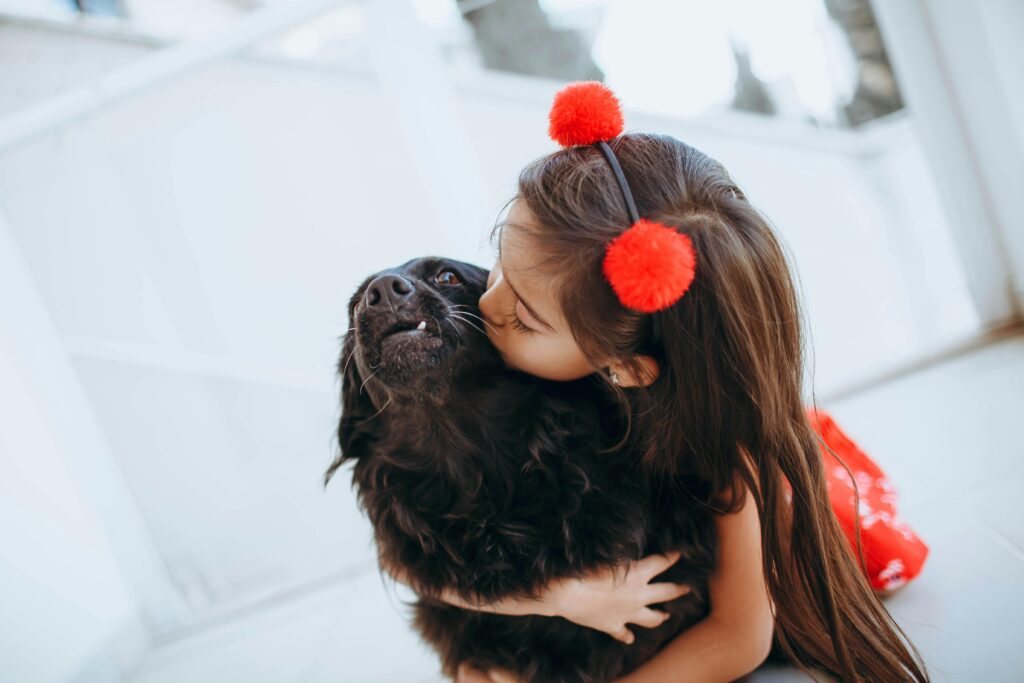
Affection is usually well-meant, but many animals find forced contact stressful. Cats often dislike being held too long, dogs may tolerate hugs without enjoying them, and small pets like rabbits or guinea pigs can panic when restrained. Stress signals can be subtle, such as lip licking, turning the head away, stiff posture, pinned ears, or sudden squirming. A better approach is consent-based handling, where your pet chooses to come close, and you reward calm interaction. This builds trust over time and reduces the chance of snapping or fear-based reactions. It also helps kids learn a valuable lesson: love works best when it’s gentle and respectful.
3. Constant schedule changes, especially feeding and walking times

Pets feel safer when life is predictable. When meal times, walks, play, or bedtime constantly shift, animals can become anxious and unsettled. Dogs may start whining or watching the door, cats may become clingy, and small animals can show stress through reduced eating. Busy families don’t need a rigid routine, but they do benefit from consistent anchors. Even keeping two daily events stable, like breakfast and evening play, can help pets relax. For many pets, consistency matters more than the exact time on the clock. If your schedule changes often, using the same cues, like a specific feeding phrase or walk routine, can still create stability.
4. Over-cleaning their space with strong-smelling products
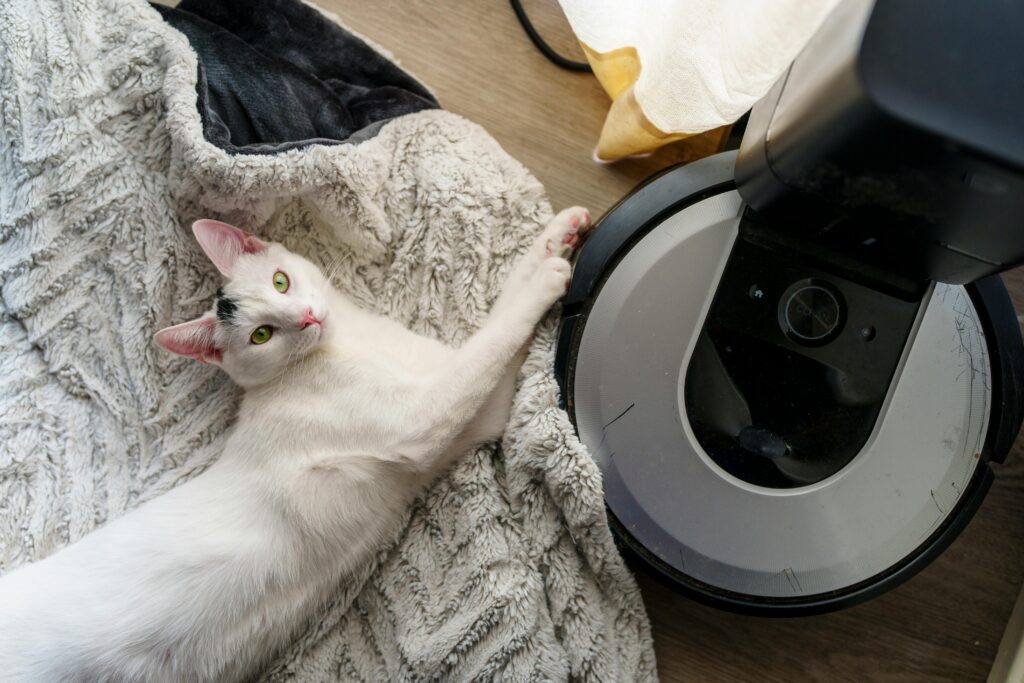
A clean home is important, but strong scents can stress pets because their sense of smell is far more sensitive than ours. Heavy cleaners, scented sprays, and plug-ins can irritate airways and make animals avoid areas they normally feel safe in. Cats may stop using a litter box if it smells too strongly, and birds are especially vulnerable to fumes. Use pet-safe products, rinse thoroughly, and let spaces fully air out before allowing pets back in. If your pet suddenly avoids a room, consider whether a new fragrance or cleaner could be the reason. Even heavily scented laundry detergents on bedding can cause discomfort for sensitive pets.
5. Punishing “bad behavior” instead of addressing the cause
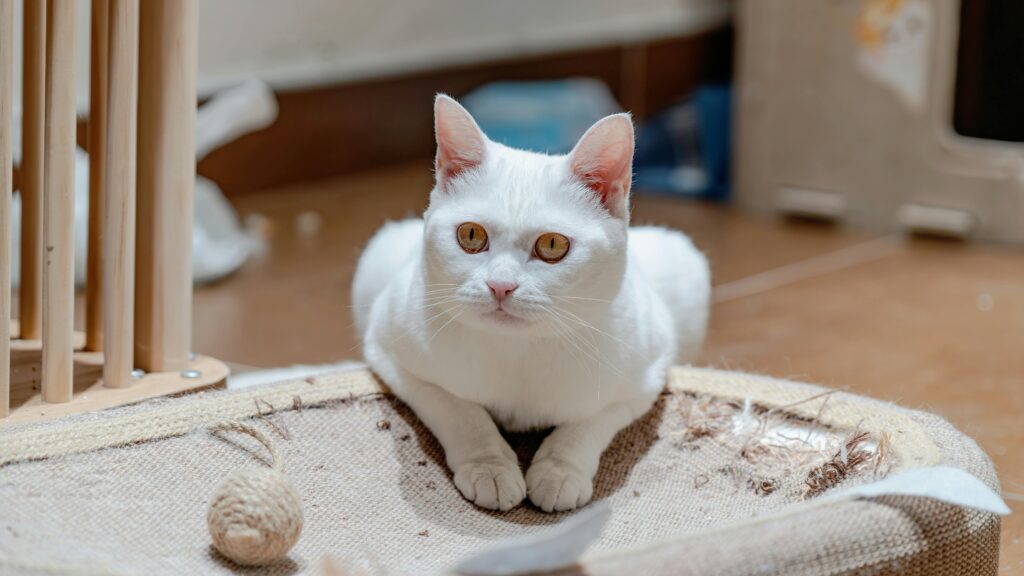
Yelling, scolding, or punishment-based training can increase fear and confusion, even if it stops a behavior temporarily. Many “bad” behaviors—such as barking, chewing, scratching, accidents, or hiding—are actually stress signals. Punishment often teaches pets that humans are unpredictable, which can worsen anxiety. A more effective strategy is to identify triggers, reinforce desired behaviors, and use management tools like enrichment toys and structured routines. If a behavior appears suddenly, it is also worth consulting a vet to rule out pain or discomfort. In many cases, what looks like stubbornness is actually fear or a pet attempting to communicate unmet needs.
6. Not giving enough mental stimulation, even if they get exercise
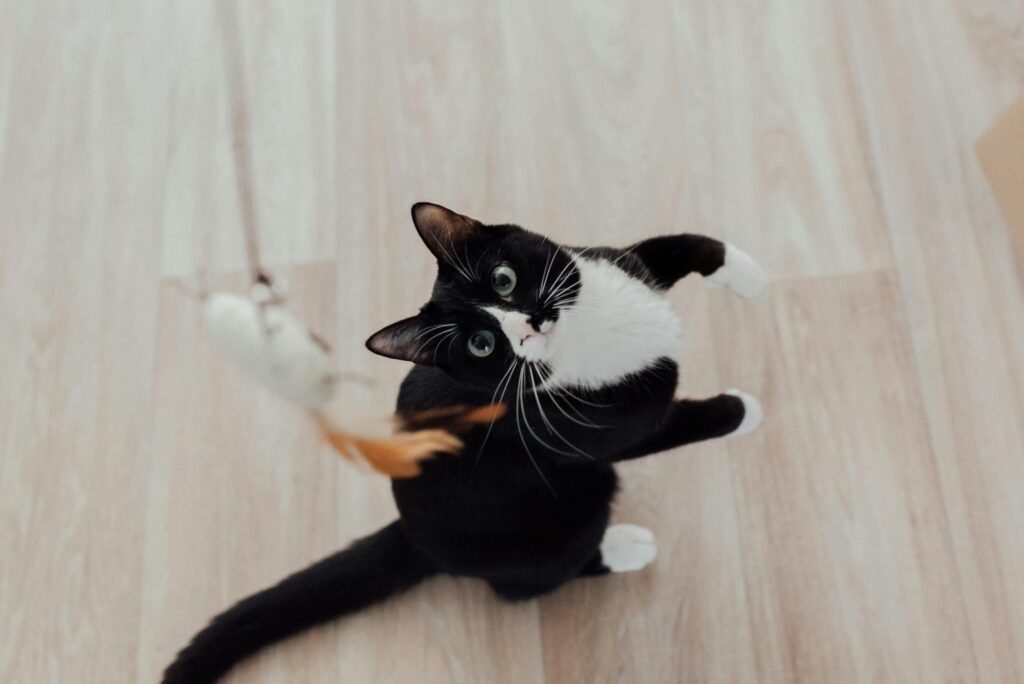
Many pets are stressed not because they have too much energy, but because they are bored. A long walk helps, but dogs also need sniffing time and puzzle-style play. Indoor cats often need hunting-style games, climbing spaces, and rotation of toys. Birds and small mammals also need enrichment to avoid repetitive stress behaviors. When pets lack stimulation, stress can show up as pacing, over-grooming, or destructive habits that look like “attitude.” Even 10 minutes of focused play daily can noticeably improve mood and behavior. Rotating toys weekly or teaching one simple trick can keep their brain engaged without adding much time to your day.