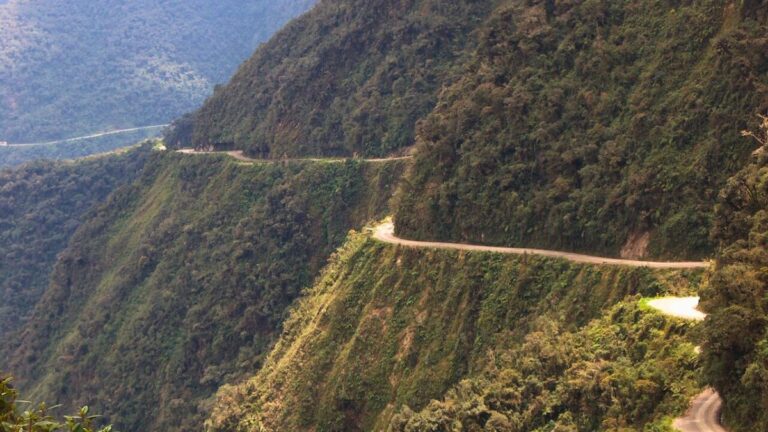
“Gate-Crasher” Routes: 5 Backdoor Trails into the World’s Most Crowded National Parks
National parks draw millions each year, and with that popularity comes traffic, timed entries, and crowded viewpoints. Yet just beyond the main gates, lesser-known access points offer a quieter way in. These “gate-crasher” routes are fully legal, scenic backdoors that reward travelers willing to research a little deeper and plan carefully. Here are five alternative trails into some of the world’s busiest national parks, where the landscapes remain just as powerful, but the experience feels far more personal and intentional.
1. Yosemite National Park: Mono Pass Trail from the East
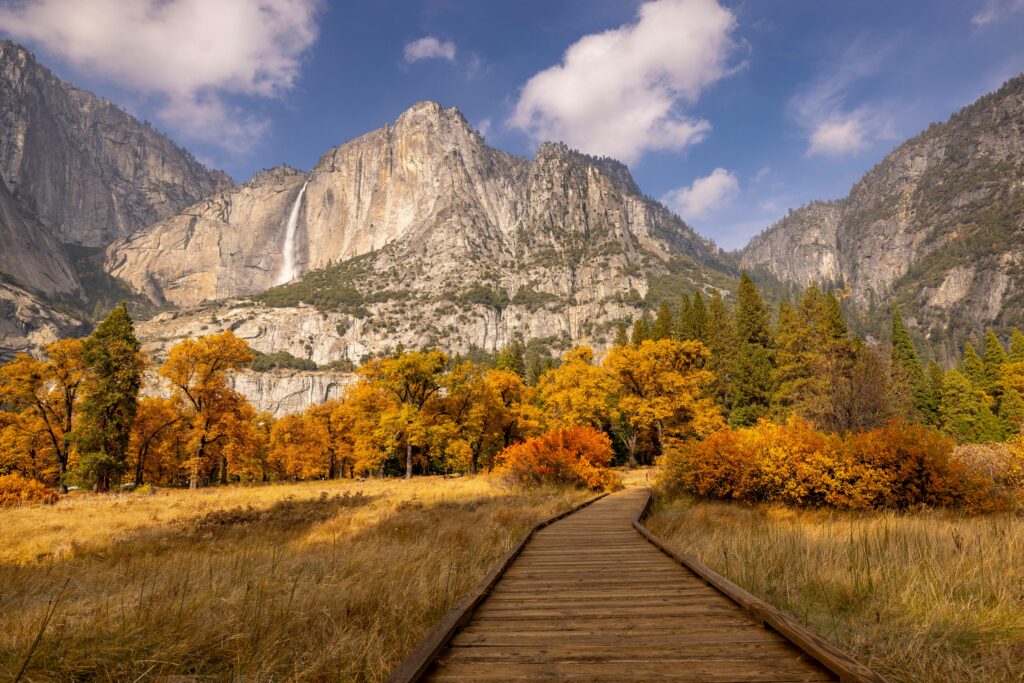
Approaching Yosemite National Park from California’s eastern Sierra via the Mono Pass Trail offers a striking contrast to the often congested Yosemite Valley entrances. Starting near Tioga Pass, this route quickly ascends into alpine terrain dotted with wildflowers in summer and sweeping granite vistas that rival the park’s most photographed landmarks. The elevation gain requires preparation, particularly for travelers not acclimated to higher altitudes, yet the quieter trailhead typically feels less rushed. Permits may still apply for overnight backcountry travel, and Tioga Pass access depends on snow conditions, usually late spring through fall.
2. Zion National Park: Kolob Canyons Entrance
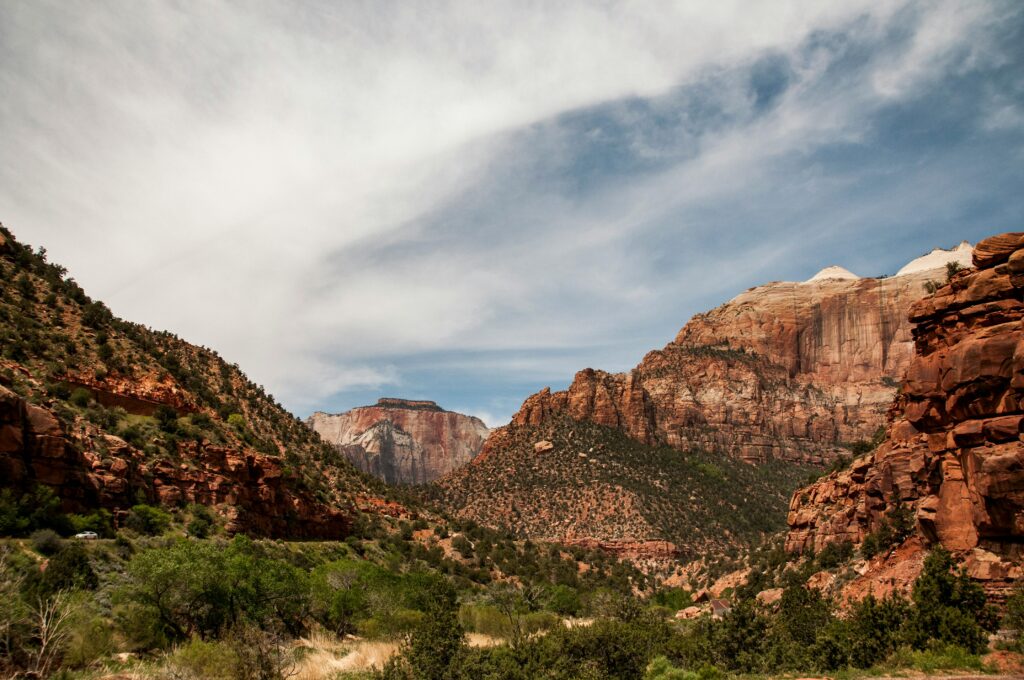
Most visitors funnel through Springdale to reach Zion National Park’s main canyon, where shuttle lines and timed entries shape the day. The Kolob Canyons section, accessed off Interstate 15, offers a dramatically different arrival. Towering red cliffs frame quieter trails such as Taylor Creek, and scenic pullouts rarely feel hurried or crowded. Facilities are more limited, and some trails close during winter weather, but that simplicity contributes to a calmer rhythm. The shorter scenic drive allows visitors to experience Zion’s signature geology without committing to a full-day shuttle circuit.
3. Grand Canyon National Park: North Rim Access
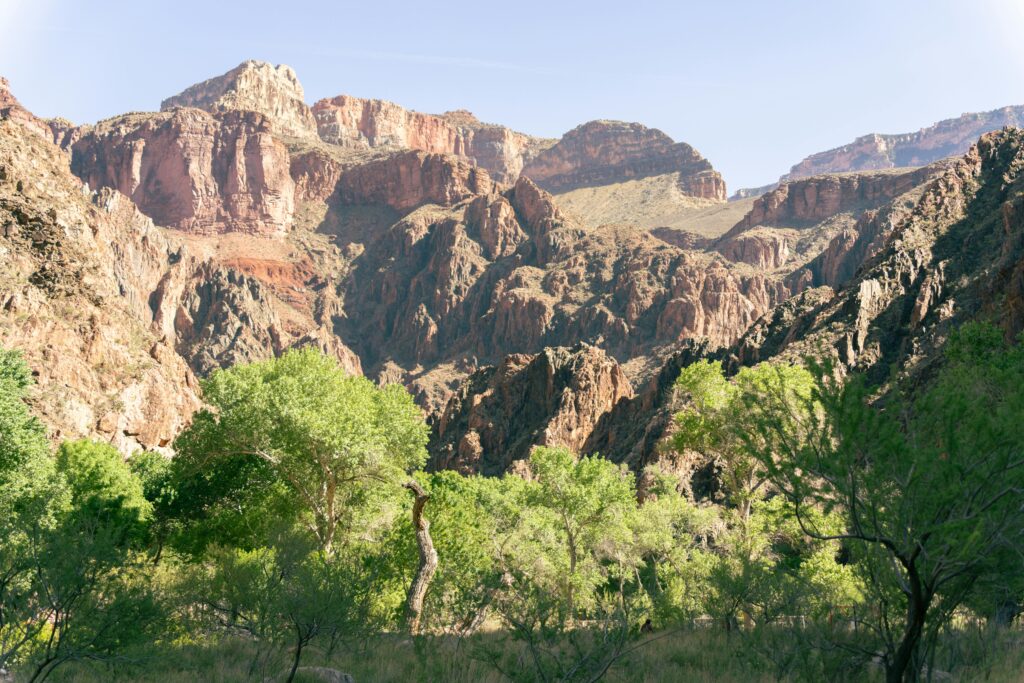
The South Rim receives the overwhelming majority of traffic at Grand Canyon National Park, while the North Rim remains open seasonally and sees far fewer visitors. Reaching it requires a longer drive and thoughtful planning, as services typically operate from mid-May through mid-October, weather permitting. The payoff is immediate: forested plateaus, expansive overlooks, and noticeably shorter lines at viewpoints like Bright Angel Point. Elevation on the North Rim is higher than the South Rim, which means cooler temperatures and occasional afternoon storms during summer. Lodging options are limited and should be reserved early.
4. Banff National Park: Mount Norquay Area
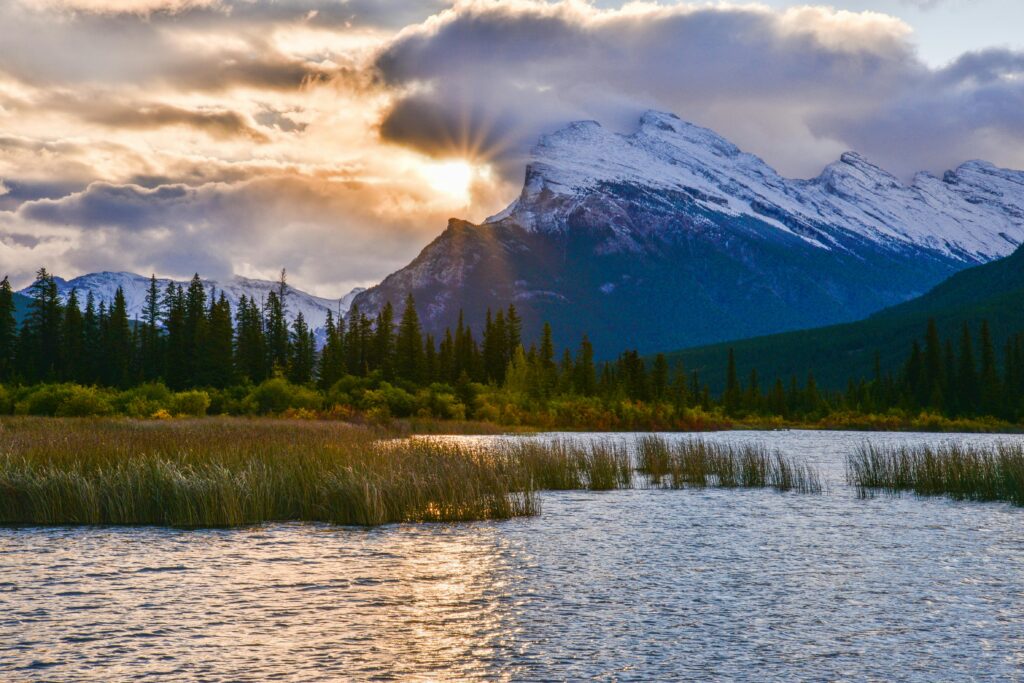
Iconic lakes such as Lake Louise and Moraine Lake draw heavy crowds in Banff National Park, often requiring advance shuttle reservations and early arrival strategies. Just minutes from the town of Banff, the Mount Norquay area offers alternative hiking routes with sweeping valley views and fewer tour buses. Trails range from moderate forest climbs to steeper ridge hikes with panoramic lookouts. Wildlife awareness is essential, as this region remains an active habitat for elk and bears. Parking and trail access tend to be more manageable compared with headline attractions, making spontaneous visits more realistic.
5. Torres del Paine National Park: Laguna Azul Entrance
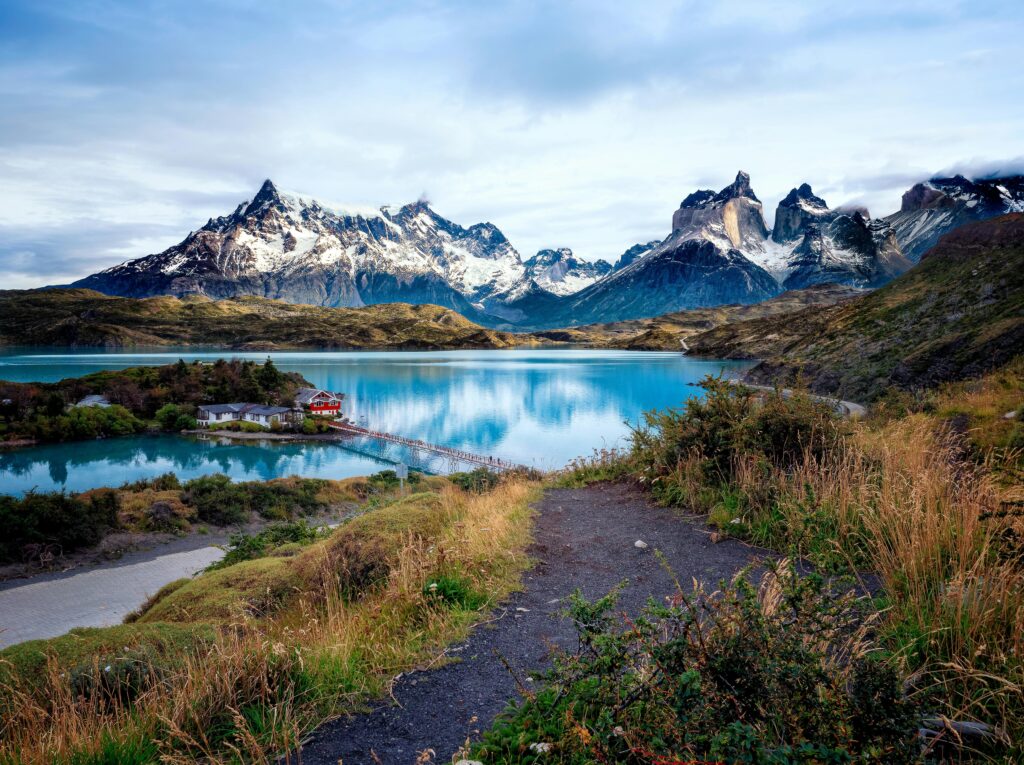
In Chilean Patagonia, Torres del Paine National Park sees concentrated traffic near its main western entrances, particularly during the peak trekking months of December through February. The Laguna Azul entrance on the eastern side provides a quieter alternative with direct views of the granite towers reflected in calm water. Wildlife sightings, including guanacos and foxes, are common in this area, and sunrise conditions often create clear, mirror-like reflections across the lagoon. While park fees and regulations remain the same, the arrival experience feels more remote and deliberate.