Can You Really Fly with a Bearded Dragon? The New 2026 Rules for Exotic Companions
Flying with a bearded dragon in 2026 is less about a single “new law” and more about three rulebooks: airport security, airline pet policies, and your destination’s animal import rules.
TSA generally allows small pets through checkpoints, but airlines decide what can be in the cabin, and most treat reptiles very differently from cats and dogs.
Add heat-sensitive biology and long airport waits, and the “can I?” becomes “should I?”. This article explains what security will do, why many carriers refuse reptiles, what documents you may need, and when driving or shipping is the smarter move. No fluff, just the playbook.
What ‘Rules’ Mean in 2026
“Rules” in 2026 are layered. TSA’s job is security screening, so they focus on how an animal and its carrier move through the checkpoint.
Airlines then apply their own pet program rules: what species they accept, whether it’s cabin or cargo, carrier size, fees, and limits per flight.
Finally, states and countries can require permits, quarantine, or veterinary paperwork for reptiles. So you can be cleared by TSA and still be denied at the counter if your airline won’t accept reptiles as pets. Check the airline policy page first, then verify entry rules for your destination. If any link is vague, call and get it noted on your booking.
TSA Screening: What Actually Happens

At U.S. checkpoints, TSA says small pets can pass through security, but you typically remove the animal from the carrier while the carrier goes on the X-ray.
That means your bearded dragon may need to be held securely during screening, so bring a snug towel or soft pouch to prevent wriggling. Ask for a private screening room if handling in a busy lane feels risky.
Keep the carrier simple (no loose sand, heavy décor, or water dishes) so it clears the belt quickly. TSA also reminds travellers to check with the airline for pet acceptance, because security clearance doesn’t equal permission to fly in the cabin.
Airline Reality: Cabin ‘Pets’ vs. Reptiles

Here’s the part that surprises people: even if TSA is fine with reptiles, many big airlines don’t accept them as in-cabin pets at all, and some won’t take them as checked animals either.
“Service animal” rules don’t help reptiles, U.S. air travel rules focus on trained service animals, and emotional support animals are treated separately or as pets under airline policies.
So the common outcome is: cats and small dogs can be “pets in cabin,” while reptiles get a hard no unless shipped via a cargo option that accepts them. Always confirm the airline’s species list in writing before booking. Don’t guess.
Documents People Forget
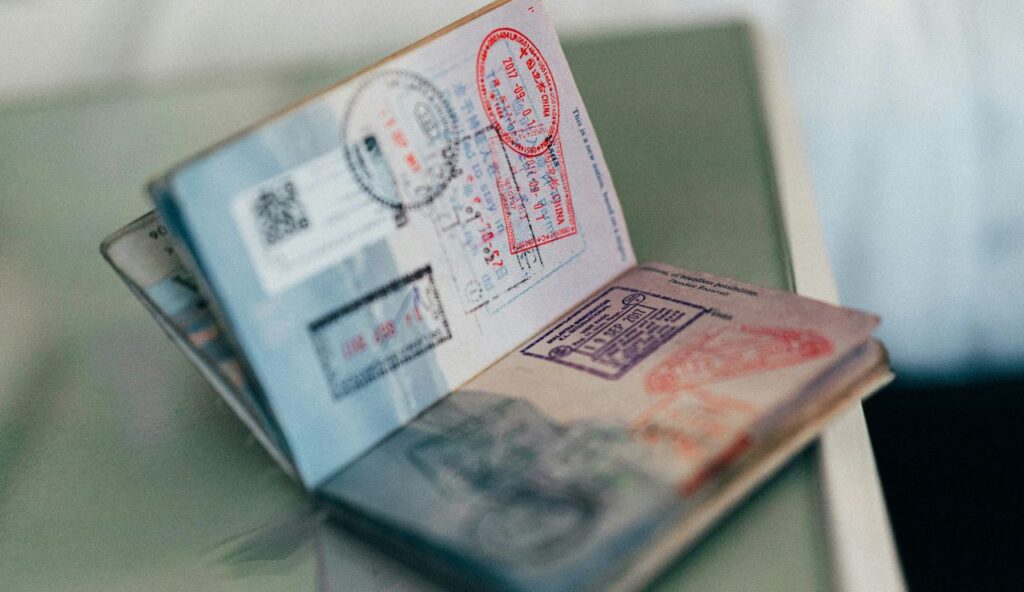
Paperwork is where trips fall apart. Some destinations treat reptiles like low-risk pets, while others require advance permits, health checks, or proof that the animal is captive-bred.
Even within the same country, state, or territory, rules can change at the border. Plan for at least three checks: your airline’s requirements (if they accept reptiles at all), the destination’s import rules, and any rules for transiting through another airport or country.
When in doubt, contact the destination agriculture/wildlife agency and your exotic vet early, because last-minute certificates are hard to get. Keep copies on your phone.
The Welfare Problem: Heat, Delays, and Cargo Risks
Bearded dragons are tough, but air travel is an extreme environment: long waits, noise, vibration, and unpredictable temperatures on jet bridges and in cargo areas.
If an airline did allow transport, you’d still need a ventilated, crush-resistant carrier and a plan to avoid overheating or chilling during delays.
Skip feeding right before travel to reduce mess and stress, and prioritize short routes with minimal connections. If the itinerary involves long layovers, hot tarmacs, or winter operations, it’s usually kinder (and safer) to choose a non-flying option. Your exotic vet can tell you if your dragon is fit to travel.
Safer Alternatives When the Airline Says ‘No’
If your airline won’t take reptiles, you still have options. For domestic trips, driving lets you control heat, light, and breaks, and you avoid the carrier-handling chaos of airports.
For long-distance moves, some people use specialized live-animal shippers, but you should verify licensing, routing, and animal welfare standards before committing.
If travel is optional, the simplest “rule” is: don’t fly, use a trusted sitter, and keep the habitat stable. Whatever you choose, do a trial run with the carrier at home, and confirm the plan in writing with every company involved. That paper trail saves refunds and headaches.