

I Traveled 5 Countries Alone: Here’s the One Safety Mistake I’ll Never Make Again
Solo travel builds confidence in ways few experiences can. Navigating unfamiliar streets, languages, and customs alone sharpens awareness and independence. Over five countries, I learned to plan carefully, stay alert, and trust my instincts. Yet one overlooked safety habit nearly unraveled that confidence. It was not dramatic or reckless, just a small assumption that things would work out. Here is the mistake I will never repeat, and why it matters for anyone traveling alone. Independence grows stronger when paired with preparation. Experience becomes wisdom only after reflection.
1. Relying Too Heavily on Public Wi-Fi

In my early solo trips, I depended almost entirely on public Wi-Fi for navigation, bookings, and communication. Airports, cafés, and hostels felt convenient and easily available, so I skipped buying local data plans. One evening in a busy European city, the connection failed just as I needed directions to my accommodation. My phone battery was low, the streets were unfamiliar, and I had no offline maps downloaded. What seemed like a small oversight suddenly created vulnerability. Public networks are inconsistent and can expose personal information. Since then, I always secure a local SIM, portable hotspot, or international data plan before arrival.
2. Sharing Real-Time Location Publicly
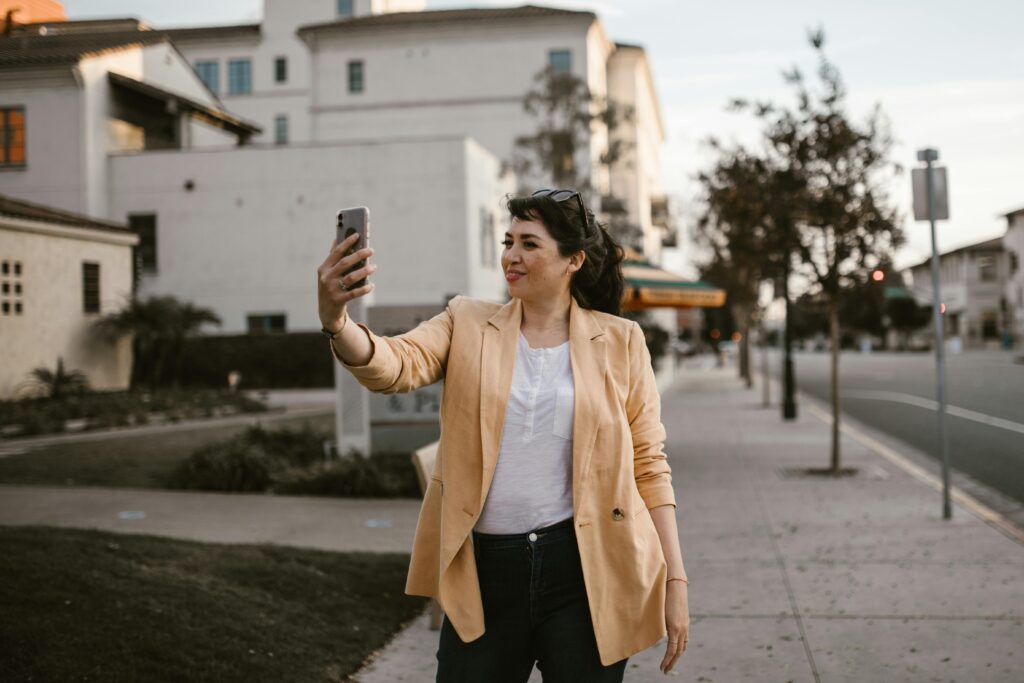
Posting in real time felt harmless at first. I enjoyed sharing photos of cafés, landmarks, and neighborhood walks while exploring alone. In one instance, a stranger approached me referencing a story I had uploaded minutes earlier. The interaction was not threatening, but it was unsettling enough to shift my perspective. Broadcasting exact locations can reveal patterns, especially for solo travelers. Now I delay social media posts until I leave an area. Sharing experiences remains part of travel, but timing matters more than immediate engagement. Privacy protects more than personal data. Delayed updates add a layer of quiet security.
3. Skipping Local Emergency Planning
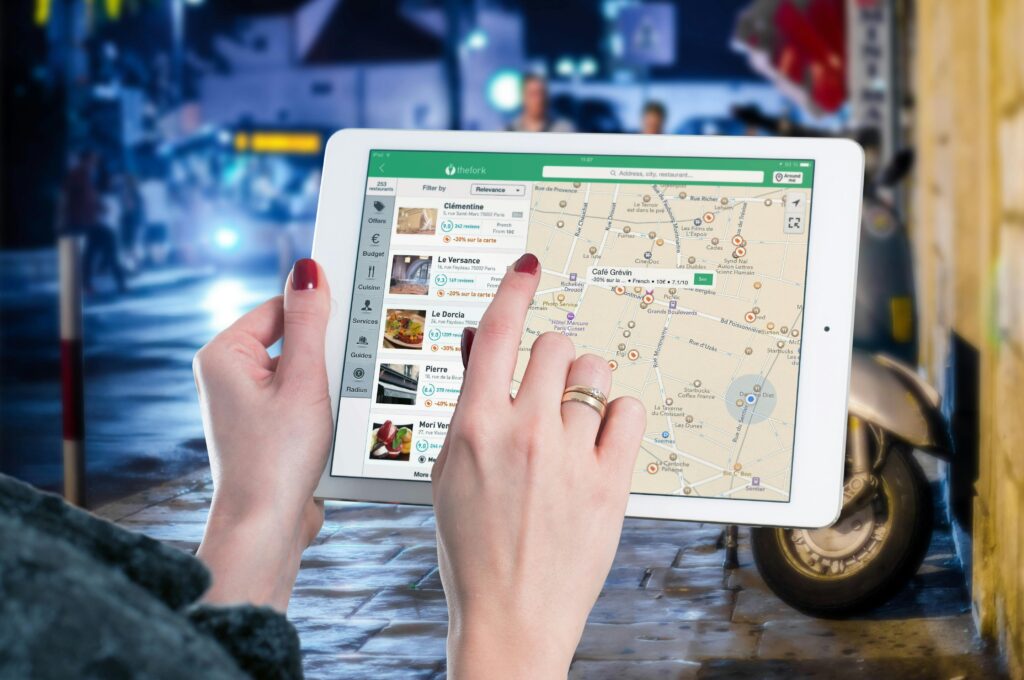
In my first few countries, I focused on sightseeing and logistics but rarely researched local emergency contacts. I assumed that a quick internet search would suffice if needed. That assumption ignored how disorienting stress can be in an unfamiliar place. After witnessing a minor accident abroad, I realized I did not know the local emergency number. Since then, I store emergency contacts in my phone and carry them written on paper. Knowing who to call and where to go provides reassurance that extends beyond sightseeing. Preparation reduces hesitation under pressure. Clear steps replace panic with action.
4. Overlooking Transportation Safety at Night

Ride services and taxis feel routine at home, but standards vary internationally. In one country, I entered an unverified taxi without confirming the driver’s details because I was tired and eager to reach my hotel. Nothing went wrong, yet the decision was careless. Now I confirm license plates, use reputable apps, and avoid sharing rides with unknown passengers late at night. Solo travel rewards independence, but it also demands deliberate caution when energy is low, and judgment can slip. Those seconds can prevent larger consequences. Verifying driver identity before entering the vehicle adds another essential layer of protection.
5. Ignoring Intuition to Avoid Seeming Rude

The most important lesson was learning to trust discomfort. In a crowded market, a situation felt off, yet I hesitated to step away because I did not want to appear impolite. That hesitation lingered long after I left. Solo travelers often worry about overreacting, but intuition is a powerful safety tool. Leaving a space, declining conversation, or changing plans requires no explanation. Confidence includes the freedom to prioritize personal safety over social expectations. Awareness is not paranoia. Listening to instinct is a form of self-respect. If something feels wrong, acting early is often wiser than explaining later.