The Ultimate Packing Regret: 10 Essentials Women Always Forget Until They’re 3,000 Miles from Home
Packing regret rarely comes from forgetting a jacket; it comes from missing small essentials that are hard to replace when you’re exhausted, jet-lagged, and far from familiar stores. A single forgotten item can trigger pricey airport purchases, wasted sightseeing time, or uncomfortable days that snowball into a worse trip. This checklist focuses on the ten things women most often realize they need only after landing. Read it like a final pre-flight scan: confirm you have it, know where it is, and keep the critical pieces in your personal item. If you travel, save it and update it for each season, destination, and itinerary.
1. A compact medicine kit that covers “day-one problems.”
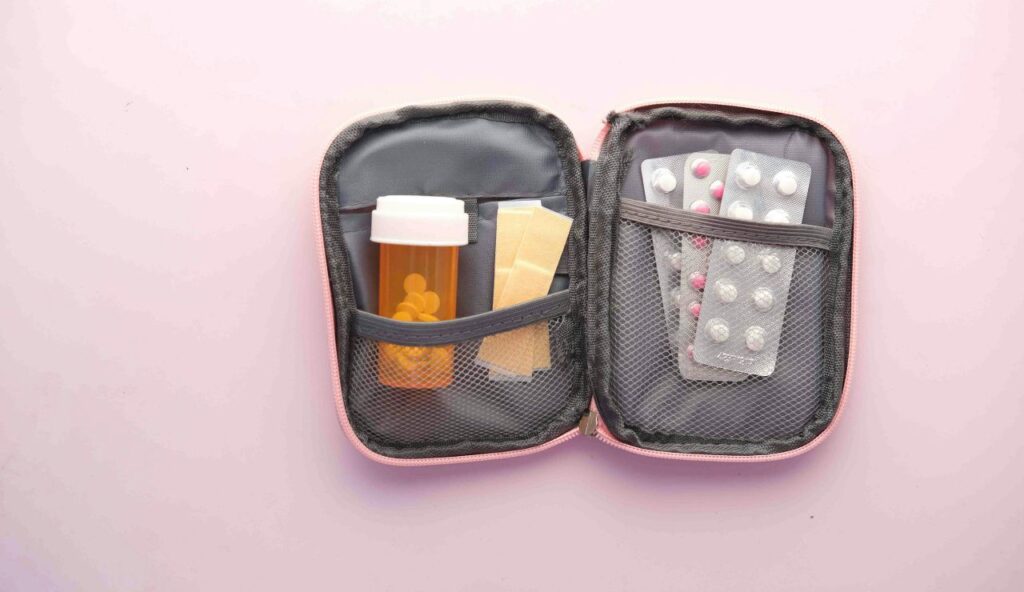
Build a tiny medicine kit for day-one problems, not a full pharmacy. Include pain relievers, antihistamines, anti-diarrheal tablets, motion-sickness meds, and a few blister bandages, all in a labeled pouch. Add two electrolyte packets for long flights or hot climates, and a couple of alcohol wipes for cleanup. When you need something at midnight, unfamiliar brands and different dosing standards make shopping stressful. Keeping the basics with you also helps if checked luggage is delayed. Store everything together so you can grab it fast at security or in a taxi. Check expiration dates before every trip and restock after you use anything.
2. A universal adapter and a short charging cable backup
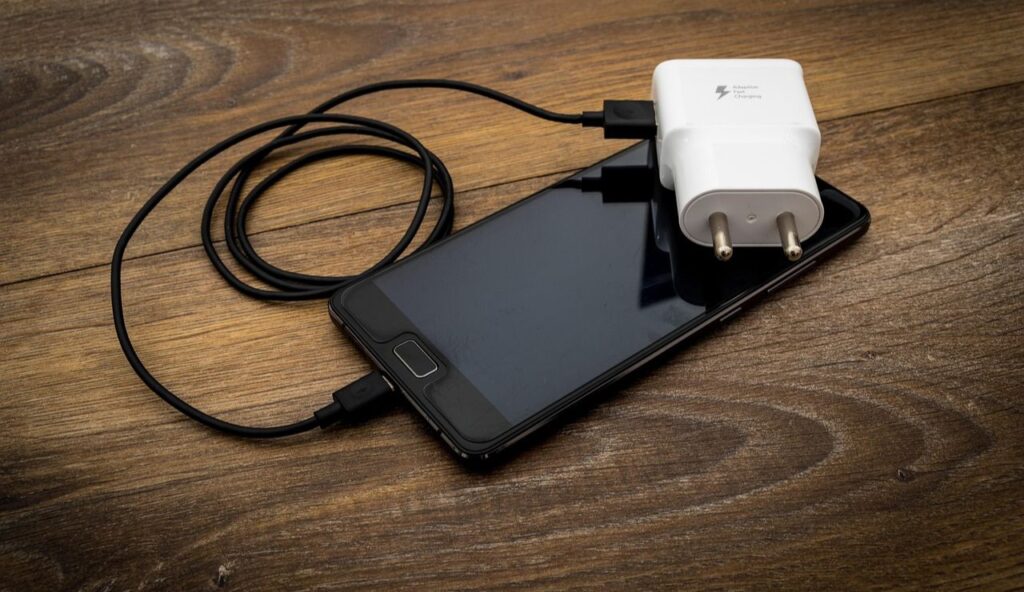
Pack a universal adapter and a short backup charging cable, even on “domestic” trips with layovers. Airports, trains, and older hotels can have loose outlets, and one broken cable can strand your boarding passes, maps, and two-factor logins. Choose an adapter that covers common plug types and includes both USB-C and USB-A ports, so you can charge your phone and earbuds at once. Keep one cable in your carry-on and one in your suitcase to reduce single-point failure. A small power bank helps, too, but the adapter is the real lifesaver abroad. Label it, because adapters vanish in hotel rooms and charging stations quickly.
3. Period products and a pain plan, even if you “won’t need it.”
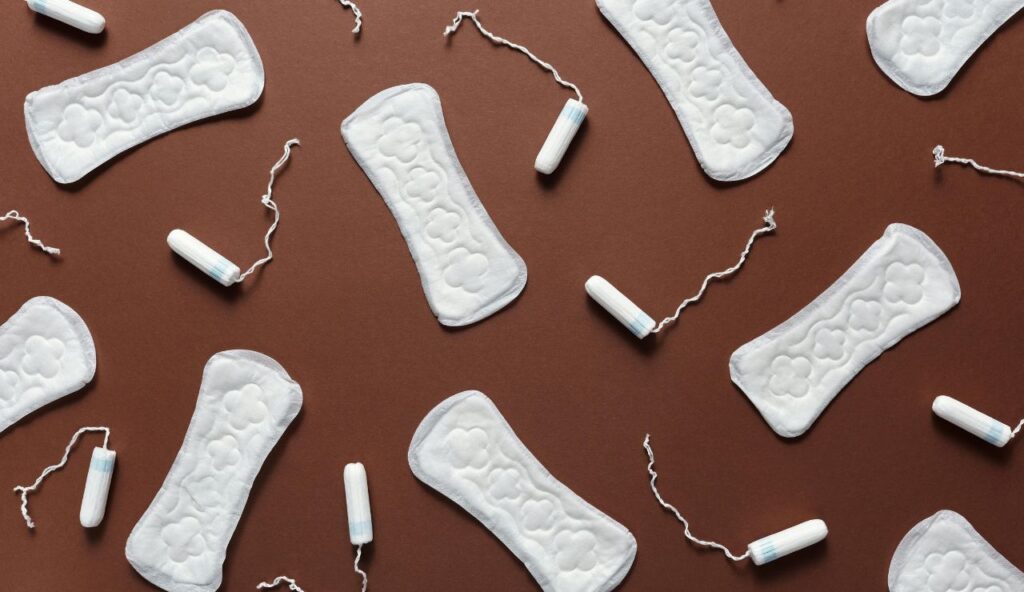
Carry period products and a pain plan, even if your calendar looks “safe.” Stress, time zones, and long flights can shift timing, and surprises are worst when you’re in transit. Pack your preferred pads, tampons, or cup supplies, plus a small zip bag for disposal and a spare pair of underwear. Add ibuprofen or your usual remedy, and consider a stick-on heat patch for cramps during tours or overnight buses. Buying replacements abroad can be confusing because absorbency labels differ and applicator styles vary. Keeping supplies in your personal item protects you if your luggage is delayed. Refill the pouch immediately after every trip.
4. A stain remover pen and a tiny sewing kit for outfit saves
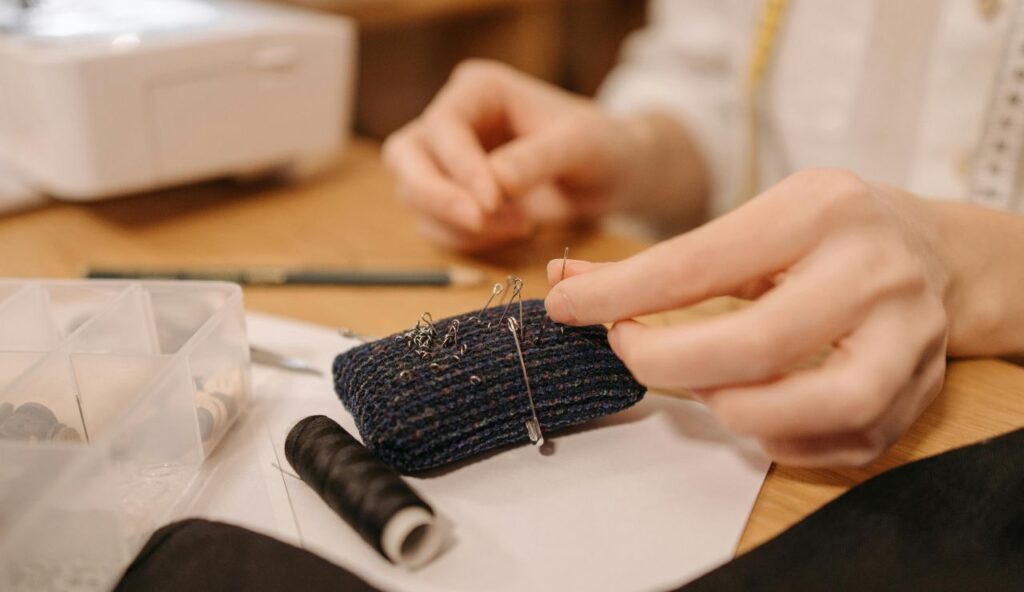
Bring a stain remover pen and a mini sewing kit to rescue outfits you planned around. Coffee drips, sunscreen smears, and makeup transfers show up fast in travel photos, especially on light fabrics. A pen handles most fresh stains, while a tiny kit with needle, thread, and a couple of safety pins fixes loose hems and popped buttons. Add two spare buttons if your favorite shirt has a unique style. On trips with limited laundry access, one ruined top can force expensive shopping in tourist areas. Keep these tools in an outer pocket so you can act quickly at a café or airport lounge, before the stain sets and becomes permanent.
5. A sleep setup: eye mask, earplugs, and one familiar scent

Pack a simple sleep setup: a contoured eye mask, comfortable earplugs, and one familiar scent cue. Hotel curtains often leak streetlights, and hallway noise spikes when other guests arrive late. Earplugs and a mask can turn a mediocre room into a workable sleep space, which matters when you have early tours or long driving days. A small scent item, like lavender balm or your regular lotion, signals “bedtime” to your brain and reduces the novelty of a new place. Better sleep improves mood and choices, so you waste less time debating plans. Keep the kit in your personal item for flights and awkward airport naps.
6. Comfortable “transfer shoes” and blister protection
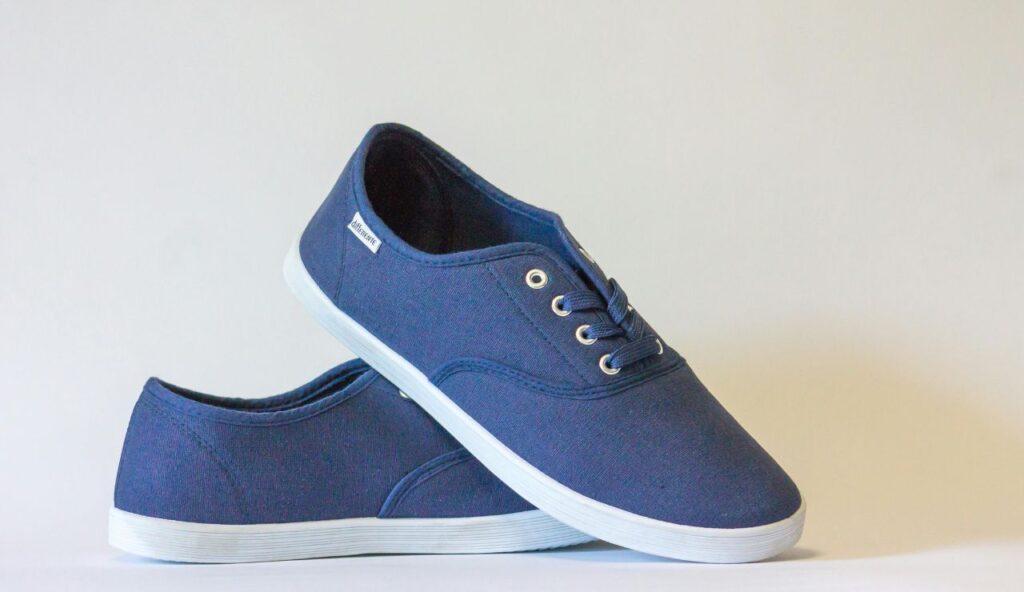
Bring comfortable transfer shoes and blister protection, even if you packed heels or dress sandals. Travel days include unexpected walks: long terminals, broken escalators, cobblestone streets, and standing in lines for museums. Shoes that feel fine at home can fail after two hours of heat and friction. Pack blister patches or moleskin, plus a small roll of tape, so you can treat hotspots before they open. If you get blisters early, you’ll spend money on taxis, skip sights, or buy emergency shoes that don’t fit your outfits. Store the blister kit where you can reach it without emptying your bag during transit days.
7. A reusable water bottle and a small snack stash
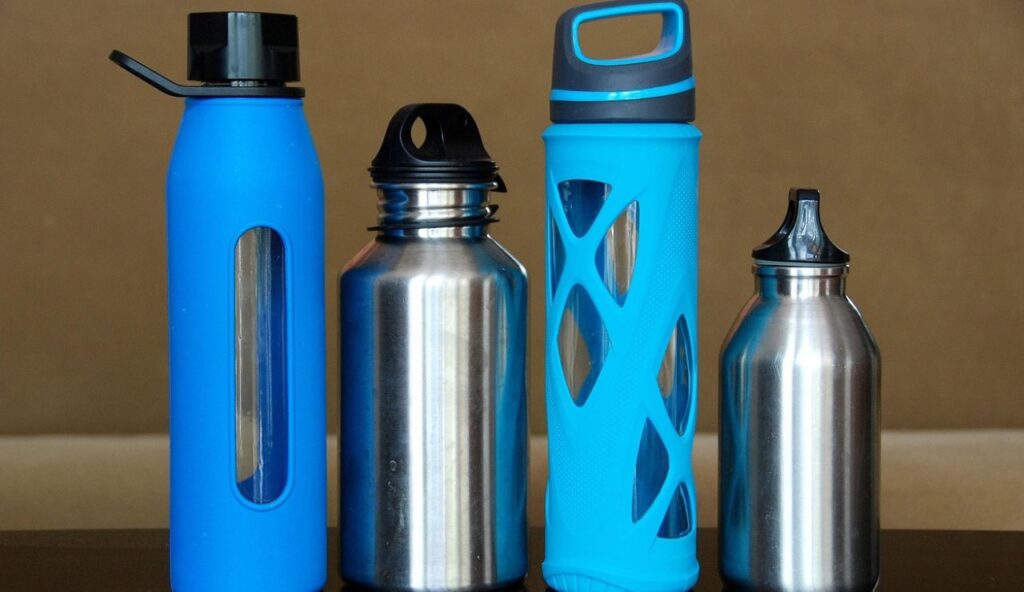
Pack a reusable water bottle and a small snack stash to stabilize energy between meals. Dehydration sneaks up on flights and walking-heavy days, and buying water adds up in tourist zones. A bottle also helps when cafes charge for water or close between meal times. Add portable snacks like protein bars, nuts, or crackers for delays, late check-ins, or long tours with limited food stops. Hunger makes travelers irritable and impulsive, which often leads to overpriced, low-quality options. This pair is especially useful in hot climates and high-altitude cities, where headaches and fatigue hit faster. Keep snacks in your bag, not your suitcase.
8. A hair plan: ties, clips, a mini brush, and humidity control
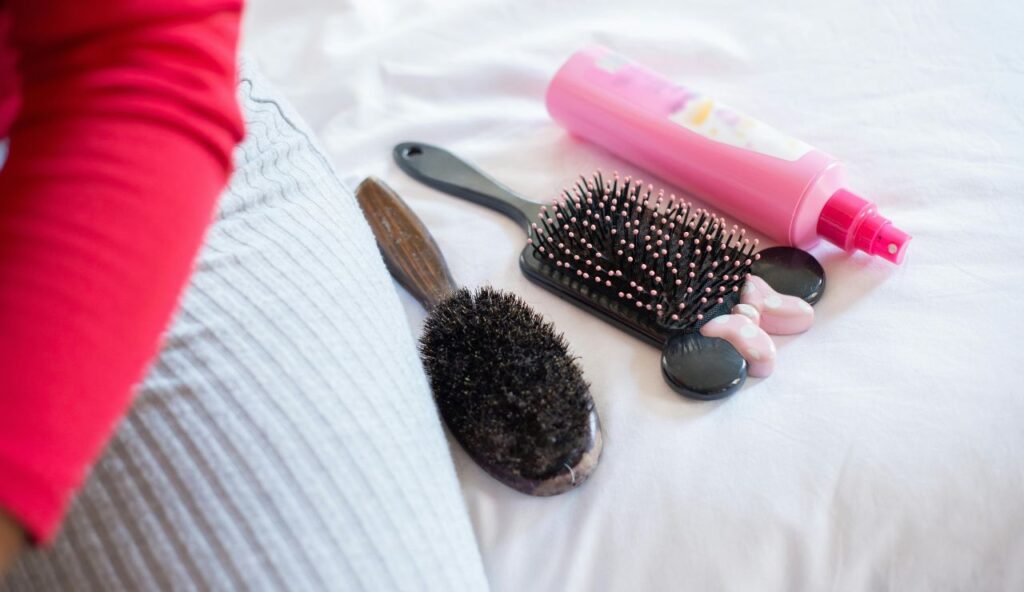
Bring a basic hair plan: two ties, a claw clip, bobby pins, and a mini brush or comb. These tiny items disappear in hotel rooms, break in transit, or get left in gym bags, and replacements abroad may not match your hair texture. If humidity turns your hair frizzy or flat, pack a travel-size anti-frizz cream or lightweight oil, plus a small dry shampoo if you rely on it. Hair control sounds cosmetic, but it affects comfort, photos, and confidence during sightseeing days. Keep the kit in your day bag so you can fix wind damage after a ferry ride or before dinner, especially before photos, museums, or dinner reservations.
9. A “document wallet” with backups and offline access
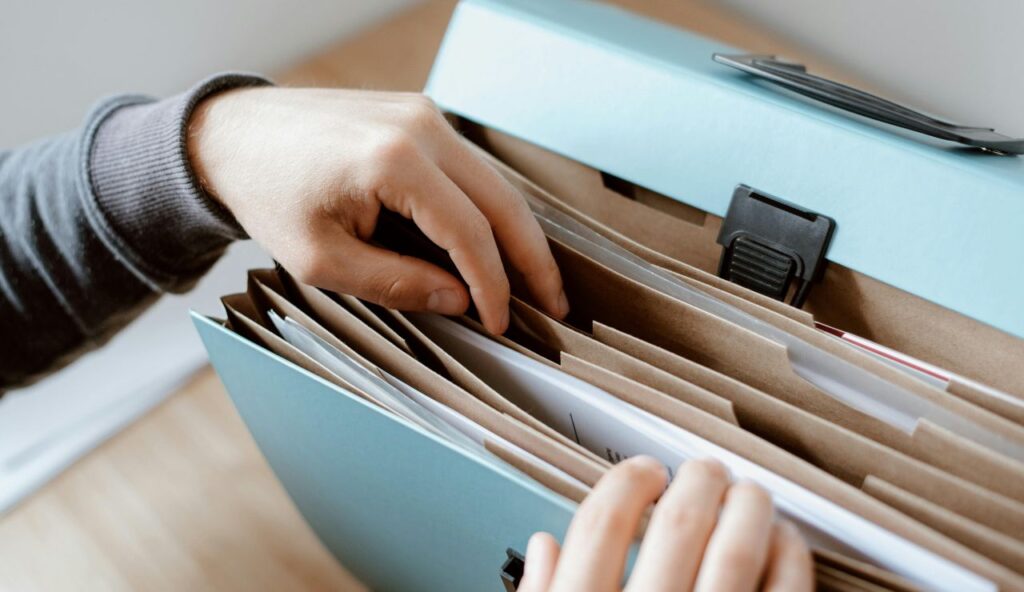
Use a document wallet that keeps essentials together and creates backups for when your phone fails. Carry a passport, ID, cards, and a paper card with your hotel address and emergency contacts. Save confirmations and tickets on your phone, but also download them for offline access and print at least one itinerary page. Wi-Fi drops in airports, QR codes won’t load, and dead batteries happen at the worst moments. Organized documents speed up border checks, hotel check-ins, and customer service calls if a card is frozen. Keep the wallet on your body in transit, not buried in a backpack. A simple system reduces stress.
10. A lightweight day bag with anti-theft basics
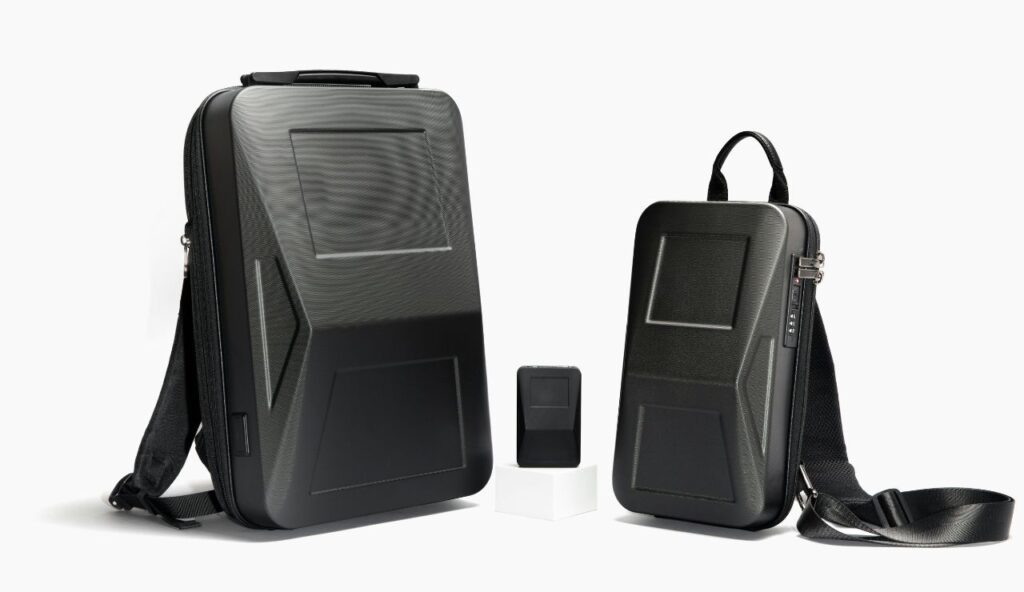
Pack a lightweight day bag that closes fully, because open totes invite loss in crowded transit. A small crossbody or compact backpack carries sunscreen, lip balm, tissues, and hand sanitizer without daily repurchasing. Add an anti-theft habit: clip zippers with a carabiner or use a zipper lock in busy markets. This doesn’t make you invincible, but it blocks quick “grab-and-go” theft and keeps your hands free for tickets and photos. Many travelers forget a day bag and end up juggling items, which increases shoulder strain and anxiety. Choose something comfortable, water-resistant, and neutral so it matches most outfits on every trip.