
Historical Hounds: The Four-Legged Icons: 7 Pets Who Quite Literally Changed the Course of History
History isn’t only shaped by generals or scientists; sometimes it turns on paws. A sled team carrying antitoxin, a trench dog sensing danger, or a loyal companion becoming a city symbol can shift decisions and public memory. This MSN-style list focuses on what happened, where it occurred, and why it mattered. Each section highlights one famous pet and the ripple that followed, from practical rescue work to cultural influence. Read it like a timeline of small acts becoming big stories, proof that human history includes animals, too. You’ll see how media and monuments kept these animals influential long after.
1. Balto: The Sled Dog Linked to Alaska’s 1925 Serum Run
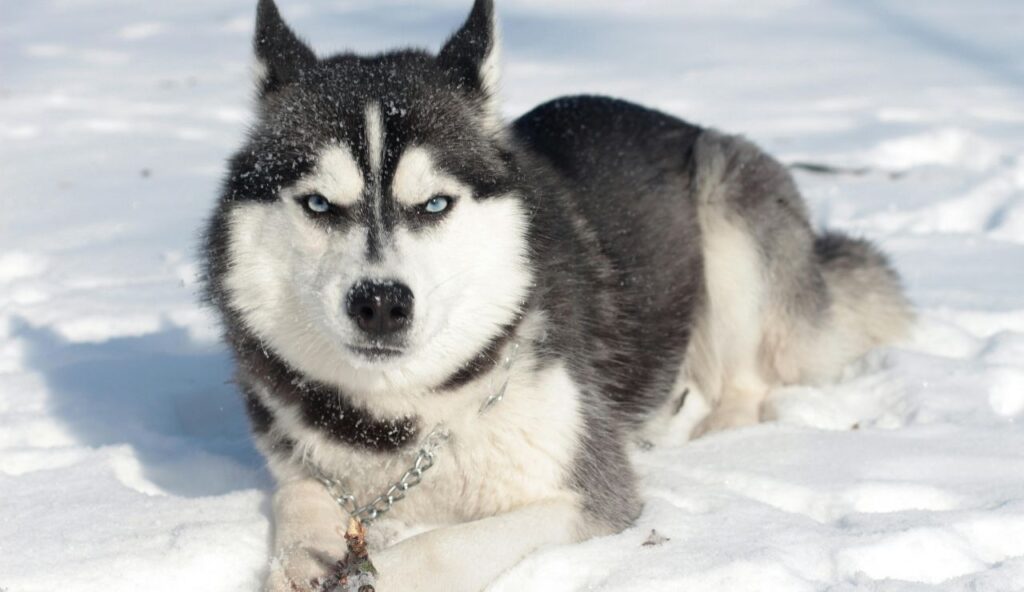
Balto is associated with the 1925 serum run to Nome, Alaska, during a diphtheria outbreak. Antitoxin had to cross frozen trails fast, so mushers relayed it by sled dog teams. Many dogs and drivers carried essential legs, yet Balto’s team finished the final stretch and became the headline. The broader impact was increased confidence in coordinated emergency logistics during extreme weather conditions. The story popularized sled dogs as working partners and shaped how people imagine medical delivery before airplanes. It also sparked lasting debates about credit and storytelling in disaster history. Statues and books keep that lesson visible.
2. Laika: The Stray Dog Who Became a Space Age Milestone
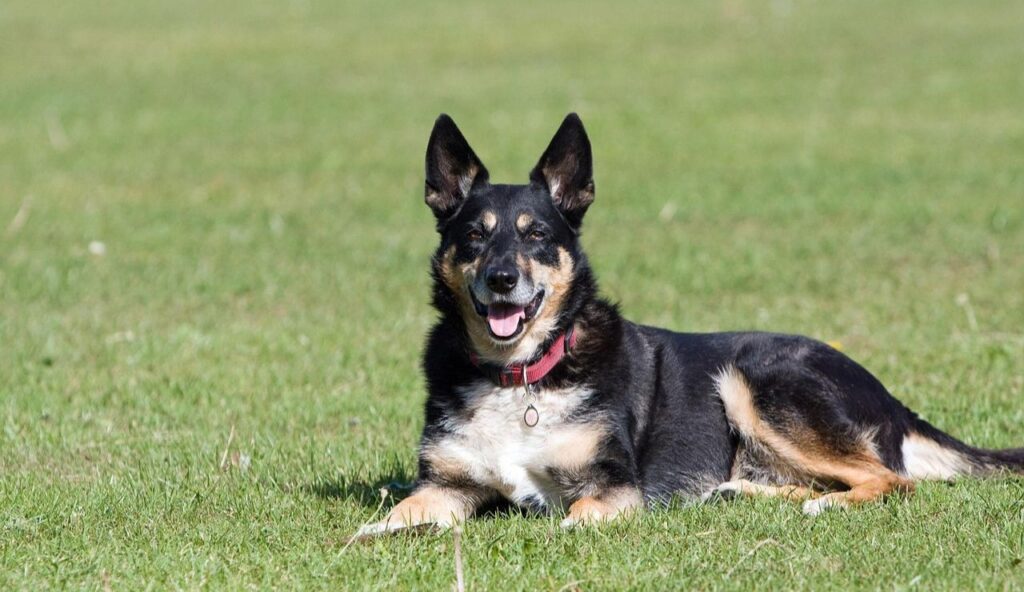
Laika, a small mixed-breed dog from Moscow, flew on Sputnik 2 in 1957 and became one of the first living beings to orbit Earth. The mission forced engineers to solve life-support basics, oxygen, temperature control, feeding, and stress during launch, while proving that living bodies could survive space conditions long enough to gather data. For the public, Laika made the Space Race feel personal and urgent. Her flight also ignited lasting ethical debates about animal testing and exploration. Even with controversy, Laika reshaped how nations measured progress, risk, and responsibility in space science.
3. Sergeant Stubby: The Trench Dog Who Warned Soldiers in World War I

Sergeant Stubby was a stray adopted by U.S. troops in World War I and taken to the front. Soldiers credited him with reacting to shellfire and poison gas before humans noticed, giving precious seconds to take cover or mask up. Beyond warnings, Stubby mattered as morale equipment: a dog created routine, comfort, and identity amid mud and fear. That steadiness can reduce panic and improve cohesion in small units. Stubby’s fame helped establish the idea that animals can serve alongside people, shaping later military working-dog programs and public respect for them. His story inspires modern handlers.
4. Seaman: Lewis and Clark’s Dog on a Continental Expedition
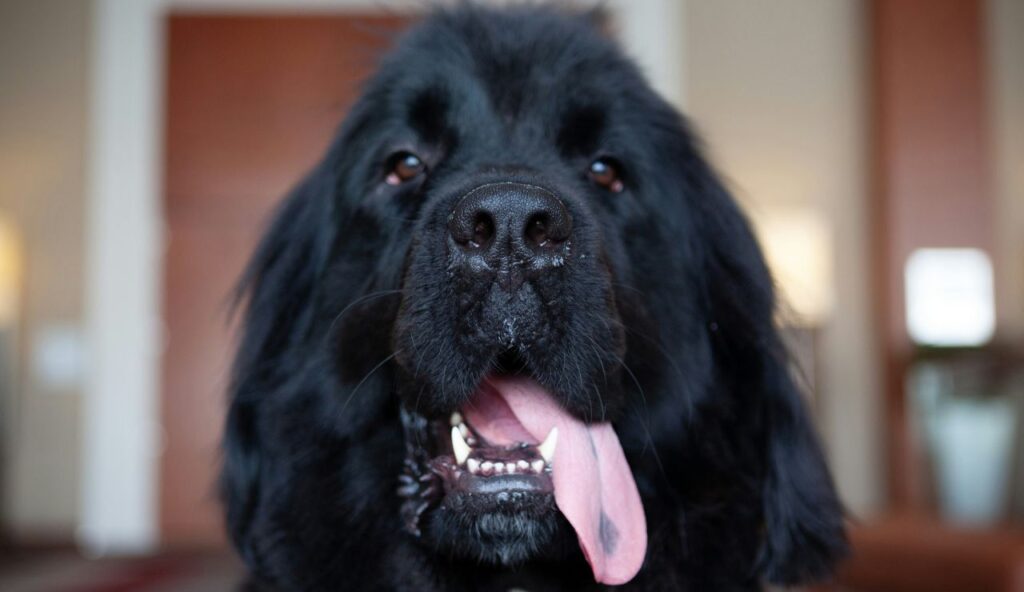
Seaman, Meriwether Lewis’s Newfoundland, traveled with the Lewis and Clark Expedition from 1804 to 1806 across rivers, plains, and unfamiliar campsites. A large working dog added real utility: guarding supplies, alerting the party to wildlife, and signaling approaching strangers before humans noticed. Seaman also boosted morale by bringing a sense of home into a risky journey where routines were fragile. During first meetings, a calm, controlled dog could communicate discipline and reduce tension. By accompanying a landmark exploration, Seaman became part of the story Americans tell about endurance, mapping, and survival on the frontier.
5. Fala: Franklin D. Roosevelt’s Scottish Terrier and a Political Symbol

Fala, Franklin D. Roosevelt’s Scottish Terrier, shaped history through perception and media. In photos and public anecdotes, the dog made a wartime president appear approachable, steady, and human, which strengthened trust during uncertainty. Fala also became a symbol inside political messaging, showing how personal details can influence public narratives. When critics mocked rumors about travel or spending, Roosevelt’s references to Fala helped counter with humor and clarity, keeping attention on credibility. The dog didn’t draft policy, but he reinforced an image of stability, soft power that can affect morale, unity, and voter confidence.
6. Hachikō: The Dog Whose Loyalty Became a National Story

Hachikō, an Akita in Japan, became famous for waiting at Shibuya Station long after his owner died. The repeated act transformed private loss into a public ritual, and the station became a shared landmark of remembrance. Hachikō’s impact was cultural rather than tactical: he shaped how loyalty is defined, illustrated, and expected in relationships. Statues, news stories, and later films kept the narrative circulating, influencing tourism and local identity. Because the story depends on consistency over the years, it teaches how a habit can become history when a community chooses to honor it. That lesson travels across languages.
7. Unsinkable Sam: The Cat Story That Traveled Through World War II Navies

Unsinkable Sam is the nickname for a cat tied to multiple naval sinkings during World War II, later adopted into sailor folklore. Some details are disputed, but the mechanism is clear: in extreme stress, crews latch onto survival stories that offer humor, luck, and a sense of control. A ship’s cat already had practical roles like pest control, yet the legend turned an ordinary animal into a floating mascot. Such narratives can lift morale, encourage perseverance, and spread through newspapers and ports as shared shorthand. Sam’s story shows how pets become historical symbols even when history blurs into myth for generations.