
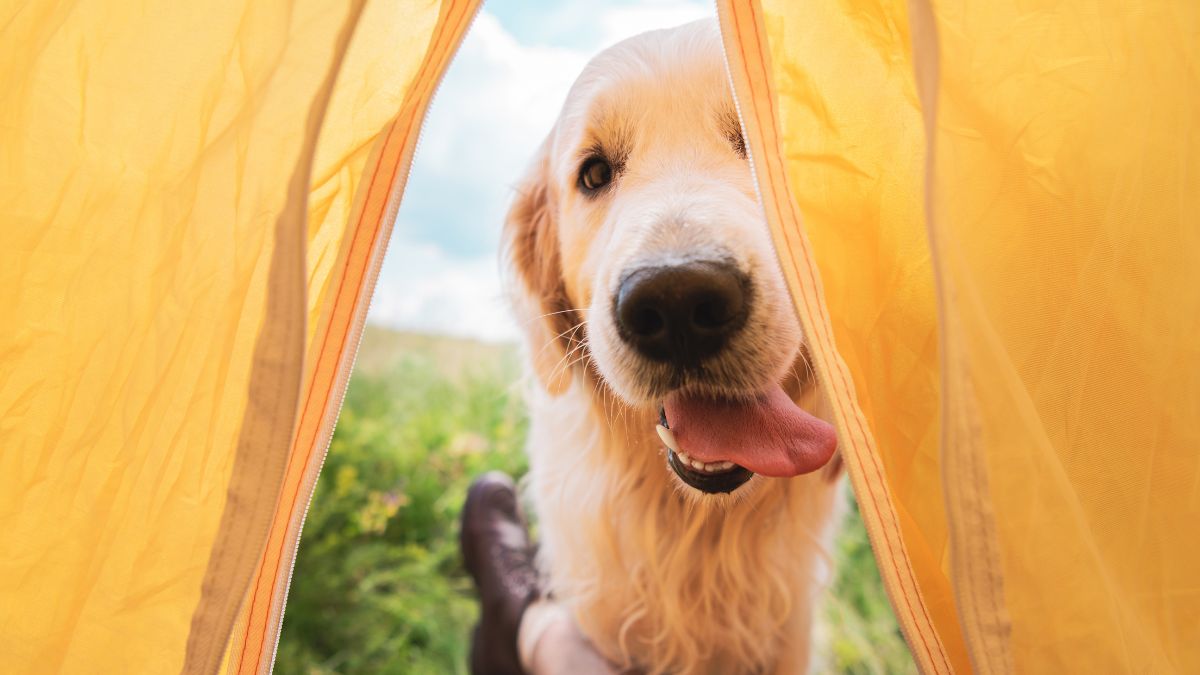
What You Absolutely Must Know Before Taking Your Dog on a Camping Trip
There is something irresistible about waking up to birdsong with a warm, snoring dog curled up beside the sleeping bag. Going camping has become a popular family activity, and a growing number of pet owners are now bringing their dogs along for the adventure. For many people, a trip into the woods simply does not feel complete without their four legged companion in tow.
Before the tent even goes up, though, it is worth asking whether your particular dog is actually cut out for the experience. A dog that barks excessively, lacks basic obedience skills, or becomes anxious around strangers may not be ready for a camping trip, and extreme weather can make the outing unsafe regardless of temperament. Older dogs, those with mobility issues, or pups that simply are not used to new faces and sounds might be happier staying home with a trusted sitter.
Once you have decided your dog is up for it, the real preparation begins, and this is where most trips succeed or fail. Every dog heading into the wilderness needs to be vaccinated, microchipped, and current on parasite prevention, and it helps to establish a relationship with a nearby veterinarian if you are traveling far from home. It is also smart to contact the campground directly beforehand to confirm pet policies, since many state parks, national parks, beaches, and trails restrict or completely prohibit dogs.
Gear matters just as much as paperwork once you arrive at the site. Local leash laws should always be respected, and a long lead paired with a portable stake can offer a good balance of freedom and control around camp. Fresh drinking water should be available at all times, and collapsible bowls along with a supply of food make it easier to keep your dog fed and hydrated away from home. A dog specific first aid kit with tweezers for pulling ticks or cactus spines and a paw balm for cracked pads is easy to overlook but genuinely important to pack.
Wooded areas come with their own hidden hazards that many first time camping owners underestimate. Insects including fleas and ticks are common in the wooded areas where campsites are typically located, so starting flea and tick prevention before the trip is essential. Wildlife carried diseases such as canine distemper, leptospirosis, and Lyme disease can have serious consequences for exposed dogs, which makes vaccination status especially important near raccoons, rats, and ticks. Heat exhaustion is another real risk, with panting, drooling, weakness, and collapsing serving as warning signs that a dog’s body temperature has climbed too high.
Supervision is the rule that ties everything else together. Dogs should stay with their owners at all times, day and night, and should never be left inside a closed vehicle. Leaving a dog alone in a tent is not much safer, since fabric offers no real barrier if a dog decides to chew or claw its way out. A nose to tail check each evening for ticks, burrs, or scratches rounds out a safe routine before settling in for the night.
A well prepared camping trip with a dog tends to become one of the most memorable parts of the whole season, ticks and tangled leashes included. The wilderness has a way of bringing out a dog’s purest joy, provided the basics are covered before the car even leaves the driveway. What is the one item you never camp without when your dog comes along?