

Van Life vs. Reality: What No One Tells You About Living on the Road.
Scrolling through social media, van life looks effortless. Sunsets framed by open doors, coffee brewed beside mountain views, and endless freedom from routine. The reality is more layered. Living on the road can be deeply rewarding, but it also demands planning, resilience, and financial awareness. Before trading rent for wheels, it helps to understand what daily life actually feels like beyond curated photos and filtered inspiration. The beauty is genuine, but so are the trade-offs. Knowing both sides helps set realistic expectations.
Freedom Comes With Logistics

Van life promises freedom, and in many ways, it delivers. You can change scenery overnight and wake up where most people only vacation. Yet that freedom runs on planning. Parking rules, fuel costs, weather shifts, and safe overnight spots need daily attention. Public land may exist, but it is not always easily available near cities. Flexibility becomes essential, and spontaneity often rests on preparation. Apps and local forums help, but you still confirm signs and private property lines. A backup plan for each stop keeps you from driving tired at midnight. Responsible travel also means leaving each spot exactly as you found it.
Showers Are a Strategy, Not a Given
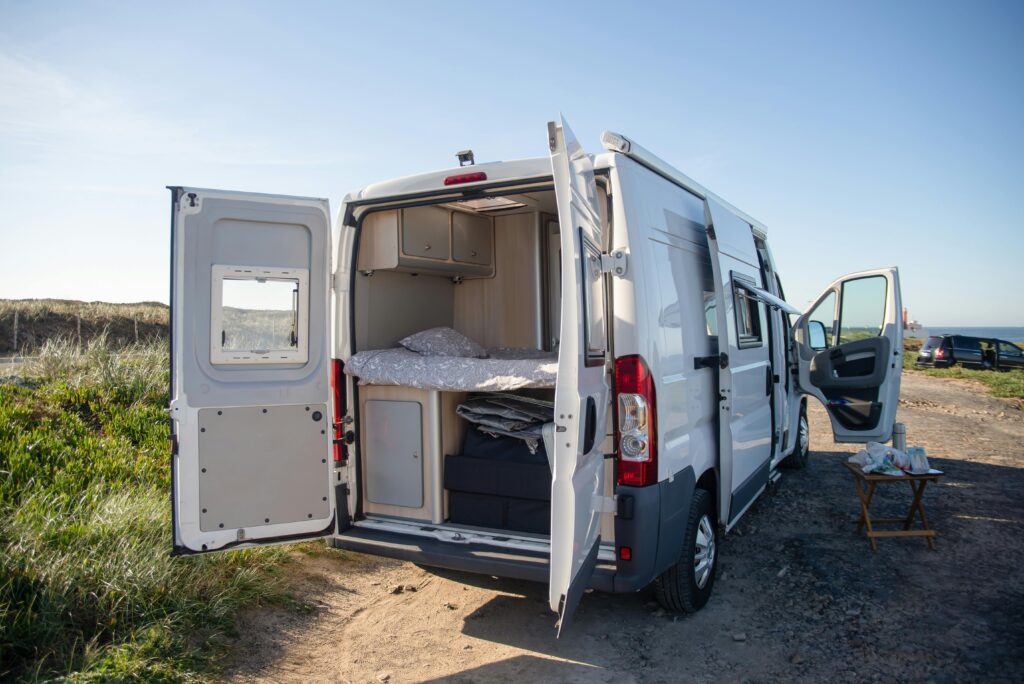
One of the first adjustments is hygiene logistics. Unless you built a bathroom, there is no automatic shower. Many rely on gym memberships, campground facilities, or portable setups. Affordable gym chains can help, but availability changes by region. Water storage limits showers, laundry, and dishwashing. Cleanliness becomes scheduled, not assumed. You also plan refill stops and dump stations. Small routines, like wipes and quick rinses, keep things comfortable between longer showers. On longer stretches, you time showers around workouts and campground stays. A small mat and a wet bag help keep the van dry.
Weather Controls Your Schedule
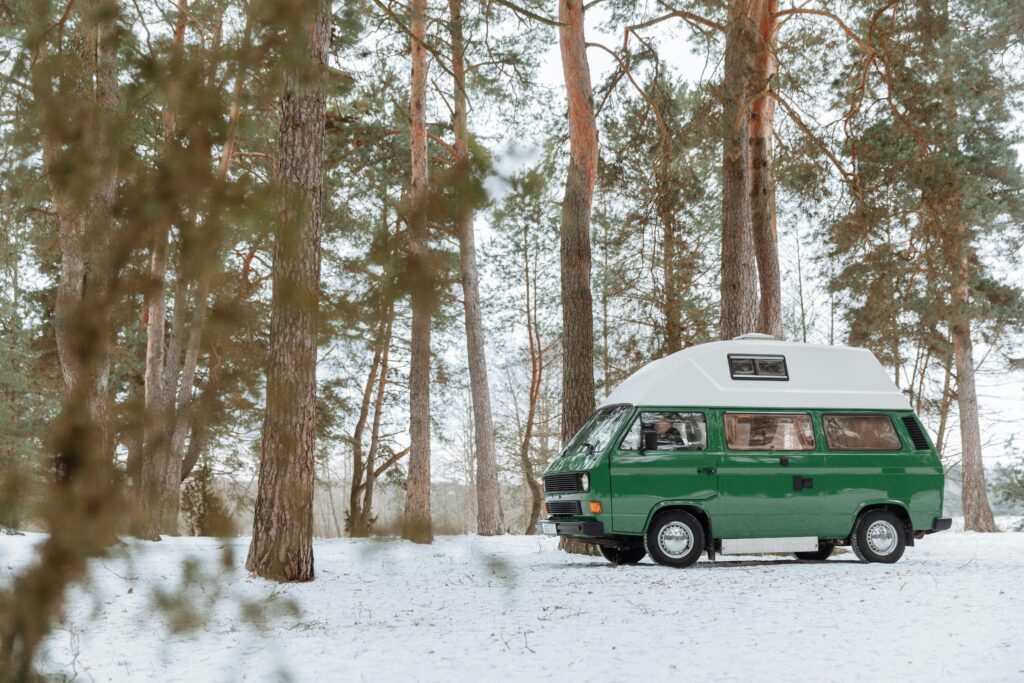
In a van, temperature is not background noise; it shapes the whole day. Summer heat can turn the cabin into an oven without ventilation and shade. Winter travel demands safe heating and constant attention to condensation. Parking in the sun or shade becomes a strategy. Storms feel immediate, and wind can make sleep difficult. Forecast checks guide routes and rest days. Learning local microclimates helps. The best van lifers move with the weather instead of fighting it. Heat, altitude, and humidity change how you sleep and how your fridge, batteries, and water system perform. The smartest upgrades are often insulation and airflow, not flashy gear.
Space Is Both Minimal and Constant
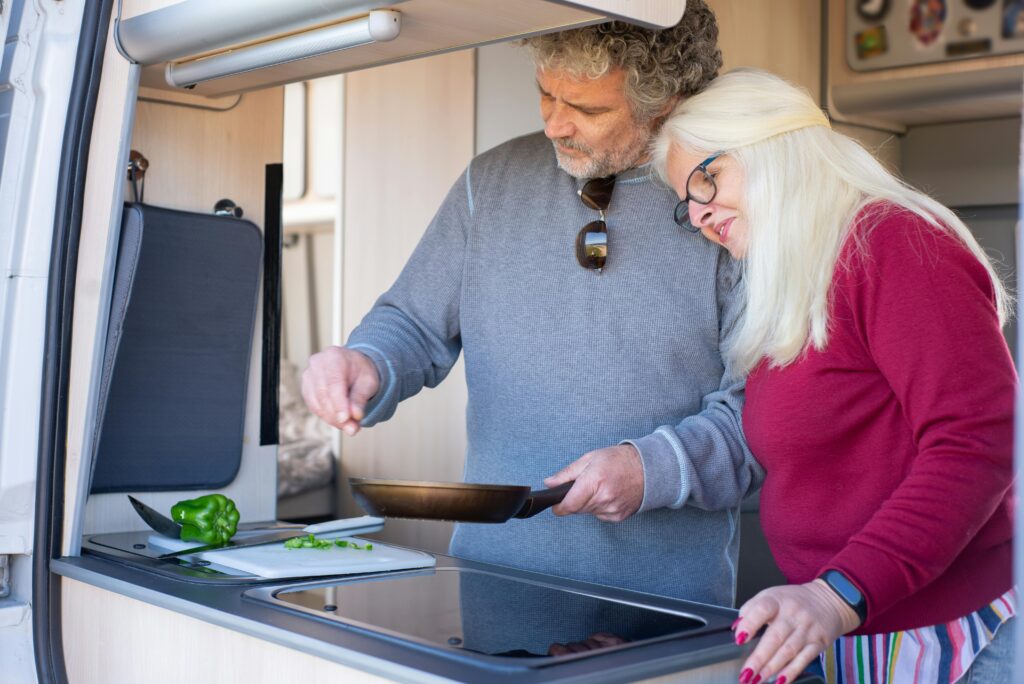
Living small means every item must earn its place. Storage has to be intentional, and clutter quickly affects mood and movement. You are always within a few feet of everything you own, which can feel efficient or overwhelming. Privacy requires creativity, especially with a partner or pet. Clear communication matters as much as good shelving. Daily reset habits, like a two-minute tidy, prevent chaos. Comfort often comes from systems, not extra space. You also negotiate shared routines: cooking, quiet time, and where shoes and bags live. When the layout supports your habits, the van feels cozy, not cramped, even on long rainy days.
Costs Shift, They Do Not Disappear
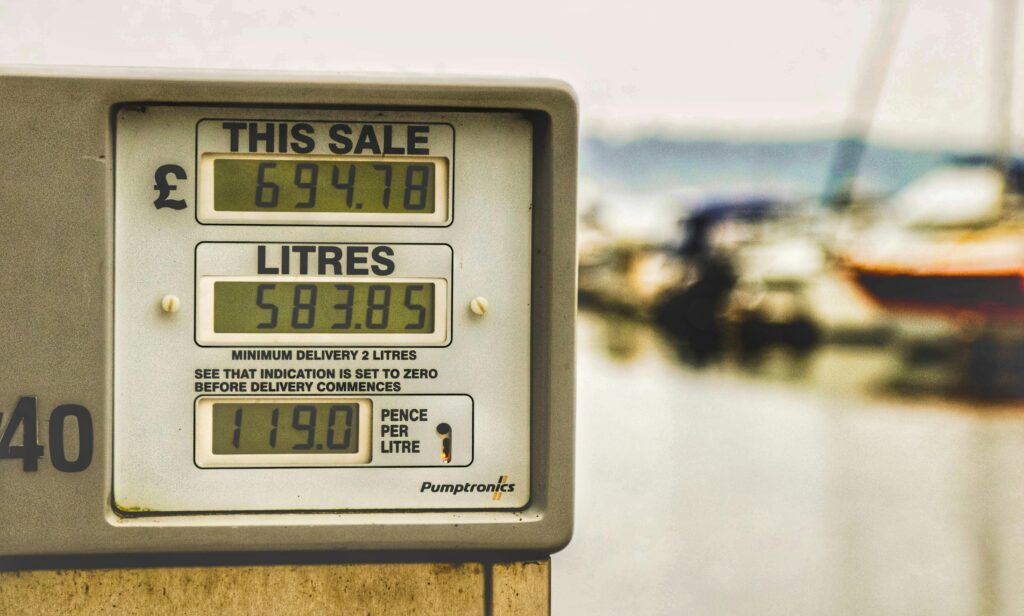
Many try van life to cut costs. Losing rent helps, but other expenses replace it. Fuel, insurance, campground fees, and routine maintenance add up fast. Repairs are unavoidable and can become expensive without warning. The lifestyle can be cost-effective with planning, yet it is rarely inexpensive. A savings buffer protects your trip when a tire, battery, or alternator fails. Tracking spending weekly keeps surprises smaller. Freedom feels better when finances are predictable. Even simple needs, like laundromats and paid parking, show up more often than people expect. The most affordable months usually happen when you slow down and drive less.
Loneliness Can Surface Unexpectedly
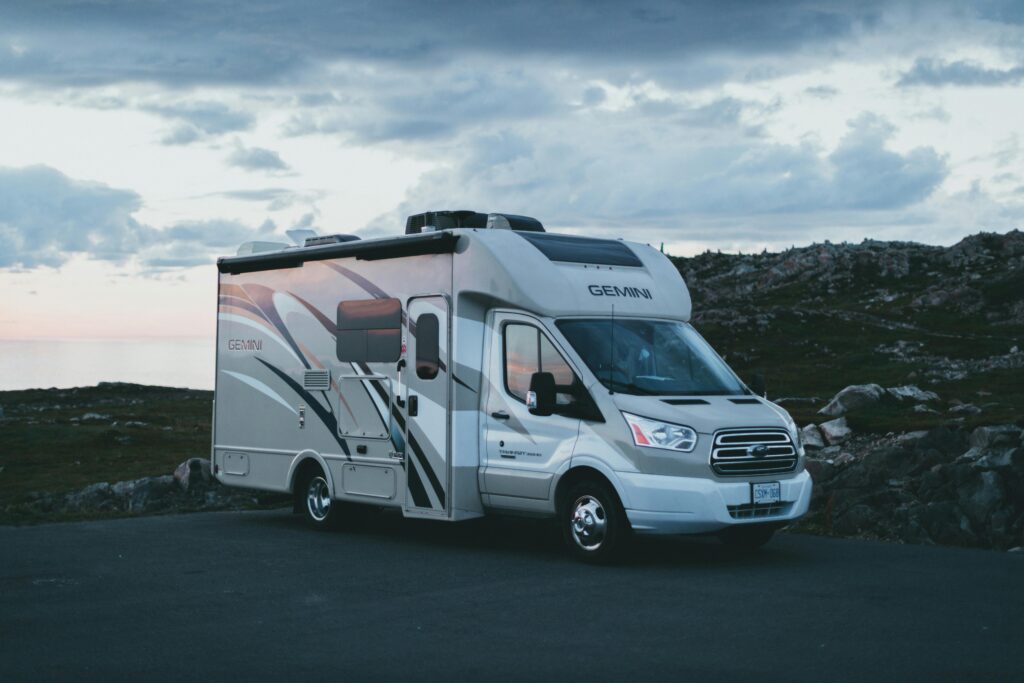
The road delivers big views and memorable encounters, but it can also feel lonely. Constant movement makes long-term friendships harder to keep. Limited signal, time zones, and quiet nights can amplify isolation. Many travelers join online groups, coworking days, or local meetups to build community. Connection takes intention. Scheduling calls, revisiting favorite towns, and volunteering can help. Solitude can be healing, yet emotional balance improves when you plan for people, not only places. Pets can help, but they add responsibility that limits spontaneity. Many feel best mixing solo days with planned social stops.
Work Requires Structure

Remote work on the road is possible, but it needs structure. The Internet is not guaranteed in remote areas, and public Wi-Fi may be unreliable or insecure. Many invest in hotspots, signal boosters, and backup SIMs. Without boundaries, work and rest blur in a small space. Clear hours, a simple desk setup, and a shutdown routine protect focus. Planning routes around coverage maps reduces stress. Van life works best when flexibility is paired with steady work habits. Some people rent a desk a few days a week to reset posture and meet others. Treating work like a non-negotiable appointment makes travel feel sustainable, not chaotic.
Maintenance Is Ongoing

Your home is also your vehicle, so maintenance never pauses. Oil changes, tire checks, and brake inspections become housing chores. Small issues ignored early can turn into costly breakdowns later. Interior systems also need care: batteries, wiring, water pumps, and propane lines. Preventative checks protect safety and comfort. Keeping a basic tool kit and spare parts is wise. A simple monthly checklist makes life smoother. Reliability is what keeps the adventure enjoyable. Budget time for service days, since a shop visit can take hours. Staying ahead of repairs avoids hotel bills. A simple checklist keeps you on track.
The Rewards Are Real, but Earned
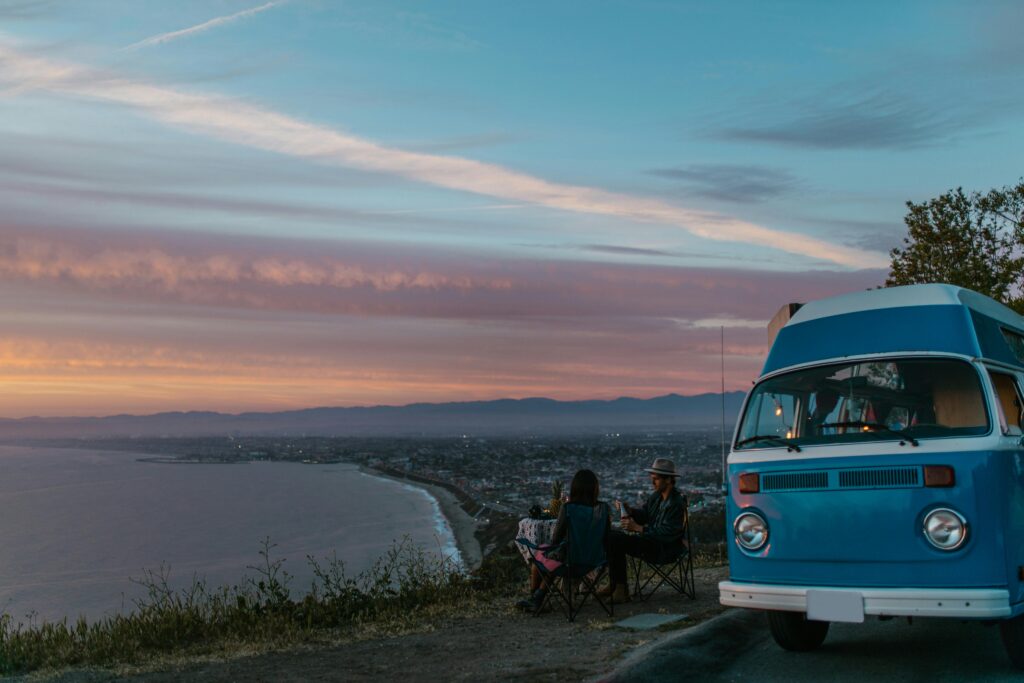
Despite the tough parts, many people find van life genuinely transformative. Waking up to new landscapes and simplifying possessions can reset priorities. The lifestyle builds adaptability, problem-solving, and presence. Quiet mornings outside busy cities often feel richer than any highlight reel. The rewards come from effort: planning, patience, and learning as you go. If you expect perfection, you will struggle. If you expect growth, the road can give it in full, unforgettable ways. You learn what you truly need, and what was just a habit. For many, that clarity, plus the ability to chase seasons and quiet places, is the real luxury.


