

Traveling with Cats? 5 mistakes owners keep making
Traveling with a cat can go smoothly, but only if you plan for how cats actually handle change. Many owners assume their cat will “adjust” the way a dog might, then end up dealing with stress, hiding, accidents, or even a dangerous escape. These five common mistakes are easy to make, but even easier to fix once you know what to watch for before your next trip. A little preparation can mean the difference between a calm ride and a chaotic one. With the right steps, most cats can travel safely without fear taking over.
1. Skipping carrier training until travel day
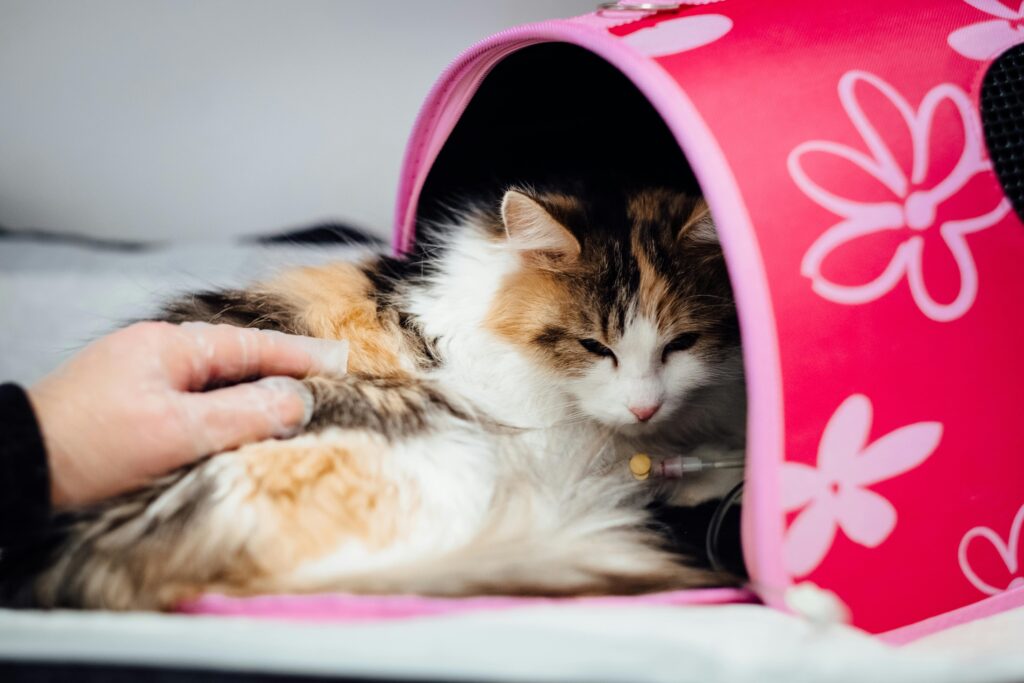
One of the biggest mistakes cat owners make is treating the carrier like a last-minute travel tool instead of a normal part of life. If the carrier only appears when something stressful happens, most cats will panic the moment they see it. A better approach is to leave it out at home, add a soft blanket, and occasionally toss in treats so it feels familiar. Even a few short practice sessions can reduce crying, scratching, and anxiety during the trip. You can also feed meals near the carrier to build a positive association faster. If your cat only tolerates the carrier for short bursts, start with one minute, then slowly increase.
2. Letting the cat ride loose in the car
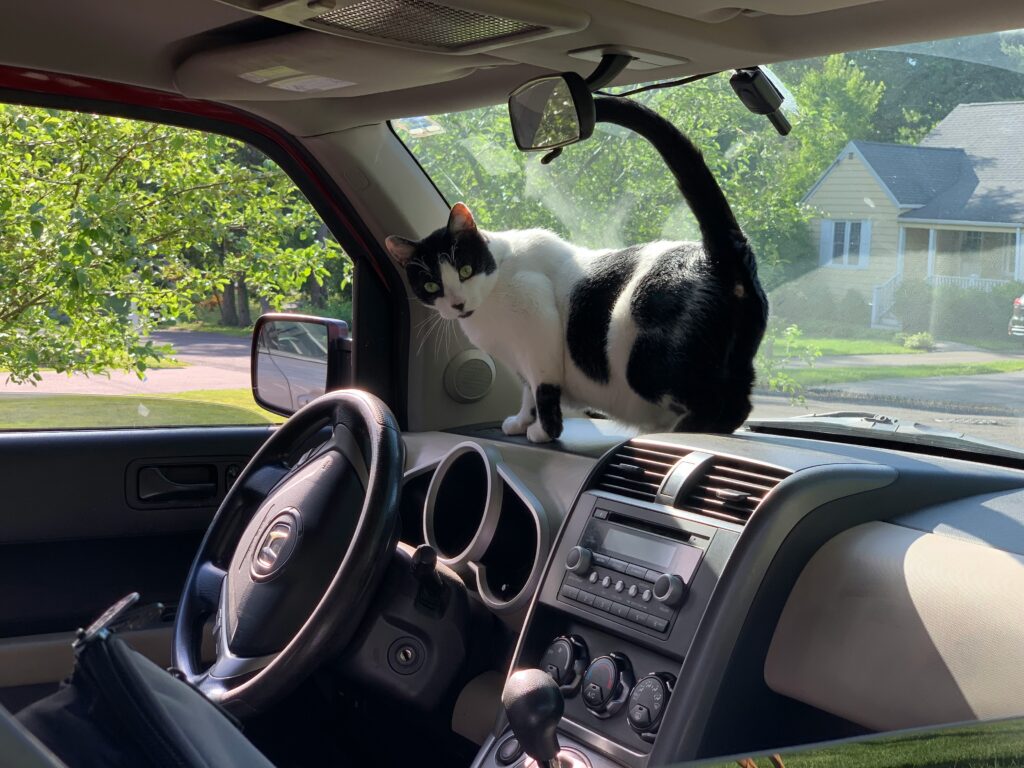
Many owners think a loose cat will “calm down” if it can move freely, but it usually creates the opposite problem. A cat can climb into the driver’s lap or bolt when a door opens at a stop. In a sudden brake, an unrestrained cat can also get seriously injured. A secured carrier is not just safer, it’s also more comforting because it creates a small, predictable space in a confusing environment. Place the carrier on the back seat and secure it with a seatbelt so it doesn’t slide. Avoid opening the carrier door inside the car unless necessary. If your cat yowls nonstop, a calming pheromone spray on the bedding may reduce stress.
3. Feeding right before the drive
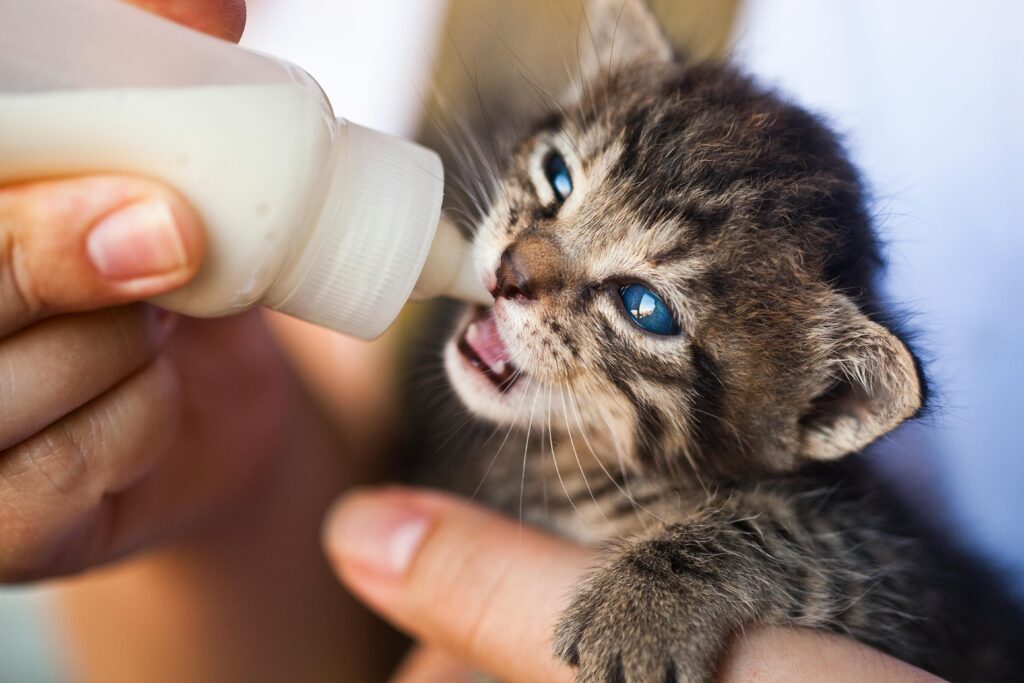
It’s common to feed a cat right before leaving, thinking it will keep them comfortable, but it often leads to nausea, vomiting, or a messy carrier. Cats can get motion sickness, especially if they are anxious or not used to car rides. Most vets recommend avoiding a full meal right before travel, while still making sure the cat stays hydrated. A small snack earlier, plus access to water during breaks, usually works better. If you’re traveling early, feed the night before and offer a light snack a few hours ahead. Always keep wipes and a trash bag in reach, not buried in luggage. Some cats also do better when the car is kept cool and well-ventilated.
4. Assuming hotels, rentals, or family homes are “cat-proof.”

A new space may look safe to humans, but cats notice every gap, hiding spot, and escape route. Owners often let the cat out immediately, then spend hours trying to locate it behind furniture, inside closets, or under beds. A smarter move is to start with one small room, set up the litter box, water, and a familiar blanket, then let the cat explore slowly. Do a quick scan for hazards like dangling cords, toxic plants, and open vents. If there’s a balcony, keep the door shut even if the view seems safe. Many cats need several hours to settle, so don’t rush them just because you’re unpacked.
5. Forgetting ID, paperwork, and a real travel plan
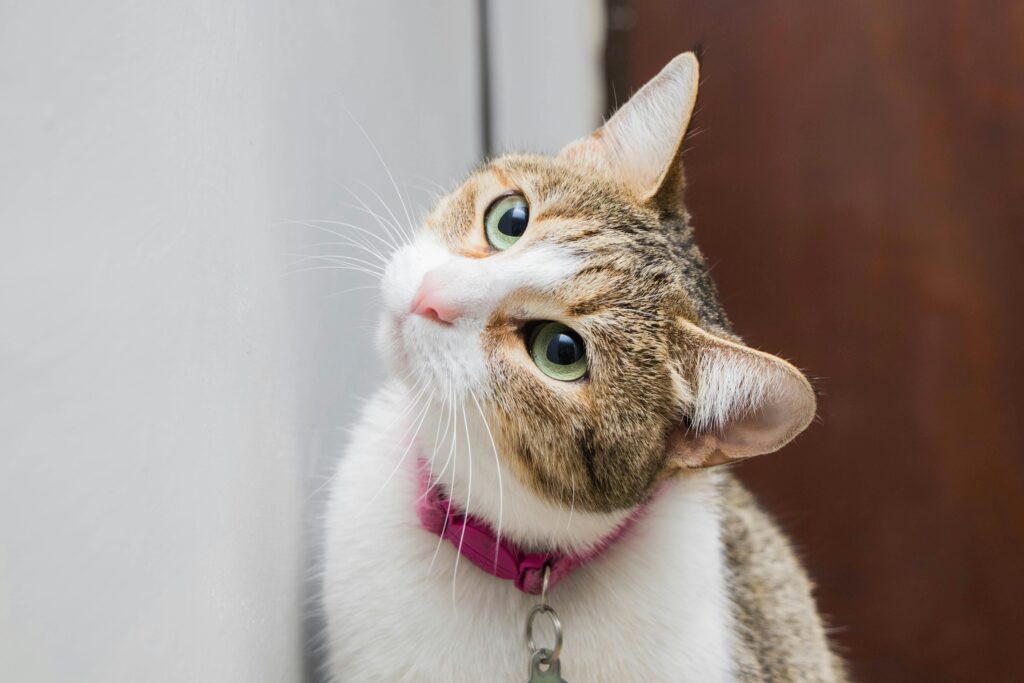
Many cat travel emergencies happen because owners assume “nothing will happen,” then get stuck without the basics. A microchip and a secure collar with an ID tag are essential, even for indoor-only cats. If you’re flying, crossing state lines, or boarding your cat, you may also need updated vaccination records or a health certificate. It’s also smart to pack a mini cat travel kit: litter, disposable bags, wipes, and any meds. A little planning makes the whole trip safer and calmer. Save a clear photo of your cat on your phone in case you need to show it quickly. Keep vet contact details handy, including an emergency clinic near your destination.