

Trailblazing Queens: Hiking, High Peaks, and Hounds: The Ultimate Guide to Women’s Solo Pet-Friendly Treks
Solo hiking with a pet is no longer a fringe pursuit; it’s a growing movement driven by women seeking freedom, safety, and a deeper connection with nature. Traveling alone with a dog or trail-savvy pet offers companionship without compromise, turning remote paths into shared journeys rather than solitary risks. However, pet-friendly treks demand more preparation than solo travel alone. Terrain, climate, safety planning, and animal readiness all play a role. When done right, these adventures build confidence, resilience, and trust between human and animal, creating experiences that feel empowering rather than intimidating.
Choosing Trails That Support Both Independence and Safety
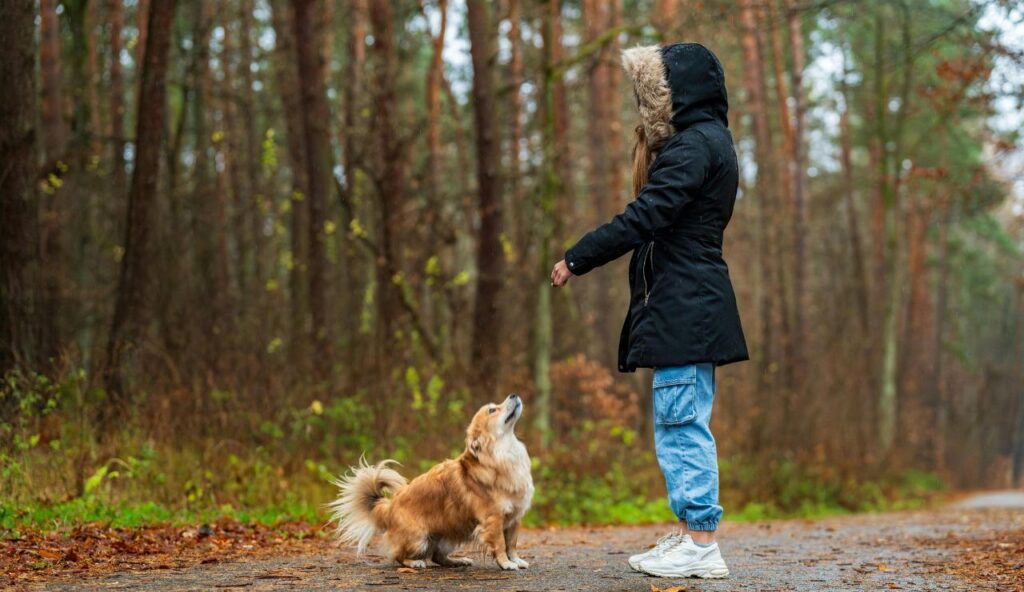
Not every trail is suited for solo hikers with pets. The best routes balance challenge with accessibility, offering clear markings, manageable elevation changes, and reliable exit points. Women hiking alone benefit from trails with moderate foot traffic, enough to feel secure without sacrificing solitude. Pet-friendly regulations matter just as much, including leash rules and wildlife considerations. Choosing routes with water access, shaded sections, and stable footing protects both hiker and animal. Thoughtful trail selection reduces risk and allows focus to shift from vigilance to enjoyment and confidence on the path ahead.
Preparing Your Pet for Distance, Terrain, and Exposure
A successful trek depends as much on your pet’s readiness as your own. Pets must be conditioned for distance, elevation, and varying surfaces long before reaching high peaks. Gradual training builds endurance and prevents injury. Paw protection, hydration planning, and weather tolerance are non-negotiable considerations. Emotional readiness matters too; pets that handle unfamiliar environments calmly make solo travel safer. Preparation isn’t restrictive; it’s empowering. When your pet is confident and capable, the journey becomes cooperative rather than stressful, allowing both of you to move with trust and rhythm.
Gear That Protects Without Slowing You Down
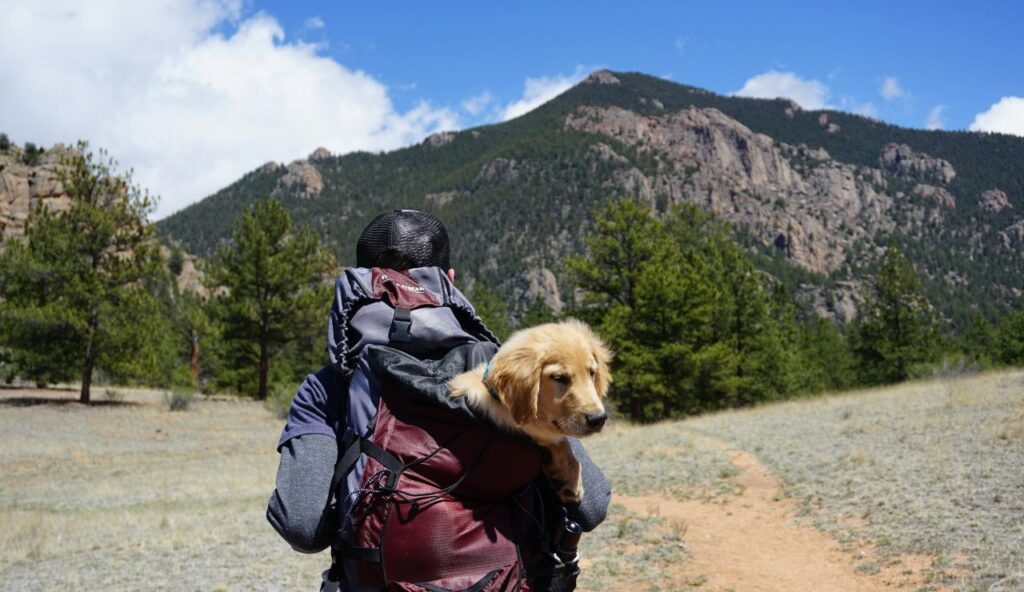
Solo pet-friendly treks require gear that prioritizes safety without excess weight. A secure harness, reflective elements, first-aid supplies, and collapsible hydration tools support mobility and preparedness. For women hiking alone, gear should allow hands-free control and quick response in changing conditions. Thoughtful packing prevents fatigue and minimizes distractions, especially over long distances. When essentials are streamlined, attention stays on surroundings rather than logistics. The right gear setup transforms long hikes into manageable, fluid experiences where preparedness feels natural, not burdensome or restrictive.
Managing Risk and Building Confidence on the Trail
Solo travel with a pet changes risk dynamics, often for the better. Animals heighten awareness, deter unwanted encounters, and encourage regular movement. Still, risk management remains essential. Clear communication plans, predictable pacing, and awareness of limits prevent small issues from escalating unexpectedly. Trust grows through consistency, both in decision-making and response. Confidence isn’t about eliminating fear; it’s about knowing how to proceed despite uncertainty. Hiking with a pet reinforces that confidence daily, turning caution into capability rather than hesitation over time.
Why These Treks Redefine Solo Female Travel
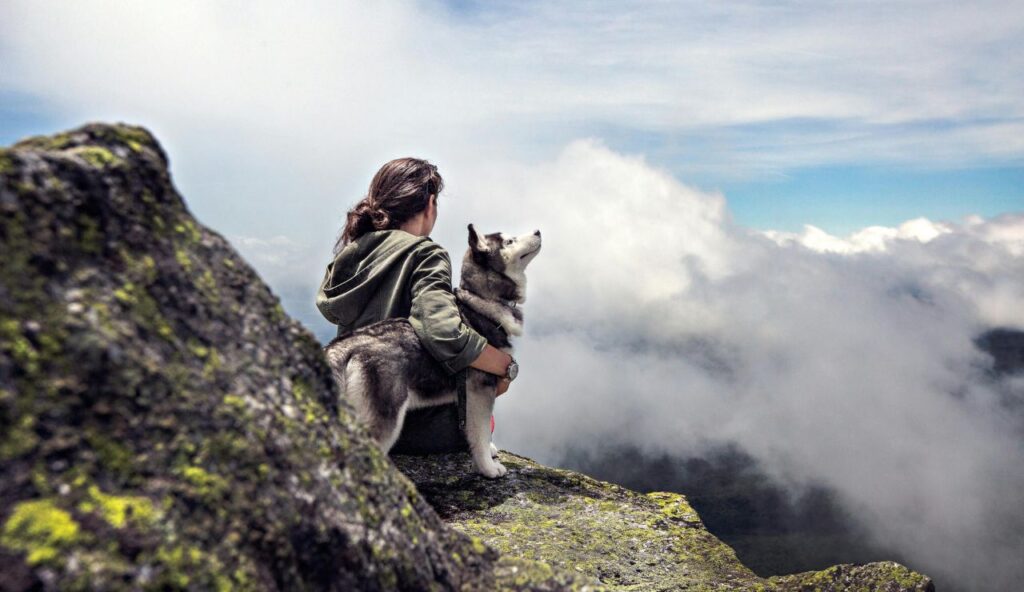
Pet-friendly solo treks offer something rare: independence without isolation. The bond formed through shared effort deepens trust and presence, making each mile meaningful. These journeys challenge outdated narratives about vulnerability and replace them with competence and self-reliance. Women who hike alone with pets aren’t escaping; they’re engaging fully with place, purpose, and partnership. The trail becomes more than a route; it becomes proof that adventure, safety, and companionship can coexist powerfully on your own terms, strengthening resilience, courage, and confidence long after the journey ends.