The Summer Shaving Myth That Could Be Putting Your Dog in Real Danger
Every summer, the same well-meaning impulse sweeps through dog-owning households. The temperatures climb, a beloved fluffy companion looks miserable in the heat, and reaching for the clippers feels like the kind and obvious thing to do. For millions of the world’s most popular breeds, however, that instinct runs completely counter to the biology that has protected these animals for centuries.
Double-coated dogs have a soft inner coat close to their skin that serves as an insulating layer, helping keep them warm in cold weather and cool in hot weather. In summer, a dog will shed a good amount of this underlayer, but what remains helps capture air between the two coat layers, allowing the dog to keep the heat at bay and regulate body temperature. The outer guard hairs are not decorative extras but active shields, blocking ultraviolet rays and directing warm air away from the skin as the dog moves.
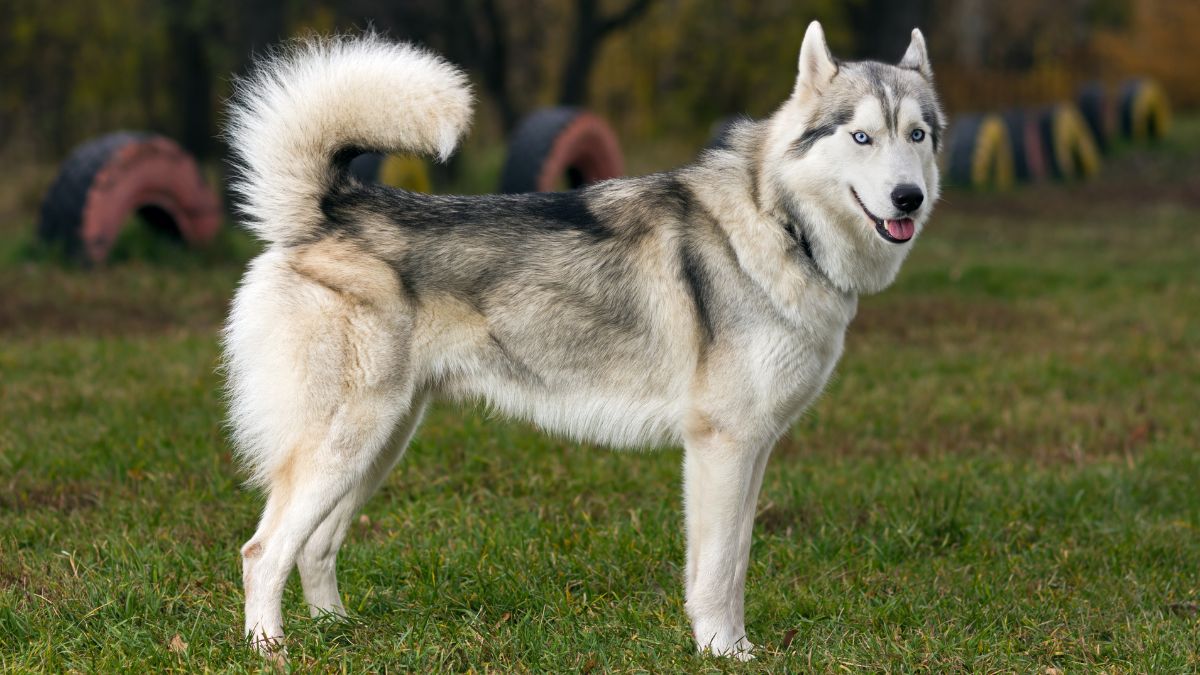
Some of the most common double-coated breeds include Golden Retrievers, German Shepherds, Labrador Retrievers, and Siberian Huskies, according to the American Kennel Club. The list extends further to Alaskan Malamutes, Bernese Mountain Dogs, Samoyeds, Akitas, Chow Chows, Pomeranians, Corgis, Shiba Inus, Border Collies, Australian Shepherds, Newfoundlands, and Great Pyrenees. These are among the most widely kept and beloved dogs on the planet, which makes the shaving misconception a particularly far-reaching concern.
The risks of removing a double coat go far beyond an uneven haircut. Dr. Jerry Klein, Chief Veterinary Officer for the American Kennel Club, warned that shaving a dog’s coat eliminates the insulating layer of fur, makes the dog susceptible to heat stroke, and can result in improper hair growth and follicle damage, noting that the coat also “decreases his risk of developing skin cancer,” as the American Kennel Club reported. The idea that a shaved dog is automatically a cooler dog is one of the most persistent and damaging myths in modern pet care.
Teri Becker DiMarino, President of the California Professional Pet Groomers Association, explains that shaving does nothing to cool dogs off because a dog’s cooling system is fundamentally different from a human’s, with dogs dissipating heat through the pads of their feet and by panting rather than through their skin. Shaving can also trigger follicular arrest in certain breeds, particularly Spitz types, leaving translucent or patchy areas that can take months or even years to regrow.
Shaving a double-coated dog can cause post-clipping alopecia, a condition in which regrowth is patchy and does not match the original coat color or texture, while also exposing the dog to sunburn, overheating, and a heightened risk of skin cancer as the pale skin is left undefended. In some cases the coat may never fully return, or the recovery period may stretch to a year or more, permanently altering both the dog’s appearance and its ability to thermoregulate naturally.
The ASPCA points to regular trimming and thorough brushing as far safer alternatives, particularly during warm weather. Many professional groomers use high-velocity dryers and de-shedding tools to blow out the loose undercoat hiding beneath the surface, leaving a lighter and more breathable coat without stripping away its protective function. Vets, groomers, and breeders broadly agree that shaving off a double coat is almost never a good idea and that doing so puts a dog at greater risk of sunburn and heat stroke rather than protecting them from it.
If your summer home includes a Husky, a Golden Retriever, a Border Collie, or any other double-coated companion, the kindest tool you can reach for is not a pair of clippers but a good brush. Have you ever been told to shave your dog in summer, and how did learning the truth about double coats change how you care for them?