

The Solo Guardian: Top 5 Dog Breeds for Single Living (And the One Critical Warning New Owners Ignore)
Living alone does not mean you have to feel alone. For many people, the right dog adds safety, routine, and genuine companionship, especially after long workdays. But single living also comes with challenges like long hours, apartment rules, and fewer hands to help. These five dog breeds tend to do well with solo owners, plus one critical warning many first-time dog parents ignore until it becomes a real problem. The goal is not just a cute dog; it is a dog that fits your real daily life.
1. Labrador Retriever (Friendly, Loyal, and Easy to Train)

Labrador retrievers are one of the best choices for single living because they are emotionally steady, highly trainable, and deeply loyal. They tend to bond strongly with one person but still stay friendly with guests, which is ideal if you want a social dog without aggression. Labs also thrive on routine, so they fit well into a solo schedule with daily walks and structured feeding. The main requirement is exercise, because a bored Lab can become destructive fast. They are best for owners who enjoy being active and can commit to training early. For solo living, a Lab often feels like a best friend who always shows up.
2. Cavalier King Charles Spaniel (Perfect for Companionship in Smaller Homes)

Cavalier King Charles spaniels are ideal for single owners who want a gentle, affectionate dog that fits well in apartments. They are known for being calm, people-focused, and easy to live with, even in smaller spaces. Cavaliers usually do not need intense exercise, but they do need daily attention and closeness. They thrive when they can sit near you while you work, watch TV, or relax at home. The downside is that they can struggle with separation anxiety if left alone too long. If you work from home or have a predictable routine, this breed can be one of the most comforting companions for solo living.
3. Standard Poodle (Smart, Low-Shedding, and Great for Structure)
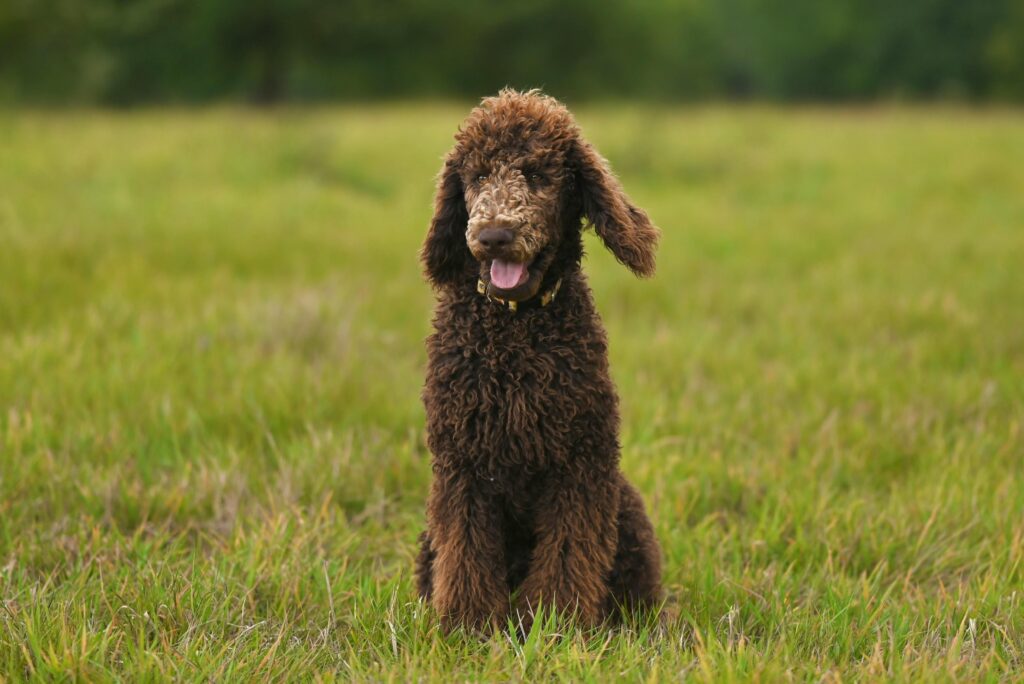
Standard poodles are an excellent choice for single living because they are intelligent, loyal, and responsive to training. They tend to do well with structure, which makes them easier for one person to manage. Many solo owners also love that poodles are low-shedding, which helps keep a home cleaner. They are athletic and need regular exercise, but they are also emotionally tuned in and often become deeply bonded to their person. The biggest commitment is grooming, since poodles require regular trims and coat care. If you want a dog that feels like a true companion and can learn quickly, a poodle is a strong pick.
4. Greyhound (Quiet, Calm, and Surprisingly Low-Energy Indoors)
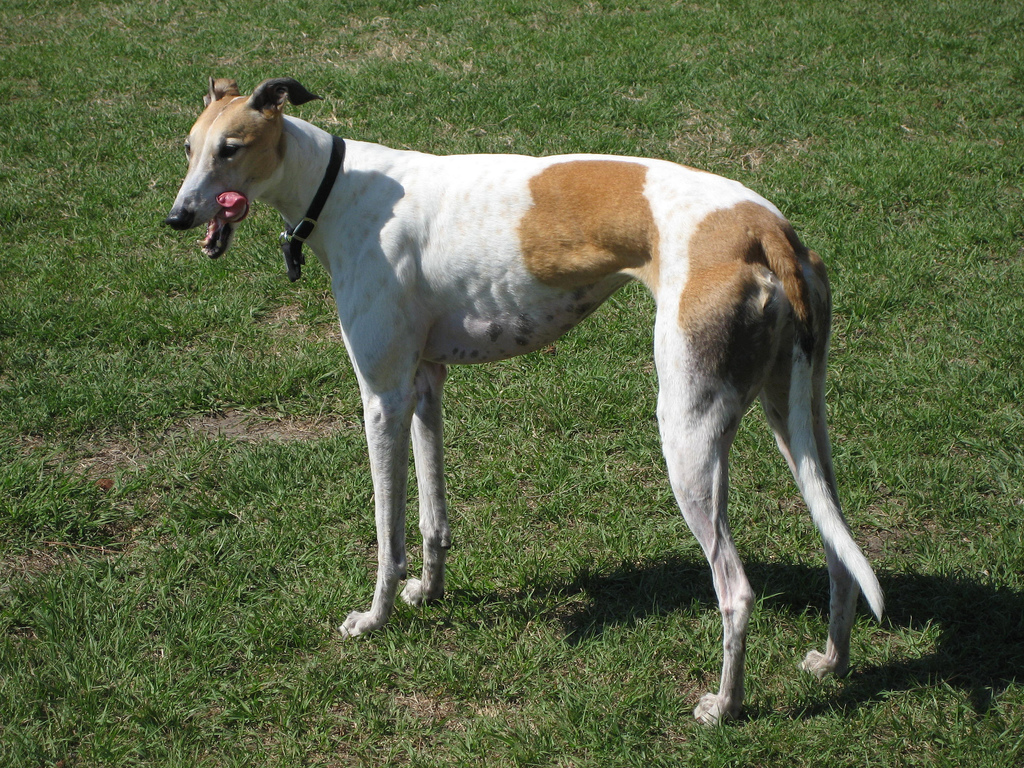
Greyhounds are one of the most underrated breeds for single living. Many people assume they need constant running, but most greyhounds are calm and quiet indoors. They are often described as “40 mph couch potatoes,” meaning they enjoy short bursts of exercise followed by long naps. This makes them a great fit for apartment living and solo routines. They are also typically gentle and not overly demanding, which helps if you have a busy schedule. The main thing to know is that they have thin coats and may need a jacket in colder climates. If you want a peaceful dog that does not bark constantly, a greyhound is a great option.
5. Miniature Schnauzer (Alert, Loyal, and a Great Watchdog for Solo Owners)
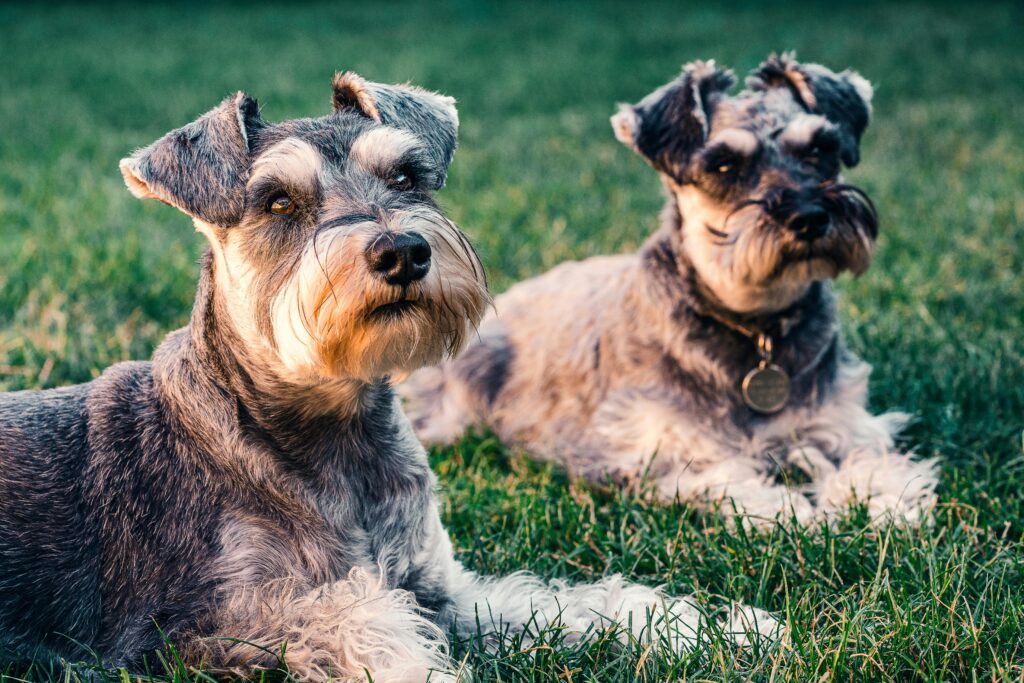
Miniature schnauzers are a great breed for people living alone because they combine companionship with alertness. They are loyal, smart, and often very tuned in to their environment, which can make you feel safer at home. Schnauzers also tend to be small enough for apartments while still having a confident personality. They do best with daily walks and mental stimulation, since they are curious and can get bored. One downside is barking, because schnauzers are naturally watchful. With training, though, they become excellent companions who feel like a tiny guardian. For solo living, they offer both comfort and awareness.