
The “Shadow” Method: A Subtle Safety Strategy for Navigating Crowded Foreign Markets Alone
Crowded markets are vibrant, sensory-rich, and often unforgettable. They are also fast-moving environments where distractions are constant. For solo travelers, especially women, maintaining awareness without appearing anxious can feel challenging. The “Shadow” Method offers a subtle strategy for moving confidently through busy public spaces. It is not about confrontation or suspicion. It is about positioning, observation, and intentional movement. When practiced thoughtfully, it blends seamlessly into normal travel behavior while strengthening personal safety in unfamiliar surroundings.
What the Shadow Method Actually Means
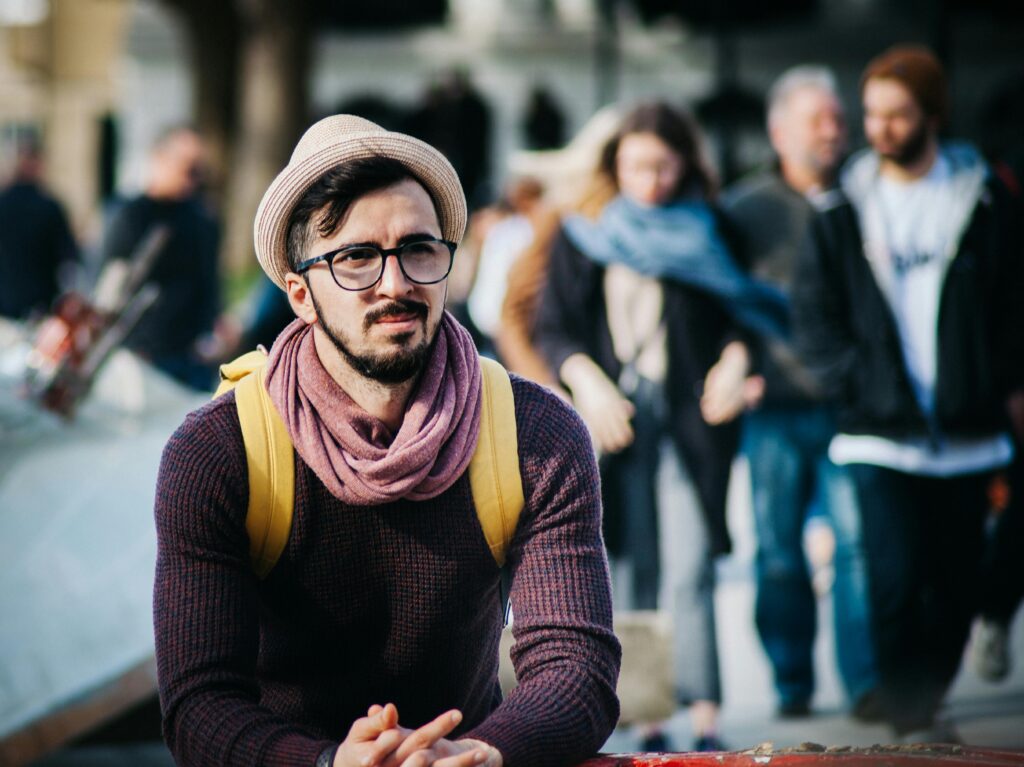
The Shadow Method is a positioning strategy rather than a physical device. Instead of moving independently through dense crowds, you walk near, but not directly attached to, a stable group or family. You remain close enough to blend into their movement pattern without intruding. This creates a visual buffer that discourages isolation. Opportunistic distractions often target individuals who appear detached. By aligning your pace subtly with others, you reduce visibility as a solo traveler while maintaining independence and control. It is a quiet adjustment rather than a dramatic tactic. The goal is awareness without drawing attention.
Why Positioning Matters in Crowded Markets
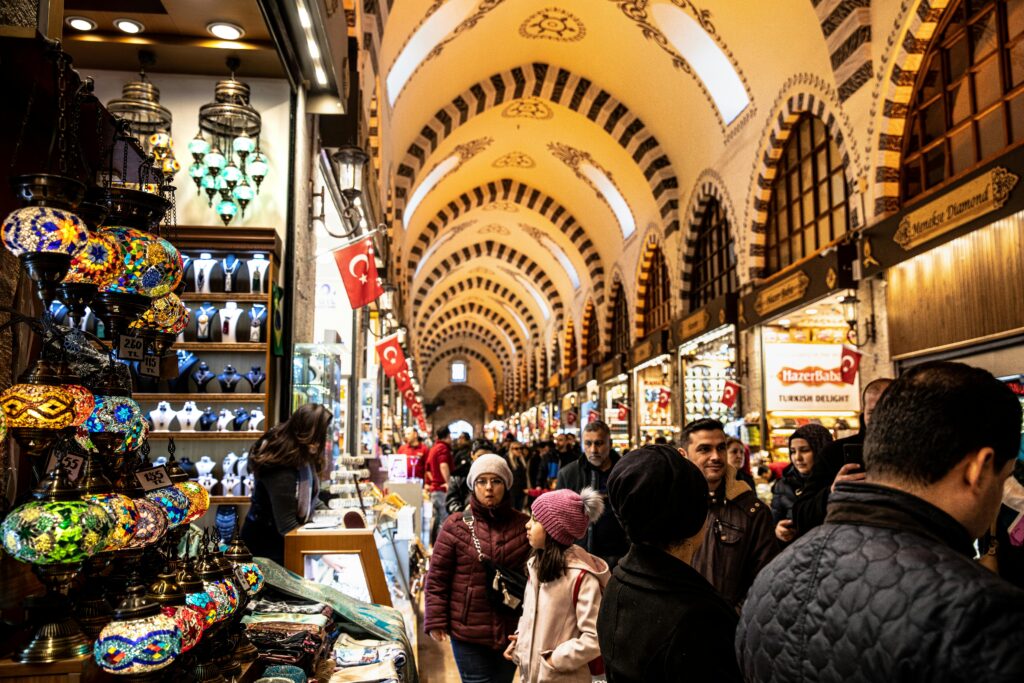
Crowded markets rely on constant motion. Vendors call out, pedestrians shift direction, and narrow pathways create bottlenecks. In these settings, physical proximity shapes perception. Individuals who move with a steady, predictable flow appear more confident than those who hesitate or stop abruptly. The Shadow Method supports smoother navigation by mirroring consistent movement. You are not hiding. You are integrating. Predictable motion reduces vulnerability to bump-and-distract tactics that rely on sudden disorientation. Confidence often comes from rhythm rather than speed. Controlled movement discourages opportunistic behavior.
Choosing the Right “Shadow” Group
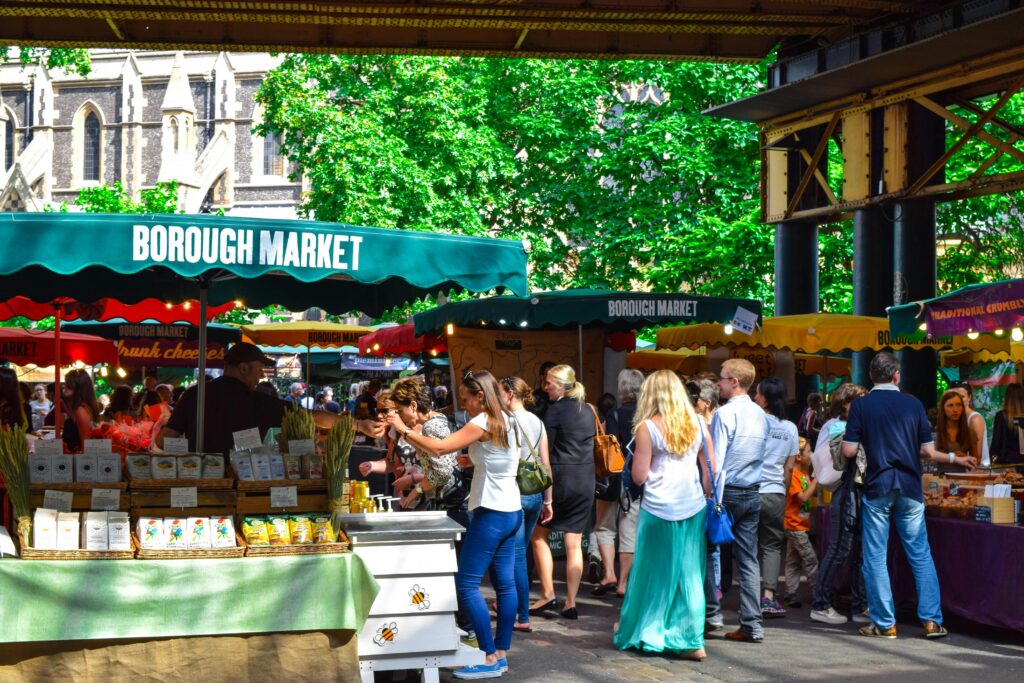
Not every group serves the same purpose. Families with children, older couples, or organized tour groups often provide the most stable pacing. Their movement tends to be deliberate rather than erratic. Avoid attaching yourself to individuals who appear distracted, intoxicated, or hurried. The goal is quiet alignment, not dependency. Maintain a respectful distance so your presence feels natural. If the group changes direction, you are free to adjust. Flexibility remains essential. Observe before aligning your pace. Stability is more important than proximity. Watch how they interact with vendors and surroundings.
Body Language Signals Confidence
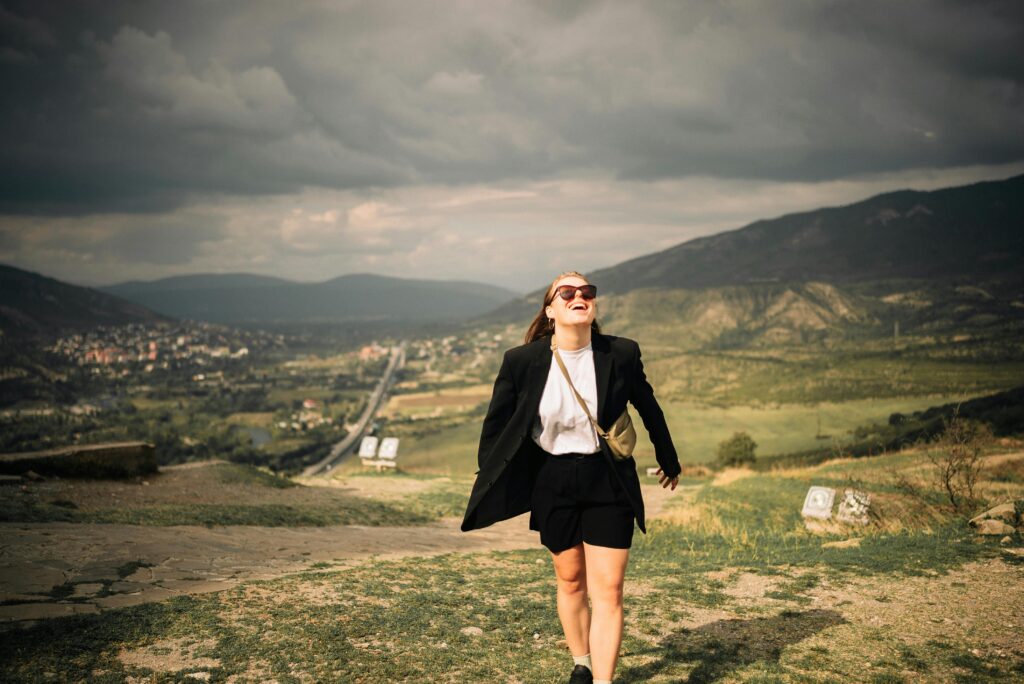
Safety strategies work best when supported by posture and awareness. Keep your shoulders relaxed but upright. Walk with a steady pace and avoid scanning anxiously from side to side. Brief, neutral eye contact communicates alertness without invitation. Hold personal items close and minimize phone use while moving. The Shadow Method enhances physical positioning, but body language reinforces it. Confidence is often perceived before vulnerability. Calm expressions project self-assurance. Intentional movement reduces unnecessary scrutiny. Small adjustments in posture shift perception quickly. Presence is often communicated before words.
When to Pause and Step Away
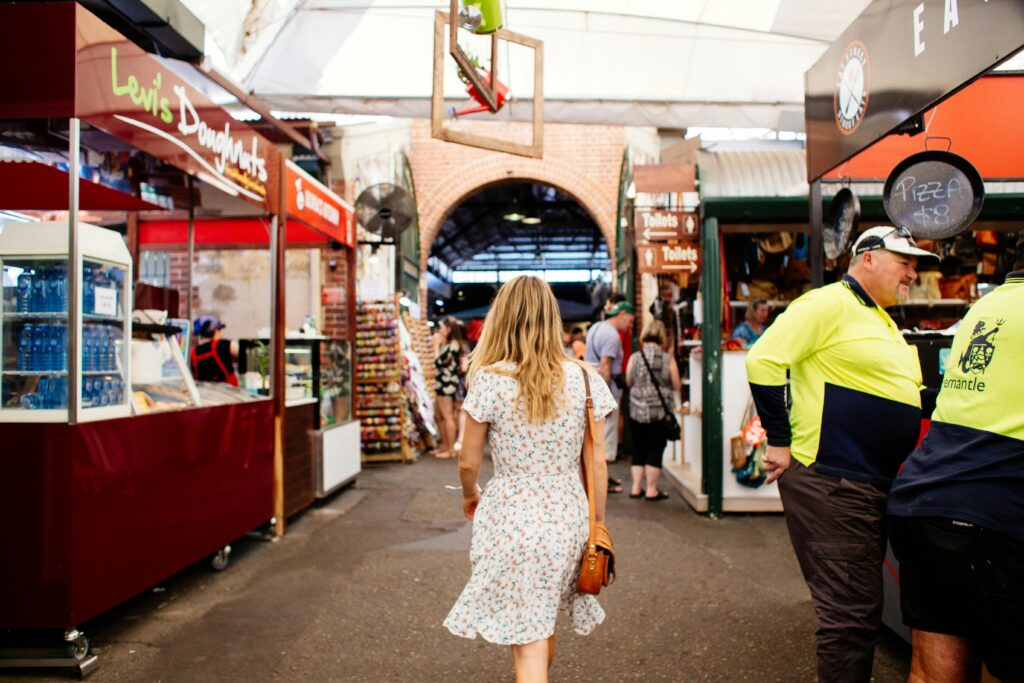
The Shadow Method is dynamic, not fixed. If the surrounding group stops at a stall or turns into a shop you do not wish to enter, continue forward calmly. The strategy should never limit your movement. It exists to create temporary alignment in high-density areas. Once the crowd thins or you reach an open plaza, independent navigation becomes easier. Adaptability keeps the method effective rather than rigid. Situational awareness guides every shift. You remain in control of direction at all times. Flow naturally rather than hesitating abruptly. Confidence grows when movement feels intentional. Freedom of choice remains central to the method.
Blending Without Becoming Invisible
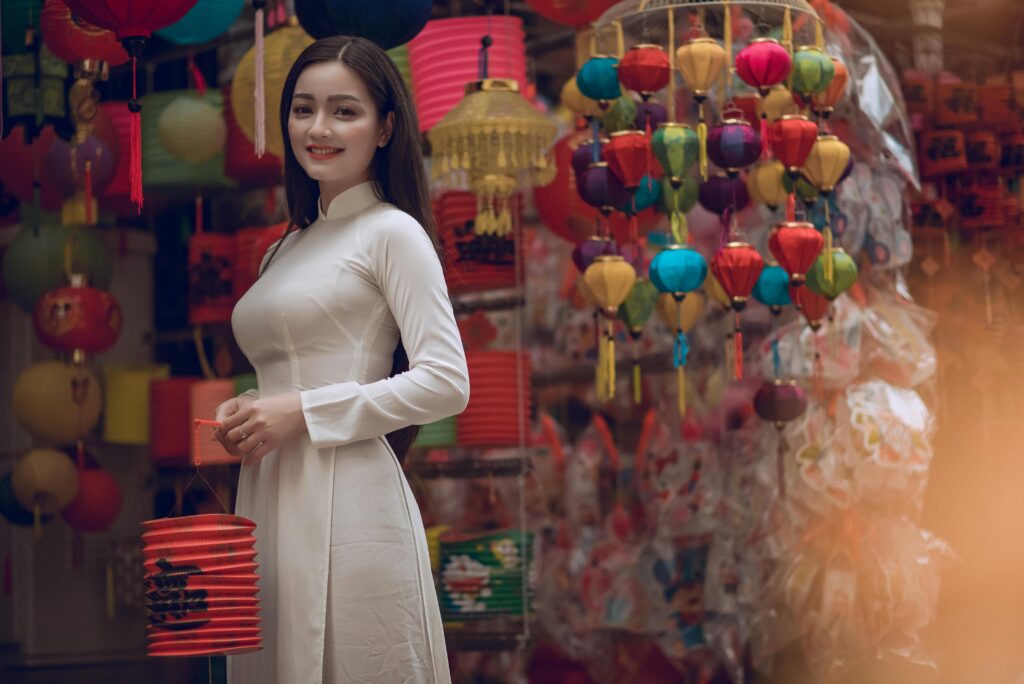
Blending into a crowd does not mean diminishing presence. It means avoiding unnecessary attention. Choose clothing that aligns with local norms and avoid displaying valuables openly. Keep bags secured and worn across the body when possible. The Shadow Method complements practical habits such as splitting cash and securing zippers. Subtlety enhances awareness without projecting fear. Neutral appearance supports smoother movement. Preparedness feels natural rather than forced. Comfortable attire supports confident pacing. Low-profile accessories reduce visual distraction. Intentional simplicity strengthens overall presence.
Recognizing Market-Specific Distraction Tactics
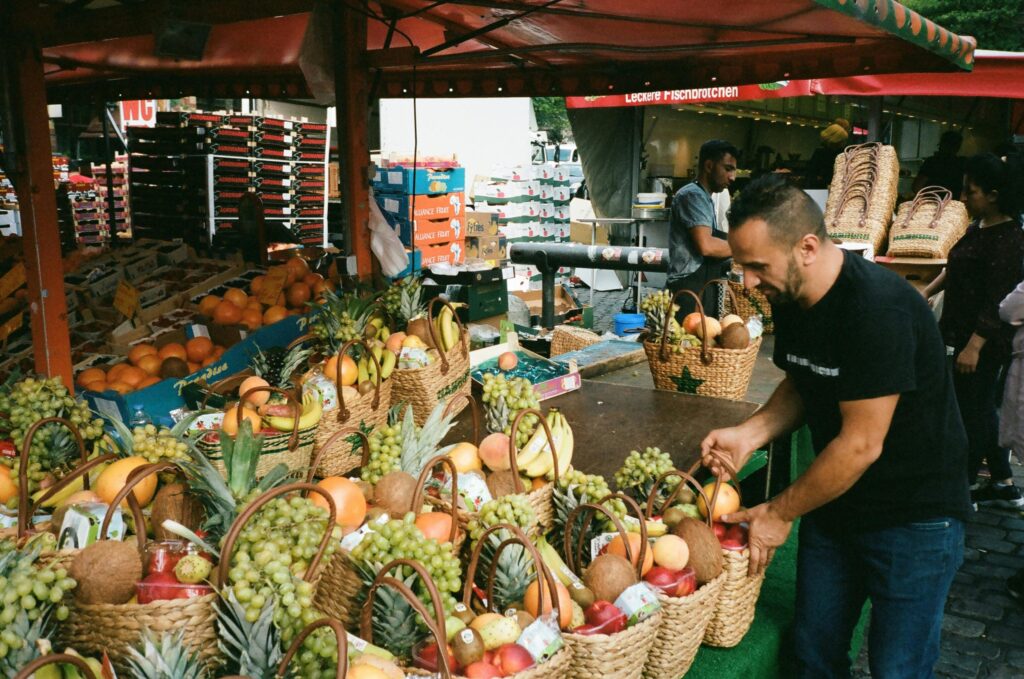
Busy markets often involve layered distractions. Someone may ask for directions while another brushes past. Performers, loud demonstrations, or sudden commotion can redirect attention. The Shadow Method reduces isolation during these moments. Staying near a steady-moving group decreases the chance of being singled out. Awareness remains your strongest tool. Positioning simply strengthens it. Pause briefly before reacting to unexpected interruptions. Instinct paired with positioning improves response. Observe patterns rather than isolated incidents. Distractions often rely on urgency. Measured reactions reduce vulnerability.
Pairing the Method With Smart Exit Awareness
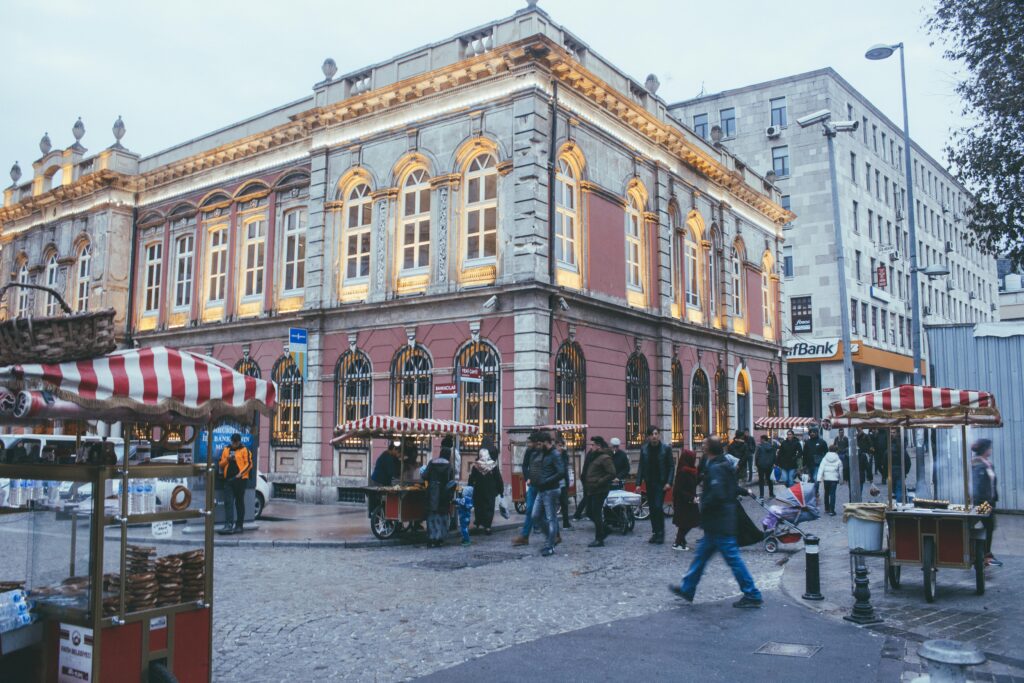
Before entering a crowded market, note visible exits and wider pathways. Identify open corridors or main streets that provide easier flow if you need to leave quickly. The Shadow Method supports safer movement inside the crowd, but exit awareness adds strategic foresight. Together, they create a calm, structured approach to dynamic environments. Preparation reduces stress and allows you to enjoy the cultural richness without constant tension. Knowing your exits increases confidence immediately. Preparation turns movement into intention rather than reaction. Scan for easily recognizable landmarks.