

The Main Attraction: Move Over, Hollywood: 5 Times the Pet Actor Was the Real Star of the Movie
Hollywood has long celebrated human stars, but some of cinema’s most unforgettable performances came from four-legged actors who quietly stole the spotlight. These pet performers didn’t rely on dialogue or fame; they conveyed emotion through presence, timing, and instinct. In many cases, audiences left theaters remembering the animal more vividly than the leading cast. From silent-era charm to modern blockbusters, these pets reshaped scenes, elevated storytelling, and became cultural icons. Their performances weren’t gimmicks; they were emotional anchors that proved animals can carry narrative weight just as powerfully as any A-list star.
1. Uggie from The Artist

Uggie’s performance in The Artist transcended novelty, becoming the emotional backbone of the film. In a movie that relied heavily on expression rather than dialogue, Uggie delivered nuance, humor, and heart with remarkable precision. His loyalty to Jean Dujardin’s character grounded the story during its most vulnerable moments, making audiences feel a genuine connection. Scenes featuring Uggie often lingered longer in memory than human interactions. The dog’s intelligence and timing turned him into a symbol of old Hollywood itself, earning widespread acclaim and proving that silent storytelling still thrives through animal expression.
2. Hooch from Turner & Hooch
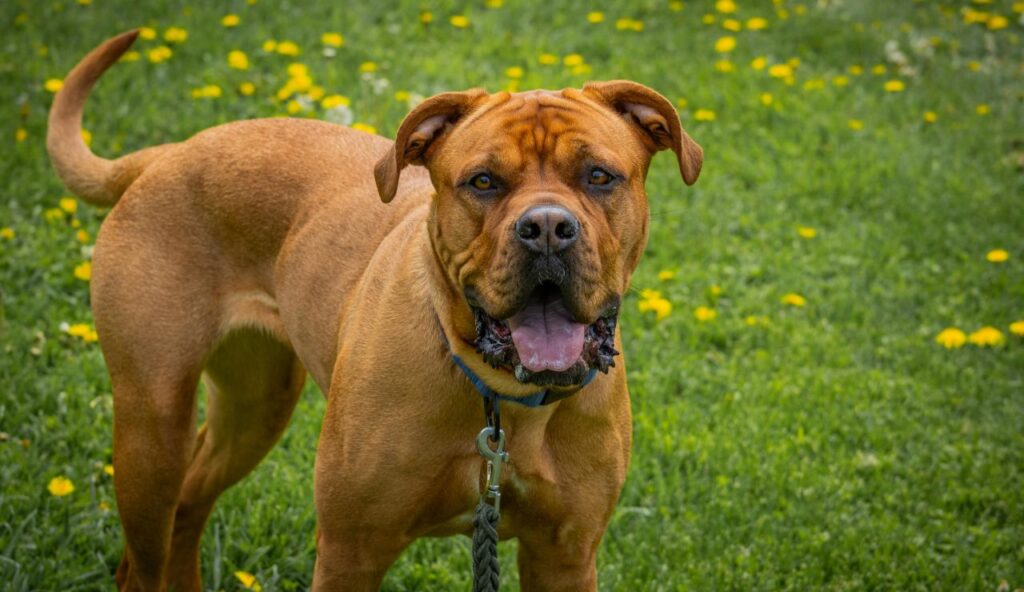
Hooch wasn’t just a sidekick; he was the catalyst for chaos and growth in Turner & Hooch. His slobbering, destructive energy clashed perfectly with Tom Hanks’ tightly wound detective, creating a dynamic that drove the entire narrative. Hooch’s unpredictable behavior wasn’t background comedy; it shaped the plot and forced emotional transformation. Audiences connected with the dog’s unapologetic personality, which balanced humor with loyalty. Long after the credits rolled, Hooch remained the most talked-about character, redefining the concept of a “buddy” film partner and setting a new standard for canine co-stars.
3. Lassie from Lassie Come Home

Lassie became a cinematic icon not through spectacle, but through emotional consistency. In Lassie Come Home, the dog’s journey symbolized perseverance, devotion, and hope during uncertain times. Lassie’s ability to convey urgency, sorrow, and determination without words made the story universally accessible. Audiences didn’t just watch Lassie, they rooted for her. The character’s integrity and emotional intelligence resonated deeply, establishing a legacy that extended far beyond a single film and across generations of family audiences. Lassie wasn’t a supporting role; she was the soul of the story.
4. Marley from Marley & Me

Marley’s impact in Marley & Me came from realism rather than polish. His unruly behavior, boundless energy, and eventual aging mirrored real pet ownership, creating an emotional arc that felt deeply personal. Marley wasn’t idealized; he was chaotic, frustrating, and profoundly lovable. That authenticity made his presence unforgettable. Many viewers admitted the film’s emotional weight rested almost entirely on Marley’s journey. By portraying the full lifespan of a beloved pet, Marley became less a character and more a shared memory for audiences worldwide who saw their own pets reflected on screen.
5. Beethoven from Beethoven
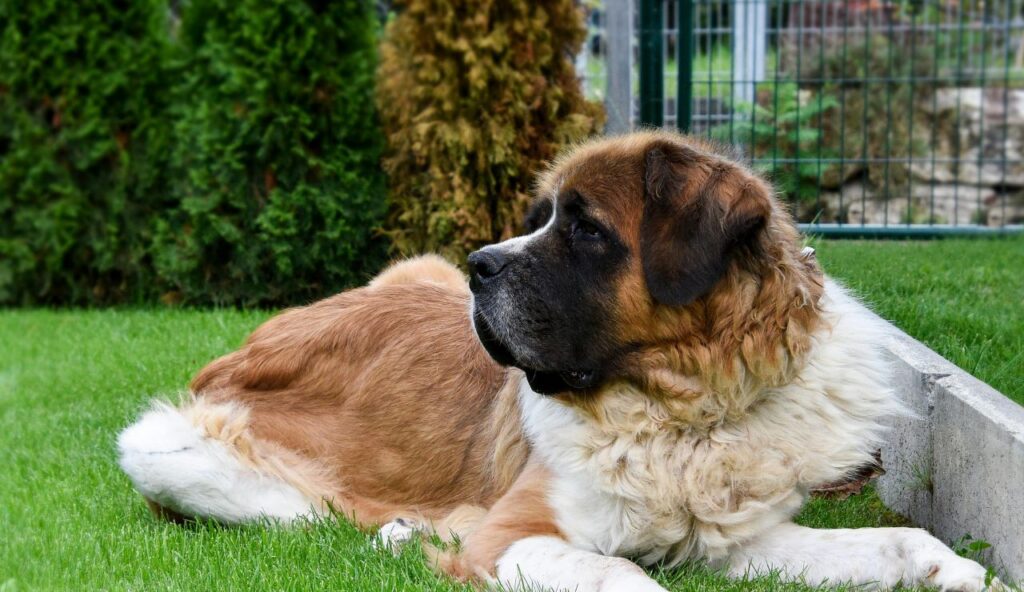
Beethoven’s oversized presence filled every frame he entered, turning physical comedy into heartfelt family storytelling. His massive stature contrasted with gentle loyalty, creating humor that appealed to both children and adults. Beethoven didn’t just disrupt family life; he reshaped it. The dog’s actions drove conflict, resolution, and emotional payoff throughout the film. Audiences embraced Beethoven as more than a pet; he was the heart of the household. His popularity proved that animal characters could anchor entire franchises through charm alone while remaining universally relatable and timeless.


