The Luxury Pet Jet Set: How People Are Traveling with Exotic Animals in 2026
In 2026, pet travel is no longer limited to cats and dogs. A small but growing group of affluent travelers now fly with parrots, miniature pigs, rare reptiles, and other exotic companions. Private aviation, specialized veterinary clearance, and customized transport services have transformed high-end pet mobility. Yet behind the polished image lies strict regulation, detailed planning, and substantial financial commitment that few truly anticipate.
Private Jets Are Changing the Equation
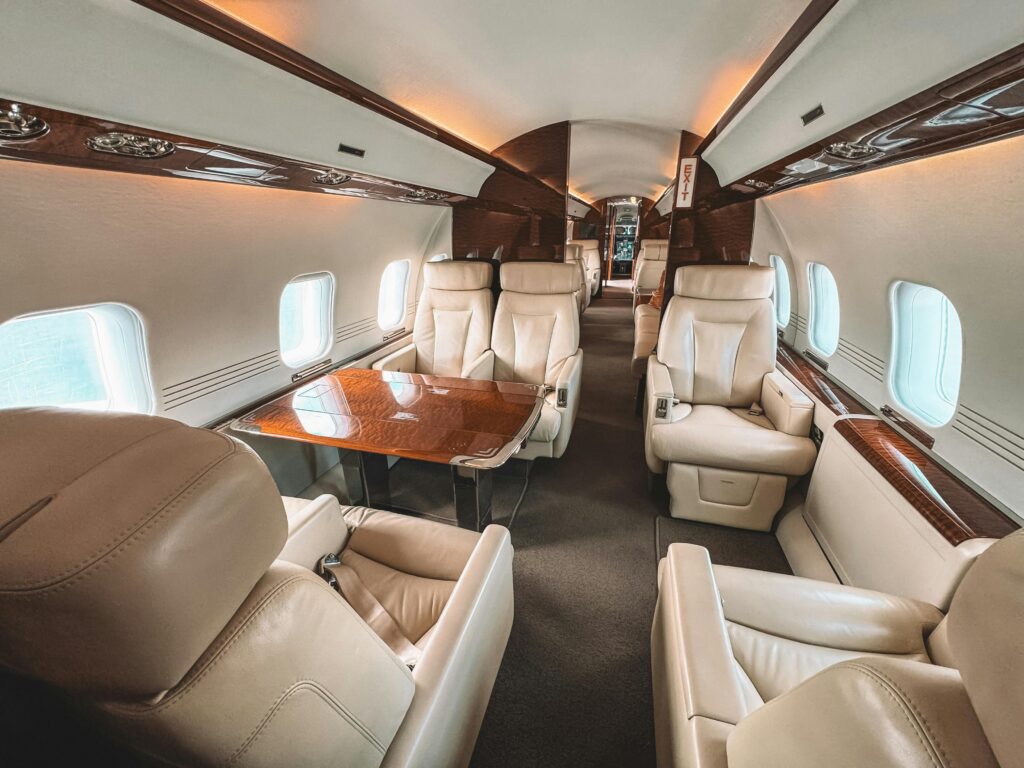
Commercial airlines often restrict exotic animals, making private aviation the preferred option for many luxury owners. Chartering a jet allows control over cabin temperature, lighting, air circulation, and noise levels, which reduces stress for sensitive species. Animals remain in the main cabin rather than cargo, minimizing handling risks. Flexible departure times align with veterinary clearance windows and import permit validity. While the cost is high, clients see it as protection for their companion’s welfare. In this tier of travel, convenience, safety, and animal comfort operate as equal priorities.
Specialized Veterinary Teams Handle Clearance
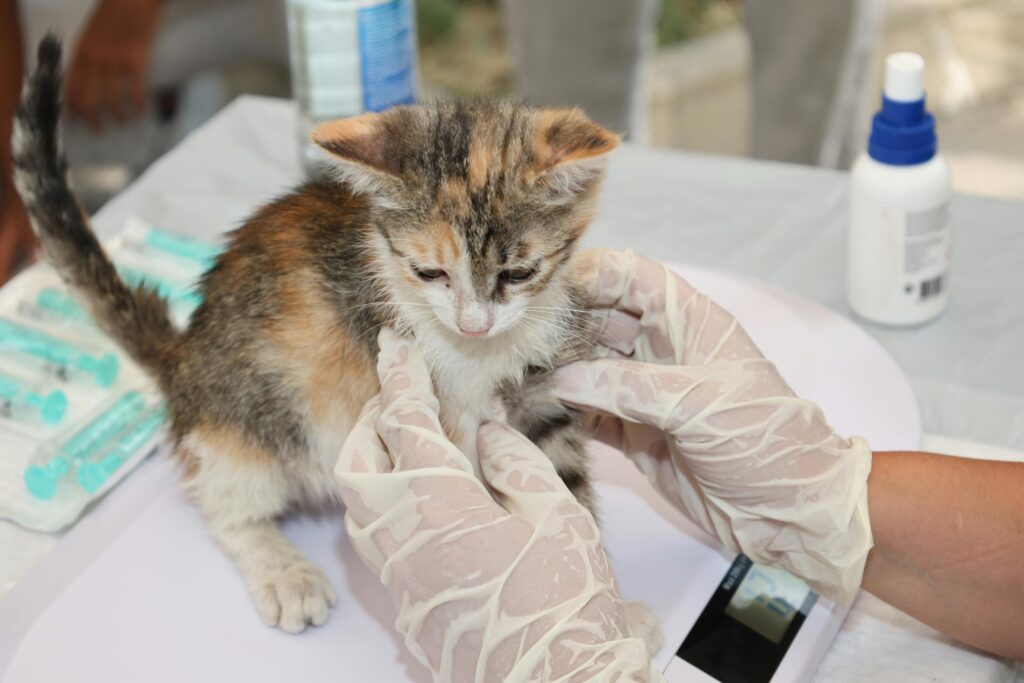
Exotic species require far more than a routine health certificate. Many need species-specific blood testing, parasite screening, vaccination verification, quarantine documentation, and export permits. In 2026, boutique veterinary teams specialize in international exotic transport. They coordinate laboratory work, federal endorsements, and foreign government approvals. Planning often begins months in advance to meet strict entry timelines. Even minor documentation errors may lead to denial at borders, making expert oversight a practical safeguard. These specialists also track regulatory updates to prevent last-minute compliance surprises.
Climate Control Is a Top Priority
Unlike common pets, many exotic animals rely on precise temperature and humidity stability. Tropical reptiles, parrots, and amphibians can experience stress quickly if environmental conditions fluctuate. Luxury transport providers now use monitored climate pods, insulated enclosures, and humidity regulators designed specifically for flight. Some private jets are modified to maintain steady atmospheric conditions from boarding to landing. Real-time digital monitoring provides reassurance that settings remain within safe thresholds. Backup power systems further protect against unexpected environmental shifts midair.
Legal Complexities Vary by Species
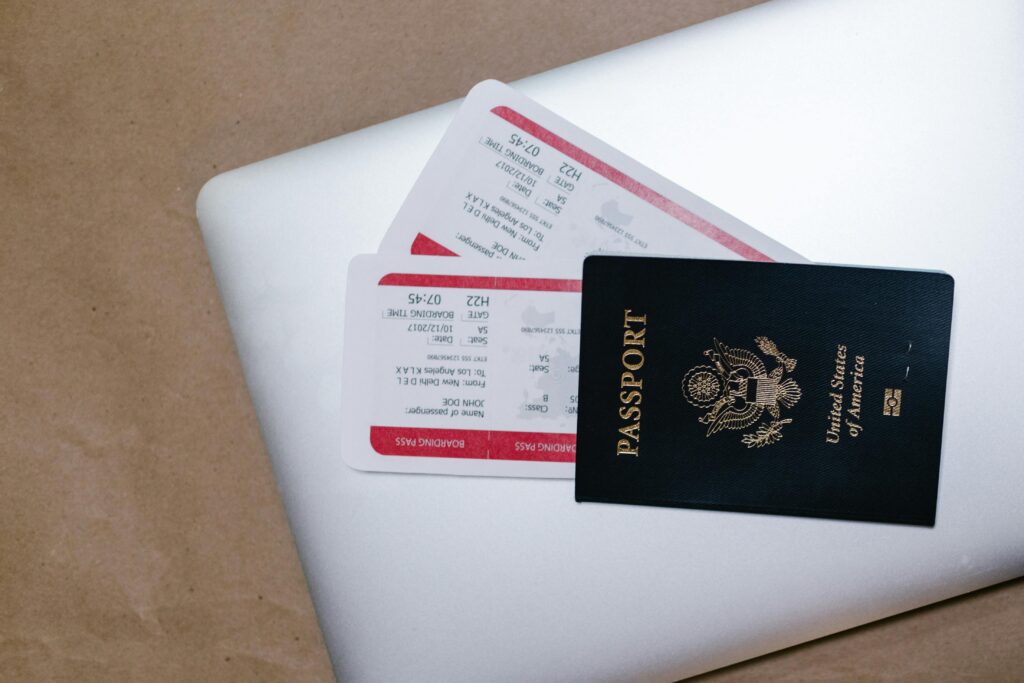
International travel with exotic animals is governed by layered legal frameworks. CITES agreements, wildlife protection laws, and import regulations vary by destination and can change without much notice. Even captive-bred animals often require documented proof of origin and additional permits. Classification errors may result in confiscation or mandatory quarantine. Owners frequently consult wildlife compliance specialists before travel. Careful documentation reduces risk, but thorough research remains essential before booking any flight. Staying informed through official government sources is critical for avoiding unexpected border complications.
Insurance Has Become Highly Specialized
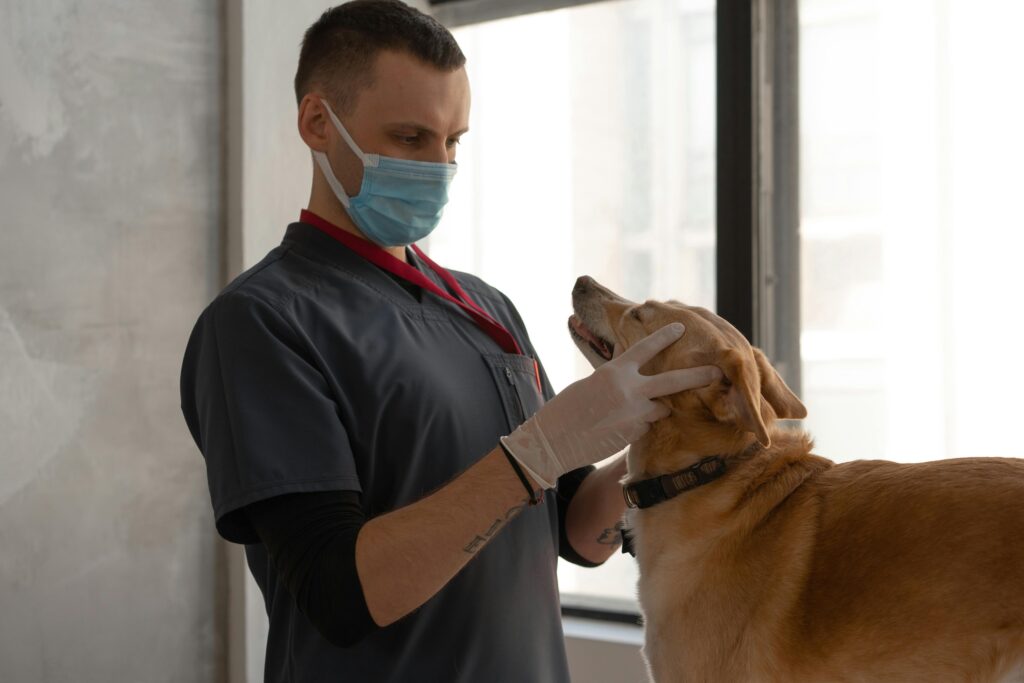
Transporting rare animals carries medical and financial risks that traditional policies rarely cover. Insurers now offer specialized plans tailored to exotic species and international journeys. Coverage may include veterinary emergencies, transport delays, environmental equipment malfunction, and quarantine extensions. Premiums reflect both rarity and logistical complexity. For affluent travelers, comprehensive coverage provides peace of mind. Insurance turns unpredictable disruptions into manageable setbacks rather than costly crises during cross-border travel. Some policies even include access to emergency veterinary consultations abroad.
Custom Enclosures Replace Standard Crates
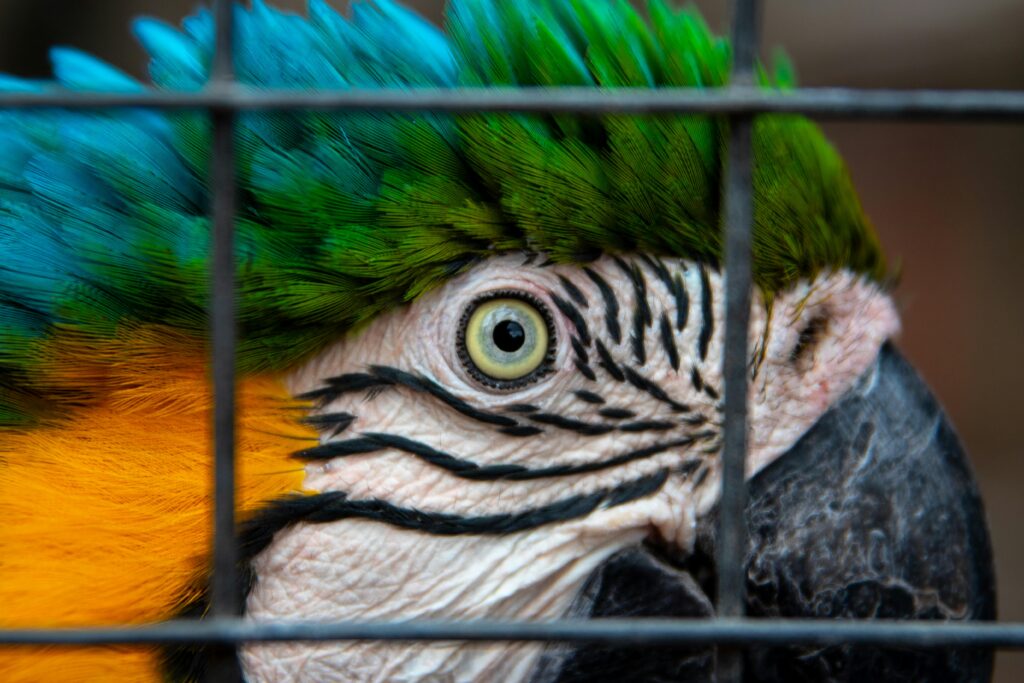
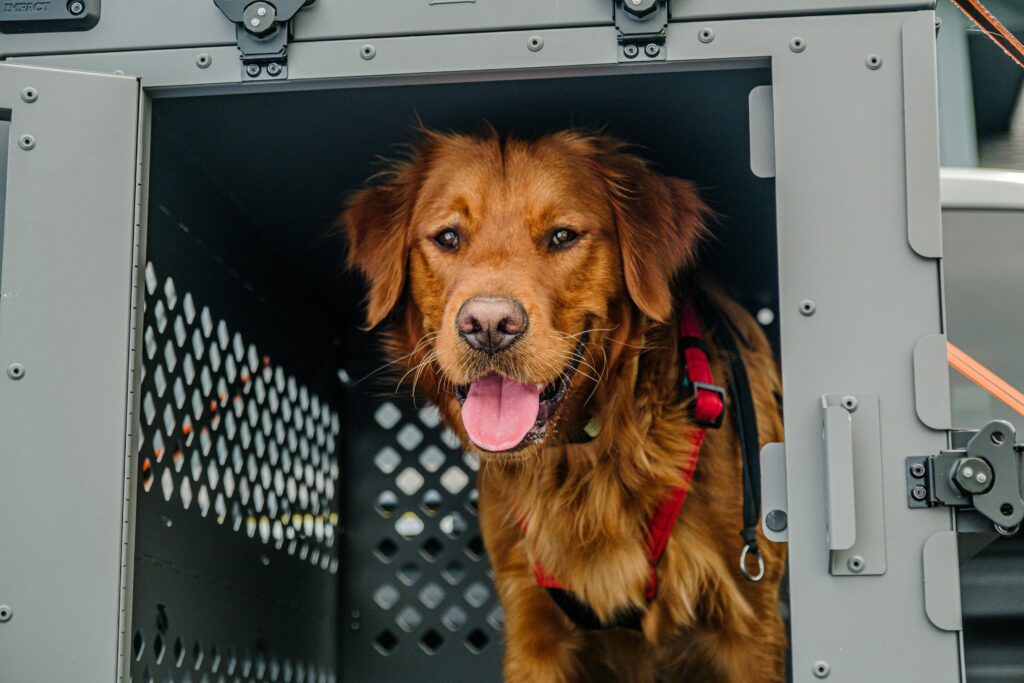
Standard carriers rarely meet the needs of exotic species. Birds require reinforced bars and stable perches, reptiles depend on regulated airflow and insulation, and small mammals benefit from sound-dampening materials. Custom enclosures are engineered to satisfy aviation standards while preserving species-specific comfort. Lightweight yet durable materials improve stability during turbulence. These individualized habitats highlight a broader shift toward precision transport solutions. Each enclosure is often reviewed by veterinarians before departure. Safety testing ensures compliance with both airline and international transport regulations.
Dedicated Pet Concierge Services Are Expanding
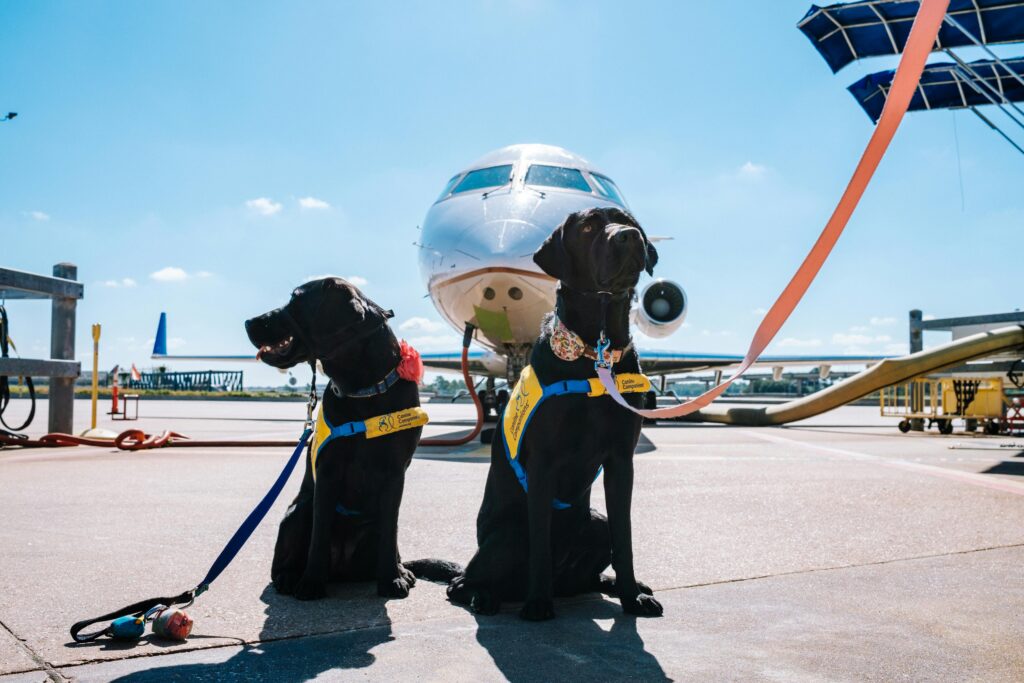
Luxury travel planners increasingly offer concierge services dedicated exclusively to exotic animals. These specialists coordinate charter schedules, veterinary approvals, import permits, and secure ground transfers. They communicate directly with border authorities to confirm compliance before takeoff. For clients managing global itineraries, concierge oversight reduces administrative burden. Although not inexpensive, the service simplifies a technically demanding process. Continuous communication ensures that no document or clearance deadline is overlooked. Some concierge firms also provide on-site supervision during departures and arrivals.
Social Media Has Influenced Demand
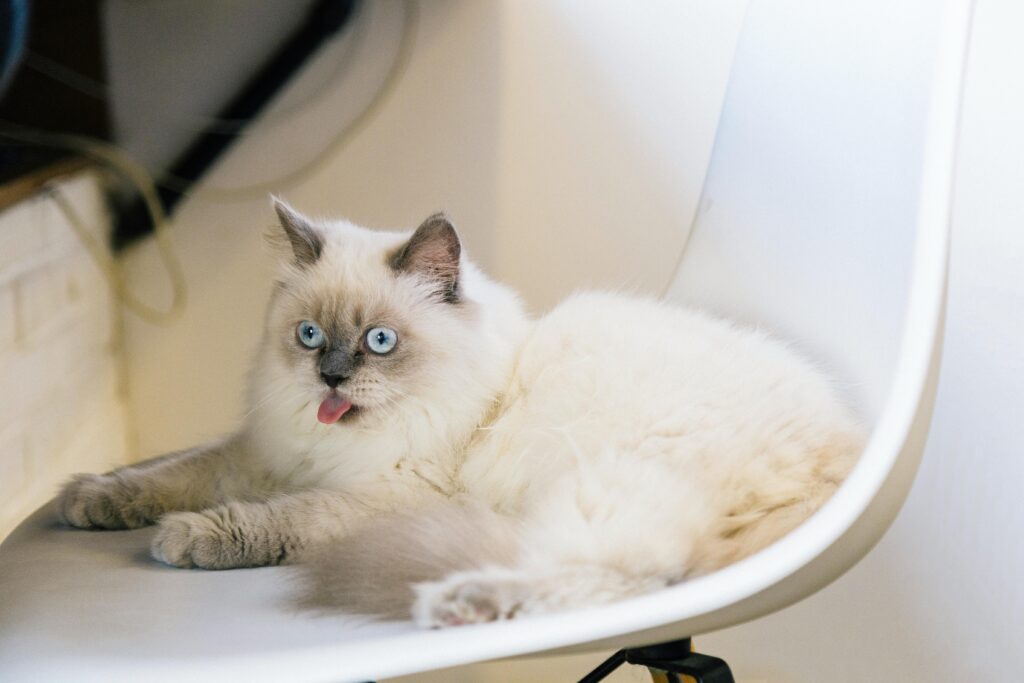
Images of parrots in private cabins or rare reptiles traveling in climate-controlled spaces have heightened awareness of luxury exotic transport. Influencers and celebrities showcase curated travel moments that emphasize comfort and exclusivity. While these examples represent a limited demographic, they shape broader perceptions. Increased visibility has driven demand for specialized aviation, veterinary, and compliance services. Public interest continues to grow as high-end travel culture evolves. Online platforms also spark conversations about responsible ownership. As attention rises, awareness of ethical standards grows alongside it.
Ethical Considerations Remain Central
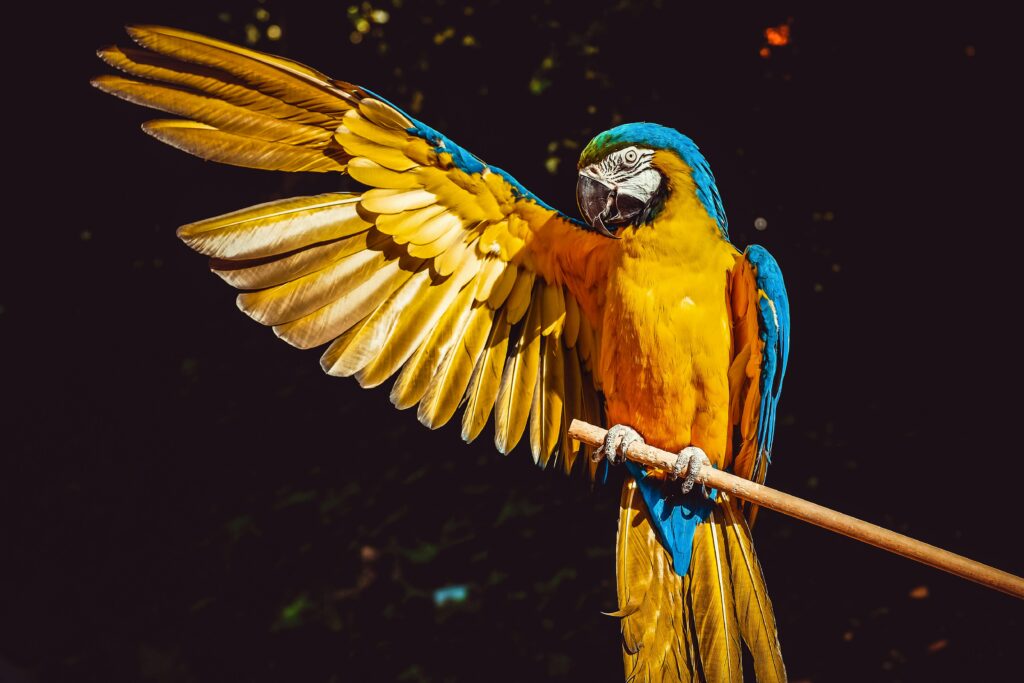
Despite the polished image of luxury travel, ethical responsibility remains fundamental. Wildlife experts emphasize humane treatment, legal sourcing, and strict adherence to conservation agreements. Travel should never compromise animal health or ecological balance. Reputable owners invest in veterinary oversight and follow international guidelines closely. In 2026, responsible exotic pet travel depends not only on financial resources but also on transparent decision-making that respects species welfare and global biodiversity. Ethical travel requires balancing personal desire with long-term environmental responsibility.