

The Great Escape: Why “Quiet Adventure” is the Newest Trend in Outdoor Travel.
In 2026, outdoor travel is shifting away from crowded landmarks and fast-paced itineraries. A growing number of travelers are choosing what many now call quiet adventure, experiences rooted in stillness, space, and slower exploration. Instead of chasing viral viewpoints, they seek early morning trails, remote cabins, and unplugged landscapes. The appeal is not adrenaline alone, but clarity. Quiet adventure reflects a deeper desire for balance in an increasingly loud world.
Solitude Has Become a Luxury
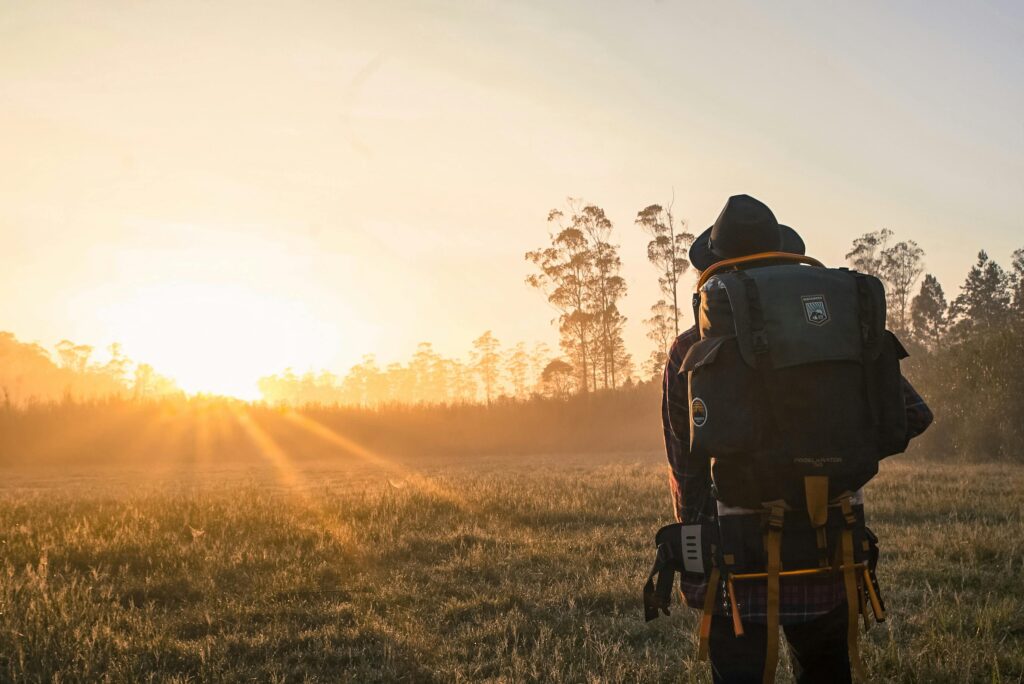
For many outdoor travelers, space now feels more valuable than spectacle. Popular parks and scenic overlooks often draw steady crowds, especially during peak seasons. Quiet adventure prioritizes lesser-known trails, off-season travel, and destinations where silence remains intact. The experience centers on immersion rather than performance. Hikers linger longer, listen more closely, and notice subtle shifts in light and sound. In a culture shaped by constant connectivity, intentional solitude feels restorative rather than isolating. Time slows in meaningful ways. Even familiar landscapes feel renewed when experienced without background noise.
Early Mornings Replace Packed Middays
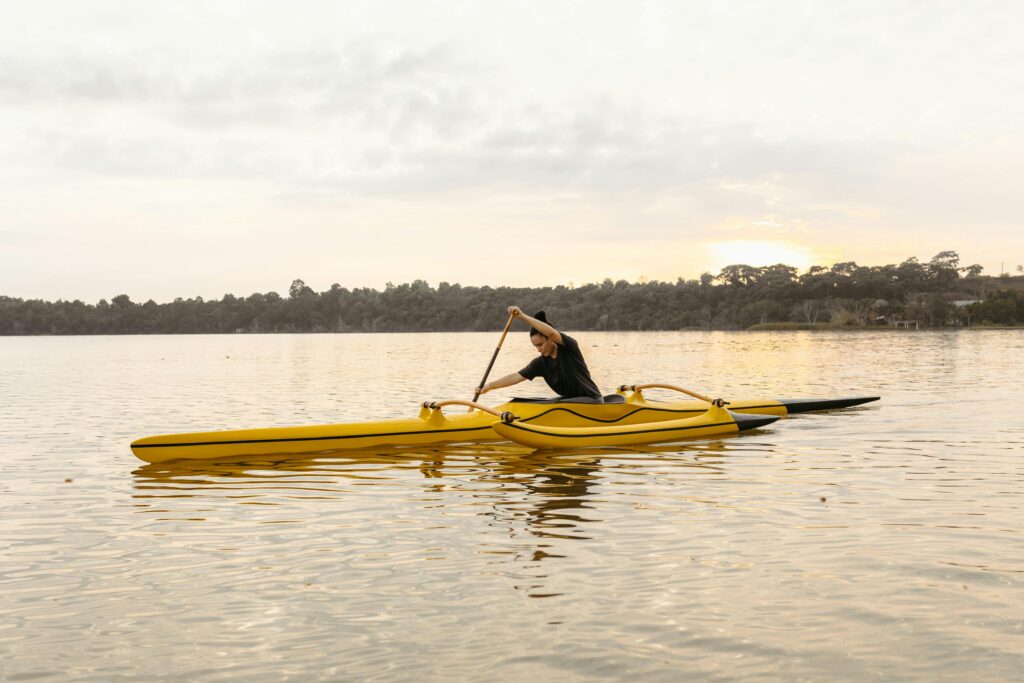
One hallmark of quiet adventure is timing. Travelers rise before sunrise to experience landscapes before they fill with activity. Dawn paddles, pre-breakfast trail walks, and quiet shoreline visits create a different rhythm. Wildlife sightings increase when human presence decreases. The atmosphere feels unfiltered and calm. Choosing early hours allows travelers to enjoy well-known destinations without the noise that often accompanies them later in the day. The stillness often becomes the highlight of the entire trip. Fewer distractions allow a deeper connection to the place. The day feels longer and more intentional from the start.
Remote Cabins Are Outpacing Large Resorts
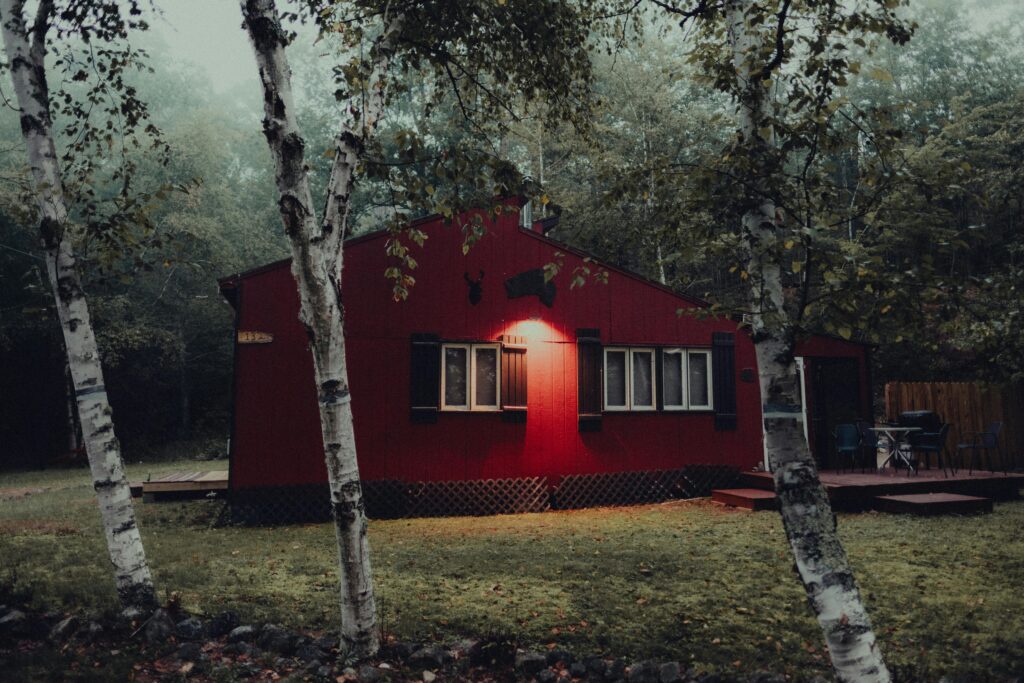
Instead of high-capacity resorts, many travelers now seek small cabins, fire lookouts, and minimalist lodges. These accommodations emphasize privacy and natural surroundings over social programming. Even when amenities are modest, the setting often feels more personal. Firelight replaces event schedules, and local trails replace entertainment complexes. For those prioritizing quiet adventure, the goal is not isolation from comfort, but intentional distance from distraction. Nights feel deeper without constant activity. The simplicity creates room for genuine rest. Conversations stretch without interruption. Even ordinary moments feel more grounded.
Digital Boundaries Are Part of the Appeal

A quiet adventure often includes deliberate limits on screen time. Travelers choose destinations with limited signal or commit to device-free hours. Without constant notifications, attention shifts outward. Sounds of wind, water, and wildlife regain prominence. The absence of immediate sharing can deepen presence. While photos are still taken, the moment is experienced first. In this trend, digital restraint becomes part of the journey rather than an inconvenience. Many return feeling mentally lighter. Focus sharpens when digital noise fades. Conversations become more attentive. Awareness expands beyond the screen.
Smaller Groups Create Deeper Experiences
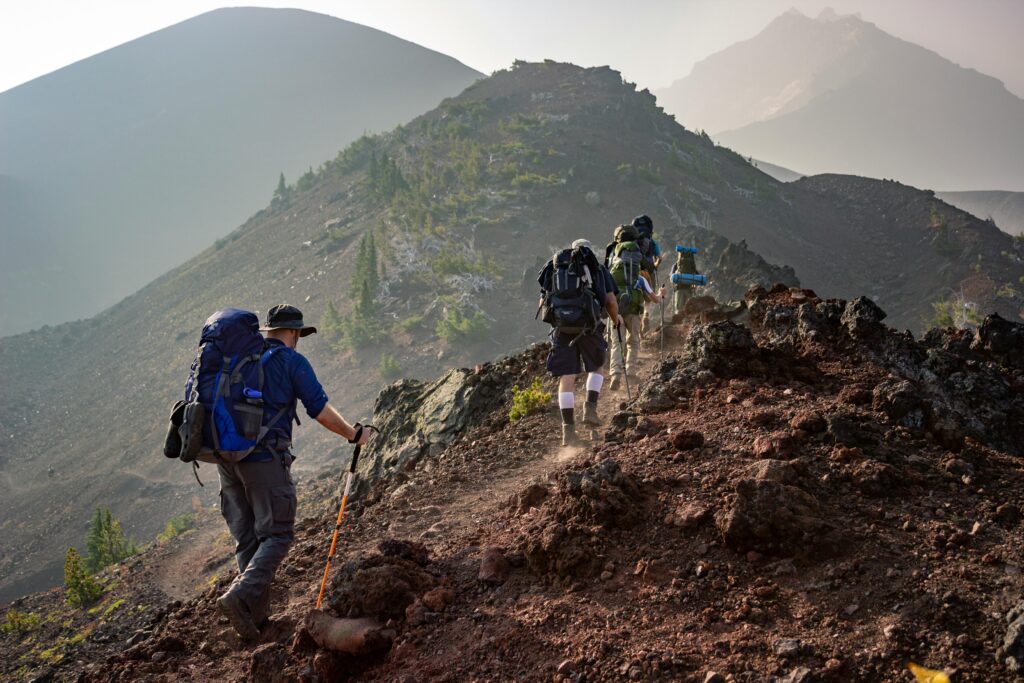
Large guided tours are giving way to intimate outings. Small group hikes, private kayaking trips, and one-on-one wildlife tours allow for richer conversation and slower pacing. Guides can adapt to participants rather than managing crowds. Questions linger longer. Observations feel personal. The emphasis shifts from covering distance to understanding terrain. In quiet adventure, scale shapes depth. Shared silence can feel as meaningful as shared dialogue. Smaller groups foster trust and attentiveness. Participants engage more fully with guides. Experiences feel less rushed and more reflective.
Nature Sounds Replace Engine Noise
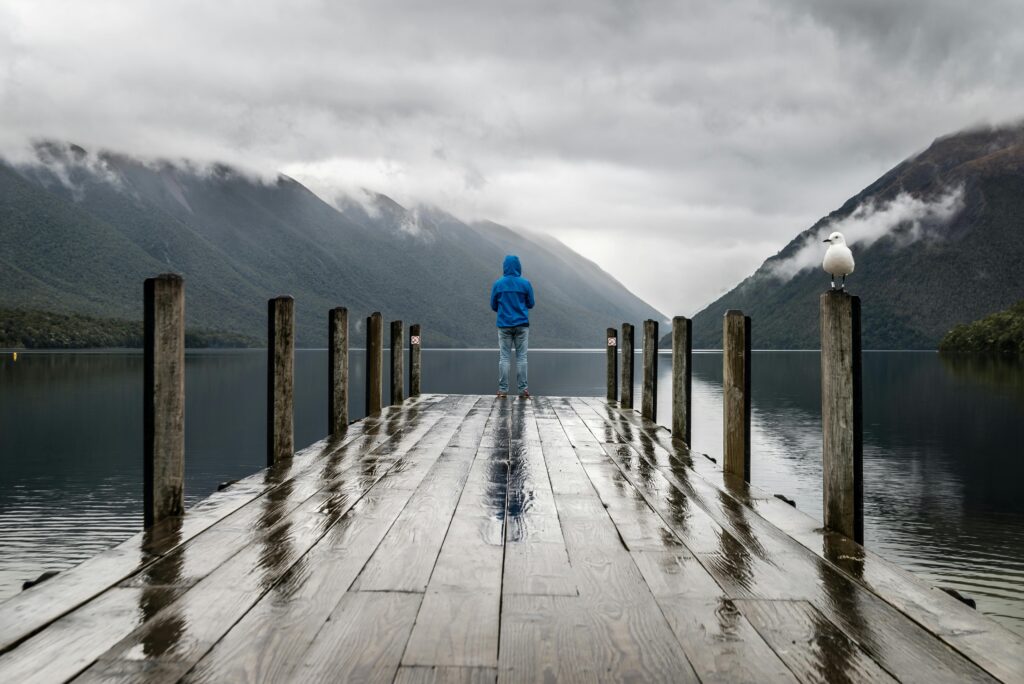
Many travelers now prioritize destinations free from heavy motor traffic. Paddle-only lakes, foot-access trails, and restricted vehicle zones are increasingly attractive. The absence of engines changes the sensory experience entirely. Wind through trees and distant bird calls become the dominant soundtrack. Movement feels self-powered and intentional. This quieter approach aligns with a broader interest in low-impact recreation. The pace becomes steady rather than rushed. Natural soundscapes restore a sense of balance. Silence sharpens perception. The environment feels more immersive without mechanical interruption.
Micro-Adventures Are Gaining Ground
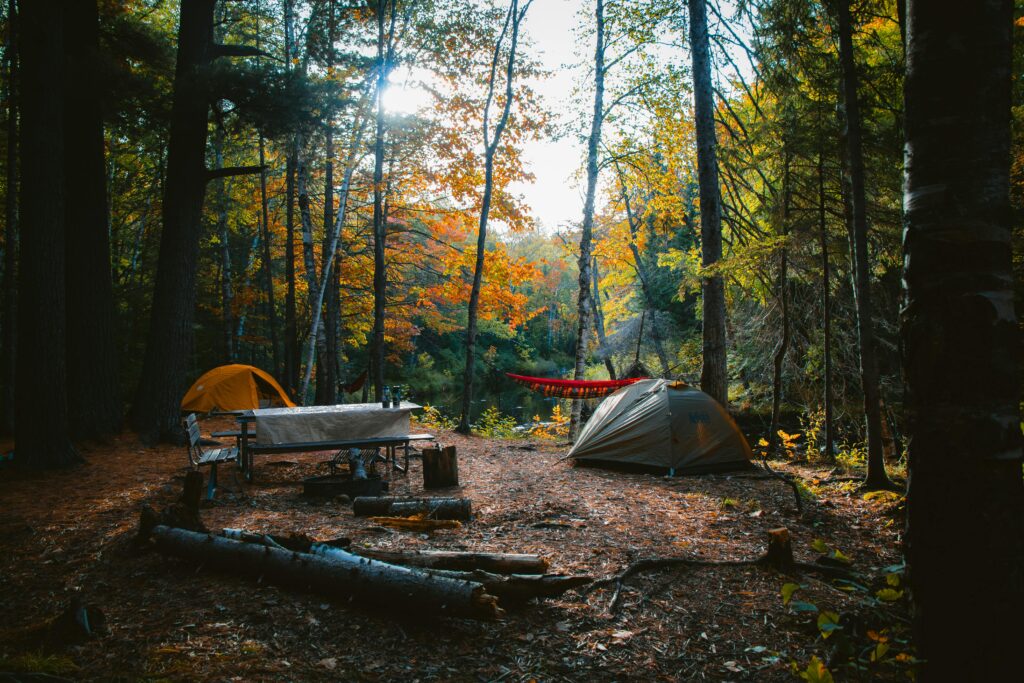
A quiet adventure does not always require distant travel. Short overnight trips to nearby forests, rivers, or state parks are becoming more common. These micro-adventures fit within busy schedules while still offering meaningful reset time. Even a single night outdoors can provide perspective. Proximity reduces cost and planning complexity. The emphasis remains on immersion, not mileage. Local exploration often feels more accessible. Small escapes can carry a lasting impact. Familiar landscapes reveal new details. Short trips often inspire longer journeys. Convenience makes consistency easier to maintain.
Reflection Is Part of the Experience

Unlike high-intensity adventure travel, quiet exploration leaves space for thought. Journaling, sketching, or simply sitting beside a lake becomes part of the itinerary. Many travelers describe returning home with clearer priorities and renewed focus. The physical setting supports mental reset. In a culture that often rewards speed, quiet adventure offers a counterbalance grounded in intentional pause. Silence encourages insight. Stillness creates room for deeper awareness. Time feels less pressured. Personal clarity often follows sustained quiet. The mental reset can outlast the trip itself.
Sustainability Shapes Destination Choices

Quiet adventure travelers often consider environmental impact when selecting activities. Low-impact hiking, paddling, and camping align with conservation principles. Choosing less crowded destinations can also reduce strain on overused areas. Respecting local ecosystems and communities becomes central to the experience. In this trend, adventure is measured not by volume or speed, but by how lightly one moves through the landscape. Responsible travel strengthens long-term access. Mindful behavior preserves fragile environments. Thoughtful planning supports both personal renewal and environmental stewardship.