

The “Fine Print” Fiasco: Why Your Vet’s Health Certificate Might Not Be Enough at the Border
For many U.S. pet owners, a signed veterinary health certificate feels like the final step before international travel. You schedule the appointment, update vaccinations, and secure official paperwork. Yet border officials often require far more than a basic certificate. In 2026, global pet travel rules remain layered and highly specific. Missing one technical detail, endorsement, or timing requirement can delay entry or result in denied boarding. The confusion often comes from overlooked small print rather than major errors.
Timing Windows Are Narrower Than You Think
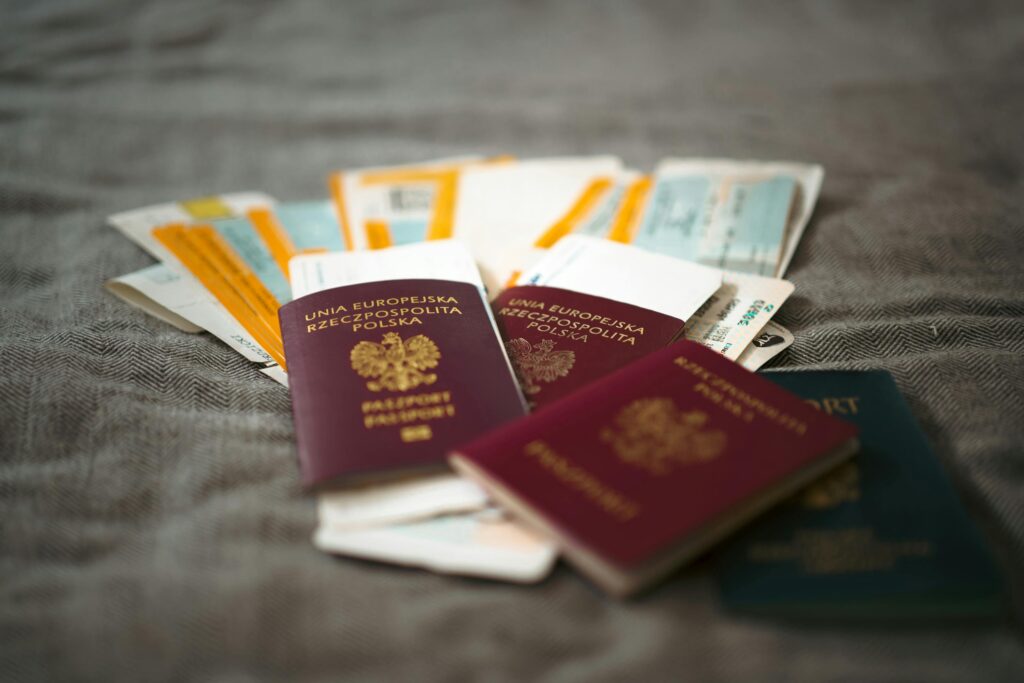
Many countries require health certificates to be issued within a specific number of days before departure, sometimes as short as 48 to 72 hours. Even if your pet is healthy and fully vaccinated, paperwork that falls outside the permitted window may be rejected. Airlines may also impose their own timing rules. Owners who schedule appointments too early often discover that a certificate becomes invalid before arrival. Careful coordination between flight dates and veterinary visits is essential. Time zones and long layovers can also affect compliance. Double-checking entry timelines reduces last-minute panic at check-in.
USDA Endorsement Is Often Mandatory

In the United States, some international destinations require that a USDA-accredited veterinarian issue the certificate and that it be officially endorsed by the USDA. A standard veterinary signature is not always sufficient. The endorsement process can take additional time and may involve mailing physical documents. If this step is skipped, border authorities may refuse entry. Understanding whether federal endorsement is required is a critical part of travel preparation. Processing times vary depending on location and season. Confirming endorsement requirements well in advance prevents last-minute disruptions to your travel plans.
Microchip Numbers Must Match Exactly
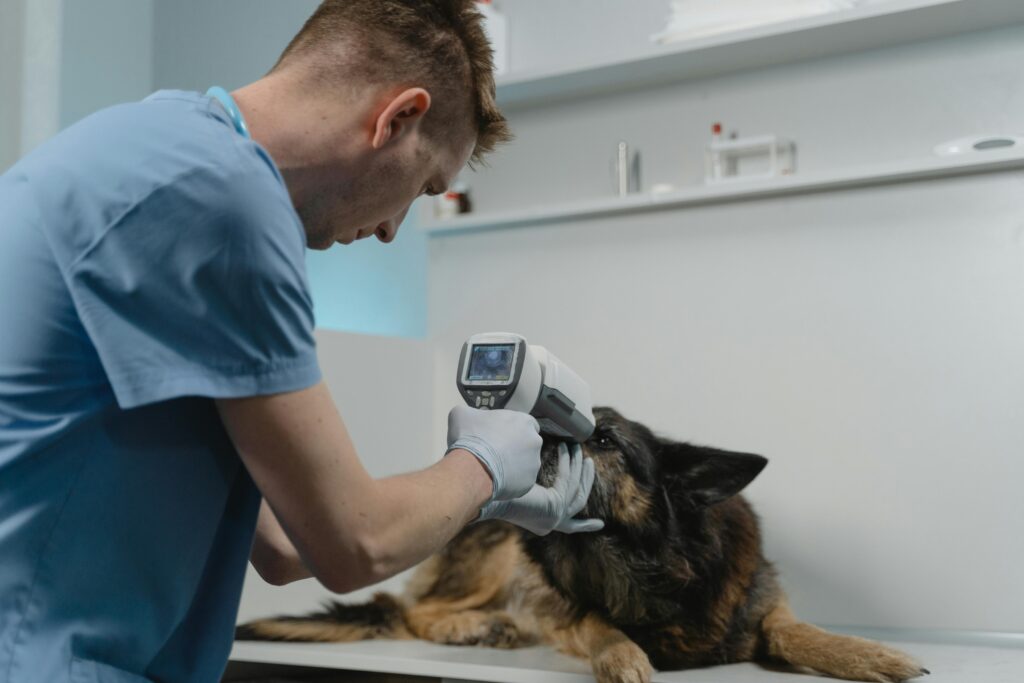
Border officials frequently scan microchips to confirm identity. If the number on the health certificate differs by even one digit from the implanted microchip, the paperwork may be questioned. Inconsistent formatting or clerical errors can cause delays. Owners should verify microchip numbers at the vet appointment and confirm that all documentation reflects the same sequence. Precision matters more than most travelers expect. Even minor typographical errors can raise compliance concerns. Reviewing documents carefully before departure is a simple safeguard. Keeping a copy of the original microchip registration can provide added reassurance.
Rabies Vaccination Rules Differ by Country
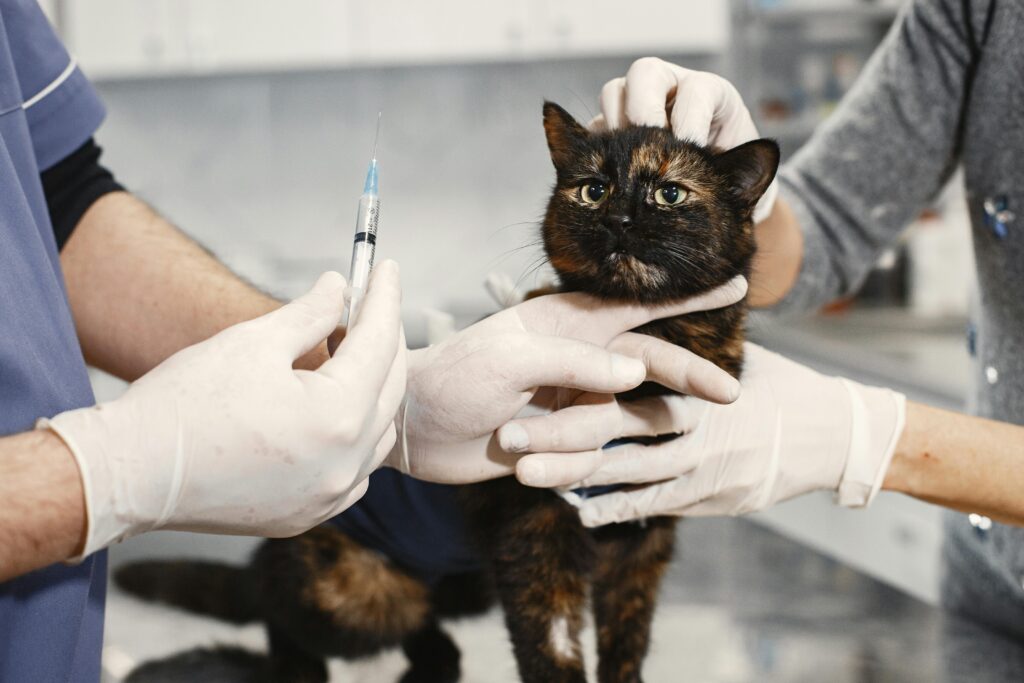
Rabies vaccination requirements vary widely. Some countries require vaccination after microchipping, while others demand specific waiting periods following inoculation. Titers, or blood tests confirming rabies antibodies, may also be mandatory. A valid vaccine in one country may not satisfy entry standards in another. Relying on general guidance without reviewing destination-specific rules can result in unexpected complications at check-in or arrival. Documentation must clearly show vaccination dates and product details. Requirements can change with little notice, so recent verification is essential.
Import Permits Are Separate From Health Certificates

A veterinary certificate confirms health status, but many countries also require an official import permit issued by a government authority. This permit must often be approved before departure. Without it, even complete medical paperwork may not guarantee entry. Processing times can vary, so last-minute applications carry risk. Owners should treat the import permit as a distinct requirement rather than assuming it is included in the certificate process. Some permits must be printed and presented on arrival. Digital copies alone may not satisfy officials. Reviewing permit validity dates ensures alignment with your travel schedule.
Airline Policies Add Another Layer

Airlines enforce their own animal transport rules, which may exceed government regulations. Breed restrictions, crate specifications, and temperature embargoes can affect eligibility to fly. A health certificate that satisfies border authorities may still fail to meet airline standards. Confirming requirements directly with the carrier prevents surprises at the airport. Clear communication with both airline representatives and veterinarians supports smoother travel. Cargo and cabin policies often differ significantly. Always verify details specific to your booking. Documented confirmation from the airline can help resolve disputes if questions arise.
Translation and Formatting Can Matter

Some countries require documents to be completed on official templates or translated into the destination language. Even accurate medical information may be rejected if it is not presented in the prescribed format. Handwritten corrections or unofficial alterations can raise concerns. Owners should review embassy or government website instructions carefully to ensure compliance with documentation standards. Official stamps and signatures may also be required on each page. Proper formatting strengthens document credibility at inspection. Professional translation services may be advisable for complex requirements.
Quarantine Rules Can Override Documentation

In certain destinations, pets from specific countries are subject to quarantine regardless of complete paperwork. Health certificates do not automatically exempt animals from these policies. Quarantine duration may depend on rabies status or country of origin. Planning for potential quarantine, including facility reservations, helps avoid unexpected logistical and financial stress upon arrival. Facilities may have limited availability during peak seasons. Early planning reduces uncertainty and adds expense. Understanding quarantine conditions in advance allows for realistic budgeting and scheduling.
Border Officials Have Final Authority

Even with every document prepared correctly, border officials retain discretion at the point of entry. They may request additional verification or clarification. Calm communication and organized paperwork can make a difference in these situations. Travelers should carry both printed and digital copies of all documents. Preparation reduces risk, but awareness that enforcement decisions rest with authorities is equally important. Professional presentation of paperwork supports credibility. Remaining patient and cooperative helps resolve concerns efficiently. Maintaining respectful communication can significantly influence the outcome of inspections.


