

The Fine Print: Everything You Need to Know About New Pet Airline Regulations
Airline pet rules changed quietly, and the “fine print” is where trips fall apart.
A carrier that’s 2 cm too tall. A fee that’s per leg, not per trip. A form you didn’t know existed until the agent says “no.”
This guide breaks down what’s new, what varies by airline, and what to confirm before you click “buy.”
You’ll get the practical stuff: in-cabin vs cargo limits, carrier fit under the seat, paperwork for domestic & international routes, and how to prep so your pet stays safe, and you don’t get denied boarding.
Think of it as a pre-flight checklist written in human language, so you don’t learn the rules at the gate.
What changed in the new pet airline rules
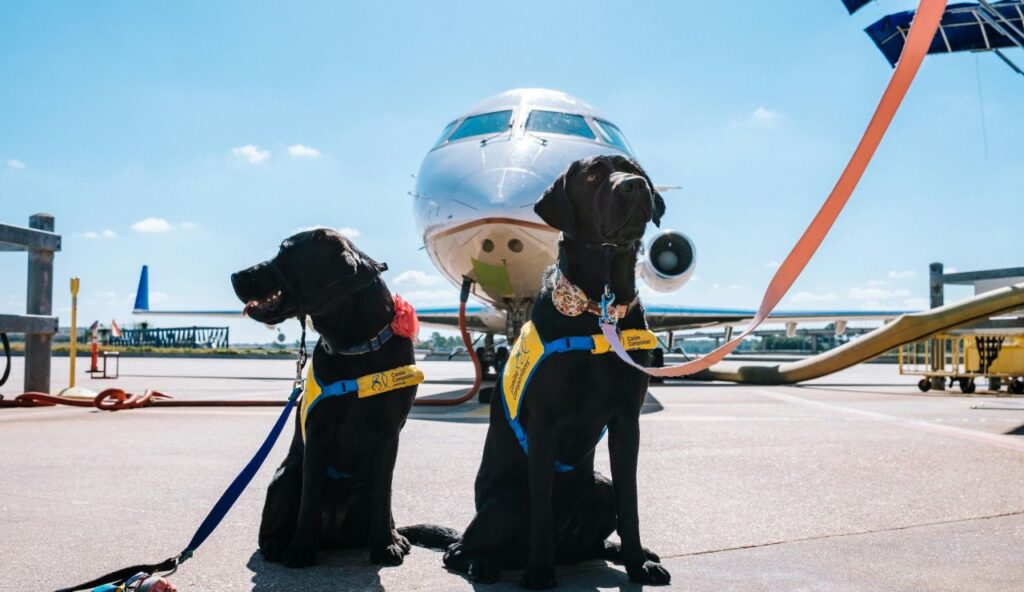
Most airlines now treat pet travel like a limited service, not a casual add-on.
In-cabin slots are capped, and they can sell out before you even pick a seat.
Carrier checks are stricter: soft-sided, ventilated, leak-proof, secure closures, and able to fit under the seat on the smallest aircraft on your route.
Fees and rules can also change mid-season, so don’t rely on last year’s screenshot; verify your exact flight number, aircraft type, and route (especially if there’s a connection).
If you’re comparing airlines, check both the pet policy page and the booking flow; some rules only show up at checkout.
In-cabin travel: under-seat carrier reality
If your pet flies in-cabin, the rule is simple and non-negotiable: they must remain in the carrier.
That carrier has to stay under the seat, not on your lap, not “just for takeoff.”
Look for “under the seat” dimensions on the operating airline’s policy page, then measure your carrier at its widest points, including bulges and pockets.
Pick a flexible, soft-sided carrier that still holds its shape, with ventilation panels on multiple sides and a leakproof base.
Do a practice ride at home so your pet doesn’t panic when the cabin gets noisy.
Keep treats handy, but avoid feeding right before boarding to reduce the risk of nausea.
Fees and booking: the stuff that surprises people

Pet fees are usually charged each way and, when you have connections, often per leg.
That’s how a “$125 pet fee” turns into $250–$375+ on a round trip with a layover.
Add the pet when you book, because in-cabin spots are limited and some flights reach the cap days in advance.
Some carriers require you to reserve a spot or notify the airline 48 hours in advance, and many require counter check-in for a carrier inspection.
Bring the card you’ll use to pay, your receipt, and a backup plan if your first flight switches to a smaller plane.
If you’re budgeting, treat the pet fee like baggage: it adds up fast with connections and peak dates.
Paperwork for domestic, international, and U.S. re-entry
Paperwork rules depend on where you’re going and where you’re passing through.
For many trips, you’ll need proof of rabies vaccination, and sometimes a health certificate from a vet within a tight window.
International itineraries may add microchip requirements, specific vaccine timing, and destination entry rules that don’t care what your airline “usually allows.”
For dogs entering the U.S., the CDC added a newer compliance layer: the CDC Dog Import Form plus identification tied to a microchip (often ISO-compatible).
Before you fly, match every document detail to the airline checklist, and keep digital backups saved offline.
Health, breed, and temperature restrictions
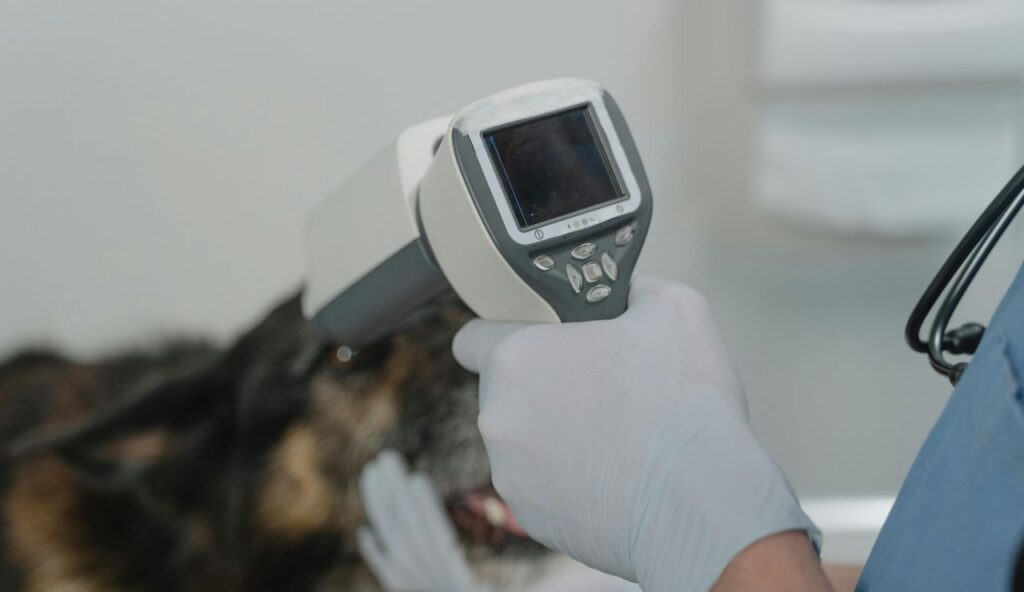
Airlines tightened “who can fly” rules, not just “how.”
The minimum age is typically 8–12 weeks, and some carriers limit pets that have been recently sedated or are post-surgery.
Short-nosed breeds (brachycephalic dogs and cats) face additional restrictions, especially for cargo, because heat and stress can become risky quickly.
Many airlines also enforce temperature cutoffs for ground handling, which can block travel even if the plane is climate-controlled.
Choose cooler departure times, avoid long midday layovers, and ask your vet about fitness to fly and hydration strategy instead of guessing at check-in.
Bring water and a collapsible bowl for delays.
When airlines disagree: codeshares, layovers, and last-minute changes
The operating airline’s policy wins, even if you bought the ticket through a partner.
A route can be legal at the origin and destination, then blocked at a transit airport with stricter rules or different handling hours.
Save a dated copy of the policy page, your pet booking confirmation, and any chat/email approvals.
If staff challenge your carrier size, ask for measurement against the posted dimensions, not a visual “looks big.”
When you feel stuck, a nonstop or earlier flight is often cheaper than a same-day flight at the counter, with your pet stressed, the line growing, and the clock bullying you.


