

The “Decoy” Trick: Why Seasoned Female Travelers Carry a Second Wallet (and What’s Inside)
Your phone’s not the only thing that needs a backup plan.
A second wallet is a safety habit.
You carry a cheap “decoy” with small cash and low-value cards.
Your money and IDs stay hidden.
If someone grabs your purse, you’re pickpocketed, or you’re pressured to hand something over, the decoy gives you an easy exit without exposing your passport, bank cards, or phone.
It’s not paranoia; it’s planning for theft scenarios in busy transit, markets, nightlife areas, and hotel lobbies, where distractions happen fast.
Done right, it reduces panic, limits losses, and keeps you moving instead of spending a day replacing essentials at an embassy or bank.
Why a Second Wallet Works in the Real World
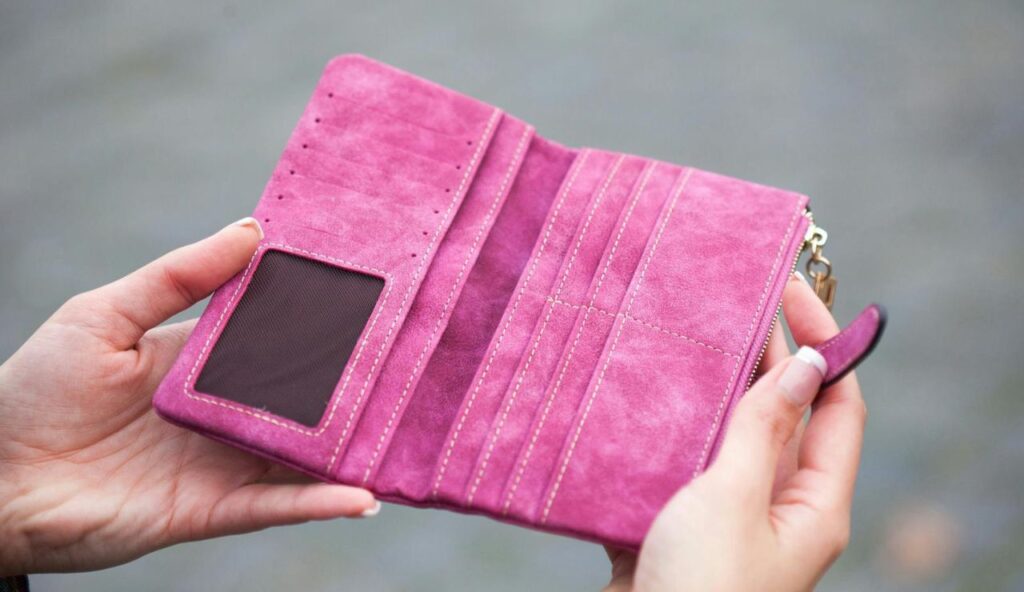
The decoy wallet works because most theft is about speed and low risk.
A pickpocket wants a quick grab and an easy flip.
A mugger wants you to comply fast.
When you can hand over something that looks real, a worn wallet, a few notes, a couple of cards, you shorten the interaction.
You also protect the items that cause long delays: passport, primary bank cards, hotel key, and phone.
The goal isn’t to “trick” anyone into danger.
It’s to reduce the losses if a bad moment happens.
It’s most useful in crowded stations, packed buses, festival streets, and ATM lines where distraction tactics are common, and space is tight.
What the Decoy Wallet Should Look Like and Where to Carry It
Pick a decoy that looks believable.
A basic wallet or coin purse that matches the local “normal,” not something brand new.
Keep it in the place a thief expects: the outer purse pocket, the jacket pocket, or the top section of a day bag.
That’s the whole point: it can be taken without reaching your real stash.
Your primary wallet, passport, and backup cards should sit deeper.
Use a zipped inner pocket, a money belt, or a crossbody with the zipper facing you.
Practice grabbing the decoy quickly so you don’t fumble in a stressful moment.
Split cash so you can pay normally from the decoy without revealing where the real one lives.
What Seasoned Travelers Actually Put Inside
Stock the decoy with “credible but disposable” items.
Add a small amount of local cash for taxis or transit.
Add one low-limit card you can lock instantly in your banking app.
Some travelers add an old expired card or a gift card to make it look fuller.
Include a paper note with your hotel name and address written in the local language.
That way, if you lose your phone, you can still get back.
If you carry a transit card, keep a secondary one here, not your main pass.
The aim is convenience plus controlled loss.
Tuck a small emergency bill behind a receipt and one backup contact number, not your full address book.
What Should Never Go in the Decoy Wallet
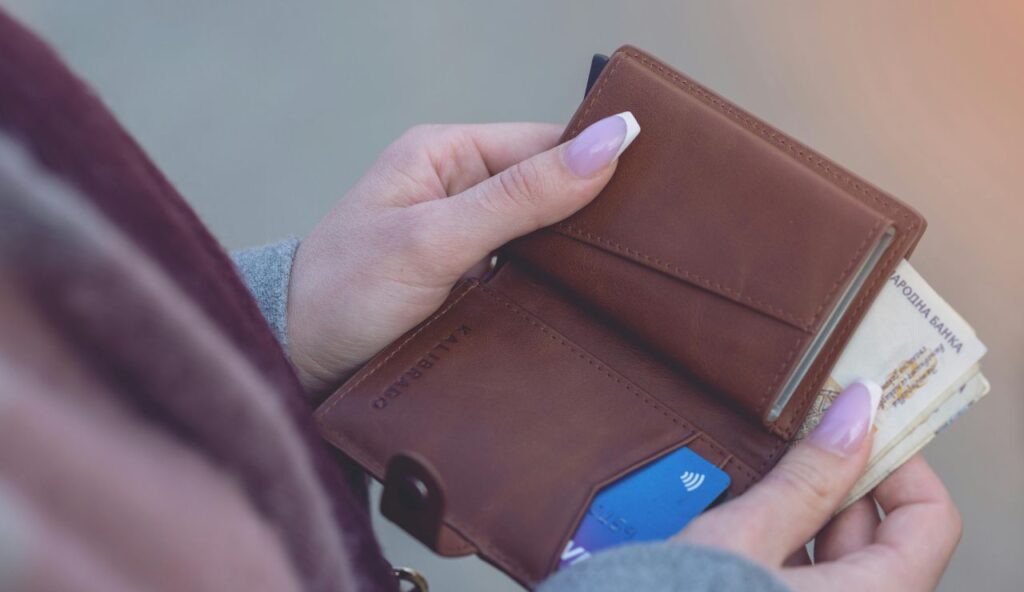
Do not put anything in the decoy that creates a long, expensive recovery chain.
That means no passport.
No residency card.
No primary credit/debit cards.
No SIM eject tool.
No spare house keys.
No main hotel room key sleeve with your room number.
Avoid keeping your full name and home address together in writing.
If you must carry ID for venue checks, use a secondary form when possible.
Or keep the real ID separate from the decoy.
Think of the decoy as a sacrifice layer: losing it should be annoying, not trip-ending.
Also, skip QR codes to banking apps or password hints.
Thieves love a free shortcut.
Keep those offline.
How to Use It Without Making Yourself a Target
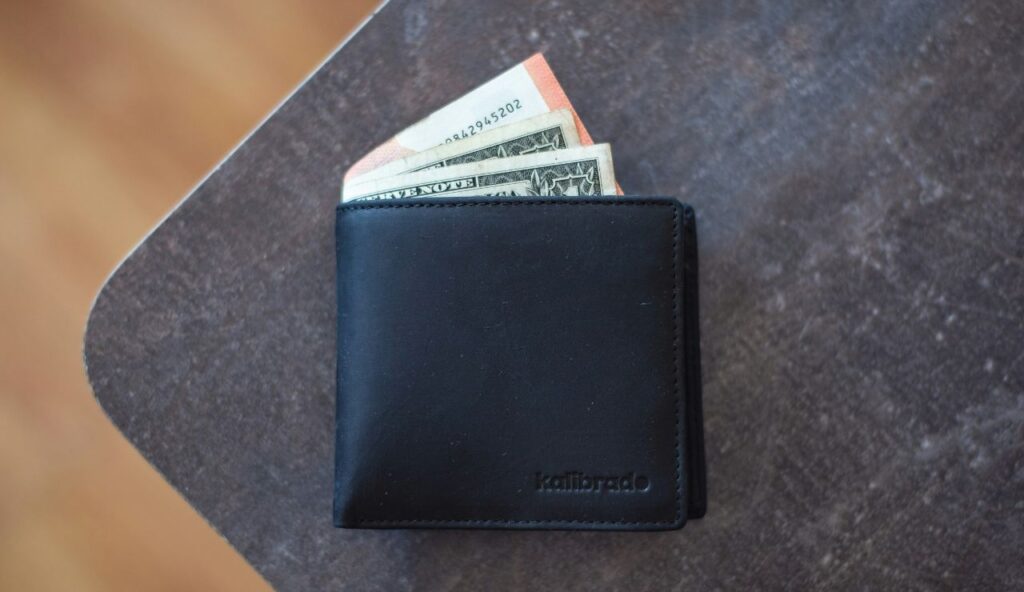
Use the decoy in routine moments as well as in emergencies.
Pay for small purchases with it.
Show it briefly at a ticket window.
Keep your real wallet out of sight.
If someone bumps you hard, crowds you at a doorway, or starts an over-friendly distraction, move your hand to your real pocket.
Let the decoy be the visible target.
If you’re ever threatened, prioritize safety over items.
Hand over the decoy, step back, and get to a well-lit, populated place.
Report theft quickly so the low-limit card can be frozen.
Rehearse the motion once in your room.
Save the local emergency number and your bank’s hotline before you go out.
Backups That Make the Decoy Strategy Actually Pay Off
The decoy works best with a simple backup system.
Keep photos of your passport ID page, visas, and cards stored in an encrypted vault.
Email yourself a copy of your insurance and itinerary.
Carry one spare payment method in a different place from both wallets.
For example, a second card in your luggage or a hidden pocket.
If the decoy disappears, you should be able to cancel one card, replace a little cash, and continue your day without scrambling for replacements abroad.
The whole setup is about limiting downtime, not winning a confrontation.
Know where your nearest embassy/consulate is.
Keep your hotel’s direct number written on paper.


