
The “Dangerous Dog” List: 5 States with Strict Breed Bans That Could Stop Your Road Trip Cold
Planning a road trip with your dog sounds simple until local breed laws get in the way. While many states have moved away from breed-specific legislation, some cities and counties still enforce strict rules that can affect where you stay, rent, or even pass through. For travelers with certain breeds, that can turn a relaxed drive into a stressful detour. Here are five states where local breed bans or restrictions could stop your road trip cold. Knowing the rules ahead of time can save you serious hassle.
1) Ohio

Kelly O’Sullivan/unsplash
Ohio does not currently enforce a statewide breed ban, but its history with strict pit bull classifications still affects some municipalities and housing policies. While state law no longer labels pit bulls as inherently dangerous, certain cities and landlords may maintain restrictions or additional requirements. That can create confusion for travelers booking short-term rentals or extended stays. If you are driving through Ohio with a breed commonly targeted by past laws, double-check local ordinances before confirming accommodations. Policies can vary widely by county, which makes planning essential.
2) Iowa

Wenxiao Guo/unsplash
Iowa allows local governments to regulate or restrict specific breeds, and several cities have maintained breed-specific rules. This often impacts pit bulls and similar mixes, particularly in rental housing or public spaces. Even when statewide law does not impose a ban, municipal ordinances can limit where your dog is allowed. For road trippers, that means checking city-level regulations, not just state policy. Calling ahead to campgrounds, hotels, or Airbnb hosts can prevent last-minute problems. The rules are not always obvious online, so verification matters. Some insurance policies tied to rentals may also influence host decisions.
3) Kansas
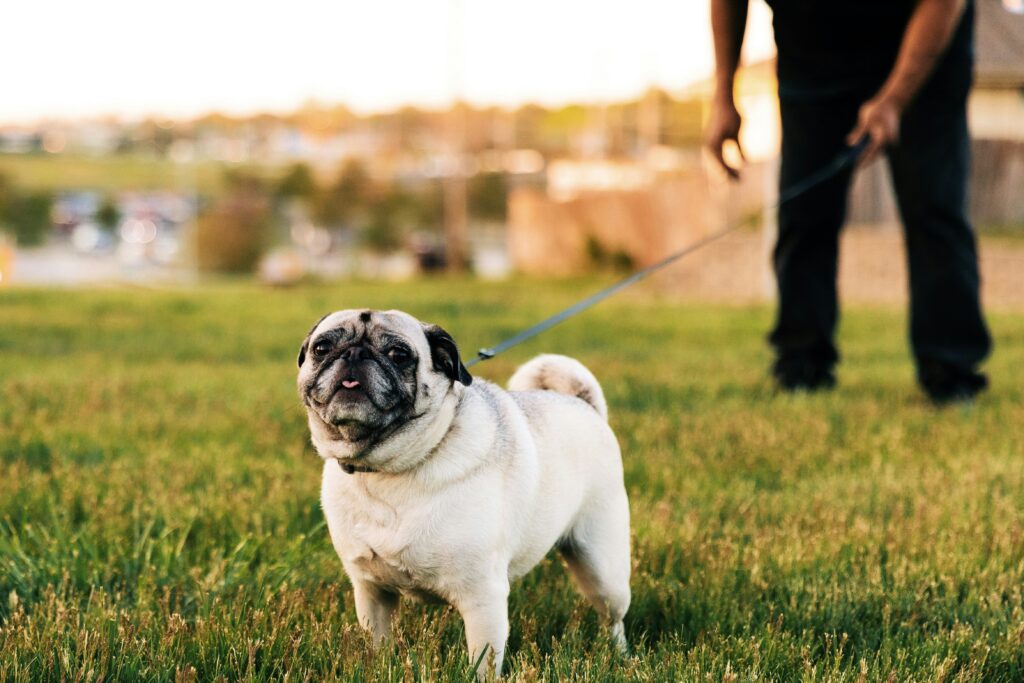
Kansas leaves animal control regulations largely to cities and counties, which means breed bans can differ dramatically from one town to the next. Some municipalities continue to enforce restrictions on pit bulls or other large breeds, even if neighboring areas do not. For travelers, that patchwork approach can make planning complicated, especially if your route includes smaller towns. Checking local government websites or calling ahead is often the safest approach. Breed rules may also affect boarding facilities or temporary rentals, not just public parks. Even short stops within city limits can technically fall under local ordinances.
4) Missouri

Missouri does not impose a statewide breed ban, but it allows municipalities to create their own animal control ordinances. As a result, certain cities have enacted breed-specific restrictions that can surprise travelers. These policies may include mandatory muzzling, insurance requirements, or outright bans within city limits. If you are planning overnight stops, especially in smaller communities, confirm local regulations before booking. Even if enforcement varies, the legal language can still impact housing access. It is also wise to keep vaccination and documentation records easily accessible.
5) Arkansas
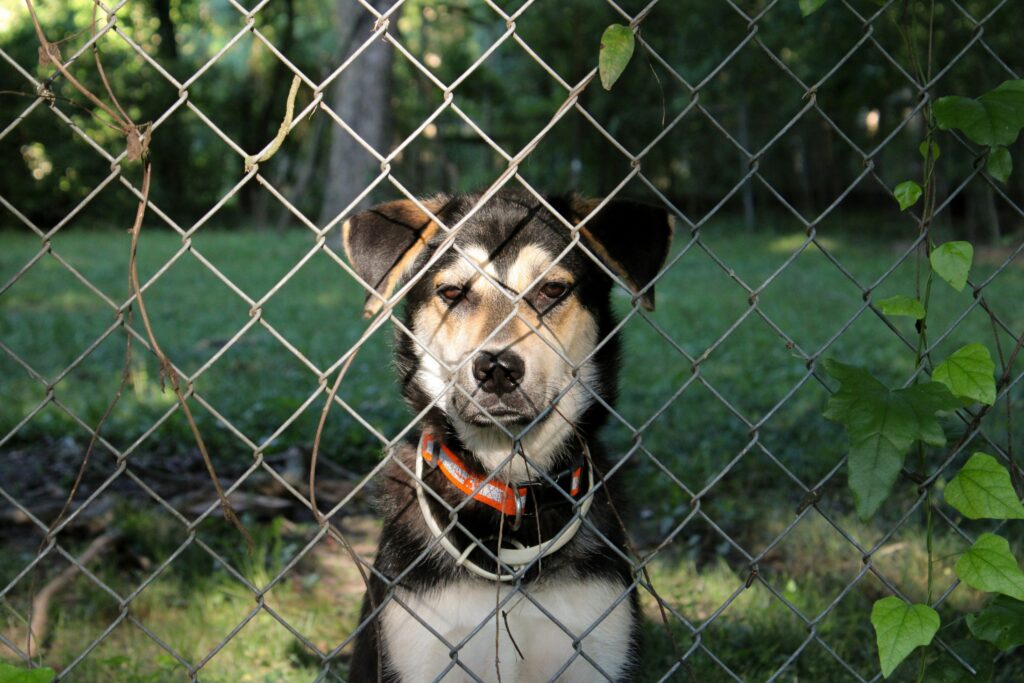
Arkansas also permits cities to adopt breed-specific rules, and some municipalities continue to enforce strict policies targeting certain breeds. These rules can affect residency, public access, and rental agreements. For travelers with larger or commonly restricted breeds, this can complicate last-minute bookings. It is especially important to review local laws if you plan to stay longer than a single night. While enforcement levels differ, being proactive protects both you and your pet from avoidable issues. Checking city animal control pages before arrival can make all the difference.