The 2026 Pet Gear Guide: 8 High-Tech Crates and Carriers That Are Changing the Way We Fly
Flying with pets in 2026 looks very different from just a few years ago, thanks to safer and more airline-friendly travel gear. Modern crates and carriers now feature better airflow, reinforced frames, impact protection, and comfort designs that reduce stress during long trips. Many options also follow cabin rules, under-seat sizing limits, and temperature needs. For frequent travelers or families relocating with animals, choosing the right carrier is no longer only about size but about safety, durability, and in-flight comfort. The right gear can help prevent injuries, ease anxiety, and make airport movement smoother for pets and owners.
1. Smart Ventilation Travel Crates
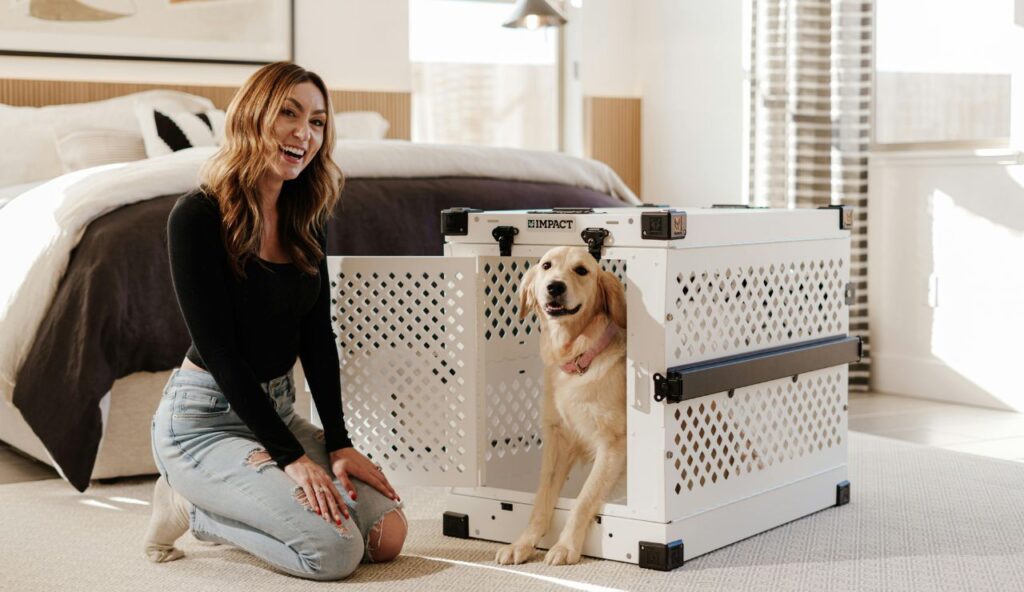
Smart ventilation crates are designed to improve airflow without exposing pets to cold drafts or sudden temperature shifts. These crates use layered mesh panels, reinforced air channels, and well-placed vents that allow fresh air to circulate evenly around the pet’s body. This reduces overheating during boarding delays and supports breathing comfort in pressurized cabins. Many models include rigid frames that prevent collapse when stacked with luggage, making them safer for cargo handling. For nervous pets, better airflow also limits humidity buildup, which can increase stress and discomfort during long flights and extended airport waits.
2. GPS-Enabled Pet Carriers
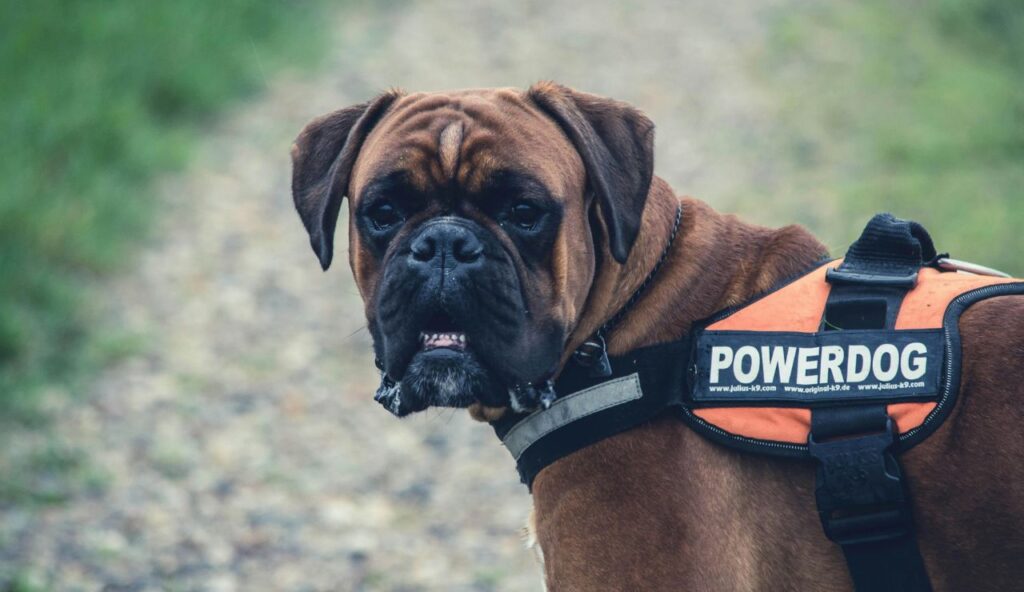
GPS enabled carriers give owners peace of mind by allowing real-time location tracking throughout travel. These carriers integrate compact tracking units into reinforced pockets that do not interfere with pet comfort or airline inspections. Tracking features help owners confirm pets are loaded correctly, transferred safely between terminals, and moving along the same route as their flight. Some designs also send alerts if the carrier is opened unexpectedly or moved outside approved zones. This added visibility reduces travel anxiety and proves useful when baggage routing errors or delays happen during international trips.
3. Crash-Tested Travel Crates
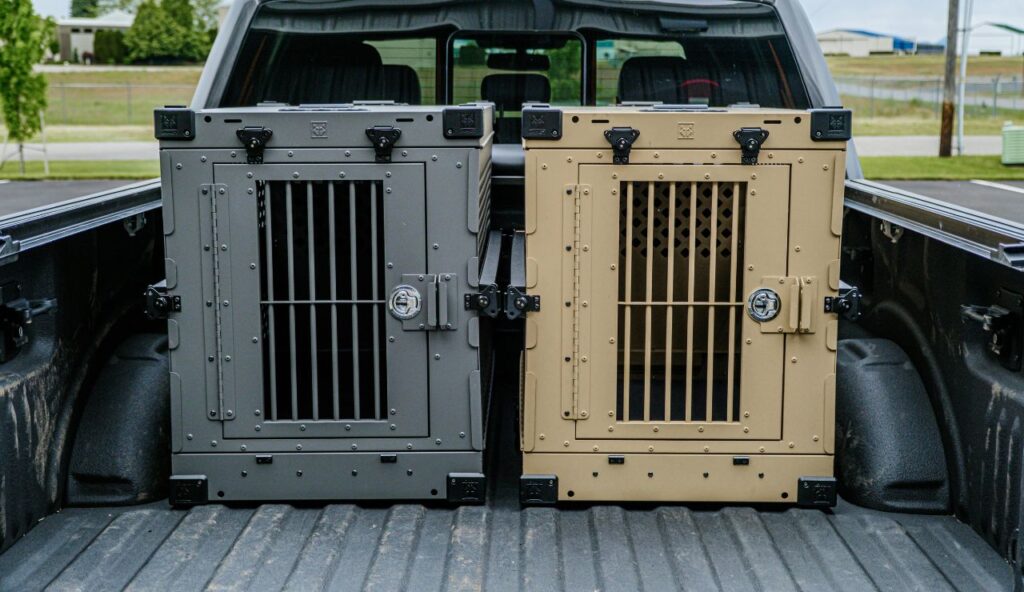
Crash-tested crates are engineered to protect pets during impacts or turbulence, offering higher safety than standard soft carriers. These crates use reinforced polymer shells, steel anchor points, and energy-absorbing interiors that limit movement during abrupt stops. While designed for car travel, many crash-tested models now meet airline cargo guidelines, making them suitable for multi-leg journeys. For pet owners concerned about safety during ground transport to and from airports, these crates provide consistent protection across the trip. Strong structural integrity also reduces the risk of collapse under heavy luggage loads.
4. Lightweight Cabin-Approved Carriers
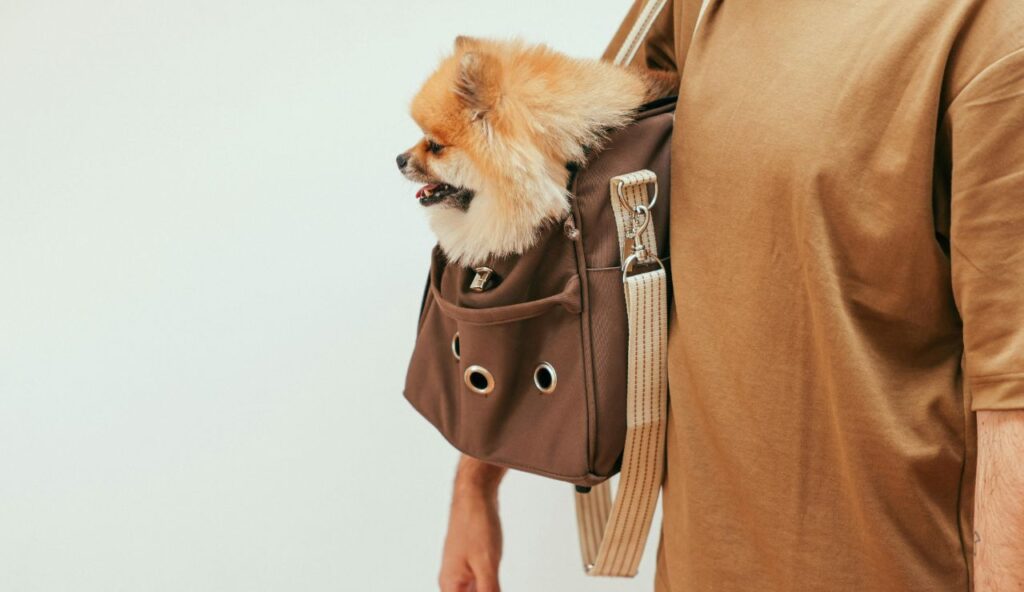
Lightweight cabin-approved carriers focus on balancing comfort with strict airline size limits. These designs use flexible frames that fit under seats while still providing enough internal space for pets to shift position and rest. Breathable side panels, padded bases, and reinforced handles make them easier to carry through terminals and security checks. Many models include discreet pockets for documents and treats without adding bulk. For travelers who keep pets in the cabin, lightweight carriers reduce shoulder strain and help ensure compliance with airline guidelines without sacrificing ventilation or stability during long boarding waits.
5. Expandable In-Flight Carriers
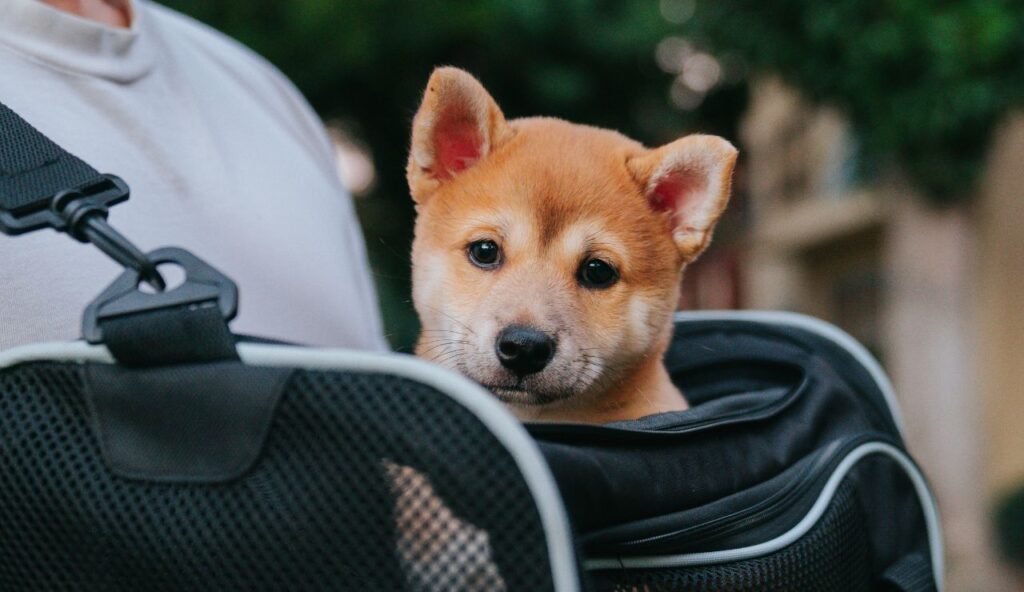
Expandable in-flight carriers offer extra space once pets are settled at the gate or during quieter parts of the journey. These carriers include fold-out panels that increase interior room while still folding down to meet airline sizing rules during boarding. The added space allows pets to stretch and reposition, reducing stiffness and discomfort on longer flights. Reinforced seams and locking zippers prevent accidental openings, even when expanded. This design is ideal for pets that meet cabin size limits but need more room to remain calm during extended travel. Controlled expansion helps balance airline compliance with pet comfort needs.
6. Temperature-Regulating Travel Crates
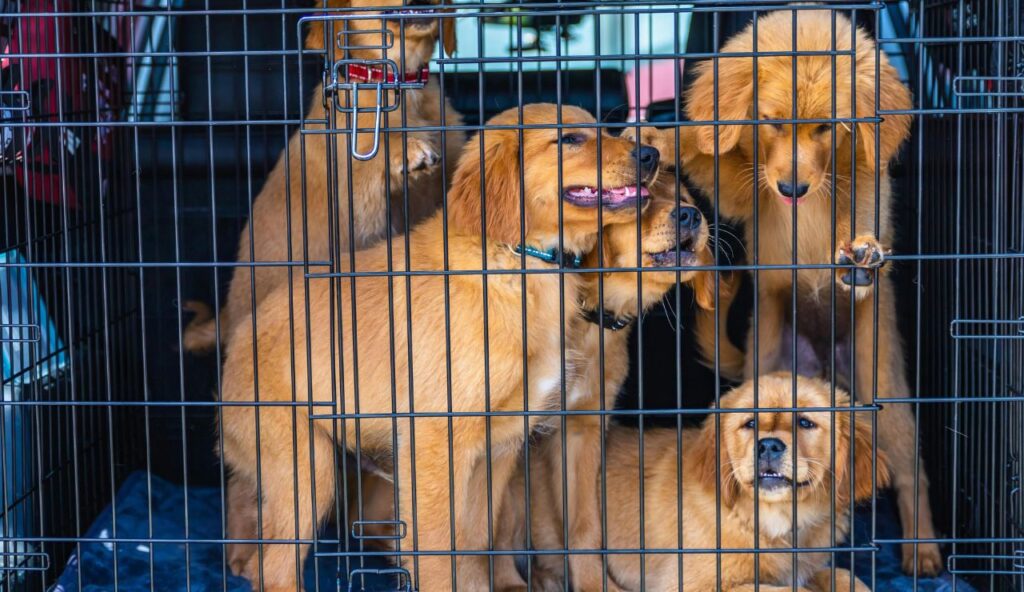
Temperature-regulating crates are built with insulated walls and airflow channels that stabilize internal conditions during transport. These crates limit exposure to extreme cabin or cargo temperature changes, reducing the risk of overheating or chilling. Some designs use phase change materials that absorb excess heat, while others rely on layered insulation that slows rapid shifts. This added protection helps short-haired breeds or animals sensitive to cold. For long haul flights and unpredictable airport climates, temperature-regulating crates provide a stable environment that helps pets remain calm and comfortable throughout transit.
7. Noise-Reducing Comfort Carriers
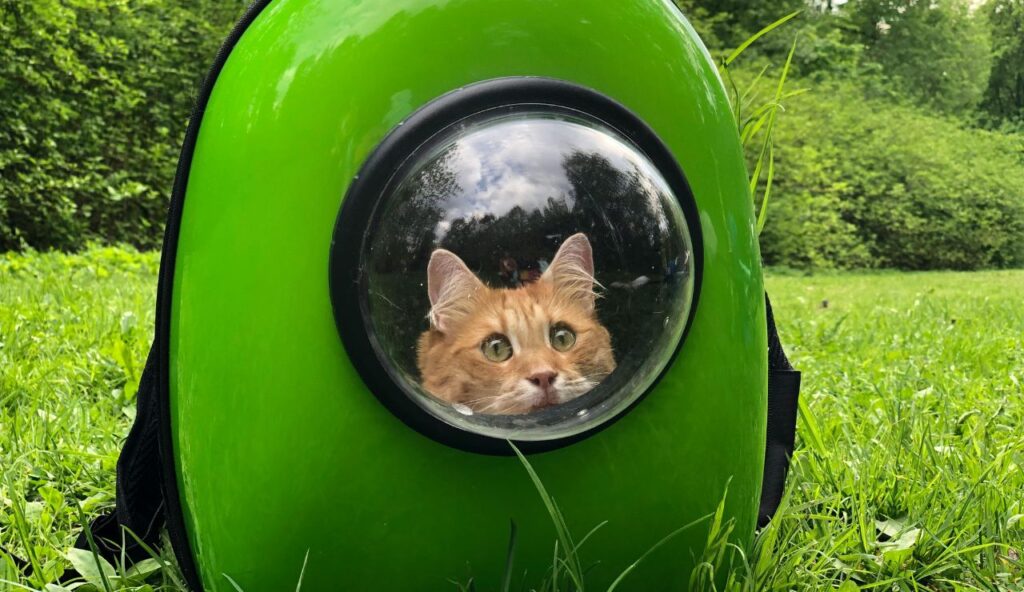
Noise-reducing carriers focus on limiting the sharp, sudden sounds common in airports and aircraft cabins. These carriers use padded interior linings and layered fabrics that dampen vibrations and muffle engine noise. Reduced sound exposure helps pets stay calmer during boarding announcements, rolling luggage noise, and cabin pressure changes. Many designs include soft internal walls that prevent rattling when the carrier is set down. For anxious pets, lower noise levels can significantly reduce stress behaviors during travel. A quieter environment supports steadier breathing and helps pets settle more easily during waiting periods at gates.
8. Modular Multi-Use Travel Crates
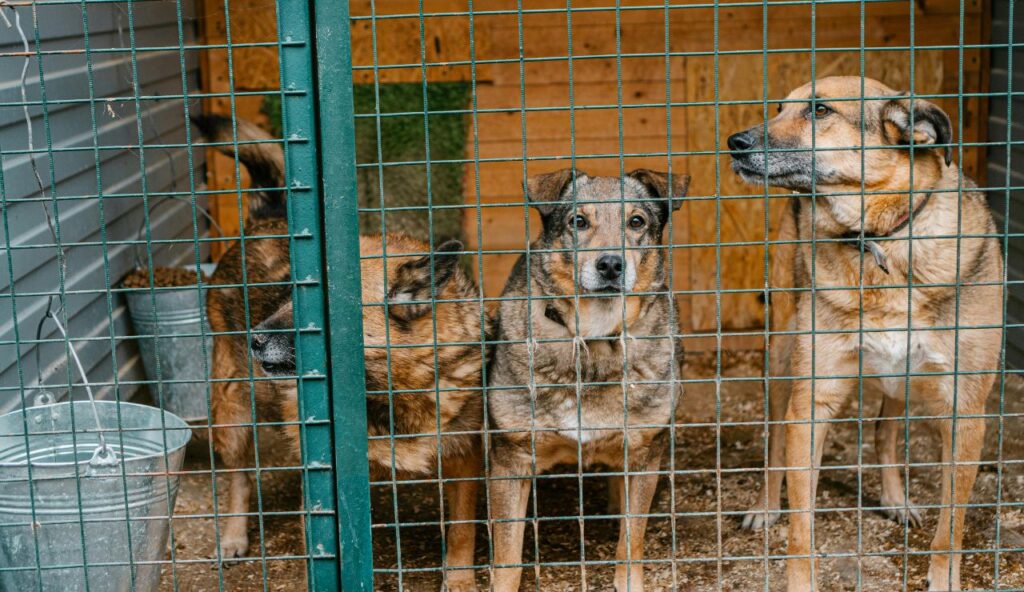
Modular travel crates are designed to function as both flight carriers and everyday home crates, reducing the need for multiple enclosures. These systems include removable panels, adjustable dividers, and fold-flat designs that simplify storage between trips. During travel, the crate locks into a rigid configuration that meets airline cargo guidelines. At home, sections can be removed to create a more open resting space. This flexibility helps pets become familiar with the crate before travel, reducing anxiety during flights. A familiar enclosure also makes transitions between home, car, and airport environments less stressful for animals.