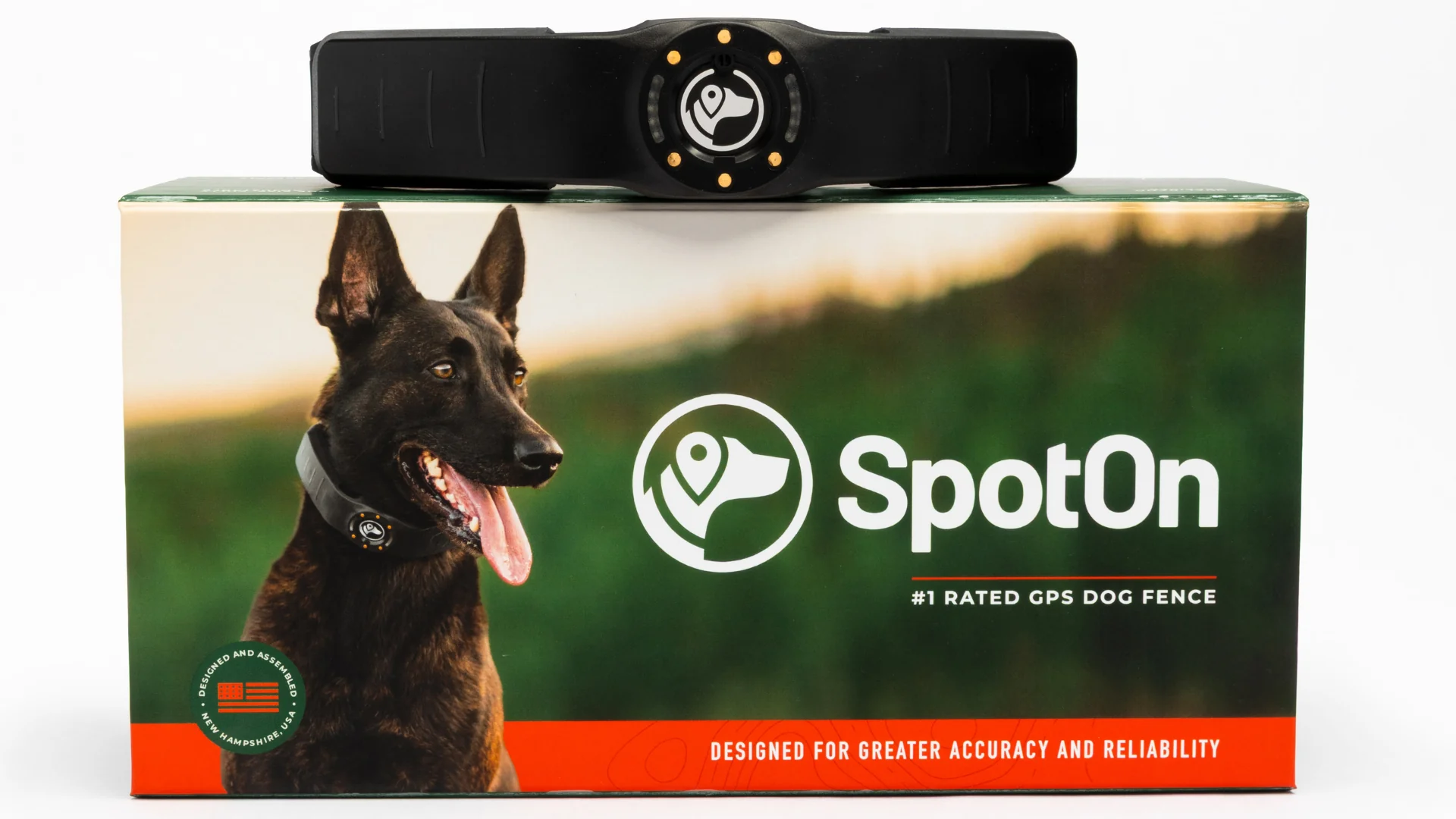
SpotOn GPS Fence Review: Is It Safe for Dogs?
Keeping a dog safely contained without the hassle of physical fencing has become a priority for many pet owners, and the SpotOn GPS Fence has emerged as one of the most talked-about solutions on the market. This device promises to replace traditional barriers with a smart, satellite-based boundary system that travels with you and your dog anywhere you go.
The question on every dog owner’s mind, however, is whether this kind of technology is genuinely safe and effective. This review breaks down everything you need to know before investing in a GPS-powered containment solution for your pet.
How the Virtual Dog Fence Technology Works
The SpotOn GPS Fence operates by using GPS satellites to map a custom boundary that you define through a companion smartphone app. Once the fence is set, the dog wears a collar that tracks their location in real time and delivers a warning tone, vibration, or static correction when they approach or cross the boundary line.
The virtual dog fence concept is built around giving pet owners flexibility that fixed fencing simply cannot provide. Whether you are camping in the woods, visiting a friend’s property, or staying at a vacation rental, the system allows you to create a new fence within minutes using your phone.
One of the key technical advantages of this approach is that the boundaries are not tied to any hardware buried in the ground. The GPS collar does all the work, communicating directly with satellites to determine the dog’s position relative to the custom zone you have drawn.
The system requires a clear view of the sky to function accurately, which means dense tree cover or urban environments with tall buildings can sometimes interfere with signal reliability. This is an important factor to consider depending on where you plan to use the product most often.
Setting Up the GPS Dog Containment System
Getting started with the SpotOn system involves downloading the app, charging the collar, and then walking the perimeter of the area you want to enclose while the app records your path. The setup process is straightforward and does not require any professional installation or buried wires.
The GPS dog containment system supports multiple saved fences, which is particularly useful for families who move between properties or travel frequently with their pets. You can store different boundary configurations and switch between them with just a few taps on your phone.
The collar itself is built to be rugged and water resistant, which suits active dogs that spend time outdoors in various weather conditions. It is also relatively bulky compared to standard pet collars, so it tends to work best on medium to large breeds rather than small or toy dogs.
Battery life is a practical consideration that many users notice quickly. Depending on usage, the collar may need to be recharged every day or two, which requires building a consistent charging routine into your schedule to avoid unexpected gaps in containment.
Wireless Pet Fence Safety and Correction Levels
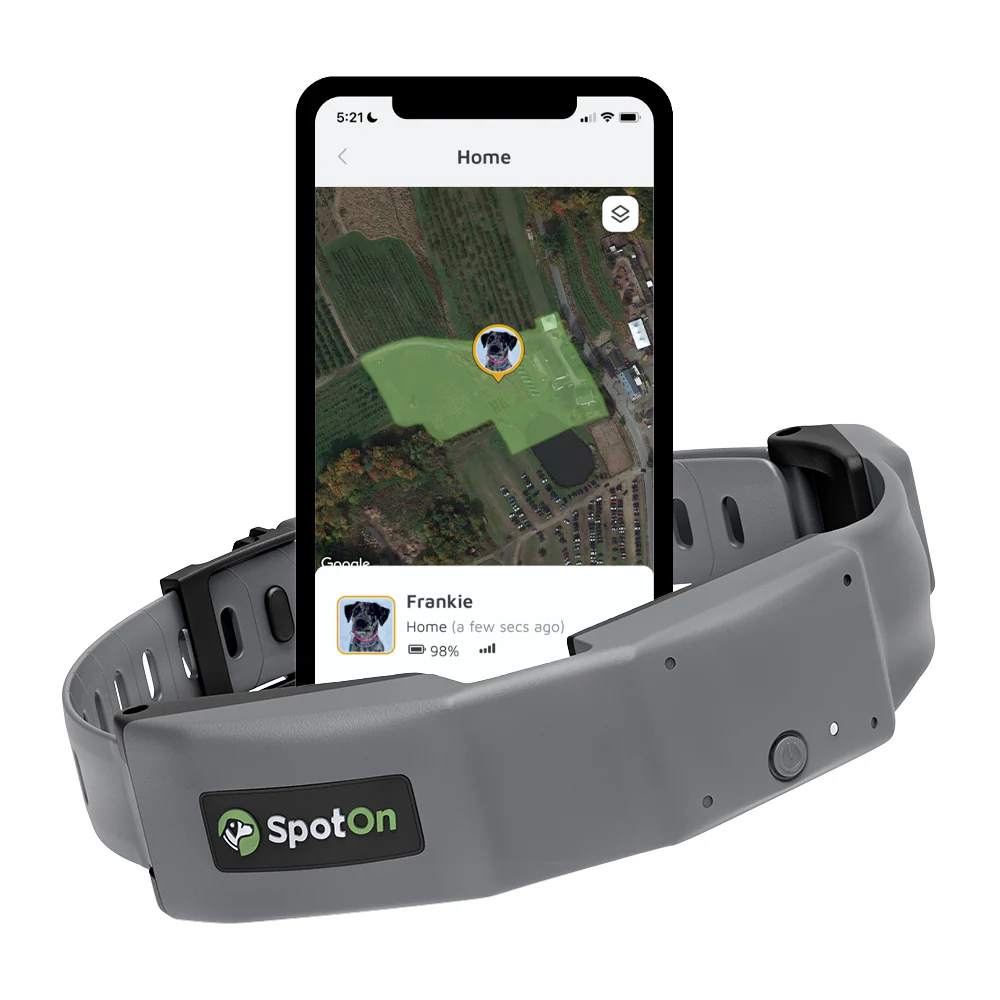
The most important question surrounding any containment collar is whether the correction methods are safe for the animal. The SpotOn system uses a sequence of audible tones and vibrations before resorting to a static correction, giving the dog multiple warnings before any physical stimulus is applied.
Wireless pet fence safety depends heavily on proper training before relying on the system independently. SpotOn includes a structured training program that guides owners through a gradual introduction process, teaching the dog to understand and respect the boundary without causing fear or confusion.
The static correction levels are adjustable, and most trainers recommend starting at the lowest effective setting and only increasing if the dog consistently ignores the auditory and vibrational cues. Dogs that are well-trained to the boundary often rarely or never experience the static correction at all.
Critics of electronic containment systems argue that any form of static stimulation carries a risk of stress or anxiety, particularly in sensitive breeds. The consensus among professional trainers who support GPS fencing is that the outcome depends almost entirely on how consistently and patiently the owner conducts the initial training period.
Real-World Performance and Reliability
One of the most consistent pieces of feedback from long-term users involves the GPS accuracy of the boundary, which can vary by a few feet depending on satellite conditions at any given time. This margin of error means the collar may occasionally trigger a correction when the dog is still a short distance from the intended boundary line.
In wide open spaces such as farms, large backyards, or open parks, the system performs at its best and delivers the reliable containment experience that the product is designed to provide. The challenges tend to arise more in suburban environments with signal interference or heavily wooded areas where satellite reception is inconsistent.
Customer reviews frequently praise the convenience and the flexibility of creating fences in new locations without any physical setup. Many owners describe it as a genuine game changer for road trips and outdoor adventures with their dogs.
That said, no GPS containment system should be treated as a complete substitute for supervision, especially in the early stages of use. Pet owners who treat the SpotOn fence as one layer of a broader safety strategy tend to report the most positive outcomes.
Is the SpotOn GPS Fence Worth the Investment
The SpotOn GPS Fence sits at a premium price point compared to traditional invisible fence systems, and it also requires an ongoing subscription for full app functionality. For frequent travelers or owners without the option of installing physical fencing, this investment can offer significant long-term value.
For homeowners with a stable property who do not need portable containment, a wired underground fence might offer equivalent safety at a lower cost and without subscription fees. The decision ultimately depends on how you use your outdoor space and how much flexibility matters to your lifestyle.
Dogs that are intelligent, curious, and prone to wandering tend to benefit the most from this kind of system, provided the training process is handled with patience and consistency. The technology is sophisticated, but it is the human side of the equation that determines whether the product succeeds.
Overall, the SpotOn GPS Fence is a well-engineered solution for pet owners who need reliable, flexible containment that travels with them. With proper training and realistic expectations about GPS limitations, it can be a genuinely safe and effective way to give your dog more freedom while keeping them protected.