Sky-High Anxiety: How to Navigate TSA and Terminals Without Stressing Your Pet
Air travel can overwhelm pets because airports are filled with loud noises, unfamiliar smells, crowds, and long waits. Even trained animals may feel anxious when routines change, and they are placed in carriers or security lines. For pet owners, managing this stress starts before arriving at the terminal. Understanding airline policies, preparing documents, choosing the right carrier, and planning for comfort can prevent last-minute panic. When you travel with a calm, organized mindset, your pet senses that stability. This foundation reduces anxiety and helps both of you move through security and terminals with less tension and confidence.
Preparing Your Pet Before You Leave Home
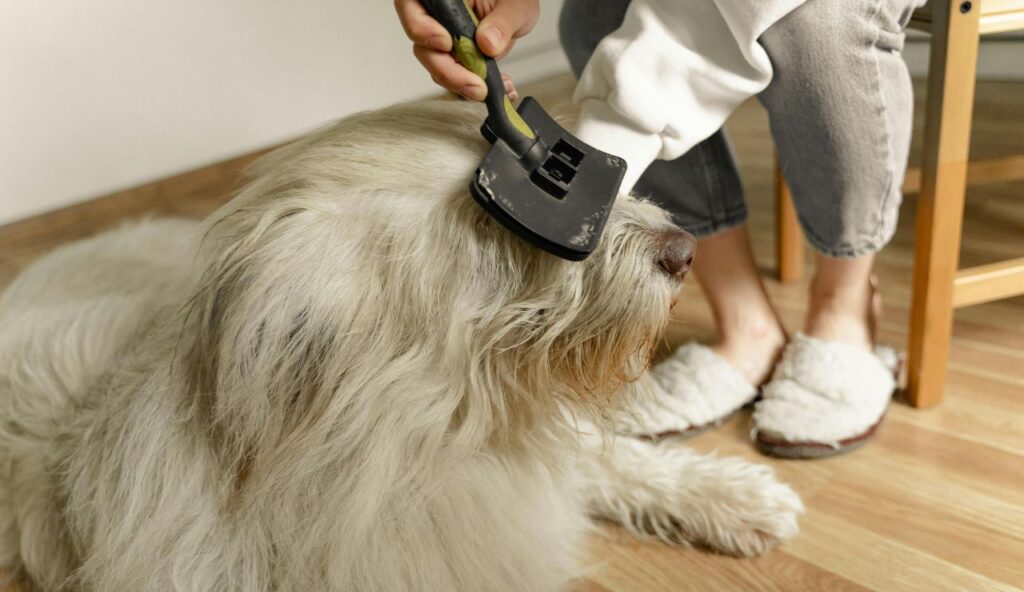
Preparation begins days before your travel date, not at the airport. Start by helping your pet get comfortable with the carrier by leaving it open at home and placing familiar bedding inside. Short practice sessions inside the carrier build tolerance without pressure. Gradually introduce background noise, such as soft airport sounds or travel videos, so loud environments feel less shocking. Avoid heavy meals before departure, but ensure your pet is hydrated. A calm walk or play session before leaving helps release nervous energy. These steps reduce shock when your pet enters a crowded terminal and faces new sights and sounds.
Navigating TSA Screening With a Pet
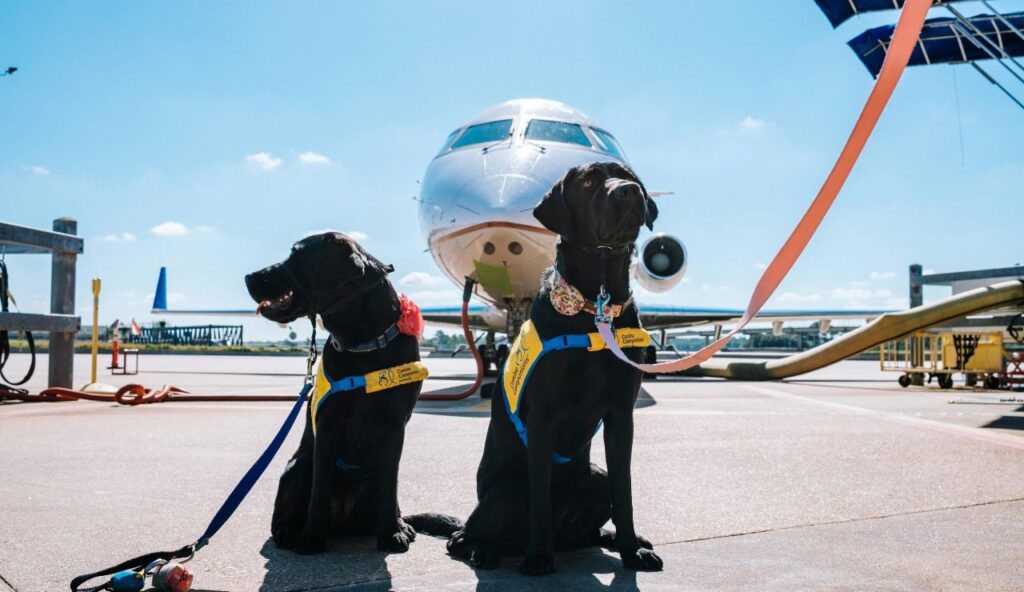
TSA screening is often the most stressful moment because pets must be removed from carriers while the carrier passes through the scanner. Practice safely holding your pet in advance so they feel secure in your arms. Use a harness or leash for dogs and a firm but gentle hold for cats to prevent sudden movement. Inform TSA officers calmly that you are traveling with a pet so they can guide you through the process. Move slowly and avoid rushing, as your pet mirrors your body language. Remaining patient and controlled helps your pet stay calmer while navigating this unfamiliar procedure in a noisy, busy checkpoint.
Managing Stress Inside Crowded Terminals
Terminals can feel chaotic with announcements, rolling luggage, and crowds moving in every direction. Find a quieter corner or pet relief area quickly to give your pet a break from stimulation. Speak softly and avoid frequent repositioning of the carrier, as this can increase agitation. Placing a light blanket over part of the carrier creates security without restricting airflow. Keep interactions calm and predictable by limiting handling from strangers. When pets feel shielded from activity, they settle faster. Creating brief calm moments within the terminal environment can lower overall anxiety during long waits.
Choosing the Right Carrier and Comfort Items
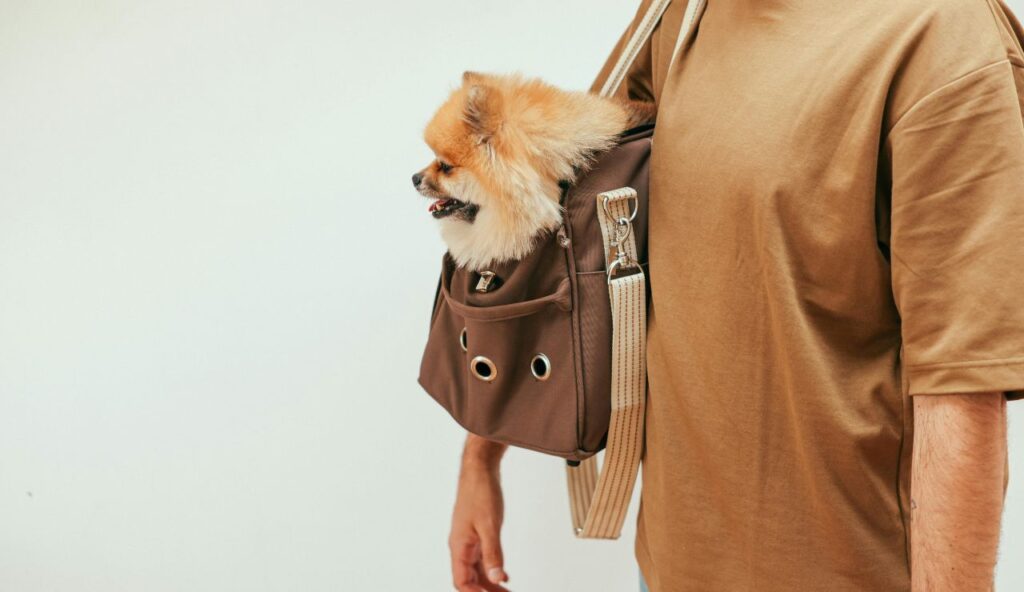
A well-designed carrier plays a major role in how your pet experiences travel. Choose a carrier that allows your pet to stand, turn, and lie down comfortably while meeting airline size requirements. Ventilation panels should allow airflow without exposing your pet to constant stimulation. Place a familiar blanket or toy inside to provide comforting scent cues from home. Avoid introducing new accessories on travel day, as unfamiliar items can increase stress. A secure, cozy carrier becomes a safe zone your pet can retreat into, offering stability as they navigate busy terminals and helping them remain calm during long waits.
Post-Security Calm and Boarding Strategies
After clearing security, give your pet time to settle before heading to the gate. Locate a less crowded seating area where you can sit quietly and allow your pet to relax. Offer small sips of water and gentle reassurance without overstimulation. Avoid constant opening of the carrier, as repeated exposure to noise and movement can renew anxiety. When boarding is announced, stay calm and organized to avoid rushing. Pets respond strongly to their owner’s emotional state, so maintaining a steady pace and relaxed posture signals safety. This controlled approach helps your pet transition smoothly from terminal chaos to aircraft calm.