

Safe or Sorry? The Most Dangerous Scams Targeting Tourists This Summer
Summer travel brings excitement, packed itineraries, and unfamiliar places, but it also attracts scammers who thrive on distracted tourists. From crowded transit hubs to popular beaches and historic districts, fraudsters adapt their tricks to blend into normal travel moments. Many scams now look professional, friendly, or even helpful, making them harder to spot. Understanding how these schemes work before you leave can help you avoid financial loss, identity theft, and ruined plans. Staying alert, informed, and cautious turns risky situations into manageable ones and keeps your trip focused on adventure, not recovery.
Fake Booking Websites and Rental Scams

Travelers searching for last-minute deals often land on fake booking sites or social media listings that mimic real platforms. These pages use copied logos, polished photos, and limited-time offers to pressure quick payment. Victims only discover the fraud upon arrival, finding no reservation or a property that does not exist. Some scammers send convincing confirmation emails and respond to messages to appear legitimate. To stay safe, book directly through well-known platforms, double-check URLs, avoid wire transfers, and confirm reservations with the property using official contact details before traveling.
ATM Skimming and Contactless Theft
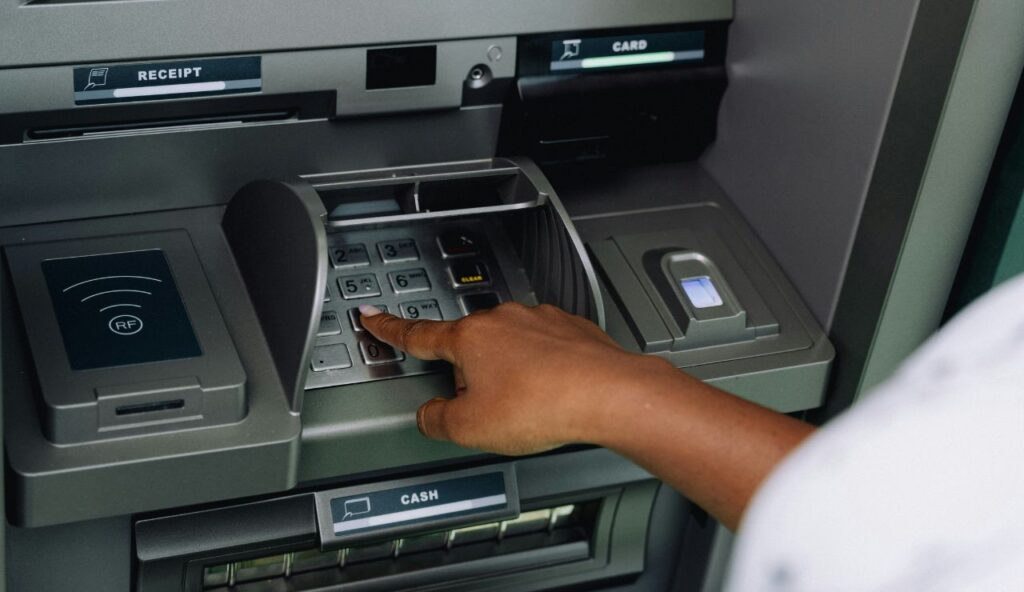
Busy tourist areas are prime spots for tampered ATMs and contactless card theft. Criminals install hidden skimmers or fake keypads to capture card details and PINs, then drain accounts within hours. Others use portable scanners to steal contactless data in crowded spaces like subways or festivals. Warning signs include loose card slots, unusual overlays, or machines placed slightly apart from bank branches. Use ATMs inside banks when possible, shield your PIN, enable transaction alerts, and carry RFID-blocking wallets to reduce the risk of silent, fast-moving financial theft while traveling abroad or domestically.
Distraction Pickpocketing in Crowded Hotspots
Pickpockets rely on distraction more than force, especially in popular plazas, transport stations, and festival crowds. Common tactics include staged arguments, spilled drinks, sudden hugs, or requests for help that draw your attention away from your belongings. While one person distracts you, another quietly removes wallets or phones. Crossbody bags worn in front, zipped pockets, and minimal valuables reduce risk. Stay alert in tightly packed areas, keep phones secured when taking photos, and avoid placing bags on chair backs or open tables where hands can reach unnoticed during peak travel seasons and crowded holiday periods.
Taxi Overcharging and Meter Manipulation
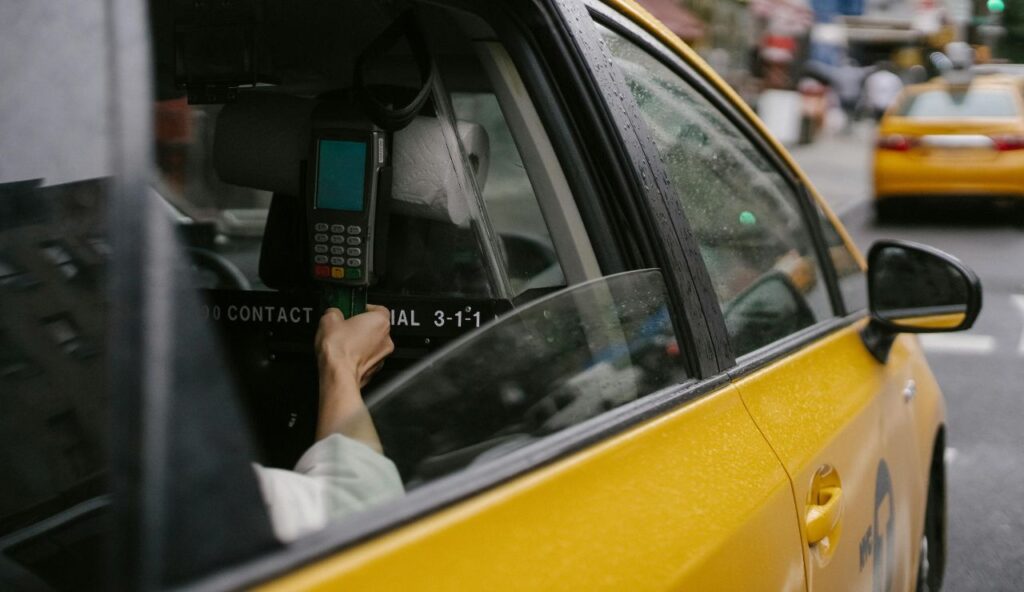
Unregulated taxis and ride services often target tourists unfamiliar with local routes and pricing. Drivers may claim meters are broken, take longer routes, or quote flat rates far above normal fares. Some use altered meters that tick faster once the ride begins. These scams are common near airports, ports, and nightlife districts. Protect yourself by using official taxi ranks, verifying typical fares before traveling, insisting on a working meter, and using reputable ride-hailing apps when available. Saving routes offline also helps you recognize unnecessary detours during trips, especially during late nights or unfamiliar city arrivals.
“Helpful Local” Currency Exchange Tricks
Friendly strangers offering help with directions or currency exchange can be part of a well-rehearsed scam. They may propose exchanging cash at a “better rate,” then use sleight of hand to swap bills or shortchange you. Others distract you during the exchange and return counterfeit notes. These scams prey on politeness and confusion in unfamiliar money systems. Always exchange currency at official banks or authorized counters, count money carefully in private, and avoid handling cash publicly. Learning basic local currency features helps you spot fake notes quickly and avoid unnecessary stress, losses, and ruined travel plans abroad.


