
Rail Renaissance: The Most Stunning Train-to-Trail Routes Across Europe
Europe’s quiet comeback story is happening on steel rails.
As flights get pricier (and guiltier), rail is turning long transfers into the main event, especially when a station drops you straight onto a bike path or hiking trail.
These train-to-trail pairings are built for low-carbon wandering: ride in, walk or pedal out, and spend money in small towns instead of airport corridors.
Here are eight routes where the scenery starts at the platform and keeps going long after you step off. Pack light, bring a refill bottle, and plan one “buffer day” for weather. The whole point is to travel more slowly, not to stress faster.
Norway: Flåm Railway to Rallarvegen
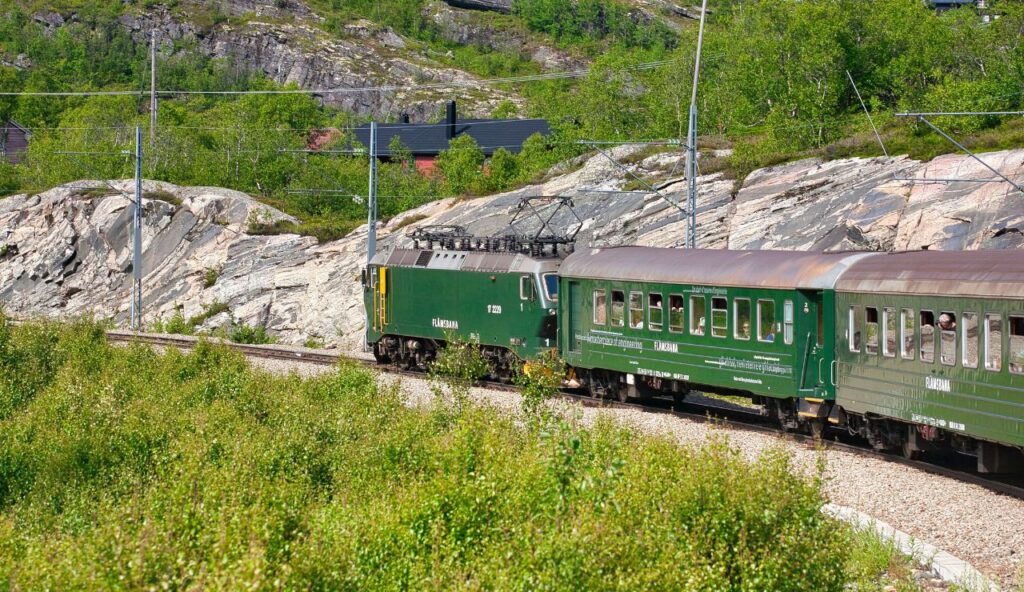
Ride Norway’s Flåm Railway up from the fjord to Myrdal, then swap carriage for gravel on Rallarvegen, the old navvies’ road across the high plateau.
The contrast is the magic: waterfalls and birch forests from the window, then mountain air once you’re pedalling. Start at Finse or Myrdal for the classic downhill-to-the-fjord run, and finish in Flåm with sore legs and a smug, carbon-light grin.
Check seasonal openings and snow reports; this route lives on alpine timing. Bikes are allowed on parts of the line, but spaces can be limited, so book early and carry a basic repair kit. Descents are long; pace yourself and bring brakes and gloves.
Scotland: West Highland Line to the West Highland Way
Take Scotland’s West Highland Line north to Fort William, where the platform is practically a trailhead.
From here, you can walk sections of the West Highland Way, linking lochs, moorland, and glens without needing a car shuffle. The train ride itself is half the flex: remote stations, big skies, and that famous viaduct curve near Glenfinnan.
Stay a night in Fort William, hike out in the morning, then use the rail line again to hop back south when your boots vote ‘enough’ for the day. For extra drama, hop off at Corrour for lochside wandering, but pack layers, weather flips fast. Stick to marked paths and leave no trace.
Austria: Semmering Railway to the Railway Hiking Trail
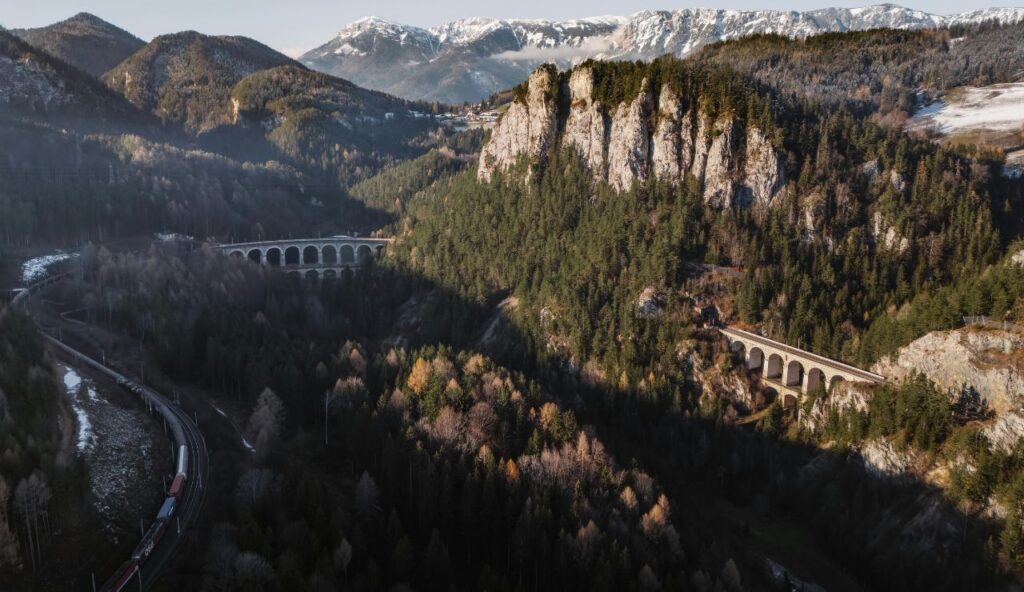
Austria’s Semmering Railway is the original “mountains, but make it engineering,” and it comes with a ready-made railway hiking trail that shadows the UNESCO-listed line.
Start at Semmering station, then walk past stone viaducts, tunnels, and viewpoints that frame trains threading the valley like toys. The best part is the logistics: finish at Breitenstein (or loop back), grab a coffee, and roll straight onto a train home.
It’s a rare route where the transit is the attraction, and the hike is the encore. Check local notices for closures, then budget half a day for the classic stage (about 10 km) to linger at the viaduct lookouts.
Italy: Cinque Terre Train Hops to the Sentiero Azzurro
Cinque Terre is basically a cheat code for train-to-trail travel: five villages, five stations, and a coastal footpath that lets you stitch them together on your own energy.
Based in La Spezia or Levanto, ride the local train to whichever village you want, then hike a segment of the Sentiero Azzurro before dropping back to the rails. You get sea cliffs, terraces of vines, and postcard harbours, without driving or hunting for parking.
Just remember, parts of the trail can be ticketed or closed, so check access before you go. If you’re mixing hikes and hops, the Cinque Terre Treno card combines train access, keeping it car-free.
Slovenia: Bohinj Railway to Lake Bohinj and Julian Alps Trails
Slovenia’s Bohinj Railway is a sleeper hit for slow travel: it threads river valleys and mountain views, and it can drop you close to Lake Bohinj and the Julian Alps trail network.
Ride toward Bohinjska Bistrica, then continue by local transport to the lake for easy shoreline walks, Vogel viewpoints, or tougher alpine day hikes. The vibe is “small country, big scenery,” and the rail connection means you can base in Ljubljana or Nova Gorica and still spend your daylight in Triglav National Park territory.
Bonus: Bikes are allowed on the line, so you can rail in with wheels and link up with routes around the lake before rolling back for dinner.
Germany: Brockenbahn Steam Train to a Harz Mountain Hike
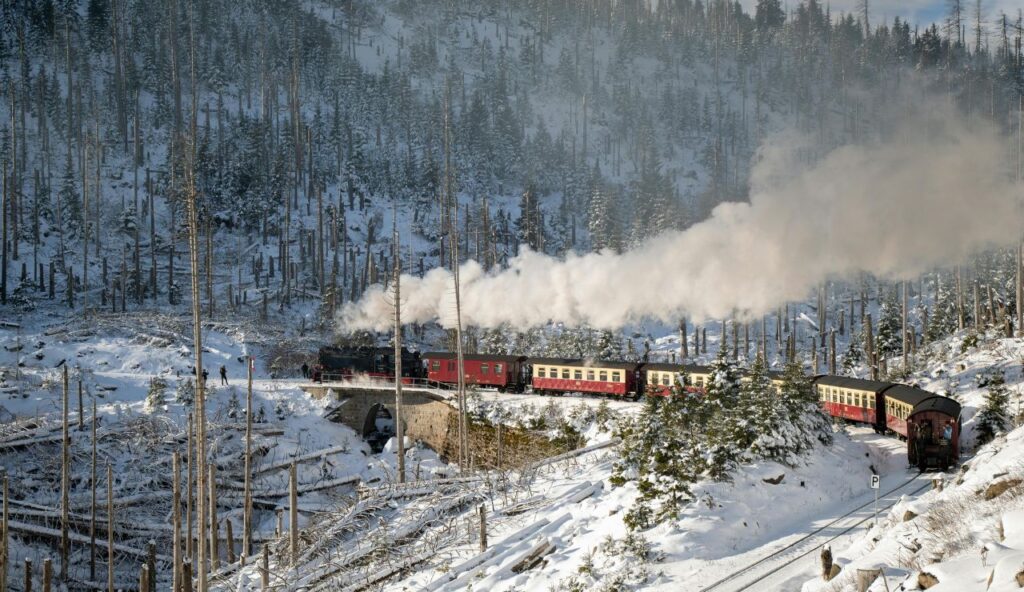
In Germany’s Harz Mountains, the Brockenbahn steam train climbs toward the Brocken summit, and it pairs beautifully with a hike instead of a round-trip ride.
Start from stations like Schierke or Drei Annen Hohne, take the train uphill for the views, then walk down through spruce forest and granite boulders at your own pace. It’s nostalgic, low-impact, and surprisingly flexible: you can shorten or lengthen the day depending on which station you target.
Just keep an eye on the fog; Harz weather loves drama. The narrow-gauge network lets you mix rail segments and footpaths without backtracking, then finish in Wernigerode to warm up.
Austria: Danube Rail Corridor to the Danube Cycle Path
For a classic rail-to-ride loop, use the Danube corridor: arrive by train, then pedal the Danube Cycle Path through vineyards, abbeys, and river towns.
One easy setup is Passau to Vienna, where the route is well served by rail at both ends and at mid-route bailouts. That means you can ride a day or a week, then hop on a train when your legs or the weather tap out. Keep speeds mellow in busy sections, and plan lunch stops in small villages; slow travel tastes better by the river.
Trains link Vienna and Passau in about 2.5–3 hours, so you can start clean and end clean. Reserve a bike space if needed, or rent locally to keep logistics light.
Spain: Northern Coast Rail Hops to Camino del Norte Day Walks
Northern Spain’s coast is made for a “ride, walk, repeat” rhythm.
Use the narrow-gauge rail lines that hug the Green Spain shoreline to leapfrog between seaside towns, then step onto short, satisfying stretches of the Camino del Norte. You get cliffs, beaches, cider bars, and Basque or Asturian villages, without committing to the full multi-week pilgrimage.
This is perfect for sustainable dabblers: train into a new section, walk to the next town, then hop the rails when you’ve had your fill of salt air. Always carry rain gear; the coast does its own thing. Aim for 10–20 km day walks and keep your pack light.