

Motion Sickness or Anxiety? How to Tell Why Your Pet is Panting in the Backseat
Seeing your pet pant heavily during a car ride can be worrying when you are unsure whether the cause is physical discomfort or emotional stress. Many dogs and some cats exhibit signs of anxiety during travel, such as rapid breathing, drooling, restlessness, or uneasy body language. Car movement, unfamiliar sounds, and changes in routine can overwhelm sensitive animals, even on short trips. Understanding what panting signals during travel helps you respond more calmly. By noticing small behavioral patterns and physical cues, you can determine whether your pet is experiencing motion sickness or anxiety and take steps to make future rides safer and more comfortable.
Why Pets Pant During Car Rides
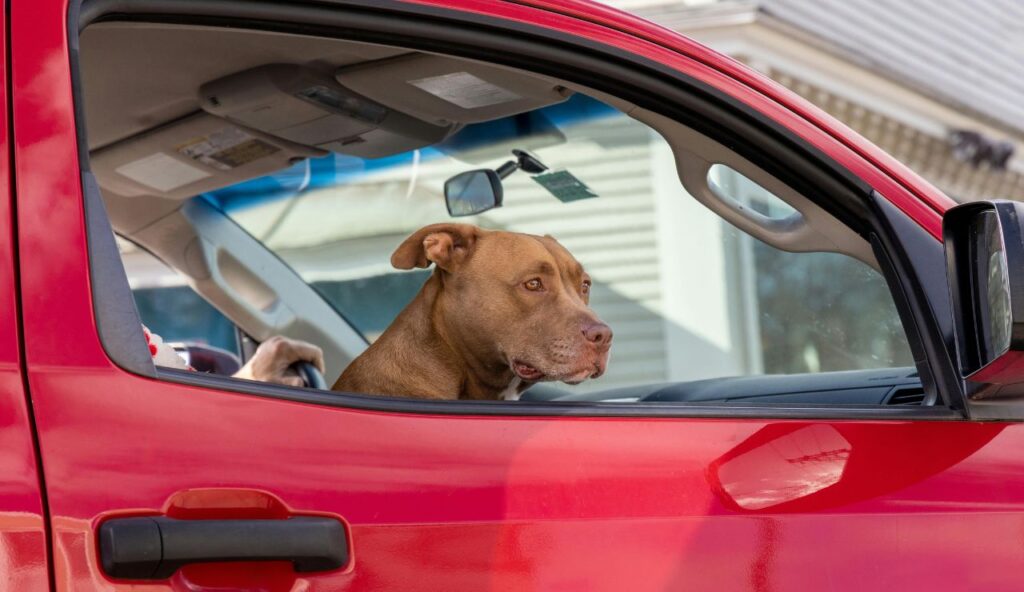
Panting during travel is a natural response that helps pets regulate body temperature and cope with stress. In a moving vehicle, pets may feel unsteady, hear loud traffic, or struggle to balance on the seat. These sensations can trigger physical exertion or emotional tension, both of which increase breathing rate. Some pets pant more when excited about going out, while others react to confinement or unfamiliar smells. The vibration of the car can also upset sensitive stomachs, leading to nausea and discomfort that shows through heavy breathing. Watching when panting starts and what else is happening in the moment offers helpful clues.
Signs Your Pet Is Experiencing Motion Sickness
Motion sickness in pets often appears shortly after the car begins moving and may worsen on longer or winding routes. Common signs include drooling, lip licking, whining, yawning, or vomiting. Some pets become unusually quiet or try to lie down as if to steady themselves. Panting linked to nausea is usually paired with a tense posture and repeated swallowing. Young pets and those with limited travel experience are more prone to this reaction because their inner ear balance system is still developing. If panting eases once the car stops and fresh air is available, motion-related discomfort is likely the cause.
Signs Your Pet Is Feeling Anxious in the Backseat
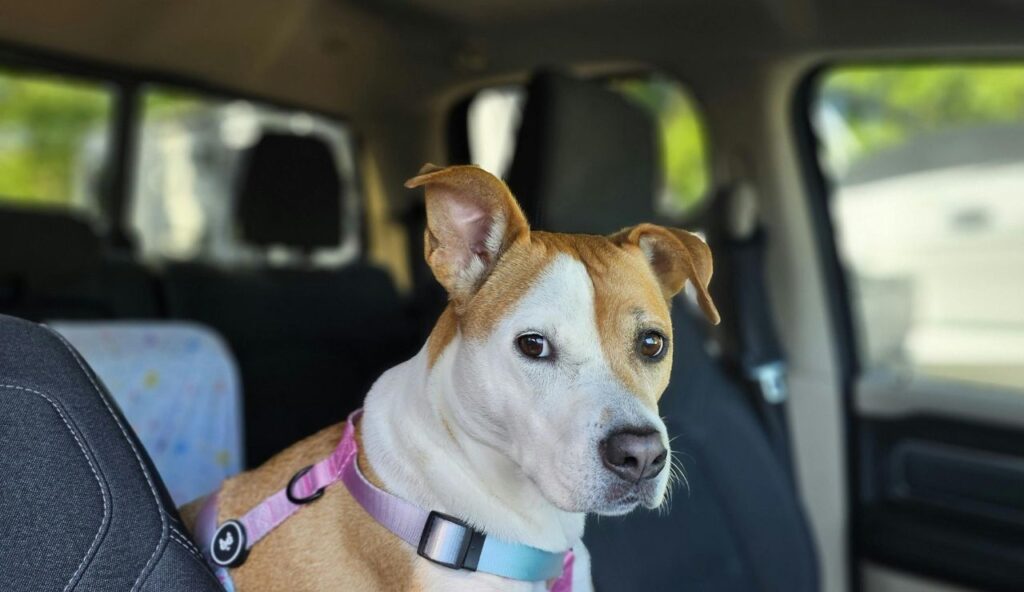
Anxiety-driven panting is often tied to emotional stress rather than physical imbalance. Pets may pace, tremble, bark, or cling to you while breathing rapidly. Wide eyes, tucked tails, pinned ears, or repeated attempts to escape the seat area point toward fear. Some animals associate car rides with vet visits or past negative experiences, which can trigger nervous behavior before the engine even starts. Unlike motion sickness, anxious panting may begin the moment your pet sees the car or hears the door open. Noticing these early stress signs helps you separate fear responses from physical discomfort.
How to Tell the Difference During Travel
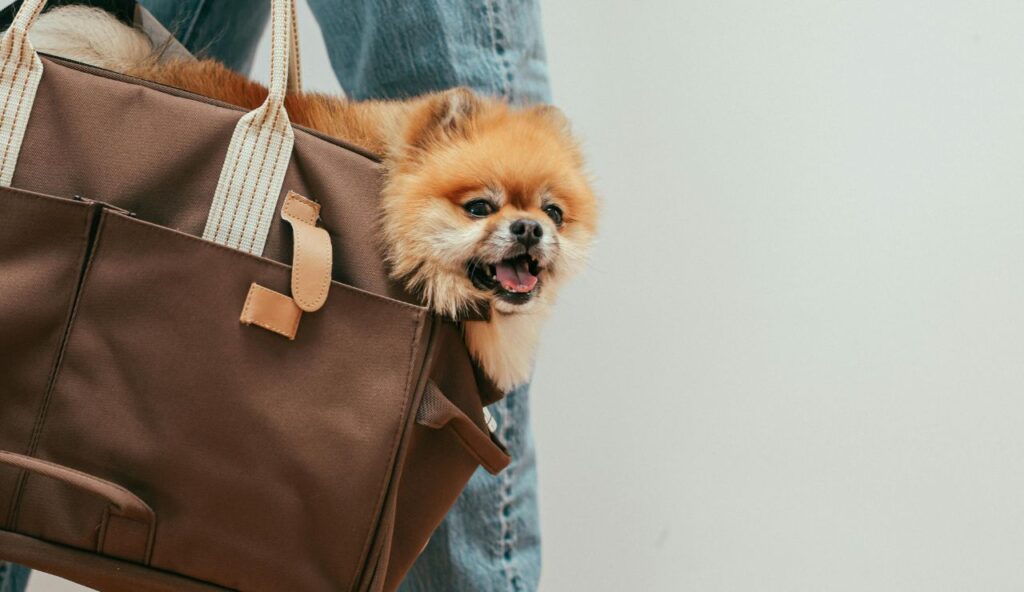
The timing and pattern of panting provide useful clues when deciding between motion sickness and anxiety. If panting begins before the car moves or continues even on short, smooth trips, anxiety is more likely. When panting appears after movement starts and is paired with drooling or nausea, motion sickness is a stronger possibility. Pay attention to posture, eye contact, and attempts to hide or escape, which often reflect fear. Keeping a simple log of your pet’s reactions on different routes or trip lengths can reveal patterns. These small observations make it easier to choose the right support for future rides.
What You Can Do to Help Your Pet Feel Better
Helping your pet feel comfortable during car rides starts with small, practical changes. Secure them in a stable carrier or harness to reduce sliding and improve balance. Provide good ventilation and avoid feeding large meals right before travel to limit nausea. Gradual exposure to short, positive trips can reduce fear over time, especially when paired with calm praise and familiar bedding. For persistent motion sickness or anxiety, a veterinarian can suggest safe treatments or behavior strategies. Creating a predictable, relaxed travel routine builds confidence and makes future journeys less stressful for both you and your pet.