Life Behind the Gleaming Facade of the World’s Most Isolated Nation
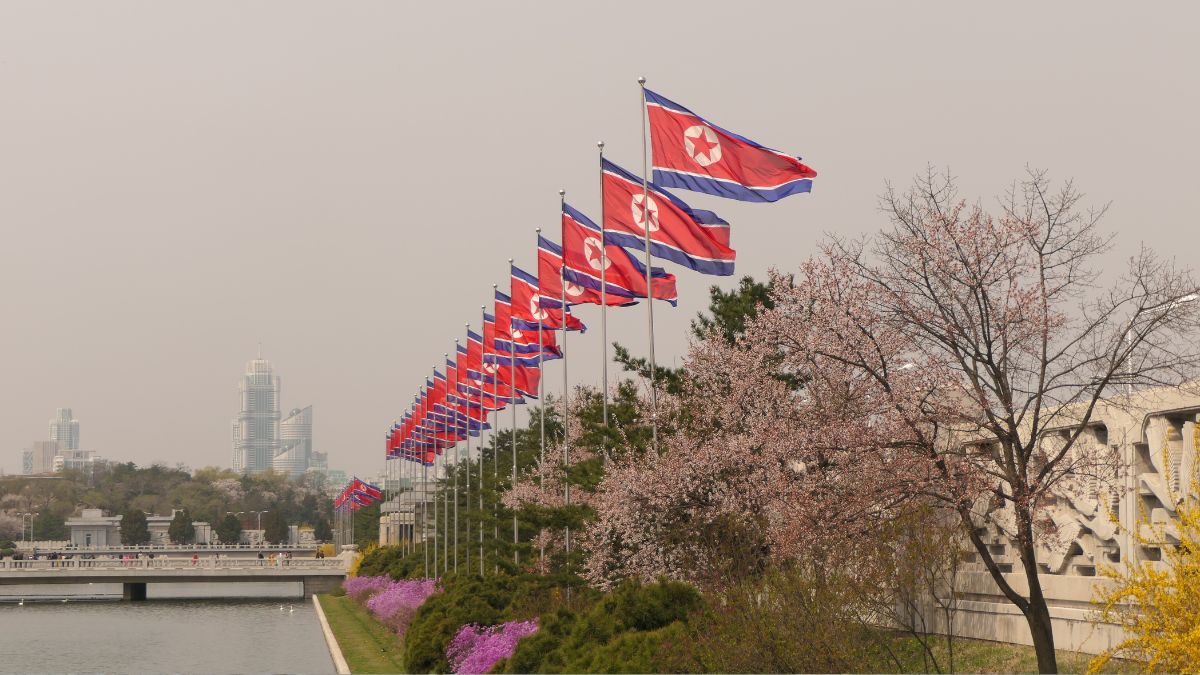
Images from Pyongyang, the capital of North Korea, present a carefully staged spectacle designed to project prosperity and happiness to the outside world. Official photos and tightly managed reports show smiling families enjoying parks, towering monuments, and sleek modern buildings reaching toward the sky. These scenes highlight the ideology of Juche, which stresses complete self-reliance. Yet visitors and observers note that foreign tourists experience only a polished version of daily life, with their movements restricted and always accompanied by watchful guides who prevent photos of anything that might spoil the perfect image.
The obsession with maintaining appearances leads to extreme measures. One striking example is the village of Kijong-dong, visible from the demilitarized zone and promoted as a model settlement with brightly painted buildings and working lights. Closer inspection reveals it consists of empty concrete shells lacking windows or residents, serving purely as a propaganda tool. Such setups underscore how resources pour into creating an illusion of a thriving socialist paradise while hiding harsher truths. Even in the capital, streets feature spotless wide boulevards lined with posters of national leaders and patriotic messages.
A privileged class has emerged in Pyongyang, often called the “money masters” or “donju,” who have gained wealth through semi-legal market activities and connections to power. They inhabit luxury enclaves where apartment prices on the black market can reach 250,000 dollars. In these areas, people sip nine-dollar cappuccinos, work out in modern gyms, and pursue cosmetic procedures like eyelid surgery to achieve a more Western look as a status symbol. High-end stores stock imported goods ranging from Norwegian salmon and Australian steaks to fine liquors. Leader Kim Jong-un himself enjoys extravagant imports, including Danish pork, Iranian caviar, and bottles of Hennessy cognac that can cost over two thousand dollars. Luxury cars occasionally appear on the streets, and owning a small breed like a chihuahua signals prestige.
Daily existence for ordinary residents contrasts sharply with this elite lifestyle. Strict rules govern even personal choices, with only 28 approved hairstyles and a ban on jeans, viewed as symbols of capitalist decay. Listening to foreign music or watching outside films risks severe punishment, including imprisonment or worse. Power outages occur frequently, often blamed on international sanctions, and in newer high-rise buildings, upper-floor apartments sell for less because elevators rarely function and water pressure remains weak. Photographer Eric Lafforgue, who visited the country multiple times before being banned, recalled being ordered to delete images showing undernourished children, tired workers, or unfinished billboards to preserve the flawless narrative.
Beyond the capital’s curated shine, much of North Korea grapples with ongoing economic hardship and food shortages. Authorities have acknowledged difficult conditions and called for another arduous march, evoking the devastating famine of the 1990s that claimed millions of lives. Official rations have dropped to around 300 grams of food per person daily, contributing to stunted growth in about one-third of children. The United Nations estimates that over ten million people, roughly 40 percent of the population, require urgent humanitarian aid. This reality persists even as the regime invests heavily in projecting strength and unity.
Pyongyang stands as a city of profound contradictions, a glittering stage for the favored few amid rigid controls that shape life for everyone else. The illusion of an ideal socialist society comes at a high cost, while survival struggles quietly unfold just beyond the spotlight.
What aspects of daily life in isolated nations like this intrigue you most, and share your thoughts in the comments.