Is Your Pet Too Stressed to Fly? 3 Red Flags Every Owner Should Watch For
Air travel can be routine for people, but it is rarely routine for pets. New sounds, confined spaces, unfamiliar handlers, and cabin pressure changes can trigger stress responses that owners may overlook. While many dogs and cats travel safely, some show clear signs that flying may not be the right choice. Understanding the warning signals before booking a ticket protects your pet’s health and helps you make a more responsible travel decision. Early awareness prevents avoidable emergencies. Thoughtful planning begins with honest evaluation at home.
1. Extreme Anxiety During Short Car Rides
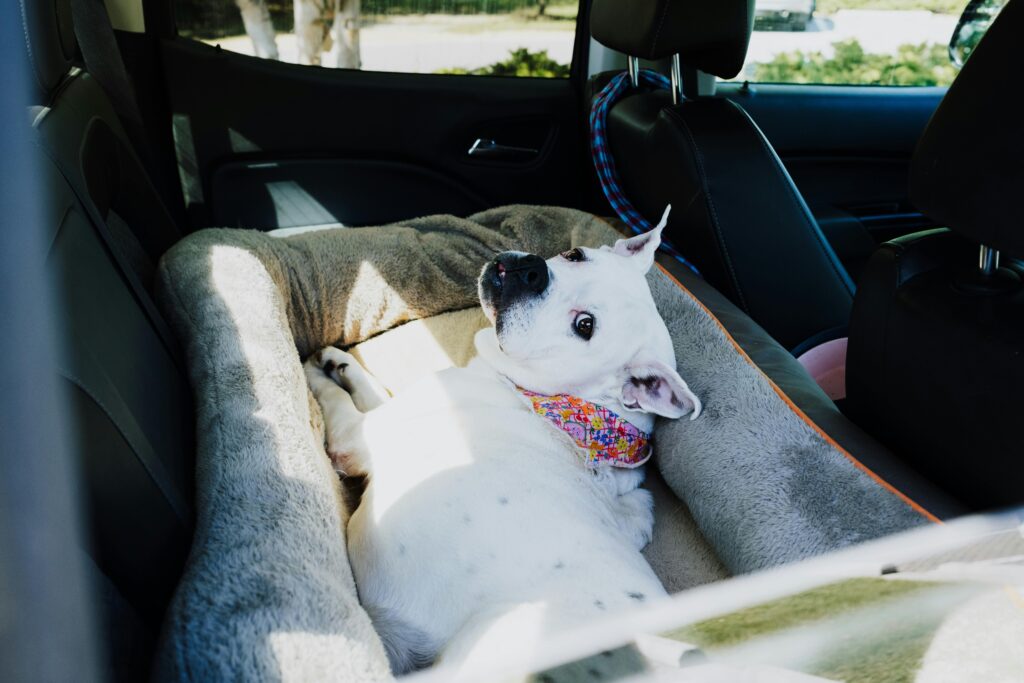
If your pet struggles during a short car trip, a flight may amplify that reaction. Signs include heavy panting, drooling, trembling, excessive vocalizing, or attempts to escape a carrier. Cars allow windows and familiar voices; airplanes do not. In-cabin travel still involves engine noise, crowded boarding areas, and limited movement. Stress that begins minutes into a car ride often intensifies in the airport environment. Observing your pet during controlled travel tests provides valuable insight. A veterinarian can also assess whether anxiety levels pose a health concern before air travel. Mild nervousness is common, but persistent panic is not.
2. Breathing Difficulties or Breed-Specific Risks

Pets with respiratory sensitivities face a higher risk during flights, especially brachycephalic breeds such as Bulldogs or Persian cats. Changes in cabin pressure, warm temperatures on tarmacs, and limited airflow in carriers can strain compromised airways. Even mild labored breathing at home may signal vulnerability under travel conditions. Watch for wheezing, snorting, or rapid, shallow breaths. These signs should prompt a veterinary consultation before booking. A medical evaluation ensures that travel plans do not unintentionally put your pet at risk during boarding or potential delays. Prevention is far safer than emergency response.
3. Loss of Appetite, Lethargy, or Behavioral Withdrawal Before Travel
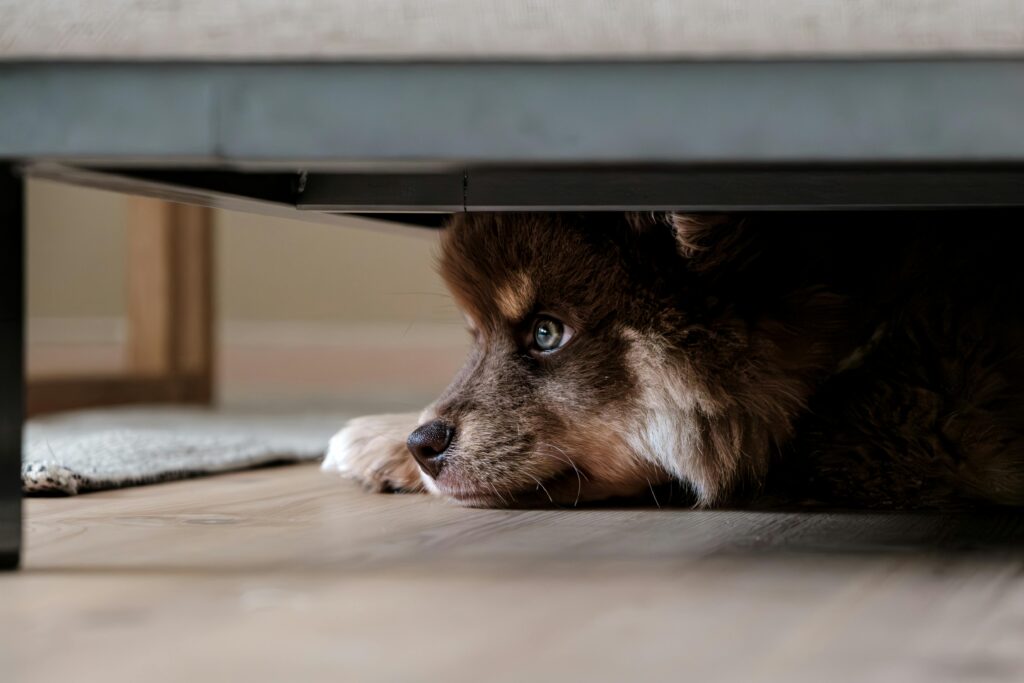
Behavior changes in the days leading up to travel can reveal stress sensitivity. Pets that suddenly lose interest in food, avoid interaction, or hide more frequently may be responding to disrupted routines or sensed anxiety from owners. Some animals are highly perceptive and react to packing cues or altered schedules. If your normally social pet becomes withdrawn or restless, it may signal deeper stress. Monitor appetite, energy levels, and bathroom habits carefully. When behavioral shifts appear early, reconsidering travel or exploring alternative transport may be the safer choice. Subtle changes often speak loudly. Trust patterns you know well.