

History’s Furry Heroes: 7 Extraordinary Pets Whose Loyalty Actually Changed the Course of Human Events
History’s turning points are usually told through generals and leaders, yet animals have changed outcomes in quieter, measurable ways. A loyal pet can carry messages, locate help, warn of danger, or keep people moving when fear and fatigue take over. The seven stories below focus on documented cases where an animal’s actions influenced survival, battlefield choices, public morale, or long-term cultural memory. Each example shares a pattern: loyalty becomes real impact when timing, training, and human trust align. Read each section as a cause-and-effect moment, not a myth, backed by records and remembered by witnesses worldwide.
1. Cher Ami, the pigeon that carried a life-saving message
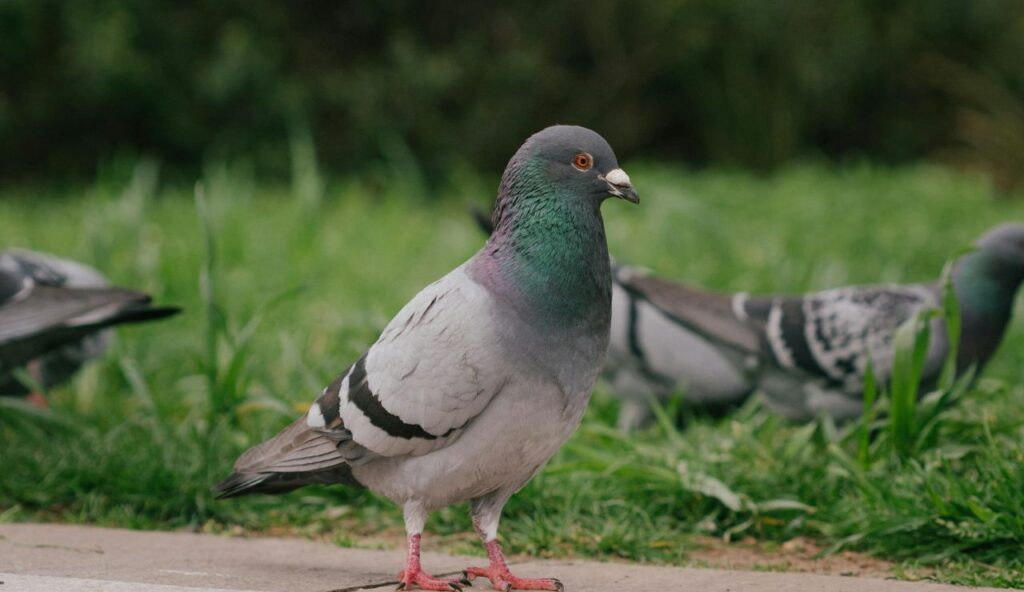
Cher Ami was a homing pigeon used by the U.S. Army Signal Corps in World War I and is widely credited with helping save trapped soldiers by delivering an urgent message under fire. During the 1918 “Lost Battalion” crisis, communication failed, and friendly artillery reportedly struck the wrong position, so a fast airborne courier mattered. Despite severe injuries described in military histories, Cher Ami reached the intended unit with the note, allowing commanders to correct location details and coordinate relief. The episode became a lasting proof of animal reliability in wartime communication networks.
2. Sergeant Stubby, the trench dog who boosted battlefield survival
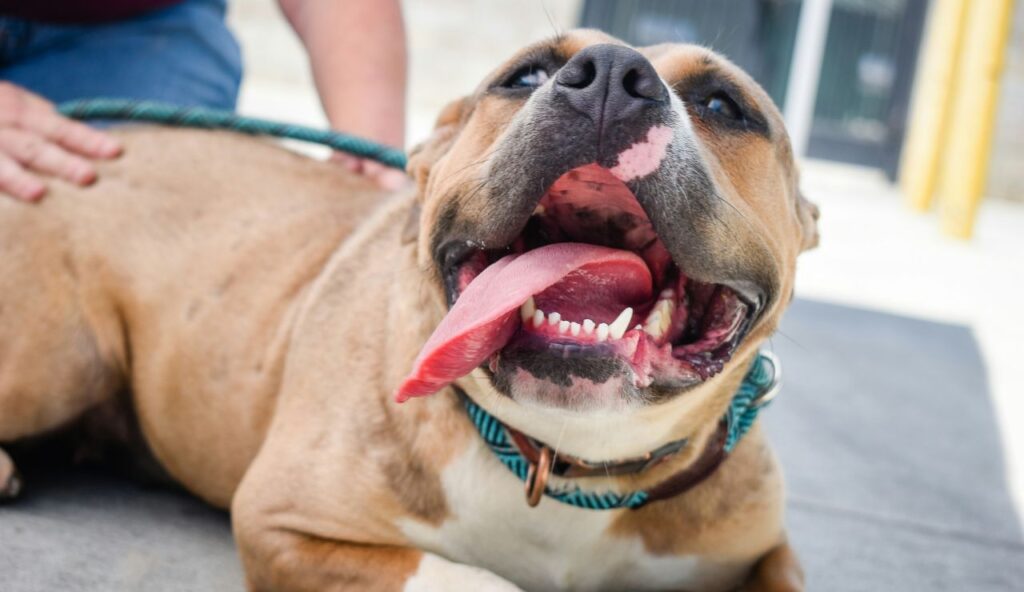
Sergeant Stubby was a stray dog adopted by U.S. soldiers in World War I and later celebrated for warning troops and strengthening morale in miserable trench conditions. Accounts describe Stubby reacting before gas attacks and responding to incoming shells, giving people precious seconds to mask up or take cover. Those seconds could prevent panic and reduce casualties during chaotic nights. Beyond alerts, Stubby’s presence eased stress, encouraged bonding, and kept spirits steady during exhausting rotations near the front. The dog’s fame helped shape public respect for service animals and wartime sacrifice.
3. Togo, the sled dog whose endurance helped stop a deadly outbreak
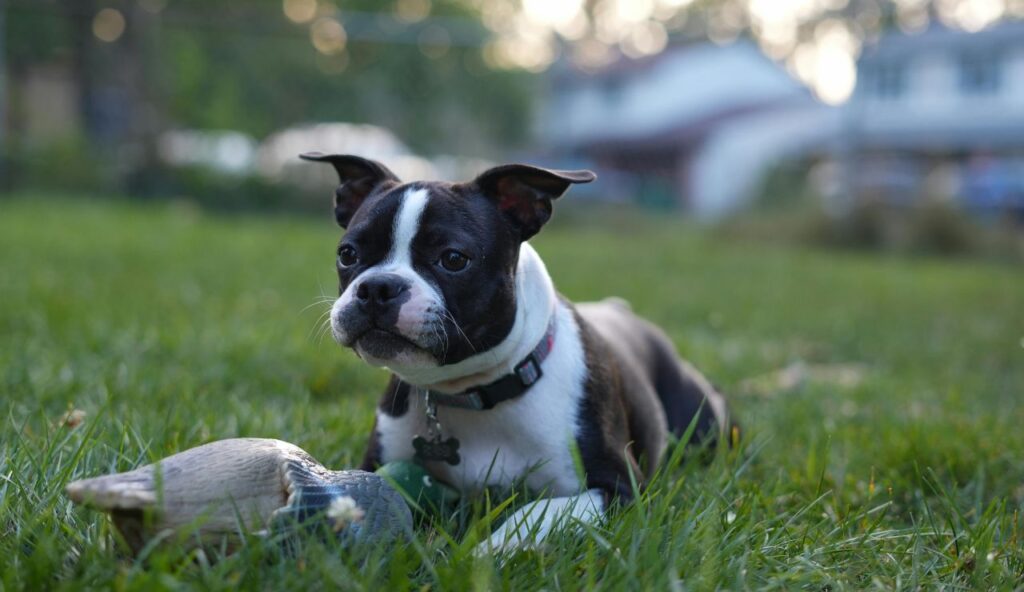
Togo was a Siberian Husky who led a major portion of the 1925 “serum run” to Nome, the emergency relay that delivered diphtheria antitoxin across Alaska during brutal winter storms. Multiple teams contributed, but Togo’s leg is often highlighted for distance, ice crossings, and navigation risk when visibility collapsed. Speed mattered because delays meant more infections and fewer treatment options. By pushing through darkness and dangerous wind, the team helped deliver medicine that protected a remote community when ships and planes could not move fast enough, saving lives while inspiring trust in teamwork under extreme Arctic pressure.
4. Wojtek, the bear who became a unit’s symbol of resilience
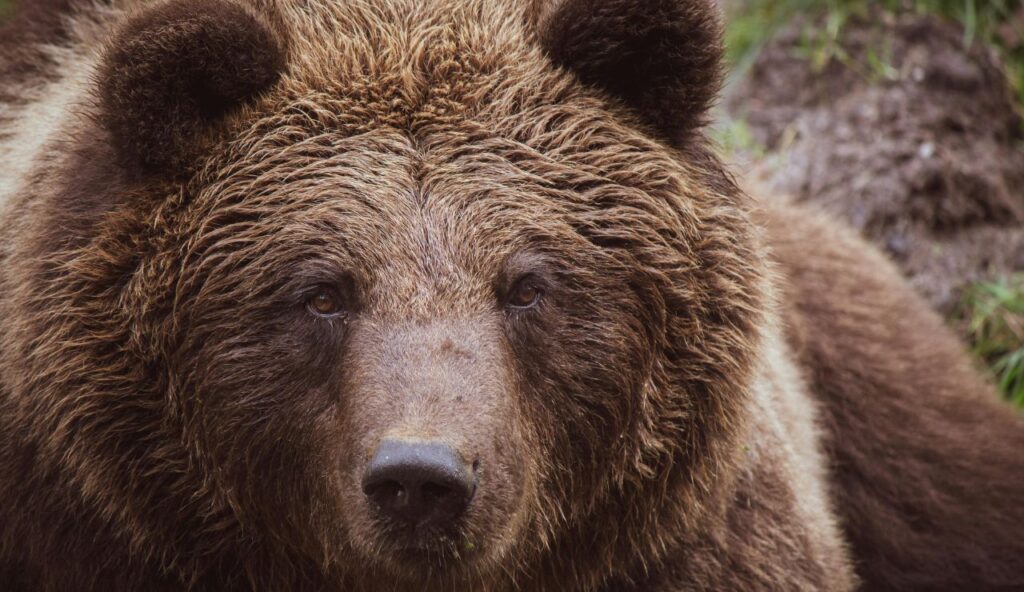
Wojtek was a Syrian brown bear adopted by Polish soldiers during World War II and linked to the Polish II Corps, where he became an emblem of resilience under pressure. Veteran accounts describe Wojtek moving alongside men during supply work and carrying heavy items, which matters because logistics often decide whether units can hold ground or retreat safely. Even when the bear’s practical impact is debated, the morale impact is clear: Wojtek gave exhausted people a shared focus beyond fear. In war, morale functions like fuel, and Wojtek became part of that fuel for soldiers facing uncertainty, cold, and loss.
5. Hachikō, the dog whose loyalty reshaped public memory
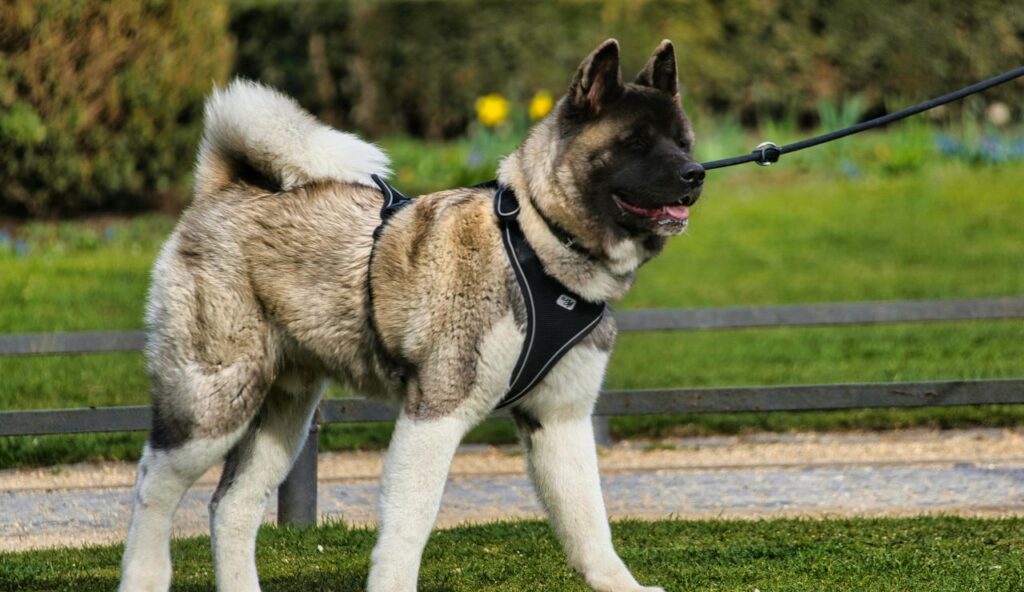
Hachikō was an Akita in Japan remembered for returning to a train station day after day to wait for his owner, turning a private bond into a public symbol. While he did not change a battle plan, Hachikō influenced behavior through culture: communities gathered, newspapers amplified the story, and devotion became something society chose to honor openly. Monuments and retellings reinforced loyalty as a civic value, not just a personal trait. Cultural values shape real decisions, how people treat duty, family, and persistence, and Hachikō’s story became a durable reference point taught across generations.
6. Judy, the ship’s dog, who survived disaster and protected people
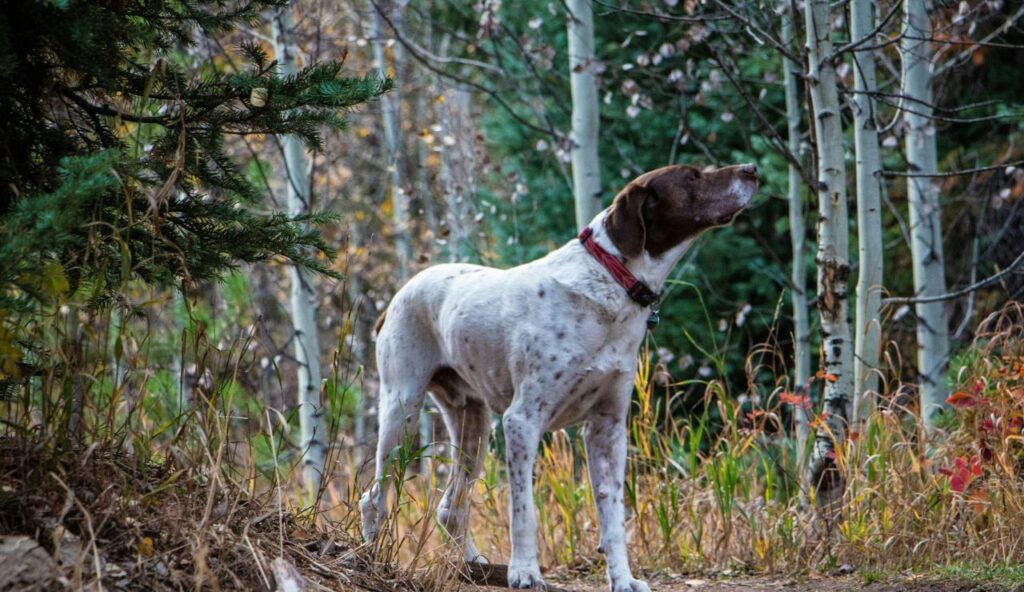
Judy was a ship’s dog associated with the Navy in World War II and became known for surviving a shipwreck and captivity, with stories emphasizing behavior and protective instincts. In survival situations, an animal’s senses can detect threats humans miss, such as approaching strangers, hidden hazards, or environmental changes. Early warning can prevent injury, preserve supplies, and reduce panic. Accounts also describe Judy as a morale anchor when routine disappeared and fear became constant. When people are forced into endurance, stabilizers matter, and Judy’s loyalty became one of those stabilizers during a prolonged crisis.
7. Simon, the cat who kept stability during a naval crisis
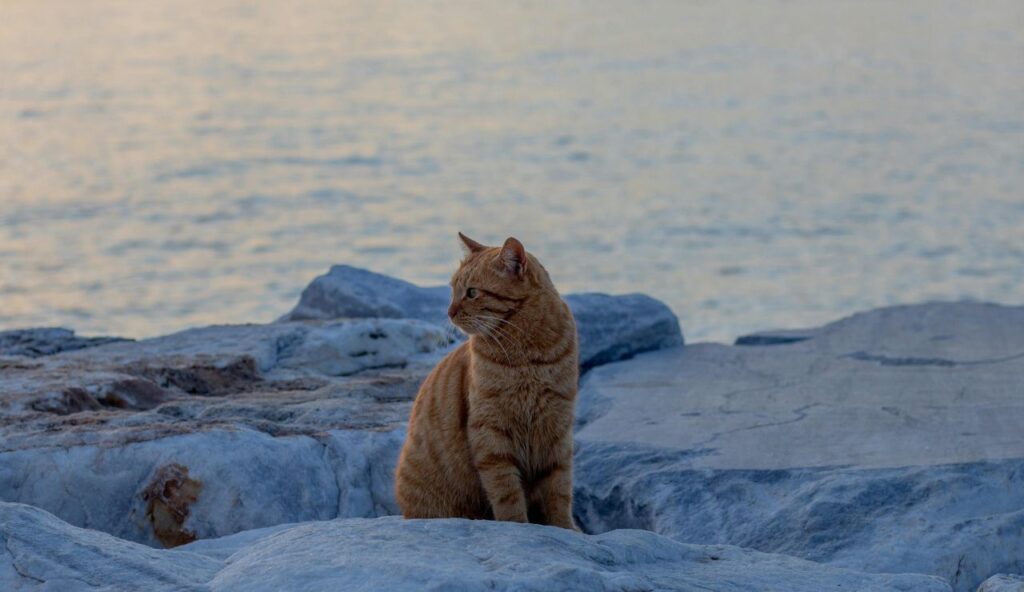
Simon was a ship’s cat linked to HMS Amethyst during the 1949 Yangtze Incident and became famous for keeping morale steady while also controlling rats in tight quarters. On a confined vessel, pests can contaminate food stores, spread illness, and worsen stress, so rodent control has practical value beyond comfort. Narratives also highlight Simon’s calming presence after frightening events, which matters because fatigue and anxiety degrade judgment and teamwork. In crisis environments, hygiene and morale shape outcomes together. By reducing disruption and boosting spirits, Simon became part of the ship’s fragile stability.


