

Hidden Gems: 5 Adventure Trails That Haven’t Been Ruined by Social Media Yet
Some trails become famous overnight. A single viral post can transform a quiet path into a crowded backdrop. Yet across the United States, there are still routes where silence outweighs selfies and the landscape feels undisturbed. These five adventure trails remain relatively under the radar, offering space to hike, think, and reconnect with nature without constant foot traffic. They reward effort rather than popularity. Choosing them often means trading convenience for calm. That trade is usually worth it.
1. Eagle Rock Loop, Arkansas
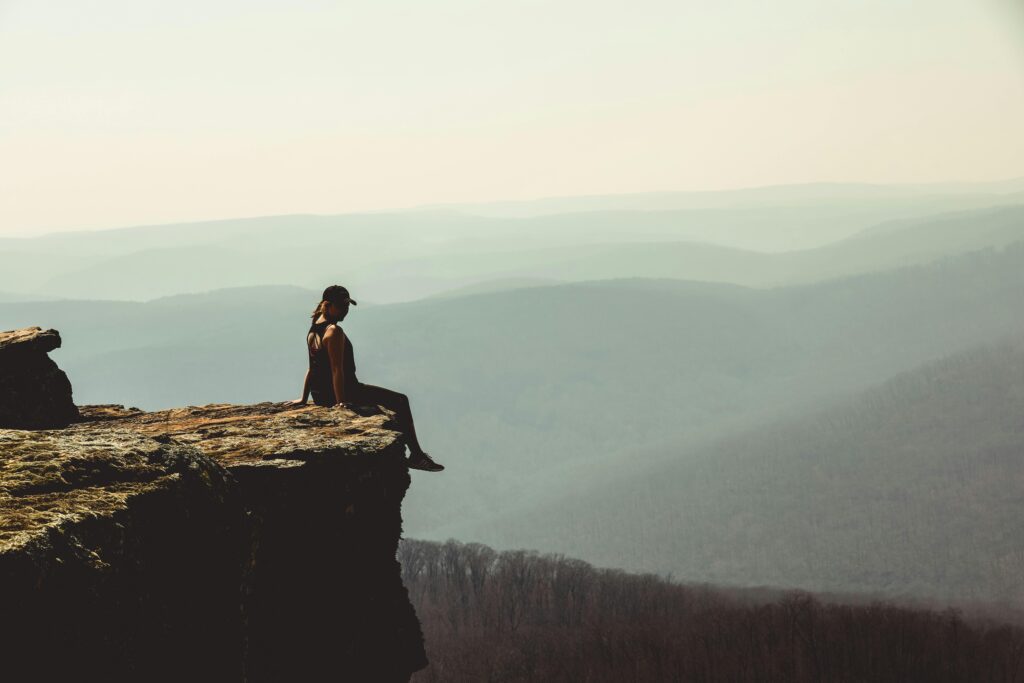
Tucked within the Ouachita National Forest, the Eagle Rock Loop delivers rugged terrain without the spotlight of larger national parks. This roughly 27-mile loop combines river crossings, wooded ridgelines, and rocky climbs. Unlike heavily trafficked destinations, the trail feels expansive and quiet even on peak weekends. Campsites are primitive and widely spaced, reinforcing a back-to-basics atmosphere. The route demands preparation, but that effort keeps crowds manageable. For hikers seeking challenge without congestion, this Arkansas loop offers a refreshing balance of solitude and scenery. Clear streams and dense forest sections add variety.
2. Teton Crest Trail, Wyoming (Less-Traveled Sections)
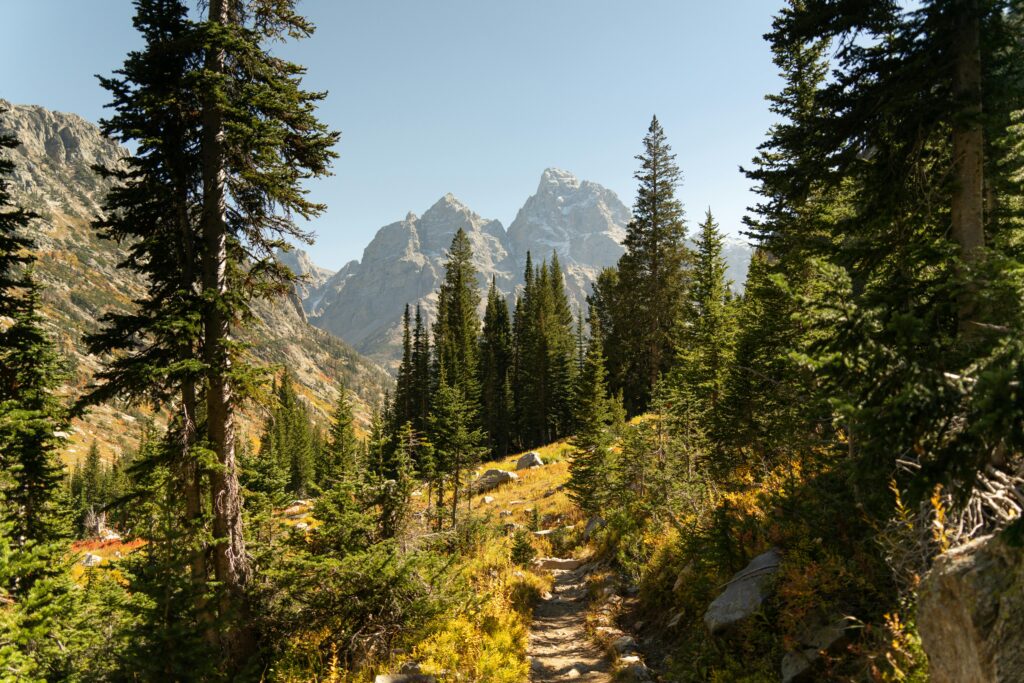
While Grand Teton National Park draws attention, certain stretches of the Teton Crest Trail remain less frequented. Choosing longer segments or shoulder-season dates can significantly reduce encounters with large groups. Alpine lakes, wildflower meadows, and sweeping mountain views define the route. Permits are required for backcountry camping, which naturally regulates traffic. Hikers willing to plan often find extended stretches of quiet. The experience feels immersive rather than performative, with panoramic views that reward steady effort over social visibility. Wildlife sightings are possible with patience.
3. Lost Coast Trail, Northern California
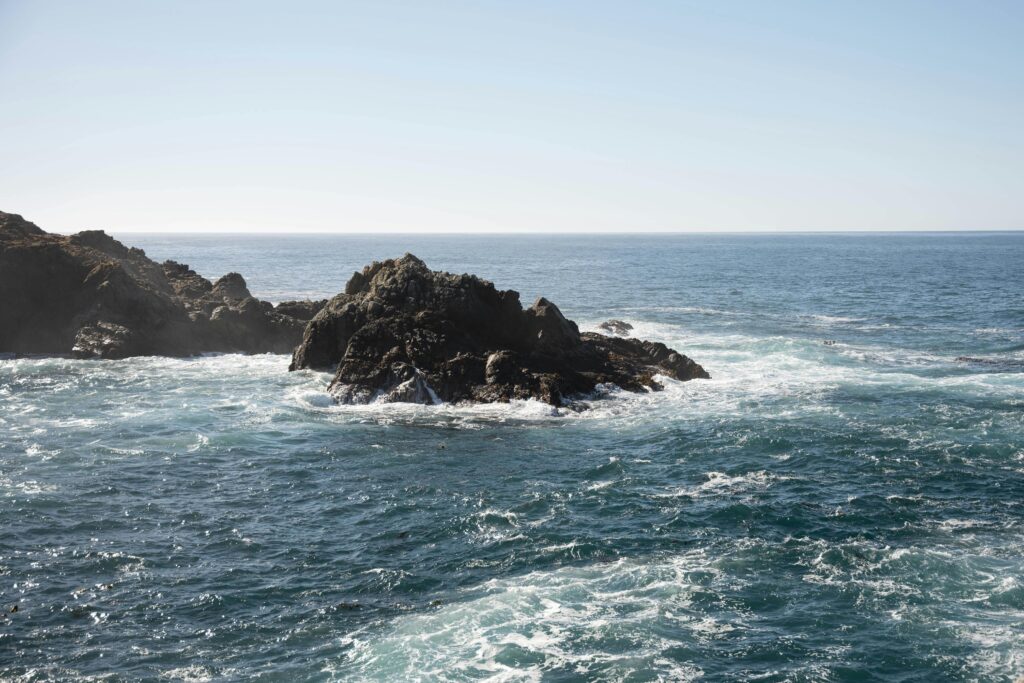
The Lost Coast Trail lives up to its name. Located along a remote stretch of Northern California shoreline, it offers dramatic ocean views framed by rugged cliffs. Access is limited by tides, requiring hikers to consult tide charts before departure. That extra planning deters casual traffic. The result is a coastal adventure that feels genuinely wild. Backpackers encounter black sand beaches, driftwood fields, and minimal infrastructure. The physical commitment preserves the sense of isolation, making it ideal for those who value raw landscapes over curated photo spots. Fog and shifting light add atmosphere.
4. Uinta Highline Trail, Utah
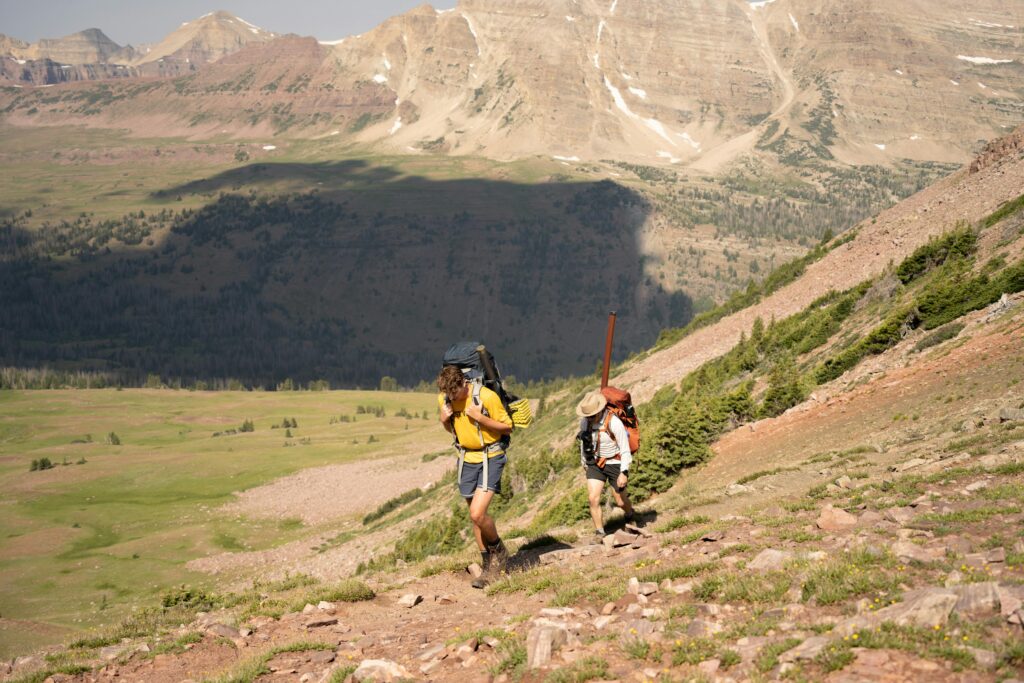
Stretching across Utah’s Uinta Mountains, this high-elevation route traverses alpine basins and broad tundra. Despite its beauty, it receives far less attention than Utah’s desert parks. The trail’s length and elevation gain naturally filter out day hikers. Multi-day trekkers experience expansive skies, reflective lakes, and long stretches without cell service. Weather can shift quickly, encouraging respect for the environment. Those prepared for the altitude and distance often find uninterrupted views and a rhythm that feels grounded rather than rushed. Campsites are widely spaced along the route.
5. Pictured Rocks Chapel Loop, Michigan (Outer Sections)
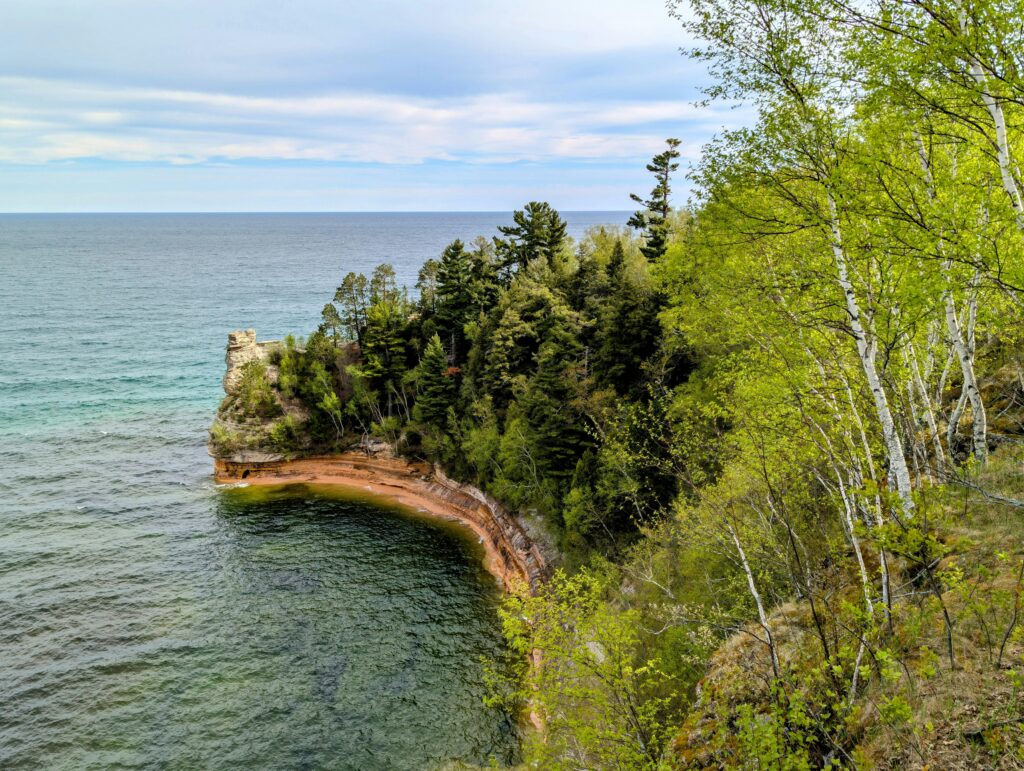
Pictured Rocks National Lakeshore attracts summer visitors, yet certain outer segments of the Chapel Loop remain comparatively peaceful. By starting early or extending beyond the most photographed cliffs, hikers can access wooded paths and quiet shoreline overlooks. The route blends forest trails with Lake Superior’s dramatic rock formations. Sandstone colors shift with the light, offering dynamic scenery without heavy crowds. For Midwest adventurers, this trail provides accessible yet often overlooked beauty away from peak social media attention. Seasonal timing makes a noticeable difference. Autumn brings vibrant foliage with fewer hikers.


