From Lions to Lawsuits: The Risks with Exotic Pets Nobody Talks About
Exotic pets look fascinating online, from tiny monkeys to backyard big cats. But the reality behind the clips is rarely shown. Exotic animals come with risks that go far beyond bites or scratches. They can trigger legal trouble, expensive emergencies, housing problems, and serious public safety concerns. Before anyone brings a wild animal home, it helps to understand what ownership really involves. These are the risks most people only learn the hard way.
1. The Law Can Flip Overnight

A surprising number of exotic pet owners are not breaking the law on purpose. The problem is that exotic animal rules change constantly, and they vary by city, county, and state. You might be legal today and illegal next month after a local incident makes the news. Some permits do not transfer when you move, and some species are banned even if a breeder sells them. If authorities get involved, animals can be confiscated, relocated, or euthanized, depending on policy. It can also affect travel, vet care, and insurance. This is not like owning a dog. A neighbor complaint or a new ordinance can quickly turn into a legal crisis.
2. Emergency Vet Care Is Not Easily Available
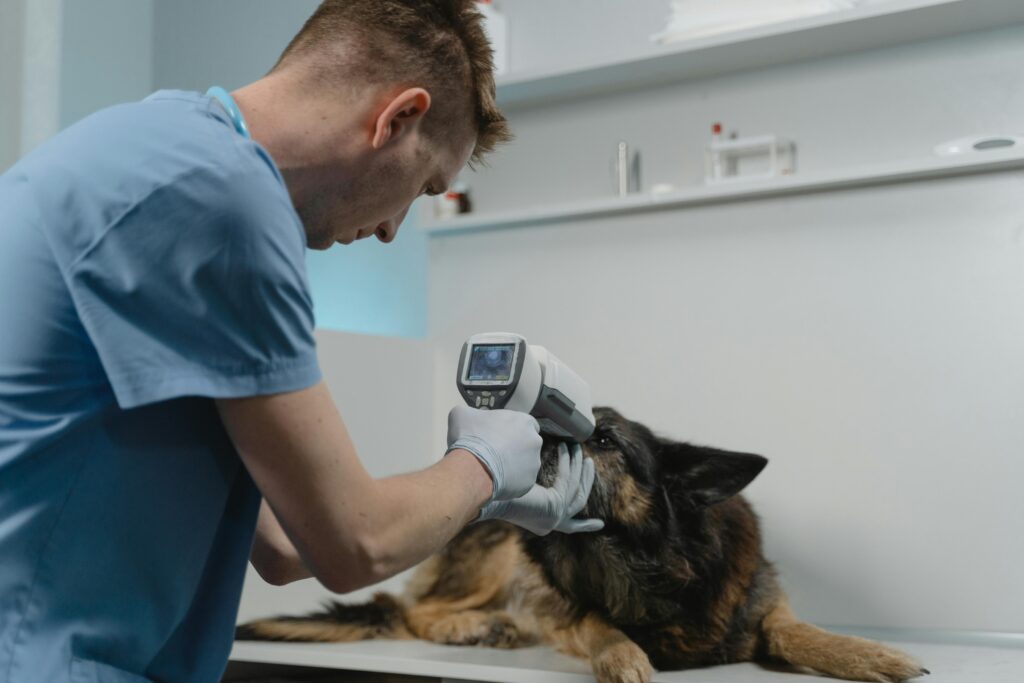
Most people assume they can take any sick pet to a nearby clinic, but with exotic animals, that is often not true. Many vets cannot legally treat certain species, and even those who can may not have the equipment, sedation tools, or experience required. Emergency care is even harder, since exotic vets are often limited to major cities and may not be available after hours. Owners can end up driving hours during a crisis, which can be deadly. Costs also rise quickly because exotic diagnostics and anesthesia are more complex. Even routine checkups can become stressful. The first emergency is when many owners realize how limited their options really are.
3. “Raised by Humans” Still Does Not Mean Safe

One of the most common misconceptions is that an exotic animal is safe if it was hand-raised. Many exotic pets behave calmly when they are young, then change dramatically as they mature. Hormones, fear, stress, and instinct can trigger sudden aggression, even toward an owner they have lived with for years. This is common with primates, large reptiles, and wild cats. Unlike dogs, these animals are not domesticated. They were not bred for a predictable temperament across generations. A single bite or attack can cause permanent injury. After incidents, many owners say the same thing: “He never acted like this before.” That is exactly the risk.
4. Housing and Insurance Can Collapse Fast

Exotic pets can quietly destroy your housing flexibility. Many landlords, HOAs, and rental agreements ban exotic animals even if local law allows them. Home insurance is another major issue. Some insurers cancel coverage if they discover a high-risk animal, while others refuse liability claims after an incident. If the animal injures someone, damages property, or escapes, the financial consequences can be severe. Even a minor event can lead to lawsuits, medical bills, or legal fees. Owners also spend heavily on enclosures, safety upgrades, and specialized handling tools. Exotic ownership is not just a personal choice.
5. Escapes Turn Into Public Safety Emergencies

Even careful owners experience escapes. Enclosures fail, storms damage fencing, doors get left open, and some animals can squeeze through gaps that seem impossible to get through. When an exotic pet gets loose, it becomes a public safety issue immediately. Police and animal control often respond aggressively, especially if the species is considered dangerous. In many cases, escaped animals are killed for safety reasons. Owners can face fines, criminal charges, and civil lawsuits even if no one is hurt. It is one of the most common ways exotic pet ownership ends, and it is traumatic for everyone involved.
6. Rehoming Is Much Harder Than People Realize

When exotic ownership becomes overwhelming, many people assume they can rehome the animal. In reality, rehoming is one of the biggest hidden risks. Sanctuaries are often full, and many will not accept privately owned exotics. Some states require permits even to transfer ownership, and some species cannot be legally rehomed at all. That leaves owners stuck with an animal they cannot safely manage, but also cannot ethically abandon. Over time, the situation becomes financially expensive. This is where many people experience regret, not because they stopped loving the animal, but because they underestimated the long-term responsibility.