

Forget the Beach: Why “Noctourism” is the Hottest Adventure Trend of the Year
Noctourism is travel planned around the night: stargazing, after-dark wildlife, glowing shorelines, and city experiences that make more sense once the sun is gone.
The idea is simple: avoid the hottest, busiest hours and trade them for cooler temperatures, emptier streets, and a different set of senses.
It’s showing up in mainstream travel forecasts and in the way tour operators package “after dark” add-ons like night markets, aurora hunts, and astronomy walks.
For travellers, it’s less about partying and more about timing: the same destination, but with quieter crowds and sharper skies.
In short, the night shift is becoming the itinerary.
Why the night is suddenly the main event
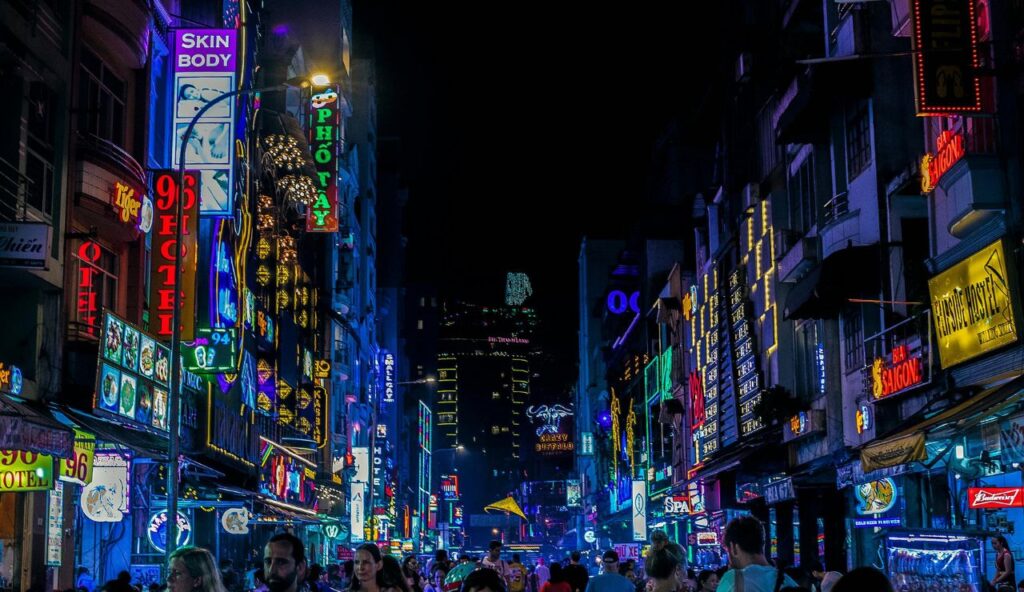
Noctourism works because darkness changes the “cost” of travel.
Heat drops, glare disappears, and some places feel safer or easier to explore when you’re not battling midday crowds.
For destinations, it spreads visitor demand across off-peak hours, reducing pressure on busy sites.
For travellers, it unlocks experiences you can’t get at noon, such as auroras, meteor showers, nocturnal animals, or simply a city that’s designed to sparkle after sunset.
It also fits modern work and flight schedules: arrive late, sleep in, then go out when the air is comfortable.
Done right, it makes a familiar trip feel new without adding extra stops.
Dark-sky escapes are replacing “sun and sand”
Stargazing is the gateway drug of noctourism, but the quality depends on light pollution.
That’s why “dark-sky” parks and reserves matter: they use responsible lighting rules to protect night skies, and many run guided astronomy nights.
Before you book, check the moon phase, because a bright moon can wash out the Milky Way.
Pair a dark location with a new-moon window, bring a red-light headlamp, and you’ve basically built a five-star experience out of nothing but darkness and patience.
A sky-map app helps you spot planets, and a thermos keeps you out longer.
If you’re travelling with kids, it’s an easy “wow” moment.
Aurora chasing is popular, but smart travellers plan for “no show”
Aurora trips are the poster child of noctourism because the show only happens in dark skies.
What most guides won’t hide is that the lights are never guaranteed; you’re playing a game of probability with weather, cloud cover, and solar activity.
The smart move is to build a night itinerary that’s fun even without a sky explosion: hot springs, late dinners, photography workshops, and scenic drives to darker viewpoints.
If the aurora appears, it’s a bonus; if not, the trip still feels complete.
Pack layers, keep your phone warm for battery life, and choose a base that lets you try more than one night.
More nights mean more chances.
Night markets and neon streets make cities feel more local
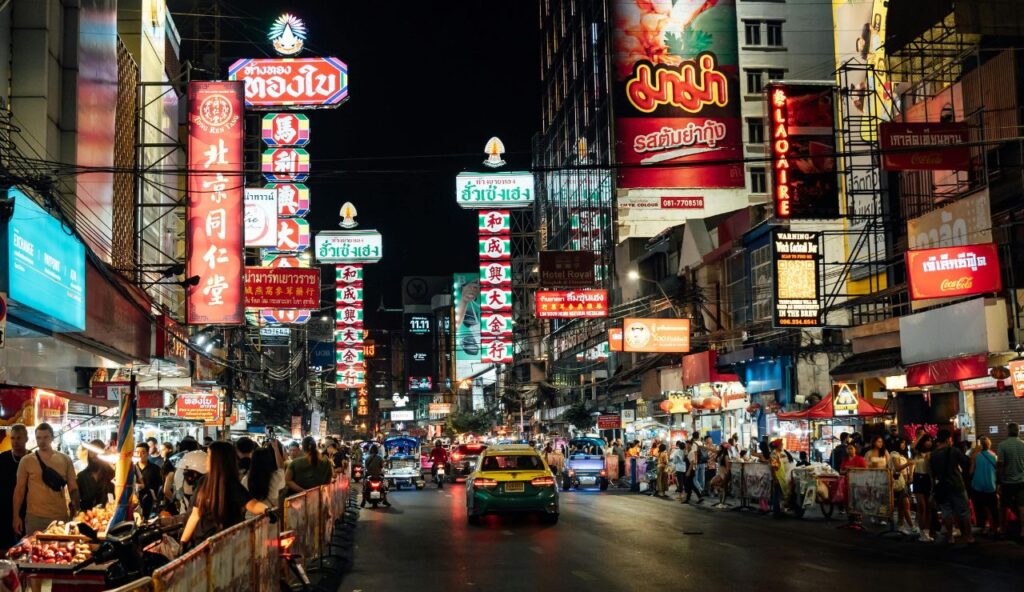
Cities often do noctourism without calling it that.
Night markets, neon districts, river walks, and late museum openings let you experience culture with less heat and less hurry.
Food tastes different when you’re not speed-running attractions, and local life is usually more visible after work hours.
The key is pacing: pick one neighbourhood, walk it slowly, and treat the night like a single long scene rather than five separate stops.
You’ll spend less on transport and end up with a clearer sense of place.
Stick to well-lit routes, keep valuables simple, and use reputable night tours if you want structure.
The wild stuff: glowing water, night wildlife, and quieter trails
Nature is the real noctourism flex.
In some coastal spots, bioluminescent organisms can make water glow when it’s disturbed, turning a paddle stroke into blue sparks.
Elsewhere, guided night walks focus on owls, bats, frogs, and insects that you’ll never see on a daytime hike.
Because these experiences happen in sensitive habitats, the etiquette matters: no flash photography, keep noise low, and follow guides on where you can step or paddle.
You get the magic without wrecking the reason it exists.
Tour timing often depends on tides and moonlight, so book around darker nights when possible and confirm what conditions your operator expects.
How to plan a noctourism trip without wrecking your sleep or safety

Planning noctourism is mostly about control variables.
Start with darkness: moon phase, sunset time, and how far you’ll be from city light.
Then plan for warmth and visibility with layers, a small torch in red mode, and reflective gear if you’re walking near roads.
Build in sleep so you’re not zombie-scrolling at 2 a.m., and keep daytime activities lighter.
Finally, respect local rules; some parks limit night access, and don’t freehand safety: guided options exist for a reason.
If you’re photographing, a tripod and patience beat expensive gear.
Travelling with a dog? Choose quieter routes, keep them leashed, and avoid wildlife areas at night.