First Class Hacks for Economy Prices: 10 Secret Amazon Gadgets Frequent Flyers Keep Quiet
Frequent flyers don’t rely on upgrades to feel comfortable in economy. They reduce the biggest pain points: noise, stiffness, disorganization, dehydration, and dead devices. The Amazon gadgets below are small, affordable, and easy to pack, but they change how a flight feels by improving posture, sleep quality, and in-seat efficiency. Each section explains what the item does, how to use it quickly, and what to look for when buying. Used together, these tools make the economy less exhausting and help you arrive steady, clean, and ready, even after delays, tight connections, and crowded boarding. They also save money by preventing airport purchases.
1. Noise-reducing earplugs for cabin calm
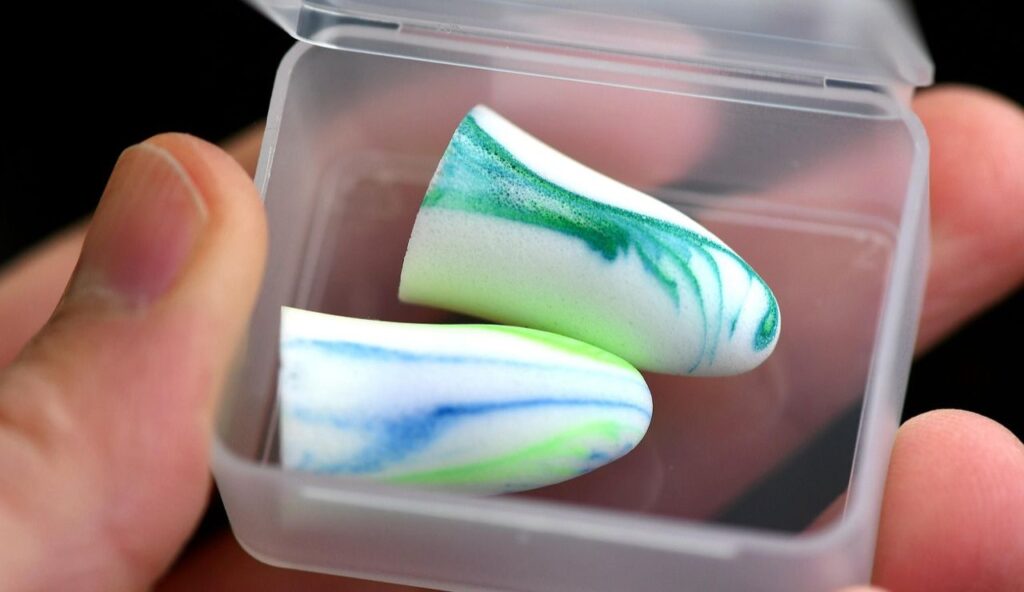
Noise-reducing earplugs lower engine hum and background chatter, making it easier to relax, read, or sleep. Reusable silicone or quality foam plugs work well for long flights because they reduce constant noise without batteries. Insert them correctly: roll (if foam), place, then hold briefly so they seal. Keep them in a small case on your keyring so you don’t forget them. Frequent flyers carry a backup pair in a seat-pocket-safe pouch. Less noise means fewer interruptions, less fatigue, and a calmer mood during boarding chaos and mid-cabin chatter. For long-haul trips, pair them with an eye mask too.
2. Inflatable footrest to improve leg comfort
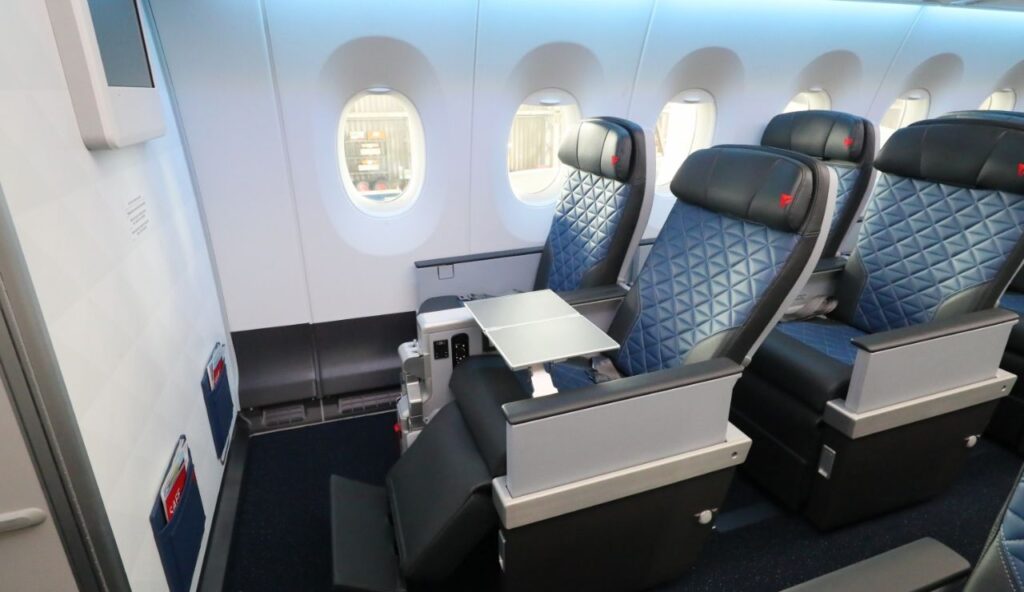
An inflatable footrest raises your feet, allowing your knees and hips to sit at a more comfortable angle, which reduces lower-back tension. It’s especially helpful when you can’t plant your feet flat due to tight seat pitch. Choose a model with adjustable height chambers so it fits different under-seat spaces and shoe sizes. Inflate after takeoff, deflate before landing, and keep it centered so you’re not twisting your knees. For taller travelers, placing it under the calves can feel better than under the feet. It’s a simple posture fix that can support circulation on longer flights. On overnight flights, it also helps you keep your shoes off.
3. Compact lumbar support for better posture
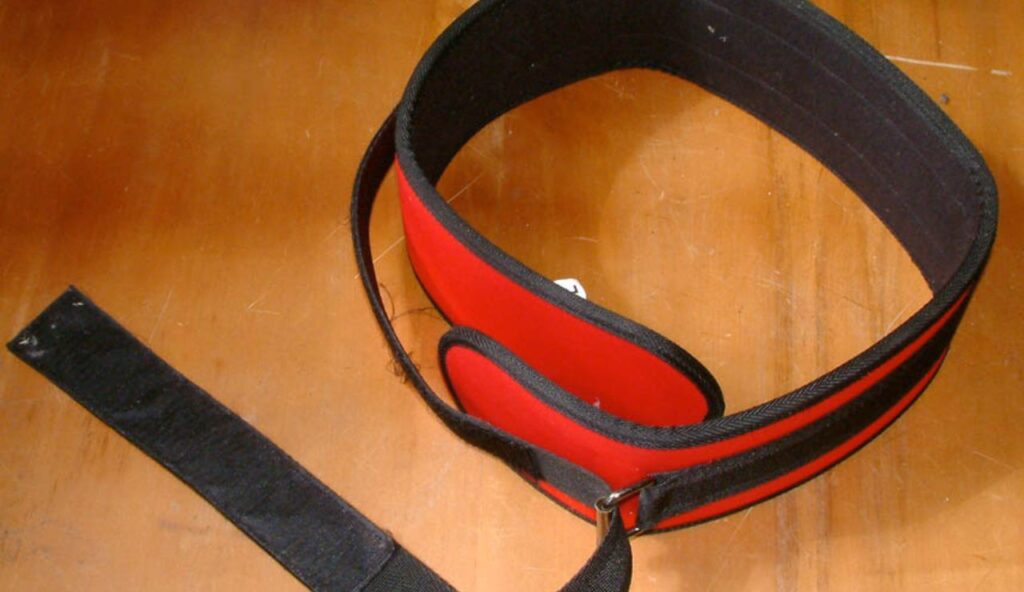
Economy seats often flatten your lower back, which leads to slouching, neck strain, and stiffness. A compact lumbar pillow restores the natural curve of your spine and helps you sit longer without constant shifting. Look for a slim memory-foam cushion or an inflatable lumbar support that packs small. Place it at belt-line height, not mid-back, then tighten the seatbelt so it stays in position. Avoid bulky pillows that push your shoulders forward. Used correctly, lumbar support reduces fatigue, keeps breathing easier, and makes standing up after landing feel smoother, especially after long taxi times.
4. Universal travel adapter with fast USB-C
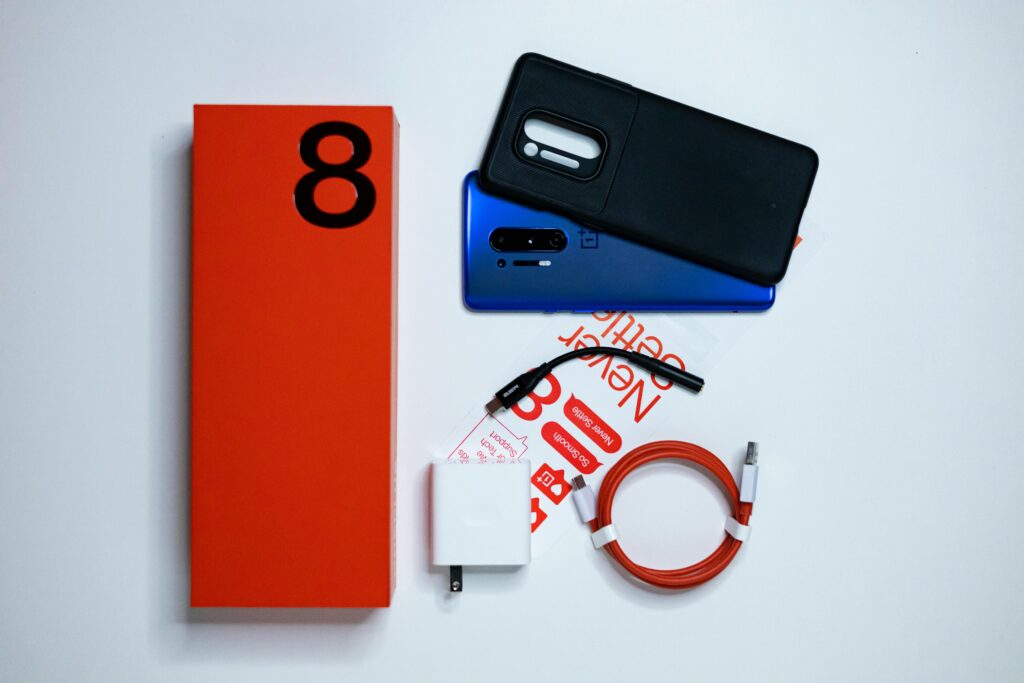
A universal travel adapter prevents charging problems when outlets and plug types change across airports, lounges, and hotels. Frequent flyers prefer compact models with USB-C Power Delivery plus at least one USB-A port to charge multiple devices. Pair it with a short cable so you’re not fighting tangled cords at the gate. Even if your plane has seat power, you’ll still need reliable charging during layovers and delays. The main benefit is simplification: one adapter replaces multiple bricks, saves bag space, reduces forgotten chargers, and keeps your phone ready for boarding passes, translation, and maps.
5. Bluetooth transmitter for in-flight screens
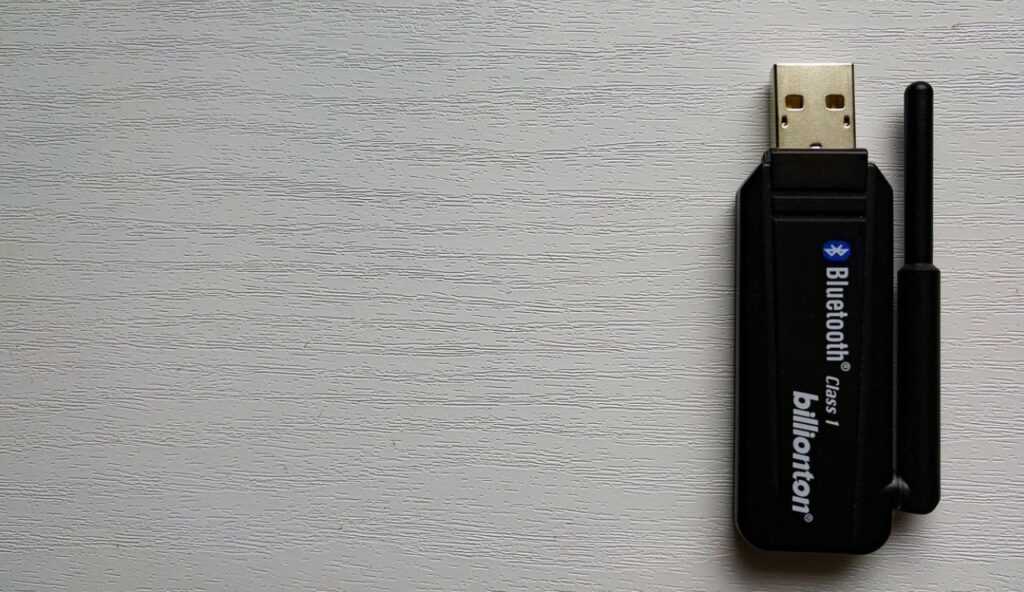
A Bluetooth transmitter lets you use your own wireless earbuds with seatback entertainment systems that still rely on a 3.5mm headphone jack. Plug it into the audio port, pair once, and you get a familiar sound and better comfort than airline earbuds. Choose a transmitter with low-latency support to keep lip-sync natural in movies and shows. Some models connect to two earbuds at once, useful for sharing. Keep it charged and store it with your earbuds so it’s easy to grab during boarding. It’s a small upgrade that makes entertainment smoother, quieter, and more consistent across different aircraft.
6. Compression packing cubes to save space
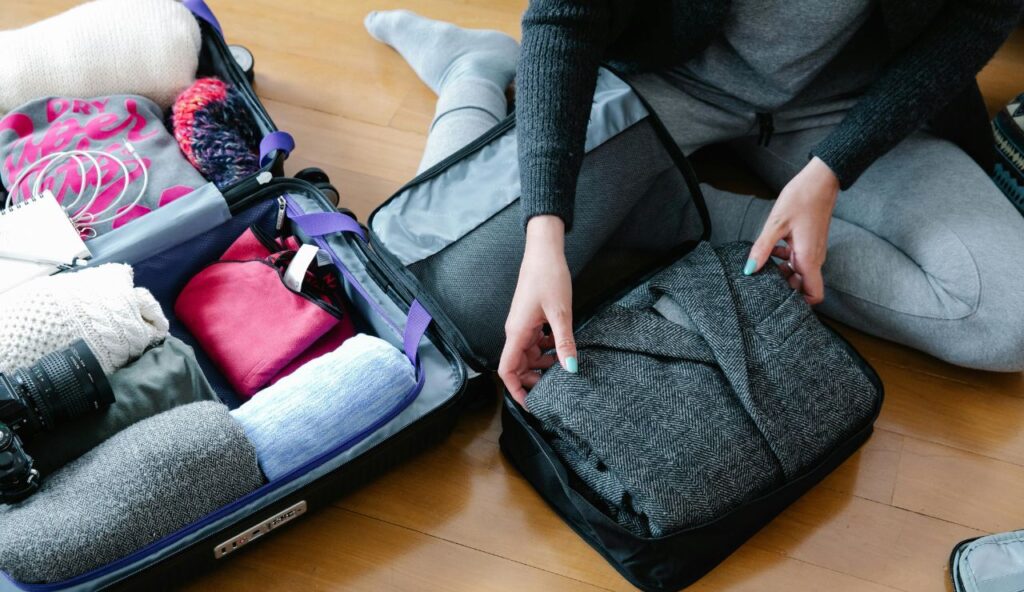
Compression packing cubes shrink clothing volume and keep items sorted, which helps you pack faster and stay organized on multi-leg trips. Frequent flyers separate clothes by type (tops, bottoms, underwear) and use the compression zipper to flatten each cube. This reduces the “bag explosion” problem during security checks or quick repacking at a gate. Look for durable zippers, grab handles, and breathable fabric so clothes don’t trap odor. The practical payoff is fewer wrinkles, quicker access, and less stress when you need one item without unpacking everything in your carry-on. They also help isolate dirty laundry and damp swimwear.
7. Collapsible water bottle for easier hydration
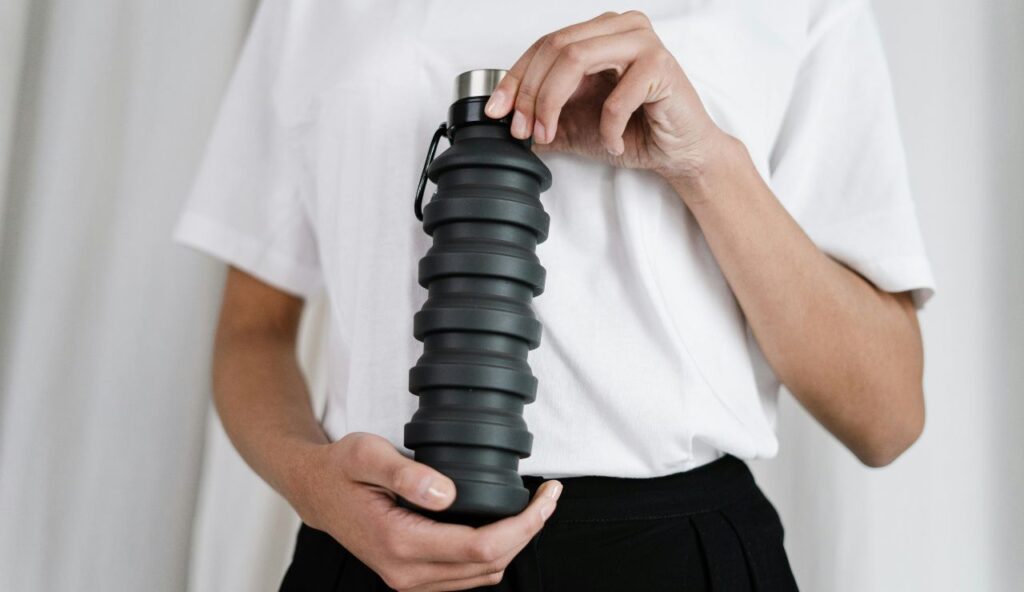
A collapsible water bottle keeps you hydrated without repeatedly buying airport drinks. Carry it empty through security, fill it at a bottle station, and sip steadily during the flight because cabin air is drying. Silicone bottles pack down small and fit easily in a seat pocket or side pouch. Prioritize a leak-proof cap; a slow leak can damage electronics in your bag. Frequent flyers take a few sips every time they check the time or change music, turning hydration into a habit. Better hydration can reduce headaches, dry throat, and post-flight fatigue, especially on early departures and red-eyes.
8. Seatback organizer pouch to reduce clutter
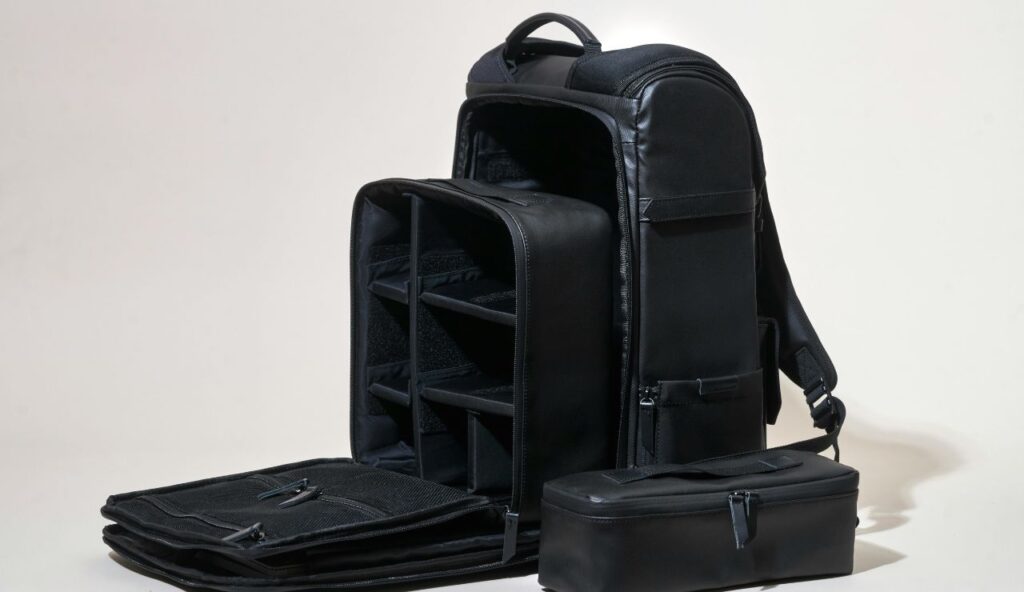
A seatback organizer pouch creates one dedicated place for essentials: phone, passport, pen, lip balm, charging cable, earbuds, tissues, and sanitizer. This prevents items from sliding into seat gaps or getting buried under your personal item mid-flight. Choose a slim organizer with multiple compartments so small items don’t stack into one messy pocket. During boarding, clip it to your bag handle; after sitting, place it where you can reach it without digging. The result is fewer drops during turbulence, faster access when the cart arrives, and less fumbling when you need documents at arrival, customs, or baggage claim.
9. Luggage tracker tag for peace of mind
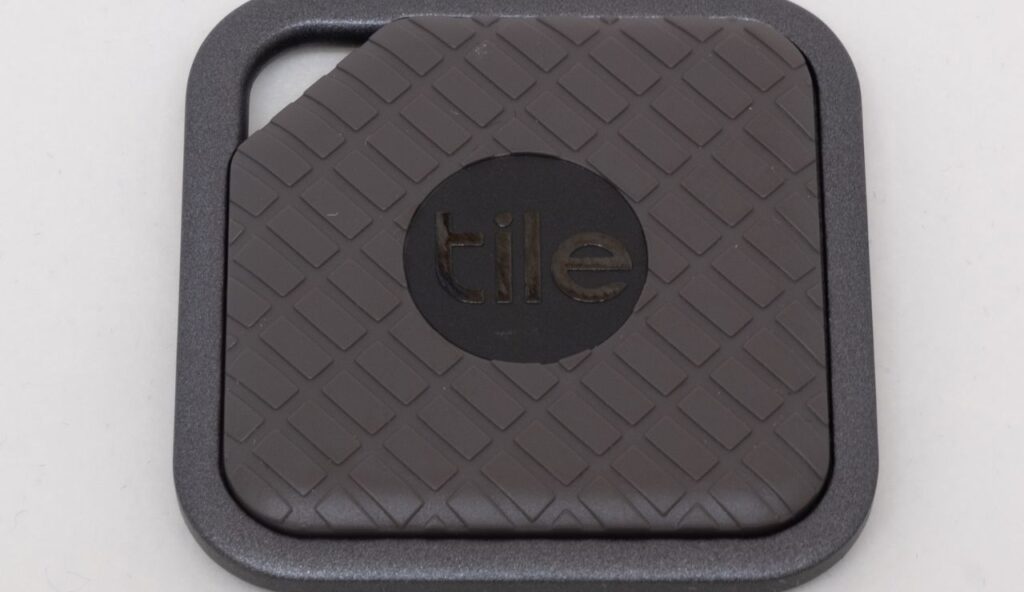
A luggage tracker tag helps you locate bags when they’re delayed or misrouted, and it’s useful for carry-ons too. Frequent flyers place one tracker inside the suitcase and another in a small internal pocket of their personal item. The advantage is actionable location data when reporting an issue, not just spotting your bag on the carousel. Check the battery before big trips and confirm it updates in your app. Add your contact info to the physical tag as well. Even when airlines handle recovery, knowing where the bag last pinged reduces uncertainty, speeds conversations at the desk, and helps you decide whether to wait, reroute, or shop.
10. Mini stain remover pen for quick fixes
A stain remover pen protects your “arrival look” after coffee drips, sauce spills, or seatbelt marks. It works best on fresh stains, so use it quickly: blot with a napkin first, apply lightly, then dab rather than scrub. Frequent flyers keep one in an easy-to-reach pocket with tissues and a small hand wipe. Choose a pen with a tight cap to prevent leaks in your bag. It won’t replace laundry, but it can rescue cuffs, collars, and small spots before a meeting or connection. For economy travel, it’s a cheap tool with outsized benefits, and it saves you from emergency gift-shop shopping or wearing a jacket all day.