Fear Grows Over the Future of One of the World’s Greatest Historical Sites: “It’s Already Too Late”
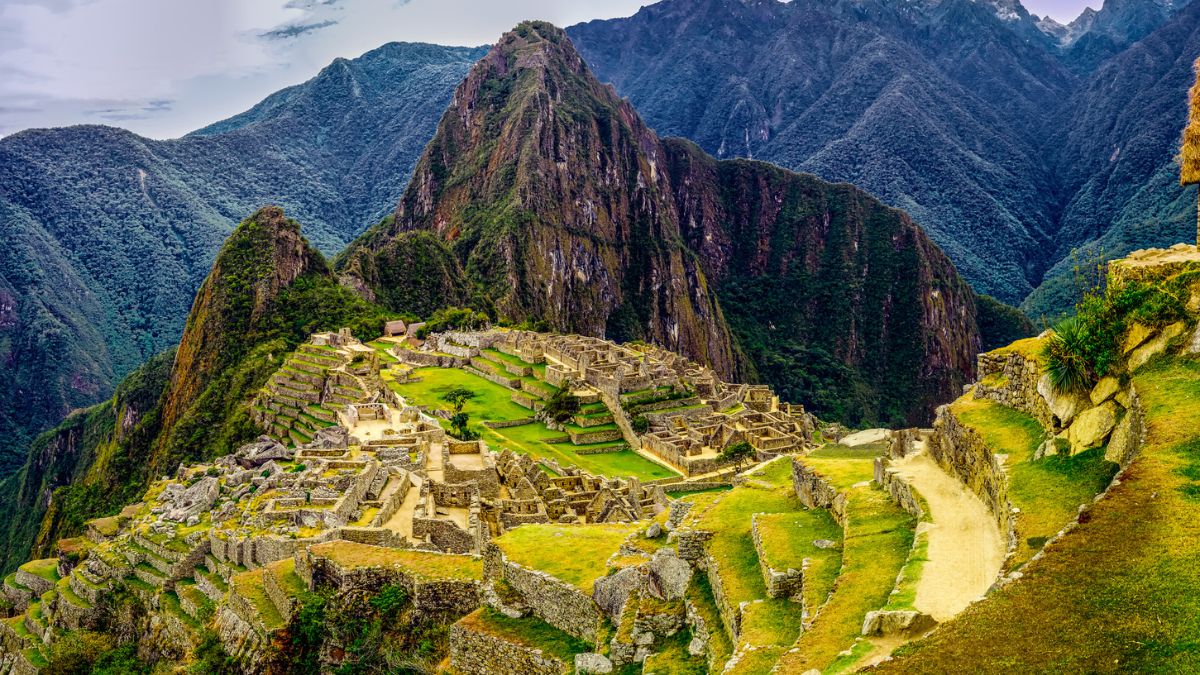
Machu Picchu has long been one of those destinations that feels like it must be earned. The ancient Incan citadel sits within Peru’s Sacred Valley, a UNESCO World Heritage region of breathtaking beauty that, until now, has lacked a direct, easy connection to the outside world. That slow and deliberate approach to arrival was, for many, part of the magic. Getting there required patience, planning, and a certain willingness to let the journey be part of the experience.
All of that is about to change. A major new international airport is under construction in Chinchero, roughly 20 miles north of Cusco, with an opening projected for late 2027. Even before construction began, the project was deeply controversial, and as the site takes shape, voices from the local community and travel industry are growing louder. The concern is not simply about more tourists arriving, but about what happens to the fragile ecosystem of culture, infrastructure, and heritage sites when they do.
Oliver Cripps, from Cusco-based destination management company Amazonas Explorer, has been one of the clearest voices on the potential downside. He worries that the new airport will encourage a rush-and-tick style of travel, where visitors arrive, check off Machu Picchu, and leave without spending meaningful time or money in the wider region. “The fear is that it will encourage shorter trips with more bucket-list mentality, as travelers could simply arrive by bus to Ollantaytambo and the next day take the train to Machu Picchu,” he explained. That kind of rapid turnaround leaves far less economic benefit for the communities that depend on tourism.
Gary Tombs, product manager for Peru at British travel company Journey Latin America, points to the hard limits of the existing infrastructure. The current Cusco airport sits entirely within the city, ringed by dense neighborhoods and surrounding mountains, operating near maximum capacity with no room to expand, no ability to extend hours, and no facilities capable of handling larger aircraft. If visitor projections of a 200 percent increase prove accurate, the consequences for the region could be severe. Machu Picchu already operates under strict daily caps of 5,600 visitors, and without major policy changes, the site simply cannot absorb a dramatic surge in foot traffic.
With roughly $630 million in capital investment already poured into the project, stopping construction now is almost certainly off the table. Martin Romero, of Cusco-based trekking company Explorandes, argues that the real solution lies in thinking more holistically about how tourism development is planned across the entire region. He points out that simply building the Chinchero airport without addressing the broader network of roads, utilities, and visitor distribution will only shift the pressure rather than relieve it. Peru’s government has publicly stated a desire to draw tourists toward less visited destinations like Choquequirao and Kuelap, but as Cripps notes, Machu Picchu’s gravitational pull on travelers, fueled in no small part by the hunt for the perfect Instagram photo, shows no sign of weakening.
If you have thoughts on how beloved heritage sites like Machu Picchu should be protected from overtourism, share them in the comments.