Explorer Paul Rosolie Sets the Record Straight on What an Uncontacted Amazon Tribe Actually Eats
For years, rumors and fear have surrounded the world’s last uncontacted indigenous communities, fueling myths that range from the wildly inaccurate to the genuinely dangerous. American conservationist and author Paul Rosolie has spent more than a decade working deep in the Amazon rainforest, and a recent encounter he shared publicly is challenging one of the most persistent misconceptions about these communities head-on. The footage, which has sparked widespread conversation online, captures a moment that very few outsiders have ever witnessed — members of an uncontacted tribe voluntarily emerging from the jungle to make contact.
The group in question are the Nomole, an indigenous people living in Peru’s Madre de Dios Region. They are recognized as one of the largest uncontacted groups in the world, a fact that has historically generated fear simply because so little is publicly known about them. Rosolie’s conservation organization, Junglekeepers, has been working in the area to protect the forest that the Nomole and other indigenous communities depend on for survival. That forest, the group has emphasized, is under serious threat from illegal logging operations, gold mining, and narco activity pushing into the jungle’s most remote corners.
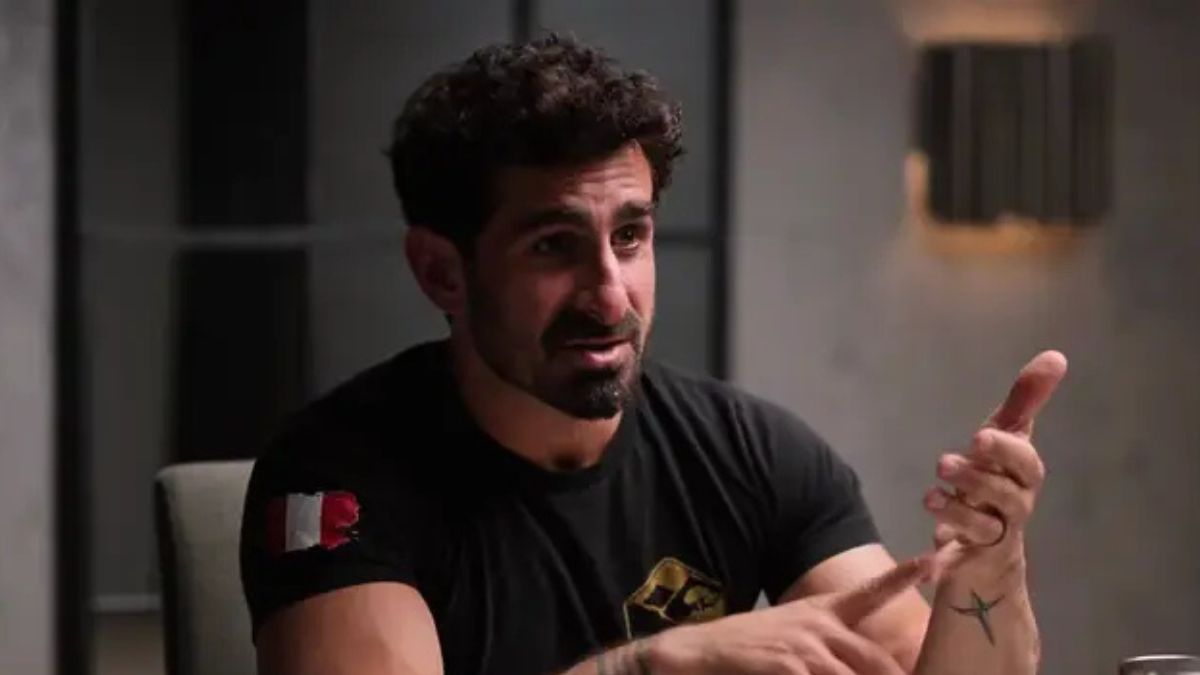
Speaking on the popular podcast ‘Diary of a CEO‘ with host Steven Bartlett, Rosolie took aim at one of the most damaging myths surrounding the Nomole. When Bartlett asked point-blank whether these people practice cannibalism, Rosolie was unequivocal. “They do not eat humans. They are not cannibal tribes,” he said. He added that the misinformation has spread so far that AI-generated audio using his own voice has been circulating online falsely attributing pro-cannibal claims to him. Regarding what the Nomole actually eat, Rosolie explained: “They primarily eat turtles and monkeys. They don’t fish, they don’t have fish hooks.”
The decision to release footage of the encounter was not made lightly. Rosolie wrote on Instagram that the meeting was entirely initiated by the Nomole themselves — his team did not approach, call out, or attempt to make contact. Junglekeepers confirmed this, stating clearly that their team “adhered strictly to Peru’s no-contact protocols” and that “no direct contact was attempted by our team: no physical approach, no vocal attempts.” The encounter was, by every account, on the tribe’s own terms.
@lexfridman Paul Rosolie faces uncontacted tribe: They sing to him – clip from Lex Fridman Podcast #489 with Paul Rosolie. Guest bio: Paul Rosolie is a naturalist, explorer, author of a new book titled Junglekeeper, and is someone who has dedicated his life to protecting the Amazon rainforest.
♬ original sound – Lex Fridman
Rosolie explained his reasoning for going public in a lengthy Instagram caption, describing the difficult trade-off at the heart of the decision. “Me and my team are sharing this footage with the full knowledge that it is risky,” he wrote. “But either we show this important footage and get HELP to protect these people, OR their forest will be destroyed.” He also noted that before releasing anything, the team consulted with anthropologists and ethicists to make sure every step was handled legally and responsibly, both to protect the Nomole and the Junglekeepers team itself.
The footage was first discussed publicly on the ‘Lex Fridman’ podcast, where Rosolie chose to bring the encounter to a wider audience. He described it as “a sensitive and complicated topic” and stressed that “the rights of these people are paramount.” The Nomole had come to the edge of the jungle with questions of their own, approaching a group that included indigenous community members who were already partnering with Junglekeepers in protecting the region. It was, in many ways, a meeting between worlds — one shaped by decades of conservation work and mutual trust between local communities and the Junglekeepers organization.
Illegal contact attempts with uncontacted tribes have historically ended in tragedy. Several individuals have gone missing or died after attempting unauthorized visits to similar groups in different parts of the world. Rosolie’s carefully managed approach stands in stark contrast to those incidents and underscores the importance of protocol, consent, and indigenous rights when it comes to these extraordinary communities. The broader goal of making the footage public, he emphasized, is not spectacle but survival — a plea for international attention and support to protect land that the Nomole cannot advocate for in the halls of governments or international bodies.
There are believed to be over 100 uncontacted tribes worldwide, with the majority living in the Amazon basin and the island of New Guinea. The Madre de Dios Region of Peru, where the Nomole live, is one of the most biodiverse places on the planet and also one of the most threatened by illegal resource extraction. The term “uncontacted” doesn’t always mean a group has had zero exposure to the outside world — in many cases, it means they have actively chosen isolation, often after traumatic historical encounters with colonizers, missionaries, or disease outbreaks that devastated their populations centuries ago.
What do you think about the decision to release footage of an uncontacted tribe — was it the right call, and should it change how we talk about protecting indigenous peoples? Share your thoughts in the comments.


