Everyday Household Products That Dog Owners Should Keep Out of Reach
Dogs are naturally curious animals, and their interest in unfamiliar smells, objects, and foods can sometimes lead them into dangerous situations. While most owners take precautions around obvious hazards, many ordinary household products can also threaten a dog’s health when accidentally swallowed or improperly handled.
Medications, cleaning supplies, personal care products, and certain foods are particularly important to consider. Items that are harmless when used correctly by humans may contain ingredients that dogs cannot tolerate, even in relatively small quantities.
Creating a safer home doesn’t require removing every potentially hazardous product. Instead, understanding common risks and developing sensible storage habits can help prevent accidental exposure.
By recognizing which items deserve extra attention, dog owners can maintain a comfortable household while reducing avoidable risks to their pets.
Sleep Supplements and Personal Wellness Products
Sleep aids and wellness supplements are increasingly common in households, making responsible product selection and storage an important part of pet care. Ingredients such as melatonin, cannabinoids, herbal extracts, and concentrated active compounds can affect dogs differently than humans, so understanding their potential effects helps owners maintain a safer home environment.
This is particularly important with gummies and other flavored formulations because their smell and texture may attract curious pets. Keeping these products properly organized and stored helps prevent accidental exposure.
A pet-conscious approach to wellness also involves recognizing the distinction between products formulated for humans and those intended for animals. For example, Medterra’s range of CBD sleep products offers adults different nighttime wellness formulations, including gummies and capsules. Dog owners can incorporate these products into their personal routines while supporting their pets’ well-being through responsible handling and secure storage.
Cannabis Edibles and Other Attractive Treat-Like Products
One of the challenges with modern cannabis products is that they can resemble ordinary sweets. Gummies, chocolates, and other edible formulations may look and smell like familiar treats, making them particularly appealing to dogs.
For adults exploring cannabis-based wellness and recreational products, https://deltamunchies.com/ offers a selection of cannabinoid products, including THC-infused gummies. Pet owners can enjoy greater peace of mind by incorporating responsible storage into their purchasing and daily routines, keeping these products clearly separated from ordinary snacks and pet treats.
Human Medications Can Be Dangerous for Dogs
Prescription and over-the-counter medications are among the most important household items to secure.
Pain relievers, antidepressants, sleep medications, and treatments for cardiovascular conditions can cause serious health problems when swallowed by dogs.
Some medications are particularly dangerous because dogs metabolize them differently from humans.
Ibuprofen and naproxen, for example, can cause gastrointestinal injury and kidney damage. Acetaminophen can also be toxic, depending on the amount consumed and the animal’s condition.
Owners should never assume that a medication is safe simply because it is commonly available without a prescription.
Pill organizers, handbags, bedside tables, and kitchen countertops are frequent places where medications may accidentally become accessible.
Keeping tablets in secure containers and immediately collecting dropped pills can reduce these risks.
Veterinary medications also require careful storage. Products prescribed for one animal may be inappropriate for another, and consuming several doses at once can be dangerous.
Cleaning Products and Laundry Supplies Require Careful Storage
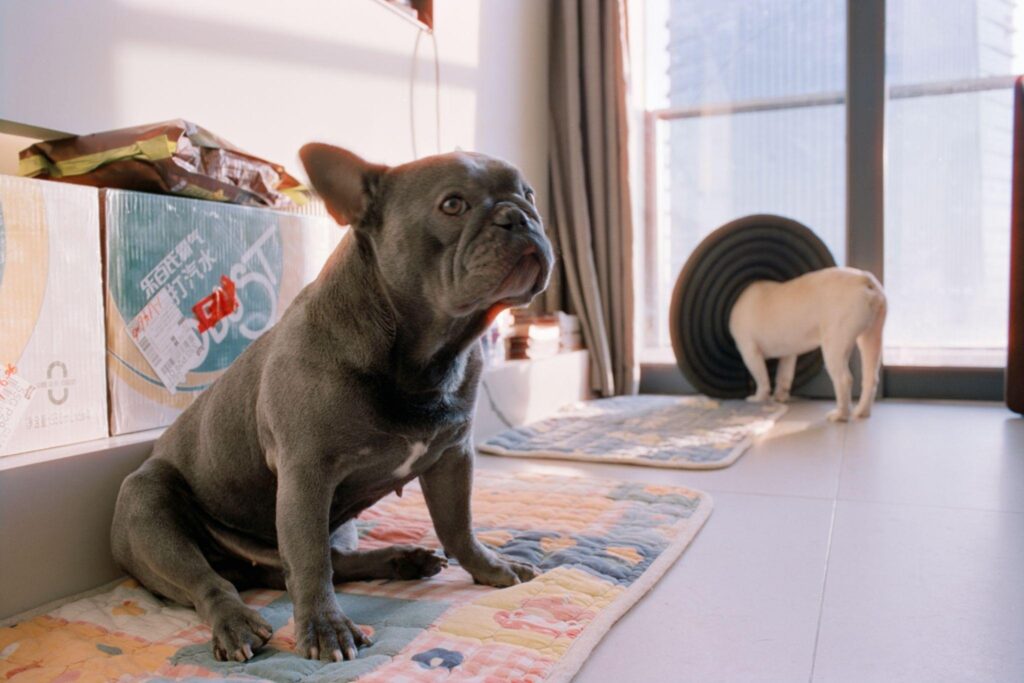
Photo by Zhen Yao on Unsplash
Household cleaning products are essential for maintaining hygiene, but some contain chemicals capable of irritating or damaging a dog’s skin, eyes, mouth, or digestive system.
Concentrated detergents, bleach, drain cleaners, and disinfectants deserve particular attention.
Laundry detergent pods are especially concerning because their small size and concentrated contents can make accidental chewing hazardous.
Dogs may also encounter chemical residues when walking across recently cleaned floors or investigating accessible buckets and containers.
Following manufacturer instructions and allowing treated surfaces to dry as directed helps reduce unnecessary contact.
Cleaning supplies should remain in their original packaging, with lids properly secured and warning labels intact.
Mixing cleaning chemicals can create additional dangers for humans and animals, particularly when incompatible substances release harmful fumes.
Owners should also avoid leaving cleaning buckets unattended in areas accessible to pets.
Common Foods That Dogs Should Never Share
Many dogs enjoy investigating kitchens and dining areas, especially when food is being prepared.
Unfortunately, several familiar human foods can be harmful to them.
Chocolate contains theobromine and caffeine, both of which can cause toxicity. Grapes and raisins may lead to serious kidney injury in susceptible dogs, while onions and garlic can damage red blood cells.
Xylitol, a sweetener sometimes found in sugar-free gum, candies, and other products, is particularly dangerous because it can cause a rapid decrease in blood sugar and potentially severe liver injury.
Food waste also deserves attention. Cooked bones can splinter, while spoiled food may contain harmful microorganisms or toxins.
Preventing accidental ingestion involves keeping food preparation areas organized and using secure waste containers.
Family members and visitors should understand that sharing human snacks with dogs isn’t always harmless, regardless of how eagerly the animal asks for them.
Creating Safer Storage Habits Throughout the Home
Preventing accidental poisoning begins with understanding how dogs explore their surroundings.
Low cabinets, open handbags, bedside drawers, and accessible countertops may contain products that owners assume are safely stored.
Determined dogs can sometimes open loosely closed containers or reach surprising heights.
Child-resistant packaging isn’t necessarily dog-resistant, particularly when an animal can chew through plastic.
A safer approach involves storing medications, supplements, chemicals, and potentially toxic foods behind secure cabinet doors.
Regular household inspections can identify forgotten items, damaged packaging, or products left in inappropriate locations.
Visitors should also be encouraged to keep bags and personal belongings away from curious pets.
These simple precautions become particularly valuable in homes with puppies or dogs known for chewing and scavenging.
Knowing What to Do After Accidental Exposure
Even careful households can experience unexpected accidents. Recognizing a potential poisoning incident and responding promptly can make an important difference.
Symptoms may include vomiting, excessive drooling, unusual sleepiness, trembling, difficulty walking, or changes in behavior. However, some toxic substances can cause serious harm before obvious symptoms develop.
If a dog may have swallowed something dangerous, contact a veterinarian or animal poison control service immediately. Do not induce vomiting or administer home remedies unless specifically instructed by a veterinary professional.
Keeping the product packaging available can help identify ingredients and quantities during veterinary assessment.
Ultimately, responsible pet ownership involves anticipating ordinary household risks before an accident occurs.
By securing medications, wellness products, cleaning chemicals, and dangerous foods, dog owners can create safer environments without compromising everyday convenience.
A few consistent storage habits can protect curious pets and provide greater peace of mind for everyone sharing the home.