Europe’s Best Airports in 2026 Have Been Officially Ranked by the World Airport Awards
The results of one of aviation’s most prestigious annual competitions are in, and four European hubs have secured spots among the top ten airports on the planet. The Skytrax World Airport Awards, often referred to as the “Oscars of Aviation,” recognize outstanding performance in customer satisfaction across hundreds of airports worldwide. This year’s survey ran from August 2025 through February 2026 and assessed over 575 airports before arriving at its final rankings. The findings offer a revealing snapshot of where travelers feel most welcomed, comfortable, and well served.
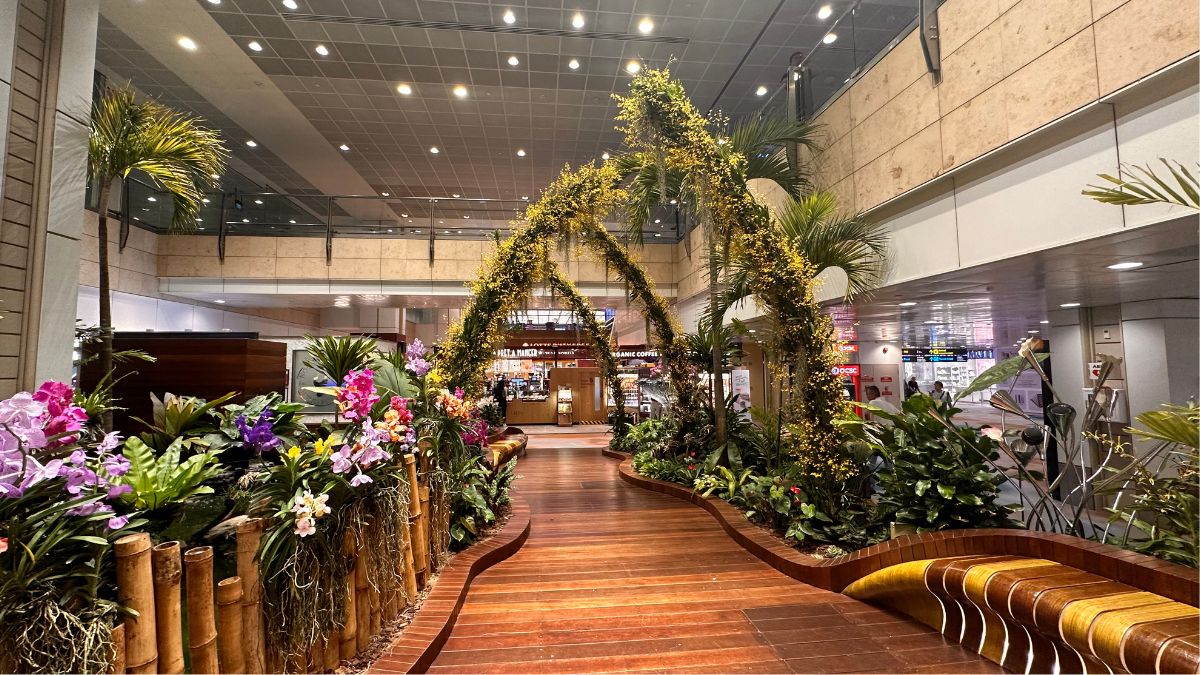
Topping the global list for the fourteenth time is Singapore’s Changi Airport, a destination in itself thanks to its famous forest valley and the world’s tallest indoor waterfall. The airport served close to 70 million passengers last year, and its repeated dominance at the top of these rankings reflects a consistent, guest-first philosophy that other hubs have struggled to match. Asian airports dominated the upper tier of the list overall, with Seoul Incheon taking second place and Tokyo Haneda landing in third. Hong Kong and Tokyo Narita rounded out the top five, leaving European airports to claim positions six through nine.
Paris Charles de Gaulle was the highest-ranking European airport this year, coming in at number six on the global list. Rome’s Fiumicino International Airport followed close behind in seventh place, continuing a strong run of recognition for one of Italy’s busiest travel gateways. Istanbul Airport secured eighth place, a notable achievement for a hub that has grown rapidly into one of the continent’s most significant transit points. Munich rounded out the European contingent in ninth place, with Vancouver, Canada, closing out the global top ten.
One notable absence from this year’s rankings is Doha’s Hamad International Airport, which finished second in 2025 but withdrew entirely from conferences, awards, and events this year due to the ongoing conflict in the Middle East. Its absence reshuffled the standings considerably and opened the door for European airports to climb higher up the list than they might have otherwise. The competitive field remains intense regardless, and holding a spot in the top ten among more than 575 assessed airports is a meaningful distinction.
The methodology behind the rankings is notably thorough. Travelers were surveyed on a wide range of criteria spanning every touchpoint of the airport experience, from the friendliness and helpfulness of staff to the overall cleanliness of facilities. Entertainment options, dining quality, and even the availability of luggage trolleys were factored into the scores. The breadth of the evaluation is part of what gives the Skytrax awards their credibility in an industry where passenger expectations continue to rise.
Beyond the main global ranking, Skytrax also handed out awards in a variety of specialized categories this year. Tokyo Haneda was recognized as the world’s cleanest airport, a title that aligns with Japan’s well-known cultural emphasis on cleanliness and order. Houston Airport took the top prize for best airport art, highlighting a category that increasingly matters to travelers who spend significant time in transit. Seoul Incheon was named the most family-friendly airport in the world, a particularly competitive category as airports invest more in making the travel experience manageable for passengers of all ages.
The results serve as a reminder that airports have transformed dramatically from the purely functional transit hubs of previous decades. The best ones now function as genuine destinations, complete with curated food and retail experiences, art installations, wellness facilities, and thoughtfully designed spaces that reduce the stress of travel. For European hubs in particular, the rankings represent both a validation of recent investment and a benchmark against which future improvements will be measured.
Changi Airport was actually the world’s first to offer a 24-hour movie theater inside a terminal, and it has its own butterfly garden that is home to over 1,000 live butterflies. Rome’s Fiumicino, meanwhile, takes its name from a small nearby town historically known for fishing, not flight — the airport’s sleek modernity is quite the departure from its humble origins. Munich Airport is one of the very few airports in the world with its own on-site brewery, where travelers can sip a fresh lager without ever leaving the terminal.
Have you passed through any of Europe’s top-ranked airports, and does your experience match the hype? Share your thoughts in the comments.