

Camping with your dog: 5 mistakes even experienced owners make
Camping with your dog can be one of the best ways to unplug and spend real time together. But even experienced owners make small mistakes that turn a fun weekend into stress, injuries, or a sudden emergency. Dogs face new wildlife smells, rough terrain, weather shifts, and campsite distractions that don’t exist at home. These five common camping mistakes are easy to miss, and even easier to prevent with a few smart habits. A little planning upfront helps you relax more and keeps your dog safer in unfamiliar outdoor conditions.
1. Assuming recall will work the same in the woods
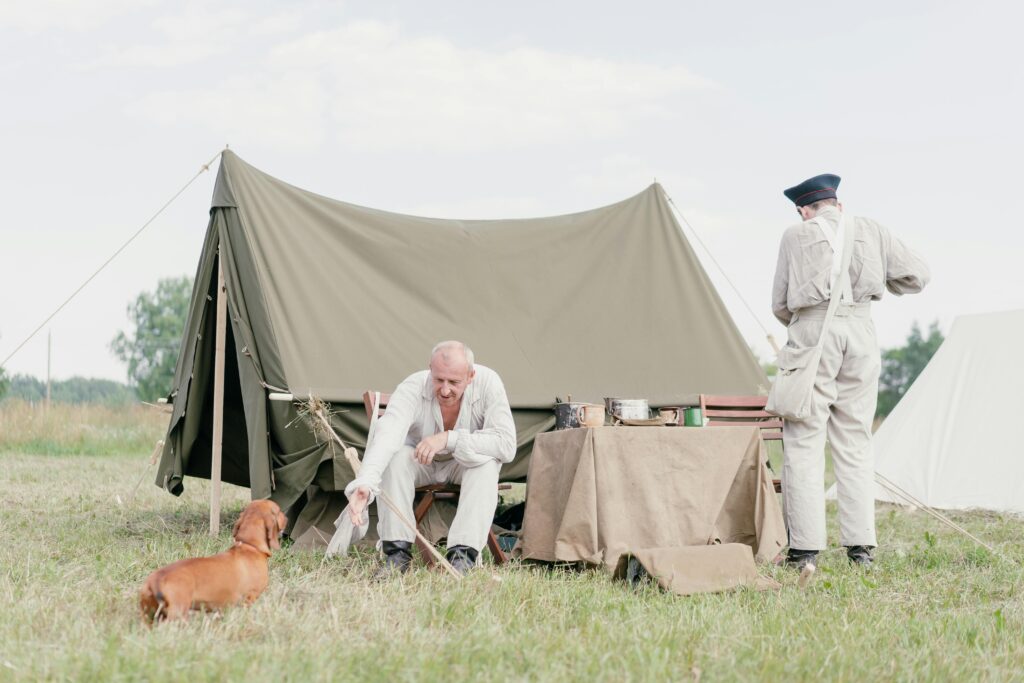
Even dogs with great training can ignore recall in a campsite full of wildlife scents, new people, and unfamiliar sounds. Many owners trust their dog off-leash because it works at the park, then panic when the dog bolts after a squirrel or deer. Forest terrain also makes it harder for your dog to hear you or find you quickly. A long leash or a secure tie-out gives freedom without risking a runaway. It also keeps your dog safe from roads, cliffs, and other campers. A lost dog in the wilderness can become an emergency fast. Even friendly dogs can spook other campers, especially kids or people with nervous pets.
2. Forgetting paws need protection on rough ground
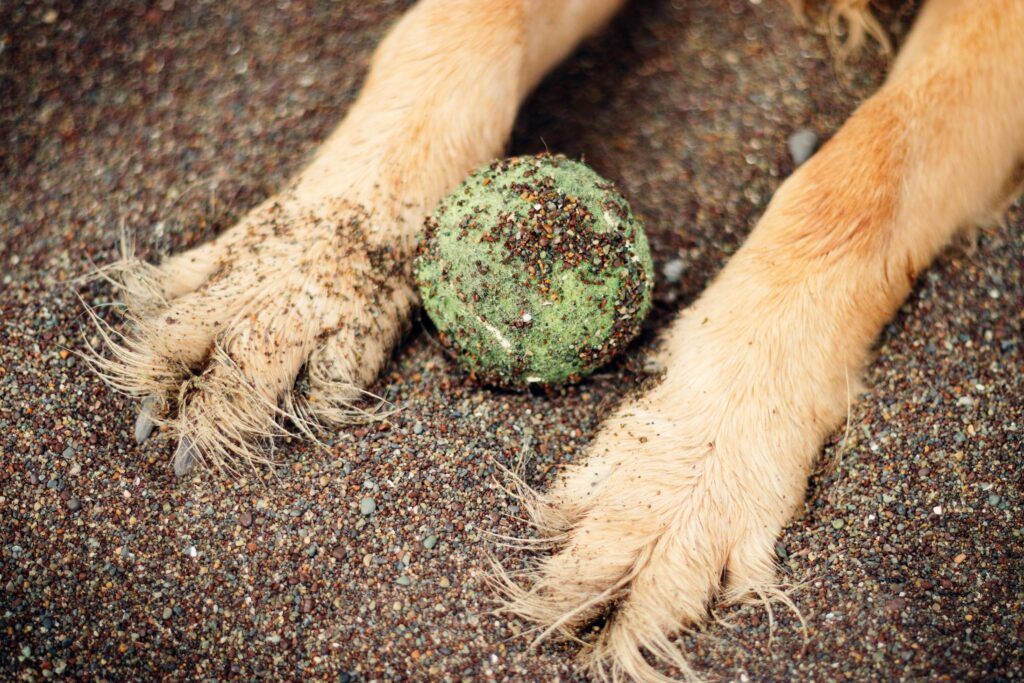
Camping often involves gravel, sharp rocks, hot sand, burrs, and high mileage that a dog’s paws simply aren’t conditioned for. Owners often assume tough paw pads can handle anything, only to notice limping after the hike is already finished. Small cuts, cracked pads, or lodged debris can ruin a trip and lead to infections later.
Consider dog boots if your dog is sensitive or the terrain is particularly harsh. At a minimum, pack paw balm and basic first-aid supplies. A quick paw check takes only a minute but can prevent a long-term injury. Finally, keep a sharp eye out for foxtails or tiny thorns; these can burrow deep into the skin and often require a vet visit to remove.
3. Underestimating how quickly dogs overheat or get cold
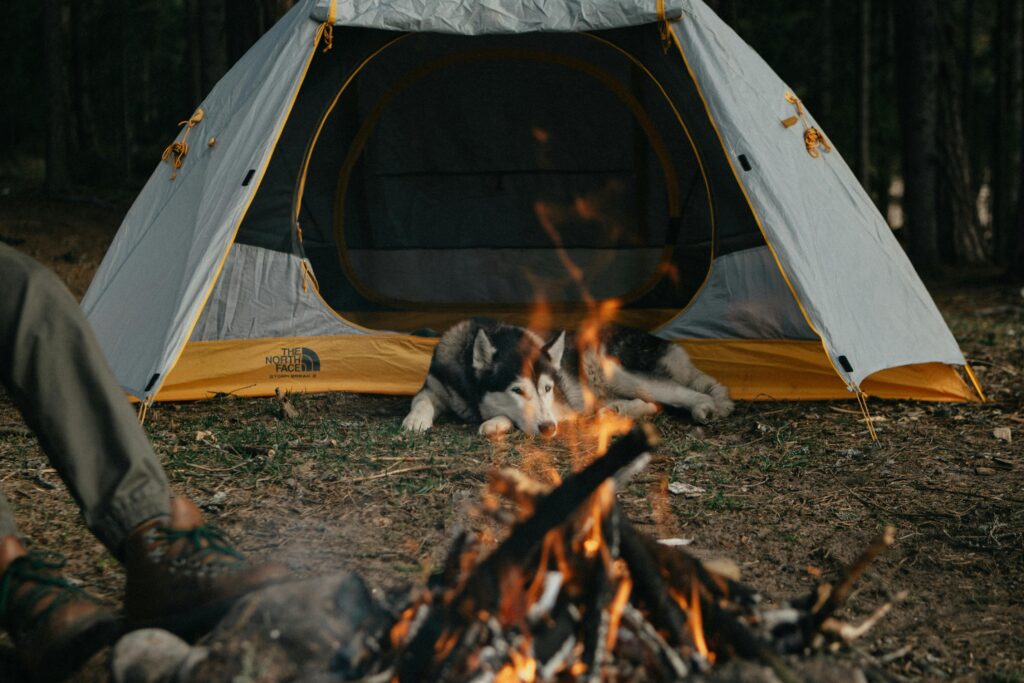
Many people pack for their own comfort, but forget that dogs are exposed to the same heat, wind, and nighttime temperature drops. Dogs can overheat faster than expected, especially in humid areas or on sunny trails. At night, some dogs shiver in tents because the ground pulls heat away from their body. Always pack extra water, provide shade, and avoid the hottest hours for hiking. Bring a sleeping pad or blanket for your dog so they’re not lying directly on cold ground. If the forecast changes, your dog can’t tell you they’re struggling until it’s serious. Watch for heavy panting, sluggishness, or trembling.
4. Letting your dog explore without thinking about wildlife risks
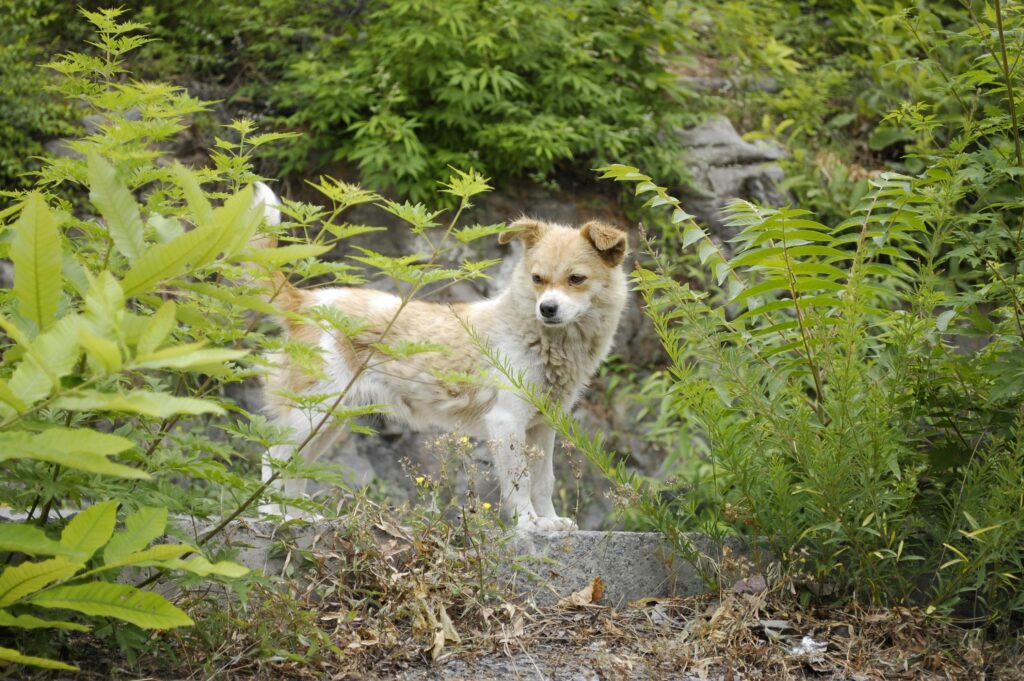
A campsite smells like food, trash, and animals, which can attract raccoons, coyotes, snakes, or even bears in certain areas. Owners sometimes let their dog roam around bushes or tall grass, not realizing that’s where most wildlife encounters happen. A curious dog can get bitten, scratched, or sprayed, and the situation can escalate quickly. Keep your dog close, especially at dawn and dusk when wildlife is most active. Don’t let your dog drink from stagnant water, which can carry parasites. Also, keep food sealed and never leave bowls out overnight. The goal is not fear, it’s smart prevention.
5. Not packing a dog-specific camping kit
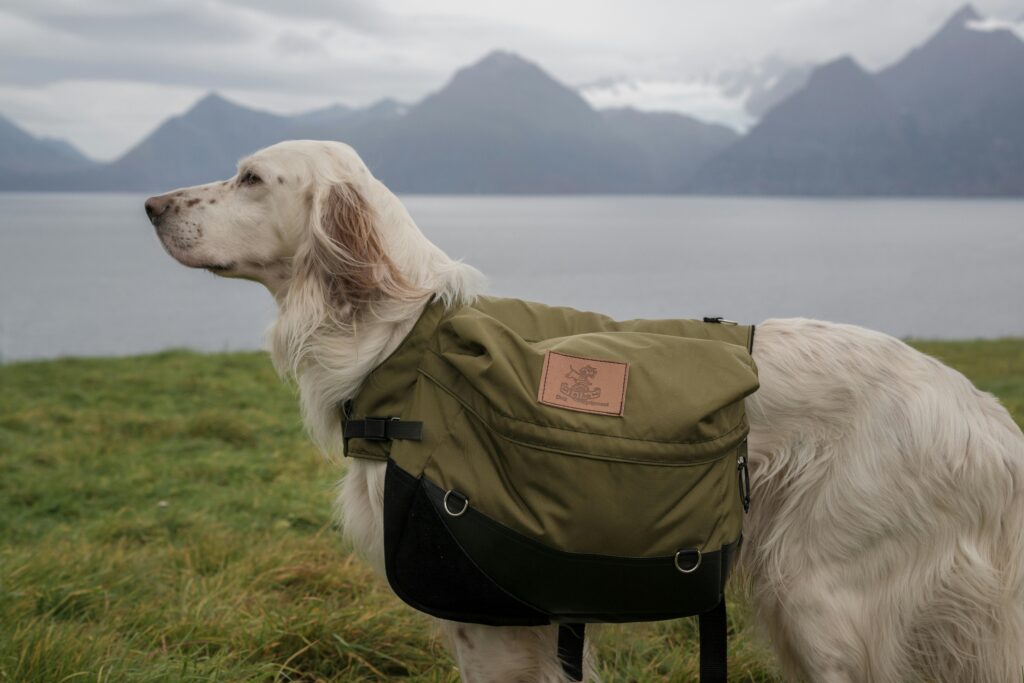
Even seasoned campers forget that dogs need their own supplies, not just extra food. A dog camping kit should include a leash backup, a collapsible bowl, a tick remover, and a basic first-aid kit. Many dogs also need a reflective collar or light so they’re visible at night. If your dog takes medication, pack extra doses in case of delays. It’s also smart to bring a recent photo of your dog on your phone in case they get lost. A small kit doesn’t take much space but saves you from scrambling in the middle of nowhere. When you’re far from stores, planning matters more. A familiar chew or toy can also help your dog settle in the tent and sleep better.


