

Beyond the Asphalt: 10 Hidden Adventure Trails That Haven’t Hit Your Feed in 2026
Some of the most rewarding trails are not trending on social media or packed with weekend crowds. They sit quietly beyond busy highways and popular parks, waiting for hikers who value solitude over spectacle. In 2026, while many outdoor spots dominate feeds and travel lists, there are still paths that feel undiscovered. These hidden adventure trails offer raw landscapes, real challenge, and a sense of connection that polished destinations rarely deliver.
1. The Teton Crest’s Quiet Side Spur, Wyoming
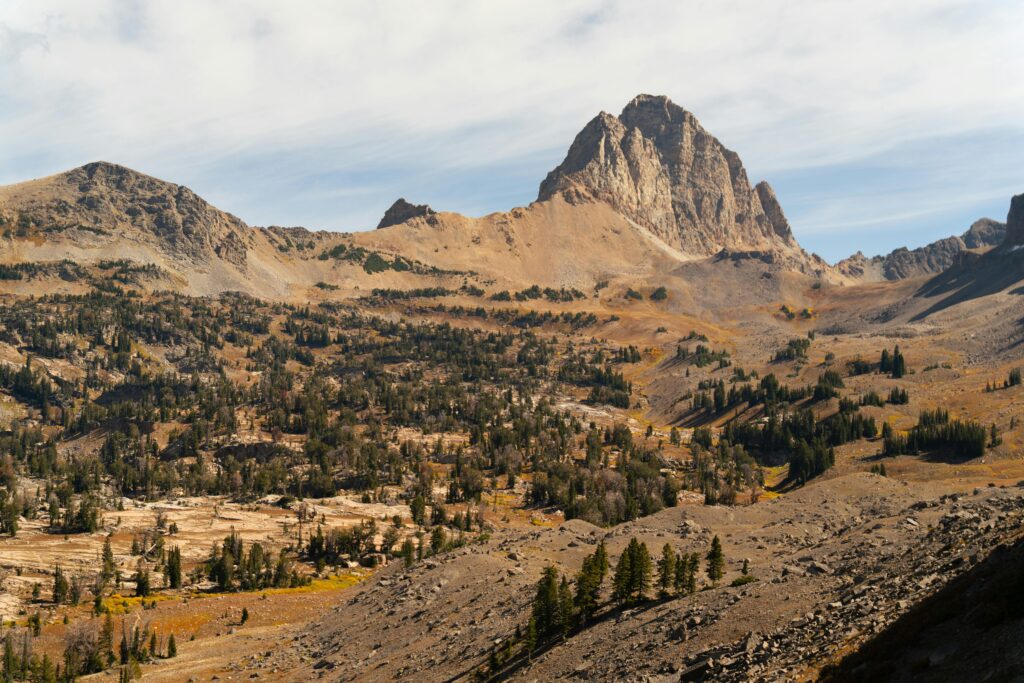
While Grand Teton National Park draws steady crowds, lesser-known side spurs off the Teton Crest Trail remain surprisingly peaceful. These routes branch away from popular viewpoints and quickly trade foot traffic for open alpine silence. Hikers move through wildflower meadows, glacial ridges, and expansive valleys without constant photo stops. Wildlife sightings feel more personal when groups do not surround you. It is the same dramatic scenery, experienced with breathing room and uninterrupted horizon lines. The stillness changes how you move and think. Each step feels intentional rather than hurried.
2. Lost Coast Inland Ridge Route, California
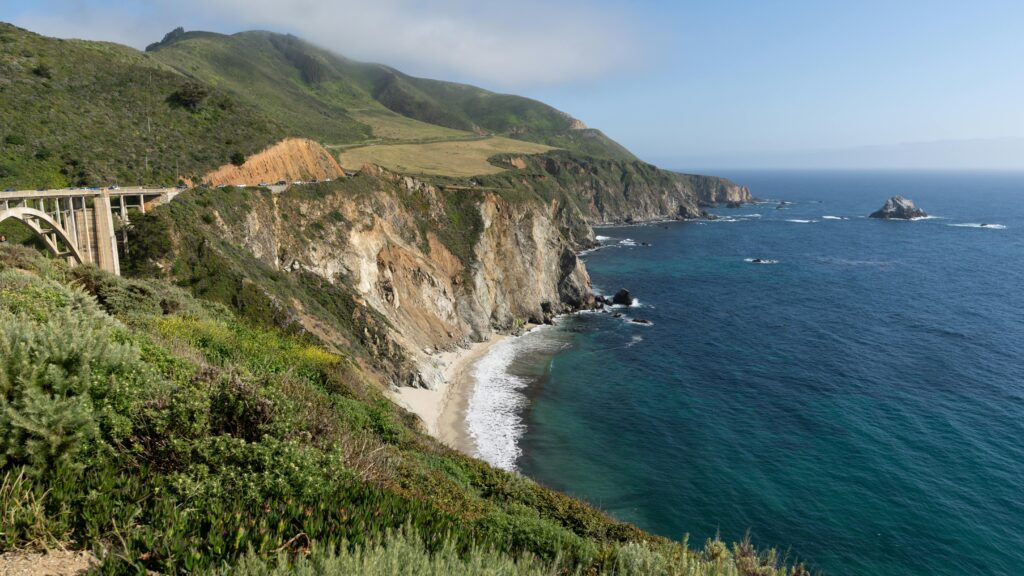
California’s Lost Coast is renowned among backpackers, yet its inland ridge variations remain largely overlooked. These routes climb above the shoreline, offering panoramic views of the Pacific without the tidal timing concerns of the beach trail. Redwood groves and wind-carved bluffs create a shifting landscape that feels remote and unfiltered. Campsites are scattered and far apart, reinforcing the sense of independence. It is rugged terrain, but the reward is space, privacy, and coastal views that feel entirely your own. Sunsets stretch wide across the water. The silence is broken only by wind and distant surf.
3. Black Canyon’s North Rim Backcountry, Colorado
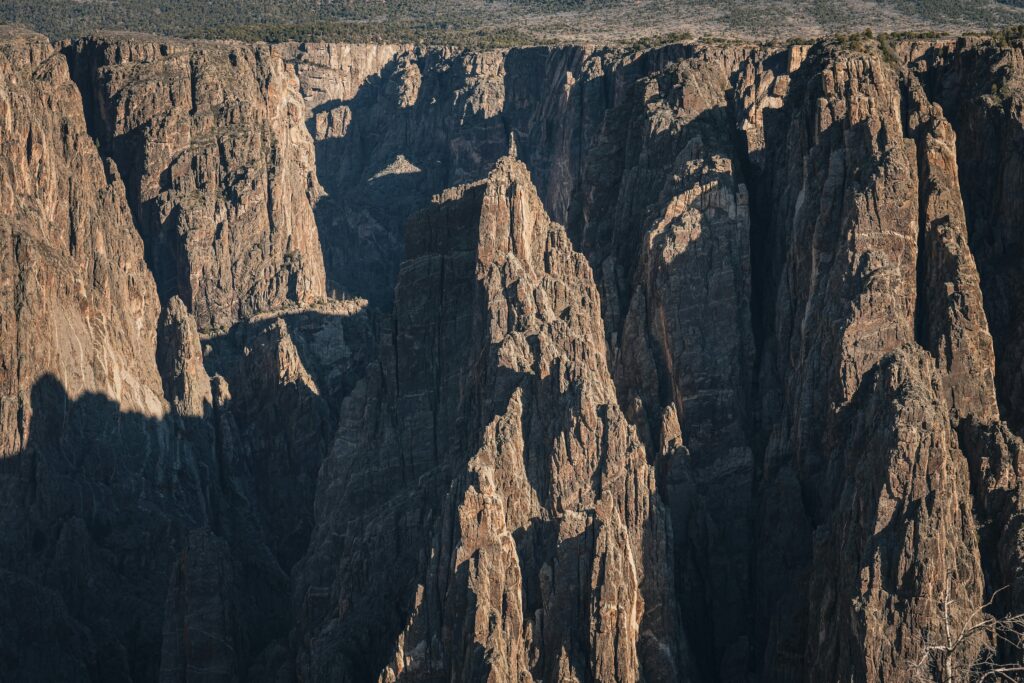
The North Rim of Black Canyon of the Gunnison sees far fewer visitors than the South Rim, and its backcountry trails reflect that quiet. Steep descents lead into dramatic rock formations carved by the Gunnison River over millions of years. The terrain demands preparation, yet the payoff is immersion in geological scale. Standing near the canyon walls, hikers experience silence broken only by wind and distant water. It feels less like sightseeing and more like stepping into deep time. The depth of the canyon shifts perspective. Even seasoned hikers pause longer than expected. The stillness amplifies every sound.
4. Superior Hiking Trail’s Remote Northern Stretch, Minnesota
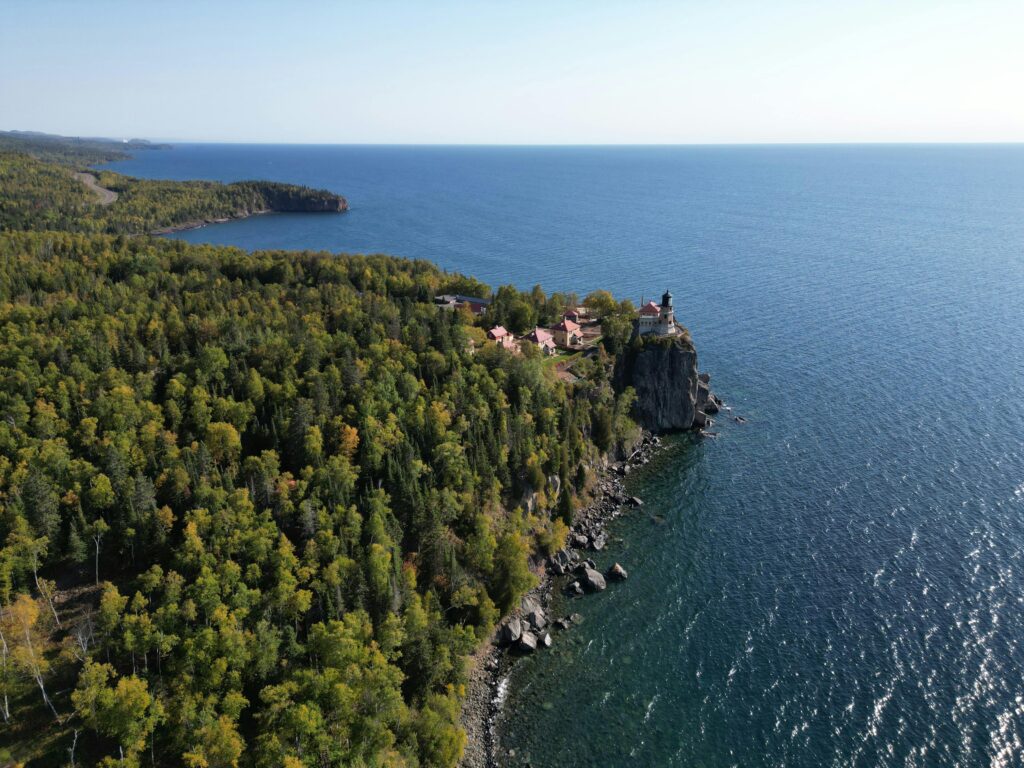
Far from its more accessible sections, the northern stretch of Minnesota’s Superior Hiking Trail offers dense forest, rolling ridgelines, and glimpses of Lake Superior without heavy traffic. Boardwalk sections weave through wetlands, and rocky overlooks provide wide, blue views. Wildlife sightings are common, especially at dawn and dusk. The trail feels steady rather than extreme, making it a cost-effective adventure for those seeking distance without intense elevation. It rewards patience and quiet observation. Morning mist often lingers along the ridges. The landscape feels quietly expansive. Birdsong carries clearly in the early hours.
5. Guadalupe Mountains’ McKittrick Canyon Rim, Texas
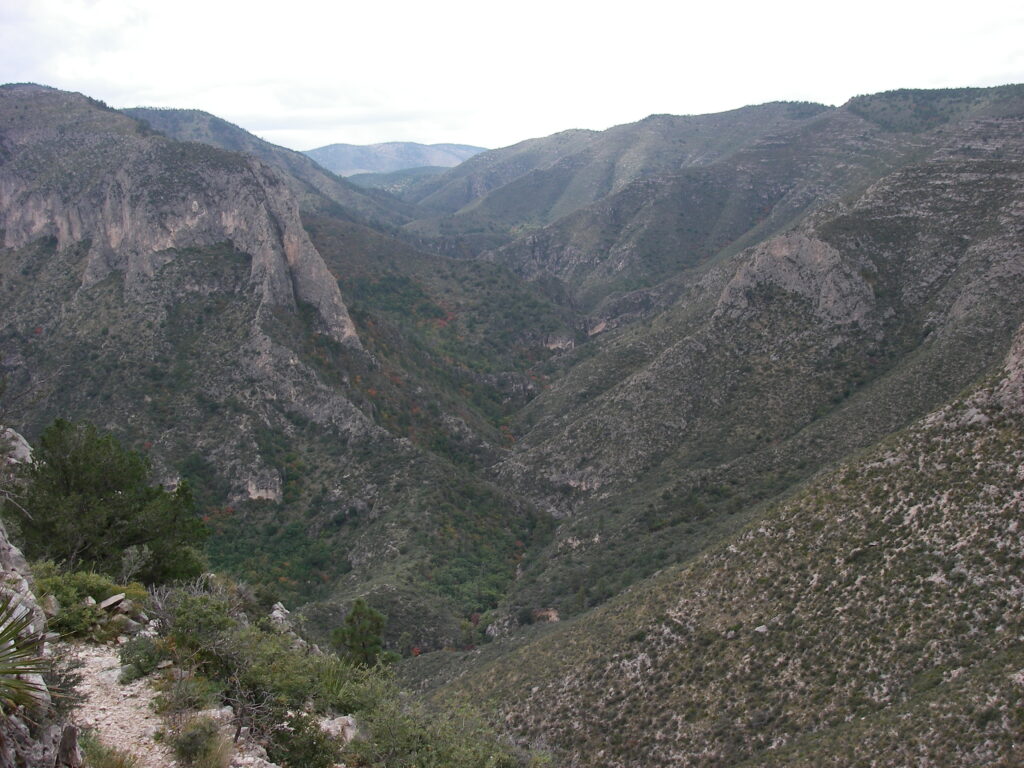
Most visitors stay within the lower canyon, yet the rim trails above McKittrick Canyon offer expansive desert and mountain contrasts. The climb reveals layered rock formations, distant peaks, and dramatic sky views. In the fall, color changes surprise many hikers who do not expect seasonal variety in West Texas. The elevation adds challenge, but the route remains manageable for prepared adventurers. It is a landscape that feels vast, dry, and deeply grounded in natural history. The air feels sharper at higher points. Views stretch farther than first expected. Sunlight shifts dramatically across the cliffs. The terrain feels both rugged and timeless.
6. Ozark Highlands’ Hurricane Creek Wilderness, Arkansas
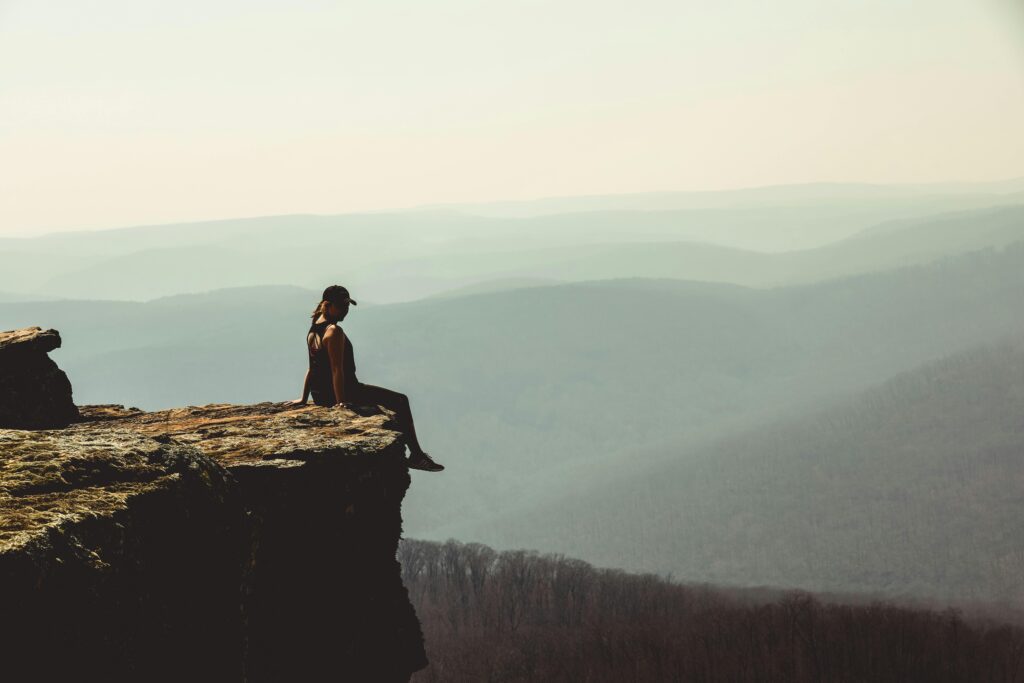
The Ozark Highlands Trail passes through Hurricane Creek Wilderness, a section that feels notably removed from busier entry points. Narrow paths cross clear streams and hardwood forests, with rocky climbs that test footing without overwhelming beginners. The terrain shifts between shaded hollows and exposed ridges, creating visual variety throughout the hike. It is easily accessible from regional towns, yet rarely crowded. The balance of solitude and accessibility makes it quietly compelling. Clear water reflects overhanging trees. The setting feels grounded and undisturbed. Footsteps echo softly across stone crossings.
7. North Cascades’ Hidden Pass Connectors, Washington
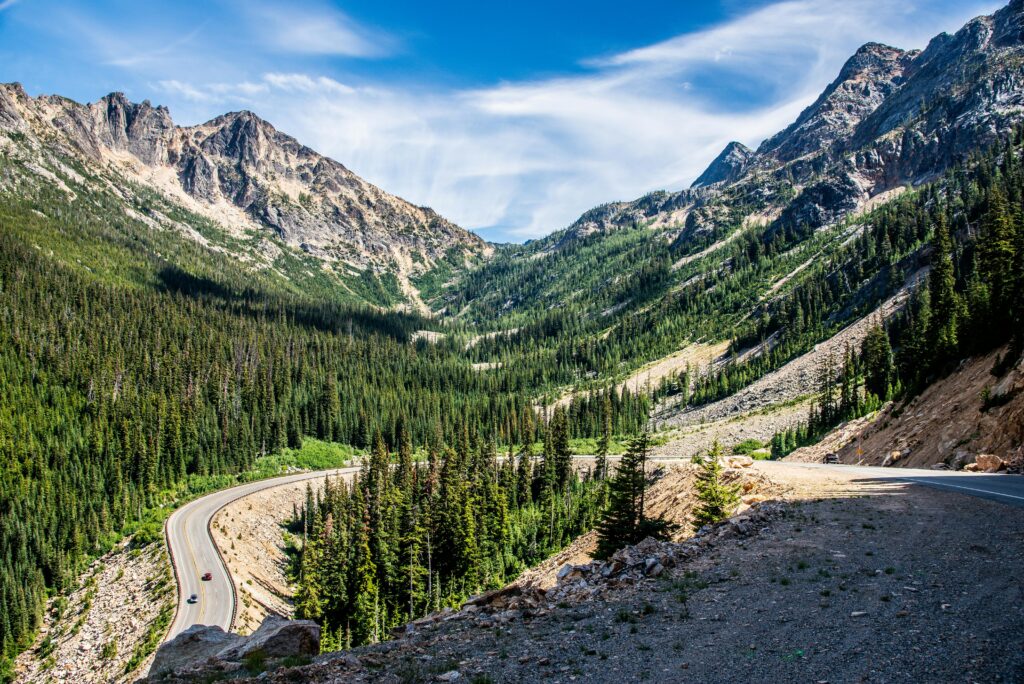
The North Cascades are dramatic, but lesser-known connector trails between major passes often remain lightly traveled. These routes wind through alpine basins dotted with wildflowers and glacial lakes. Snowfields linger well into summer, adding contrast against green valleys. The elevation demands awareness and preparation, yet hikers are rewarded with vast mountain panoramas free from heavy foot traffic. It feels like stepping behind the curtain of a well-known park into something more intimate. Cloud shadows drift slowly across the peaks. The scale feels both grand and personal. Streams cut quietly through rocky slopes.
8. Adirondacks’ Pharaoh Lake Loop Extension, New York
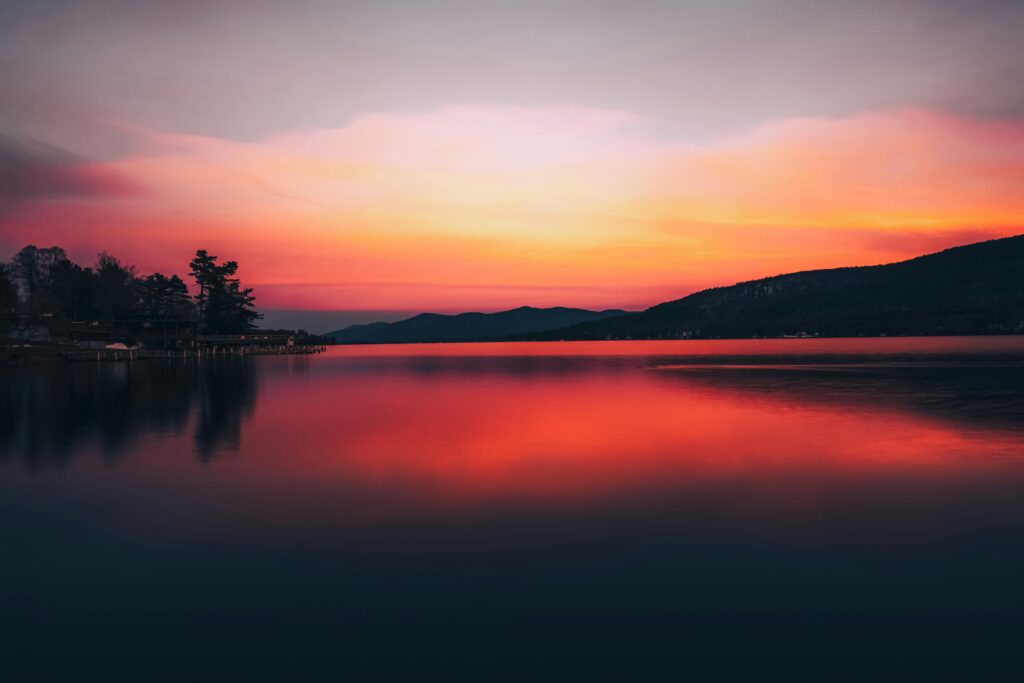
While parts of the Adirondacks see consistent hikers, the Pharaoh Lake Wilderness extension loops remain comparatively quiet. The trail circles serene water, passes through mixed forest, and offers simple lean-to shelters. Sunrise over the lake feels personal when only a few tents dot the shoreline. The terrain is steady rather than punishing, making it suitable for multi-day trips without extreme technical demands. It blends accessibility with a genuine sense of retreat. Evening reflections settle across the lake. The quiet feels restorative. Loons call across the water at dusk. The atmosphere encourages lingering a little longer.
9. Uinta Mountains’ Red Castle Side Route, Utah
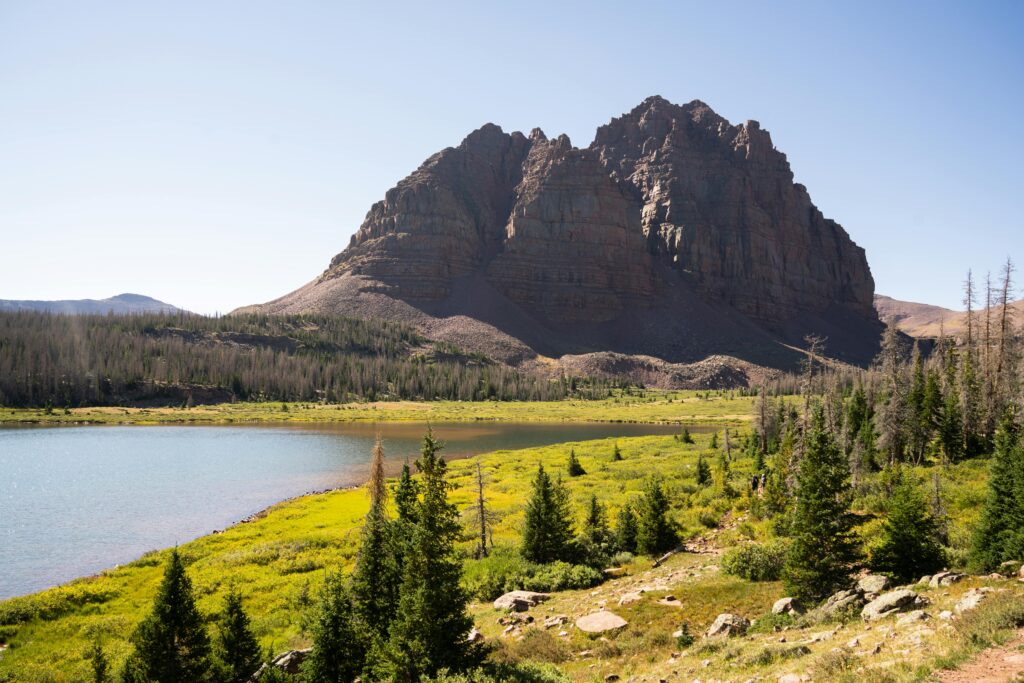
The Red Castle area in Utah’s Uinta Mountains is known among seasoned hikers, yet side routes branching from the main approach see far less activity. These paths weave through alpine meadows and mirror-like lakes framed by red rock peaks. The elevation keeps temperatures cooler in summer, offering a refreshing alternative to lower desert hikes. It requires planning and endurance, but the landscape feels expansive and untouched, far removed from crowded trailheads. Wildflowers scatter across open meadows. The terrain feels rugged yet welcoming. Crystal-clear lakes reflect the skyline. The remoteness adds a quiet sense of freedom.
10. White Mountains’ Pemi Loop Variations, New Hampshire
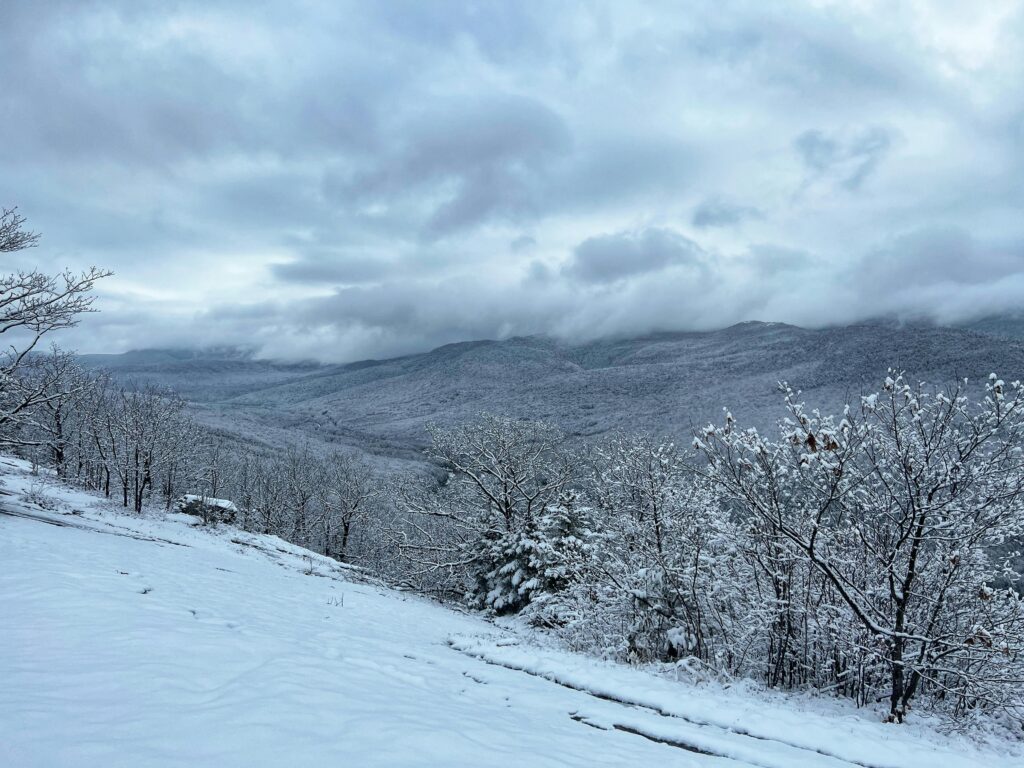
New Hampshire’s Pemi Loop is respected among hikers, yet variation routes off the primary circuit remain less visible online. These alternates dip into forested stretches and lesser-used ridgelines, providing moments of calm between demanding climbs. The weather can shift quickly, adding intensity to the experience. Still, prepared hikers find that these quieter paths deliver the same rugged beauty with fewer interruptions. It is a reminder that even well-known regions hold spaces beyond the asphalt. The forest canopy filters shifting light. Each mile feels earned and quietly satisfying. The journey feels grounded, raw, and authentic.